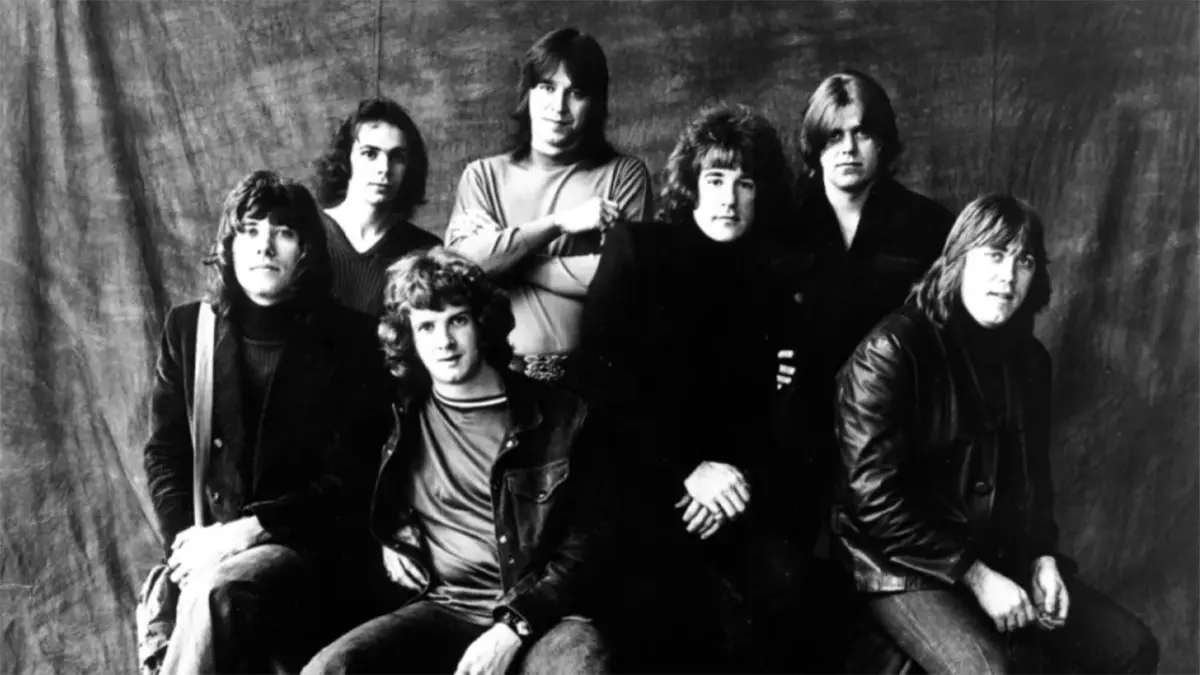
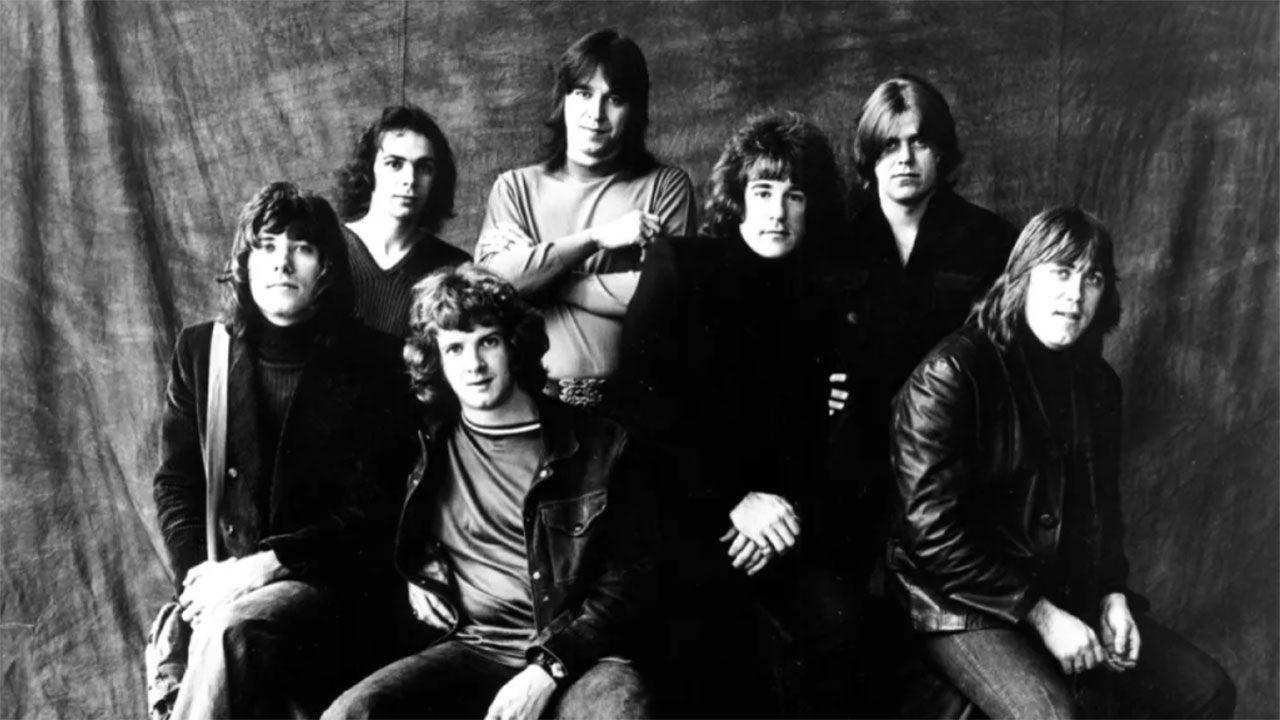
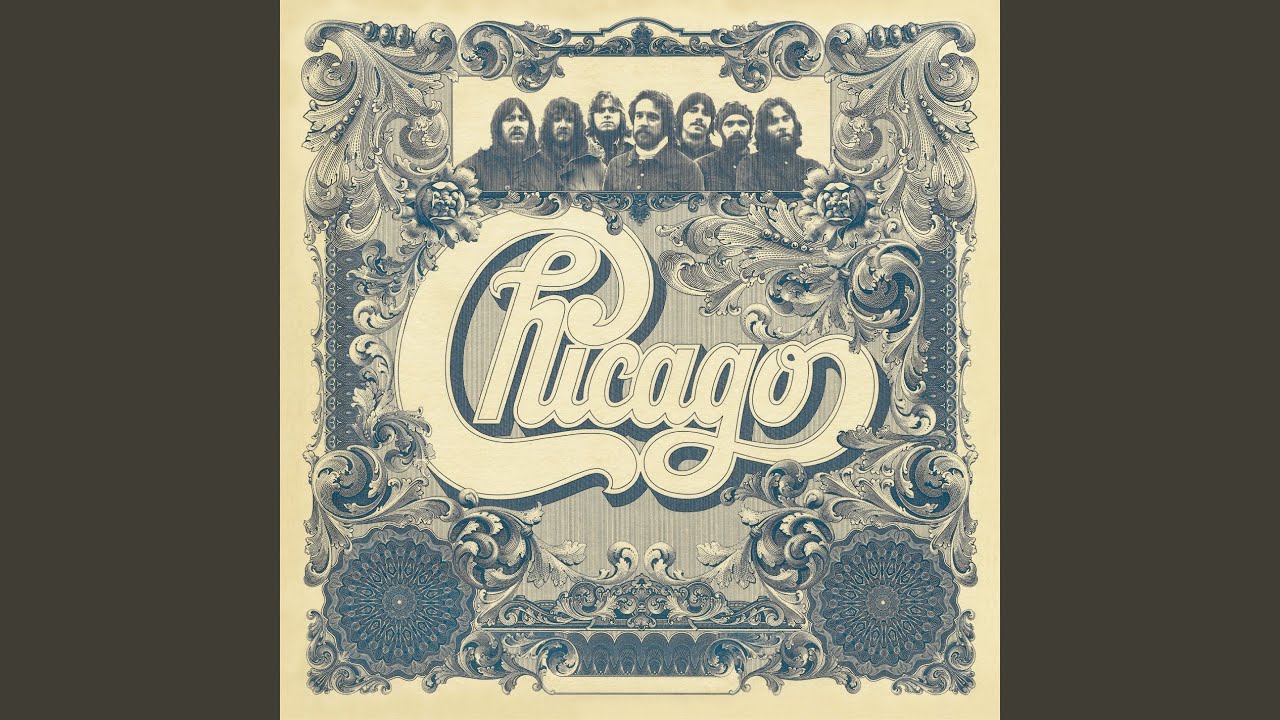
To the casual listener conditioned by decades of soft-rock radio programming, the band Chicago is synonymous with glossy late-20th-century power ballads. Chart-topping singles such as "If You Leave Me Now," "Hard to Say I’m Sorry," and "You’re the Inspiration" cemented their reputation as titan hitmakers of adult contemporary pop. However, this mainstream perception obscures a far more complex, ambitious, and adventurous musical reality. At its core, Chicago was conceived and operated as a pioneering progressive rock collective—one that integrated complex jazz harmonies, extended multi-movement suites, aggressive horn arrangements, and sociopolitical commentary into a unique sonic identity.
When Chicago released their 24th studio album (and 36th project overall), Chicago XXXVI: Now, in 2014, co-founder, primary songwriter, and keyboardist/vocalist Robert Lamm set out to correct the historical narrative. In candid reflections on the band’s legacy, Lamm articulated a stance that might surprise pop purists: Chicago has always been, and remains, a progressive rock group.
Rather than viewing their commercial pop hits as their defining artistic statements, Lamm frames them as a strategic mechanism—a commercial counterweight that afforded the group the leverage and financial freedom to push musical boundaries across full-length albums. This comprehensive analysis explores the group’s decades-long trajectory, dissecting their progressive origins, their high-stakes battles with record labels, their commercial metrics, and their enduring relevance within the progressive music canon.
Detailed Chronology: The Progressive Evolution of Chicago
+---------------------------------------------------------------------------------------------------+
|                                  CHICAGO'S ARTISTIC TRAJECTORY                                   |
+---------------------------------------------------------------------------------------------------+
| 1967: Formed as "The Big Thing" in Illinois; extended cover arrangements build technical chops.    |
| 1968: Relocate to Los Angeles; rename to "Chicago Transit Authority"; sign with Columbia Records. |
| 1969: Release self-titled double-album debut *Chicago Transit Authority* (Top 20 success).        |
| 1970: Shorten name to "Chicago"; release double-album *Chicago II*, featuring long-form suites.   |
| 1974: *Chicago VII* explores deep jazz-rock fusion, reaching #1 on the US Billboard chart.        |
| 1978: Tragic death of guitarist Terry Kath; end of producer James William Guercio partnership.     |
| 1980s: Commercial peak with David Foster; pop ballads leverage artistic autonomy for album cuts.  |
| 1993: Record *Stone of Sisyphus*; shelved by Warner Bros. due to its uncompromised prog sound.    |
| 2008: Official release of *Chicago XXXII: Stone of Sisyphus* after a 15-year delay.              |
| 2014: Release *Chicago XXXVI: Now*; embrace modern prog influences (TesseracT, Transatlantic).    |
+---------------------------------------------------------------------------------------------------+
1967–1969: The Genesis of The Big Thing and the Debut Landmark
The roots of Chicago trace back to 1967, when a group of music students from the Illinois university circuit coalesced under the name The Big Thing. Operating initial iterations as a cover band performing Top 40 hits of the era, the musicians quickly grew dissatisfied with mere imitation. Instead, they began deconstructing popular songs, rebuilding them with extended instrumental passages, complex brass arrangements, and unorthodox time signatures.
In 1968, under the guidance of manager and producer James William Guercio, the band relocated to Los Angeles and adopted the moniker Chicago Transit Authority. Guercio acted as an essential buffer between the young, uncompromising musicians and corporate executives. Recognizing their raw talent, Guercio brokered an unprecedented deal with Columbia Records, convincing the label to allow an unproven act to release a double-LP debut album.
Released in April 1969, Chicago Transit Authority was a tour de force of experimental rock. Blending hard-driving blues guitar, jazz-horn counterpoint, and experimental soundscapes—exemplified by tracks like the 14-minute "Free Form Guitar" and the extended jam "Liberation"—the album broke traditional radio constraints. It entered the US Top 20, eventually achieving multi-platinum status and setting a bold benchmark for American progressive brass-rock.
"We were fortunate that the first record captured the integrity and potential of a young band who were all about celebrating our talent. We had never had any aspirations to be rock stars... The aim was always to express ourselves."
— Robert Lamm
1970–1977: Extended Suites, Jazz Fusion, and Commercial Dominance
Following legal threats from the actual municipal mass transit operator, the group shortened its name to Chicago. In 1970, they released another double LP, Chicago II, which further elevated their progressive credentials. The album featured multi-part classical-style suites, most notably trombonist James Pankow’s 13-minute, seven-movement piece "Ballet for a Girl in Buchannon" (which included the hit excerpts "Make Me Smile" and "Colour My World").
Through the mid-1970s, Chicago produced a string of ambitious records. By 1974’s Chicago VII—yet another double album—the band leaned heavily into jazz fusion, devoting entire sides of the record to instrumental explorations before transitioning into more accessible material. Despite its avant-garde tendencies, Chicago VII shot to Number One on the Billboard charts. The success proved that mainstream audiences were willing to follow the band into complex harmonic territory, provided the music retained melodic integrity.
1978–1989: Tragedy, Transition, and Strategic Pop Parity
The year 1978 marked a harrowing turning point for the group. Guitarist, vocalist, and musical anchor Terry Kath died tragically from an accidental self-inflicted gunshot wound. Simultaneously, the band severed ties with long-time manager and producer James William Guercio. Forced to reinvent themselves, Chicago entered the 1980s under the production guidance of David Foster.
This era birthed Chicago’s most massive commercial hits, dominated by the smooth, synthesizer-driven ballads sung by bassist Peter Cetera and keyboardist Bill Champlin. Albums like 1984’s Chicago 17 sold millions of copies worldwide. However, as Lamm reveals, the proliferation of soft-rock singles was a calculated artistic compromise. By delivering radio-ready hit singles to Warner Bros., the band purchased the executive tolerance required to include complex, experimental album tracks that kept their progressive spirit alive behind the scenes.
1993–2008: The Shelving and Resurrection of Stone of Sisyphus
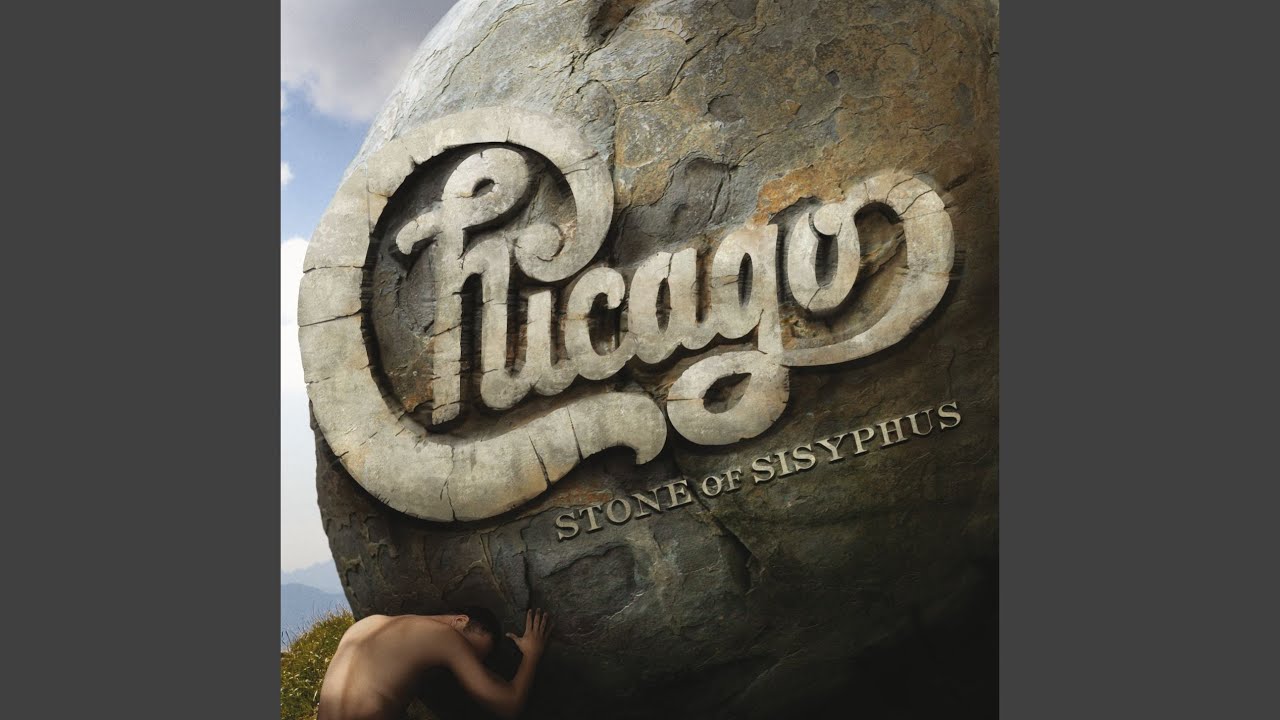
The tension between Chicago’s progressive artistic ambitions and corporate commercial expectations culminated in 1993 during the recording of their 22nd studio album. Working with producer Peter Wolf, the band intentionally turned away from ballad-heavy formulas to create a work rooted in bold, progressive rock arrangements and modern soundscapes. The project was titled Night & Day during tracking, but became known internally as The Stone of Sisyphus.
Upon reviewing the completed master tapes, Warner Bros. executives expressed deep dissatisfaction. Lacking an obvious soft-rock single for adult contemporary radio, the label demanded changes. Refusing to alter or compromise the music, Chicago stood their ground, prompting Warner Bros. to shelve the album indefinitely.
For 15 years, Stone of Sisyphus circulated only as a legendary bootleg among die-hard fans. It was not until 2008 that the label finally gave the project an official release as Chicago XXXII: Stone of Sisyphus. The title itself was a poignant metaphor for the band’s ongoing struggle against industry pressures—mirroring the Greek myth of a king condemned to push a boulder up a mountain for eternity.
Feature
Chicago XXXII: Stone of Sisyphus
Standard 1980s Label-Driven Albums
Primary Production Goal
Reconnecting with progressive roots
Generating Top 40 FM/MTV radio singles
Musical Structure
Complex brass, dynamic shifts, rock focus
Synthesizer-heavy, ballad-dominated
Record Label Reaction
Shelved for 15 years (1993 to 2008)
Heavily promoted and globally distributed
Band Autonomy
High (refused executive re-edits)
Moderate (guided by external producers)
2014: Reclaiming Heritage with Chicago XXXVI: Now
By 2014, with the release of Chicago XXXVI: Now, the group completed a full artistic circle. Utilizing modern mobile recording setups while touring, the band embraced a self-contained production model. Free from traditional record label oversight, they crafted an album that deliberately revisited the open-ended, progressive ethos of their early 1970s work.
Supporting Context & Metrics: Chart Dominance vs. Avant-Garde Ambition
To understand the historical paradox of Chicago, one must examine the staggering divergence between their commercial metrics and their stylistic reputation within the progressive rock community.
Commercial Supremacy by the Numbers
Chicago stands as one of the most commercially successful groups in American music history. Their chart longevity places them in elite company:
US Billboard Chart Metrics (Chicago)
===================================================================
Total Sales Worldwide:          100+ Million Units
Studio Albums Released:         23 (As of 2014)
US Billboard #1 Albums:         5
US Top 10 Singles:              21
RIAA Certified Multi-Platinum:  18 Albums
Historical Chart Position:      #2 American Band of All Time (behind The Beach Boys)
===================================================================
Despite these staggering numbers, music journalists and rock historians frequently omitted Chicago from canonical discussions of progressive rock—a genre historically dominated by British acts like Yes, Genesis, Pink Floyd, and King Crimson.
The Dichotomy of the Single vs. The Album
The reason for this critical oversight lies in the disconnect between radio edits and full-length album tracks. Where casual listeners heard a three-minute radio mix of "If You Leave Me Now" (1976) or "You’re the Inspiration" (1984), album buyers encountered intricate musical tapestries.
Musically, Chicago shared significant DNA with classic prog icons:
Structural Ambition: Like Yes’s side-long compositions, Chicago regularly built side-long thematic pieces and multi-movement suites across their early double LPs.
Virtuosic Performance: Guitarist Terry Kath was famously lauded by Jimi Hendrix as one of the finest players in the world, capable of merging intense psychedelia with intricate jazz chords.
Genre Hybridity: Much like King Crimson or Soft Machine, Chicago collapsed the barriers between classical counterpoint, big-band jazz, and heavy rock and roll.
Official Statements: Robert Lamm and the Architecture of Autonomy
Throughout the band’s long-running career, co-founder Robert Lamm served as an outspoken defender of Chicago’s artistic pedigree. His reflections offer invaluable insight into the band’s internal philosophy.
"We are a progressive rock band, and always have been. There’s nothing I like more than going into a record store and finding our back catalogue filed in the prog section, alongside greats such as Yes and Genesis."
— Robert Lamm
On the Definition of Prog and Peer Comparisons
Lamm vigorously rejects the premise that a band’s most commercially accessible singles define its overall identity. He points out that judging Chicago solely by their ballads is a clear double standard not applied to their European contemporaries:
"To suggest this [ballad hits] defines what Chicago are all about is like claiming that ‘Owner Of A Lonely Heart’ is the real Yes, or that ‘Land Of Confusion’ tells you everything about Genesis. We have always felt blessed enough to try anything at any time. There’s a freedom to our music that probably comes from the era in which we started. Never in our career have we been pressurised to do something in a certain way."
Reflecting on the early 1970s, Lamm admits that British progressive acts both humbled and inspired the band:
"We felt connected to the likes of Yes, Genesis and King Crimson. But I have to concede, we were also intimidated by them, because what they were doing was far beyond anything we could imagine. But we were also somewhat inspired by Yes and Crimson. They gave us a template from which to start and it’s because of their influence to some extent that we became confident about writing and recording very lengthy tracks."
                                  PROG PEER COMPARISONS
┌──────────────┬───────────────────────────────┬────────────────────────────────┐
│ BAND         │ POP/COMMERCIAL BREAKTHROUGH   │ CORE PROGRESSIVE MASTERPIECE   │
├──────────────┼───────────────────────────────┼────────────────────────────────┤
│ Chicago      │ "If You Leave Me Now" (1976)  │ *Chicago Transit Authority*    │
│ Yes          │ "Owner of a Lonely Heart" (1983)│ *Close to the Edge* (1972)     │
│ Genesis      │ "Land of Confusion" (1986)    │ *Selling England by the Pound* │
└──────────────┴───────────────────────────────┴────────────────────────────────┘
On Record Label Battles and Creative Freedom
Lamm’s account of the Stone of Sisyphus crisis highlights the band’s absolute refusal to sacrifice artistic integrity for corporate demands:
"We recorded it on our own terms for Warner Brothers. Peter Wolf, our producer, encouraged us to be as adventurous and daring as we wanted. The idea was to forget entirely about trying to go for radio airplay and get fully back in touch with our progressive roots. When we finished it, the initial response from the label was positive. But then they changed their minds and wouldn’t release the album as it stood. We wouldn’t change anything on the record, so it was shelved."
He reinforces that pop hits were never the primary objective:
"We were never interested in coming up with hit songs for their own sake. They happened, of course, but not because we wanted to go in that direction… We’ve had pressure applied to do more ballads, for instance, but have never done any album where that type of song was dominant."
Contemporary Validation and External Perspective
The broader progressive music community has increasingly validated Lamm’s perspective. Bryan Josh, lead guitarist for the acclaimed British progressive rock band Mostly Autumn, notes Chicago’s unique position:
"Chicago always take me back to what I recall as the sunshine ’70s. I remember first being aware of them when I heard the song ‘If You Leave Me Now’ around 1976. To me, the sound the band had was so unique, and even now it’s most definitely timeless. The fact they could be as accepted for their prog tracks as for the mainstream hits says a lot for their ability to be convincing on so many levels."
Furthermore, Lamm has consistently maintained an active interest in the modern progressive scene. Far from remaining anchored in the past, he actively champions younger, technically proficient bands that emerged in the 1990s and 2000s:
"I enjoy hearing fresh tunes and extended compositions, rather than just songs; the music does have a connection with early Chicago, in that sense. A lot of the best new sounds demand patience and perseverance from the listener, which is really positive. It’s a treat to hear bands like TesseracT, Transatlantic, Coshish, No-Man, Bigelf…"
Future Outlook: Re-evaluation and a Multi-Generational Legacy
As Chicago navigated their fifth decade of continuous performance and recording, a profound cultural reassessment took hold. The digital streaming age—which decoupled individual tracks from radio station formatting—allowed younger audiences to discover Chicago’s deep catalog on their own terms.
Unburdened by the 1980s radio context, new listeners regularly gravitated toward the heavy, brass-infused jams of the band’s early Columbia years.
                      ┌──────────────────────────────────────────┐
                      │    CHICAGO'S MODERN RE-EVALUATION       │
                      └────────────────────┬─────────────────────┘
                                           │
         ┌─────────────────────────────────┴─────────────────────────────────┐
         ▼                                                                   ▼
┌─────────────────────────────────┐                         ┌─────────────────────────────────┐
│     DEMOGRAPHIC EXPANSION       │                         │      ARTISTIC RE-ALIGNMENT      │
├─────────────────────────────────┤                         ├─────────────────────────────────┤
│ • Younger fans discovering LPs  │                         │ • Rediscovery of early jazz-prog│
│ • Freedom from 80s radio bias   │                         │ • Cross-pollination with modern │
│ • Multi-generational live shows │                         │   progressive sub-genres        │
└─────────────────────────────────┘                         └─────────────────────────────────┘
This cultural shift breathed vibrant new life into the band’s live performances. Lamm observed a distinct demographic shift in their audience: younger concertgoers, drawn specifically by the complex musicality of progressive rock, were standing alongside fans who had followed the band since 1969.
Ultimately, Chicago’s legacy is defined by a bold refusal to be pigeonholed. By balancing undeniable melodic instincts with complex, virtuosic arrangements, they achieved something extraordinarily rare in modern music: massive, enduring commercial success secured entirely on their own creative terms. As veterans who inspired generations of artists, Chicago remains a foundational pillar of American progressive rock—forever expanding their horizons, challenging industry norms, and dedicated to the craft of musical discovery.