Executive Overview
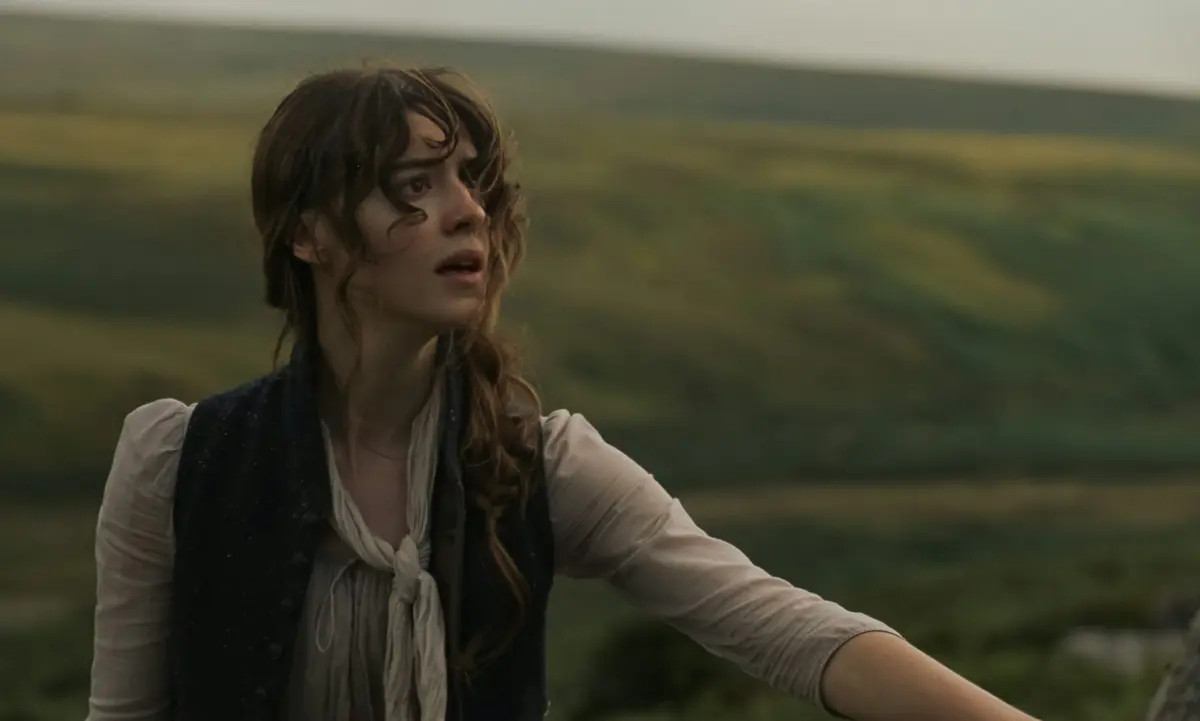
Georgia Oakley’s striking new cinematic adaptation of Jane Austen’s classic 1811 novel, Sense and Sensibility, immediately captivates audiences with its breathtaking visual splendor. From expansive pastoral vistas and moody, rocky seascapes to the meticulously curated, overgrown beauty of Norland House Park’s stone steps, the film is an undisputed visual triumph. Every frame immerses the viewer deeply into the sensory landscape of the Georgian era, leaning heavily on exquisite textures, period-accurate costumes, and a haunting score that complements Austen’s timeless, witty dialogue.
However, beneath the picturesque surface lies a tension between modern creative license and historical fidelity. While the film excels at establishing a moody, atmospheric tone for sisters Elinor (Daisy Edgar-Jones) and Marianne Dashwood (Esmé Creed-Miles) as they navigate grief, social displacement, and love, its historical rigor falters in key areas of physical deportment. Most notably, the choreography of the film’s central dance sequences—alongside the uncharacteristically loose hair of its protagonists—strays far from the strict codes of civility, status, and bodily control that governed late 18th-century British society.
In the Georgian and Regency eras, movement, posture, and appearance were not merely matters of personal taste; they were physical manifestations of social hierarchy, economic standing, and moral worth. By introducing avant-garde, musical-theatre-style choreography and anachronistic hair styling, the adaptation occasionally shatters its own carefully constructed illusion, pulling the viewer abruptly out of the candlelit ballrooms of the 1790s and dropping them squarely into the 21st century.
Detailed Chronology
To understand the missteps in the film’s physical realization of the Georgian era, it is helpful to trace how social codes, dance, and character presentation developed both in Jane Austen’s original text and within the historical timeline of late 18th-century Britain.
The Foundation of Georgian Standards (1790s Context)
- The Gentry Paradigm: The world inhabited by the Dashwood family was rigidly hierarchical. Politeness, civility, and decorum were the trinity of high society. Standards of dress, grooming, and posture visibly separated the nobility and gentry from their social inferiors.
- Grooming and Hair: Appearance was an immediate assessment of status and moral discipline. While the film portrays Marianne with wild, unkempt, stringy hair and Elinor with soft, relaxed waves to visually telegraph their contrasting temperaments, historical reality demanded strict conformity. Even in moments of emotional turmoil, women of their station pinned their hair up daily. Unkempt locks would have signaled a breakdown of social order or mental stability, rather than romantic bohemianism.
The Social Machinery of the Dance Floor
- Childhood Preparation: In Georgian England, dancing was not a casual recreational activity; it was an essential component of education, particularly for young women entering the marriage market. Children from affluent families took rigorous lessons from an early age to master posture, intricate footwork, spatial formations, and the art of maintaining appropriate eye contact.
- The Hierarchy of Events: Society maintained a strict taxonomy of dance venues. Refined country dances and formal balls were the acceptable domain of the upper and middle ranks. Conversely, informal "hops"—characterized by more energetic, less regulated movement—were historically relegated to the "meaner sorts."
From Text to Screen: The Narrative Divergence
- Jane Austen’s Textual Blueprint: In the original novel, the word "hop" appears strictly within dialogue, spoken by the well-meaning but socially unrefined Sir John Middleton (played in the adaptation by Turlough Convery). Sir John recounts that the dashing Mr. Willoughby (Frank Dillane) spent an entire evening at a "little hop in the park," dancing continuously from eight o’clock until four in the morning. In Austen’s era, a respectable gentleman attending such an event should have served as a subtle red flag regarding his adherence to elite social norms.
- The Film’s Choreographic Execution: Director Georgia Oakley and choreographer Holly Blakey merge the structured formations of a country dance with contemporary, expressive movement. The result is an energetic spectacle featuring sweeping arms, dramatic lifts, and over-arched backbends. Later, in the London ballroom sequence where Elinor dances with Edward Ferrars (George MacKay), these theatrical flourishes overshadow the precise, serpentine lines and measured footwork that defined Georgian courtship rituals.
Supporting Context & Metrics
The cultural significance of dance and appearance in the Georgian era cannot be overstated. Historians of manners and material culture have long documented how physical movement functioned as a proxy for social currency.
The Physics of Politeness
In the late 18th century, a person’s body was viewed as an instrument of social communication.
- Comportment as Capital: Graceful movement signaled self-control, education, and moral rectitude. Conversely, physical awkwardness or an inability to maintain bodily composure was interpreted as a sign of ineptitude, meekness, and social inferiority.
- Courtship Metrics: The ballroom was the ultimate public testing ground for marital compatibility. Because polite society severely restricted unsupervised private interactions between unmarried men and women, the dance floor offered the primary venue for prolonged physical proximity, conversation, and assessment. A couple’s ability to move in synchrony through complex choreography served as an implicit metaphor for their potential harmony in marriage.
Comparative Analysis of Austen Screen Adaptations
| Film / Television Production | Depiction of Dance & Movement | Historical Accuracy & Impact |
|---|---|---|
| Sense and Sensibility (2025, dir. Oakley) | Avant-garde choreography, sweeping arms, lifts, modern emotional expression. | Low: Sacrifices period-accurate restraint for modern emotional catharsis; risks breaking audience immersion. |
| Emma (2020, dir. Autumn de Wilde) | Structured, intimate country dances focusing on lingering eye contact and finger touches. | High: Uses traditional choreography to heighten romantic tension within strict social boundaries. |
| The Other Bennet Sister (TV Adaptation) | Mary Bennet meticulously counting her steps during a sequence. | High: Highlights the anxiety and rigorous training required for women to execute dances correctly. |
| Bridgerton (Netflix Series) | Stylized, often anachronistic balls featuring dramatic lifts and contemporary pop string covers. | Moderate-Low: Deliberately trades historical accuracy for high-octane fantasy and modern audience appeal. |
Official Statements
The tension between historical verisimilitude and artistic expression has drawn commentary from the creative team behind the production, highlighting a deliberate philosophical choice regarding how historical stories are translated for contemporary viewers.
Addressing the avant-garde approach to the film’s movement vocabulary, choreographer Holly Blakey defended the stylistic departures by emphasizing internal emotional truth over external societal constraints:
"It was vital that whatever we were doing inside the choreography… did feel like an expression of how the girls were feeling."
While this internal psychological realism aligns closely with Marianne Dashwood’s romantic, expressive temperament—and resonates with modern storytelling sensibilities—historians and cultural critics argue it fundamentally misunderstands the ethos of the 1790s. In Georgian Britain, public self-expression through erratic physical movement was viewed precisely as the antithesis of the emotional containment expected of gentlewomen.
Production notes and early reviews have similarly praised the film’s ability to evoke the texture of the 18th century through lighting, sound, and costume, while simultaneously sparking debate over whether modern emotional idioms have a place within period-accurate framing.
Future Outlook
As period dramas continue to evolve in the 21st century, filmmakers face a recurring dilemma: how to make historical narratives resonate with modern audiences without entirely erasing the alien, highly regulated social codes of the past.
Productions like Netflix’s Bridgerton have proven that audiences readily embrace unapologetic anachronism when packaged as pure fantasy. However, adaptations that strive for the painterly, atmospheric realism of Georgia Oakley’s Sense and Sensibility occupy a more precarious middle ground. When a film invests heavily in capturing the authentic tactile qualities of the 1790s—down to the overgrown flora of Norland House Park and the rustle of silk gowns—any sudden descent into modern choreographic tropes becomes acutely jarring.
Looking ahead, future adaptations of Austen and her contemporaries will likely continue to grapple with this dichotomy. The challenge for directors and choreographers lies in finding the sweet spot where physical movement honors historical reality while still delivering the emotional resonance modern viewers crave. Until then, Sense and Sensibility will stand as a fascinating case study in cinematic ambition—a gorgeous, deeply felt adaptation that ultimately chose the soaring emotional release of the modern dance floor over the quiet, constrained power of the Georgian ballroom.