Rock music has never been a static artifact preserved behind glass; it is a living, breathing, and inherently subversive organism. As industrial music icon Trent Reznor once observed, "Rock music was never meant to be safe. I think there needs to be an element of intrigue, mystery, subversiveness. Your parents should hate it." From its foundational collisions of blues, country, and gospel, rock has continually expanded its perimeters, fracturing and mutating into a constellation of subgenres shaped by hyper-local scenes, sociopolitical shifts, and technological breakthroughs. Reinvention remains the very core of rock’s DNA.
More than a distinct set of sonic frequencies, being "rock and roll" has always functioned as a state of mind—an intrinsic compulsion to challenge convention, borrow fearlessly from disparate traditions, and violently shove music into uncharted territories. This restless spirit anchors the contemporary alternative ecosystem, where rigid genre boundaries evaporate and seismic cultural innovations frequently erupt far from the sterile lights of the mainstream.
Today, this kinetic energy courses through global subcultures: from London’s influential Windmill scene—where a fresh wave of artists effortlessly bleed post-punk, jazz, and art rock together—to the blazing resurgence of Irish guitar music helmed by Fontaines D.C., The Murder Capital, SPRINTS, and Just Mustard. Australia’s ferocious punk underground (Amyl and the Sniffers, The Chats, CIVIC) continues to export some of the most exhilarating records of the decade, while hardcore’s explosive mainstream crossover has introduced bands like Turnstile, Speed, and Basement to unprecedented audiences.
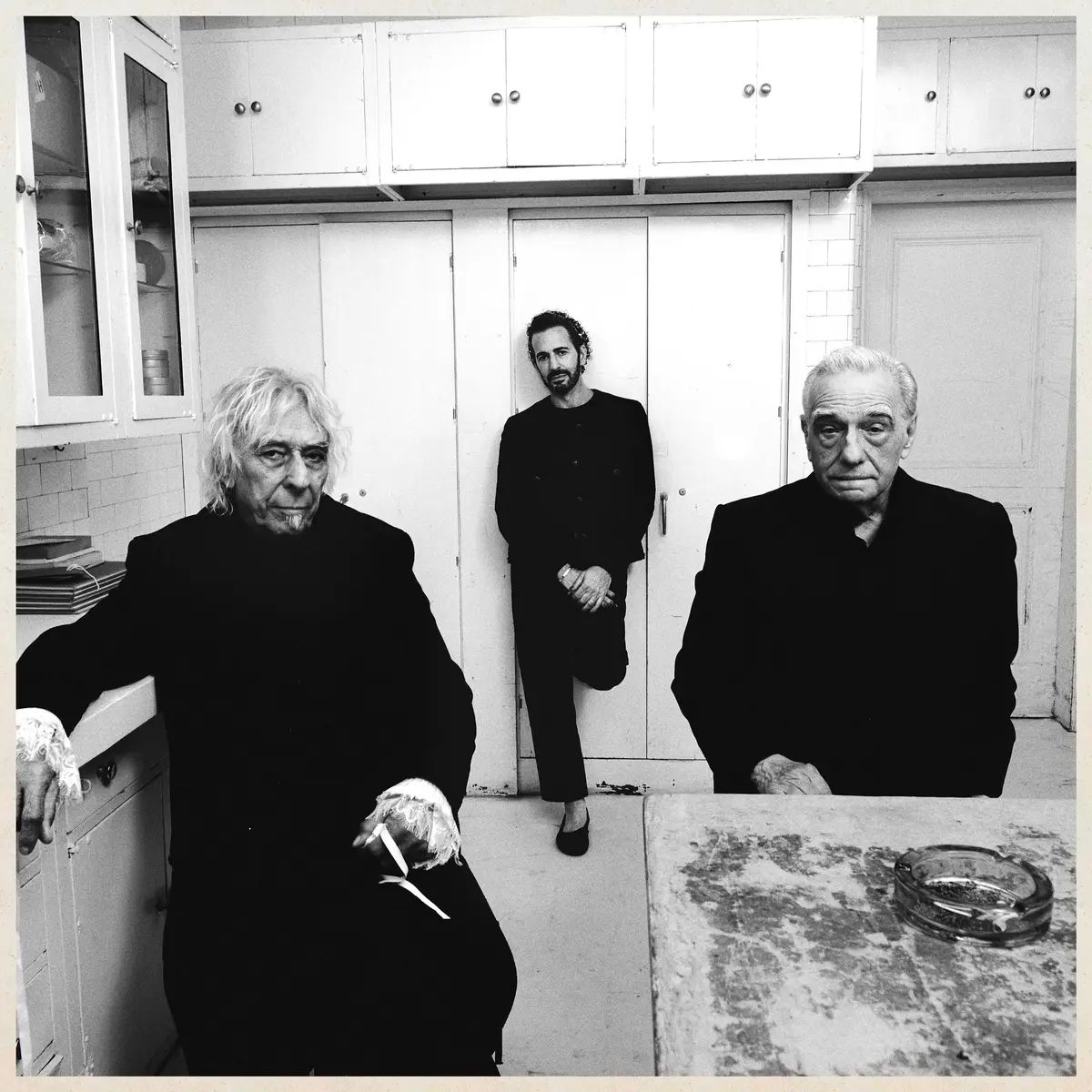
Even contemporary pop has fallen back into rock’s gravitational pull. Mainstream heavyweights like Olivia Rodrigo draw explicit inspiration from 90s alt-rock cornerstones such as No Doubt and The Smashing Pumpkins, while tracks like You Seem Pretty Sad For A Girl So In Love channel the angular, synth-slick New Wave DNA of New Order, Devo, and The B-52s. As Charli xcx acutely diagnosed upon closing the chapter on her cultural juggernaut Brat: "I think the dancefloor is dead, so now we’re making rock music." Though her LP Music, Fashion, Film isn’t a traditional rock record, its gritty, guitar-forward lead single and its visual nods to Lou Reed and The Velvet Underground (featuring John Cale on the cover) underscore rock’s enduring cultural contagion.
Ultimately, rock today is less concerned with preserving a specific sonic museum piece than it is with perpetuating a posture of defiance. Its future may not always arrive wearing a leather jacket or brandishing a battered Fender, but its subversive heartbeat remains completely unmistakable.
Detailed Chronology: The Essential Blueprint of Rock History
To understand rock’s current cross-pollinated state, we must examine the landmark albums that systematically dismantled boundaries and rewrote the rules of engagement across the decades.
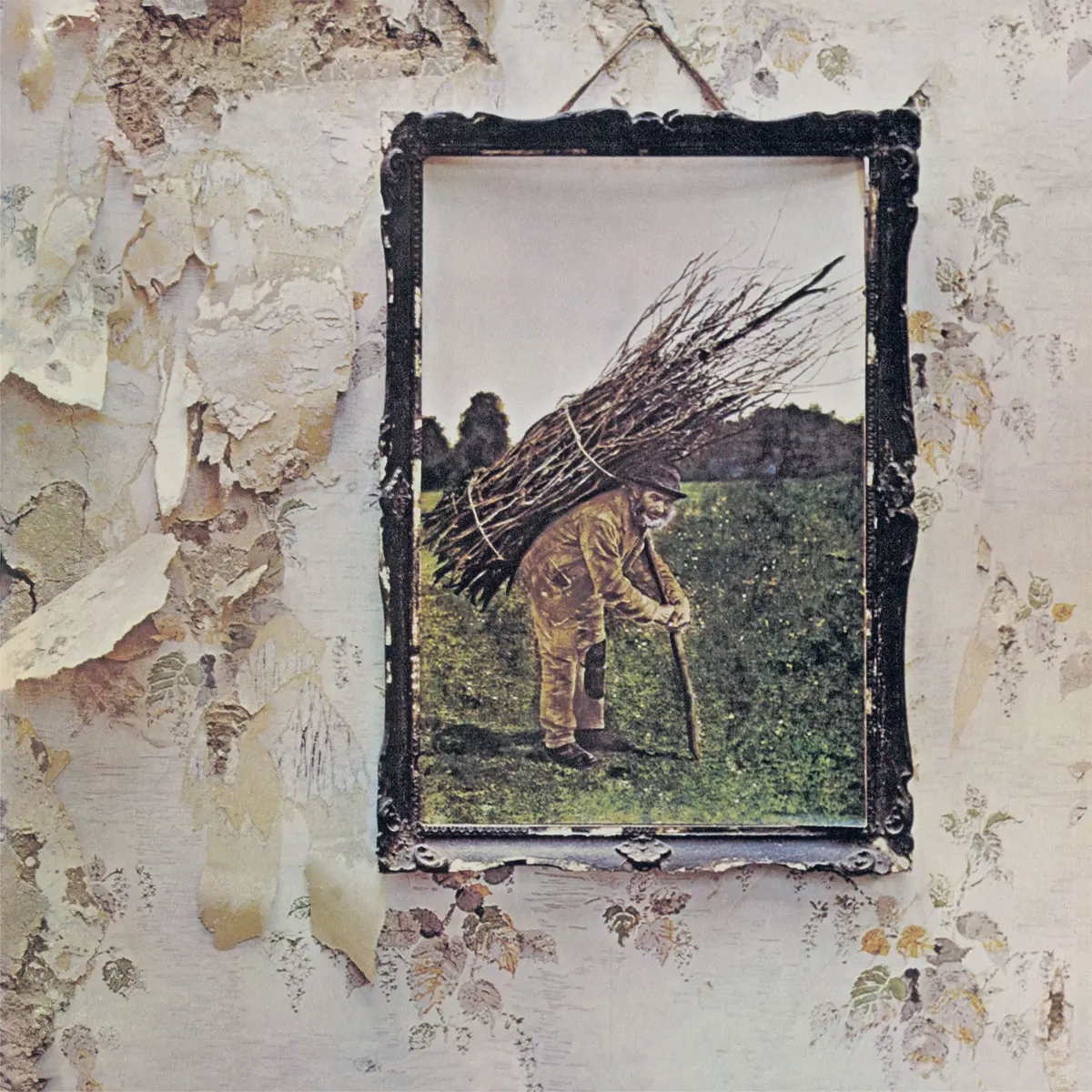
[1971] Led Zeppelin IV ──> Hard Rock / Folk Synthesis
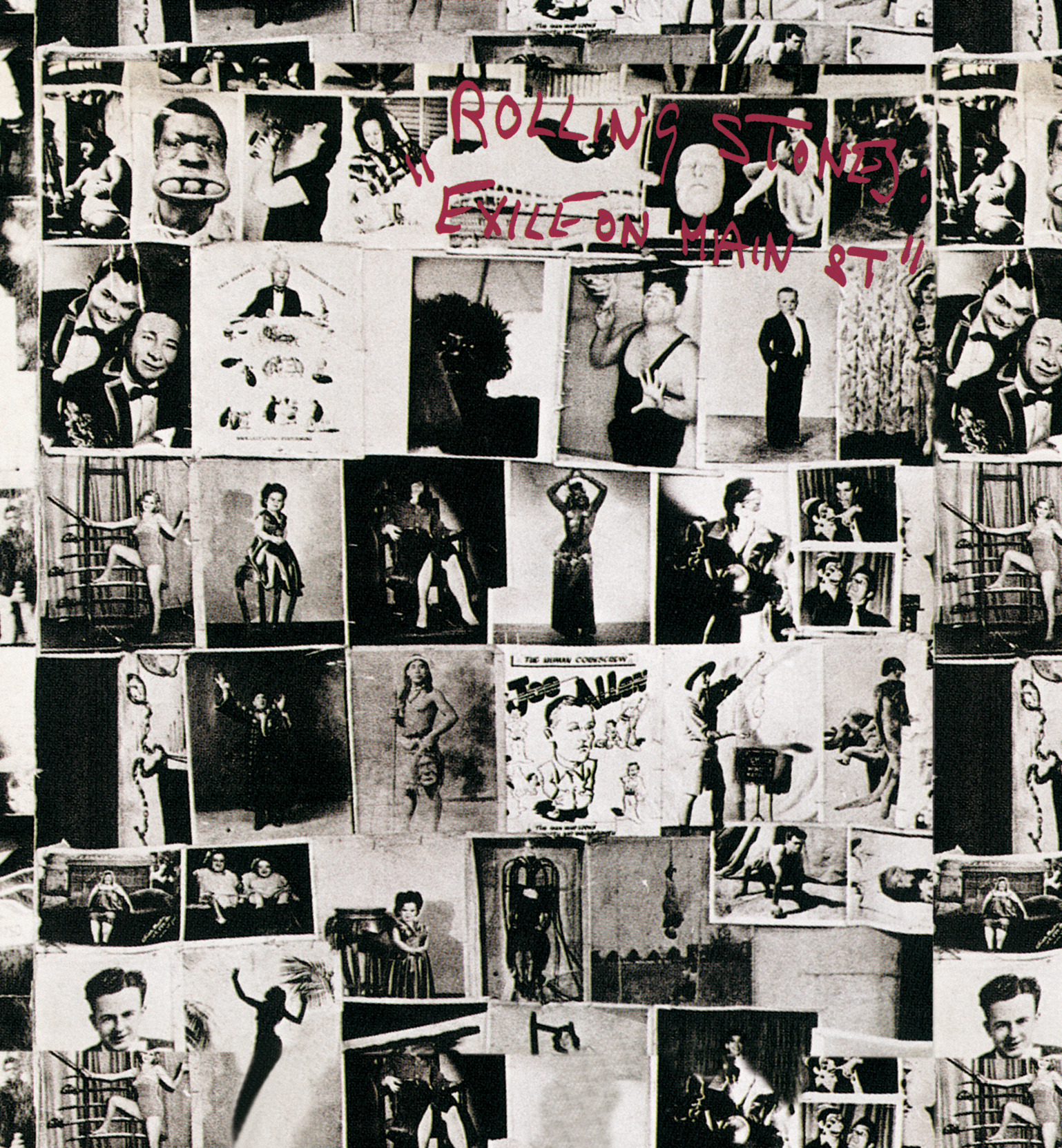
[1972] Exile on Main St. ──> Blues-Rock Apotheosis
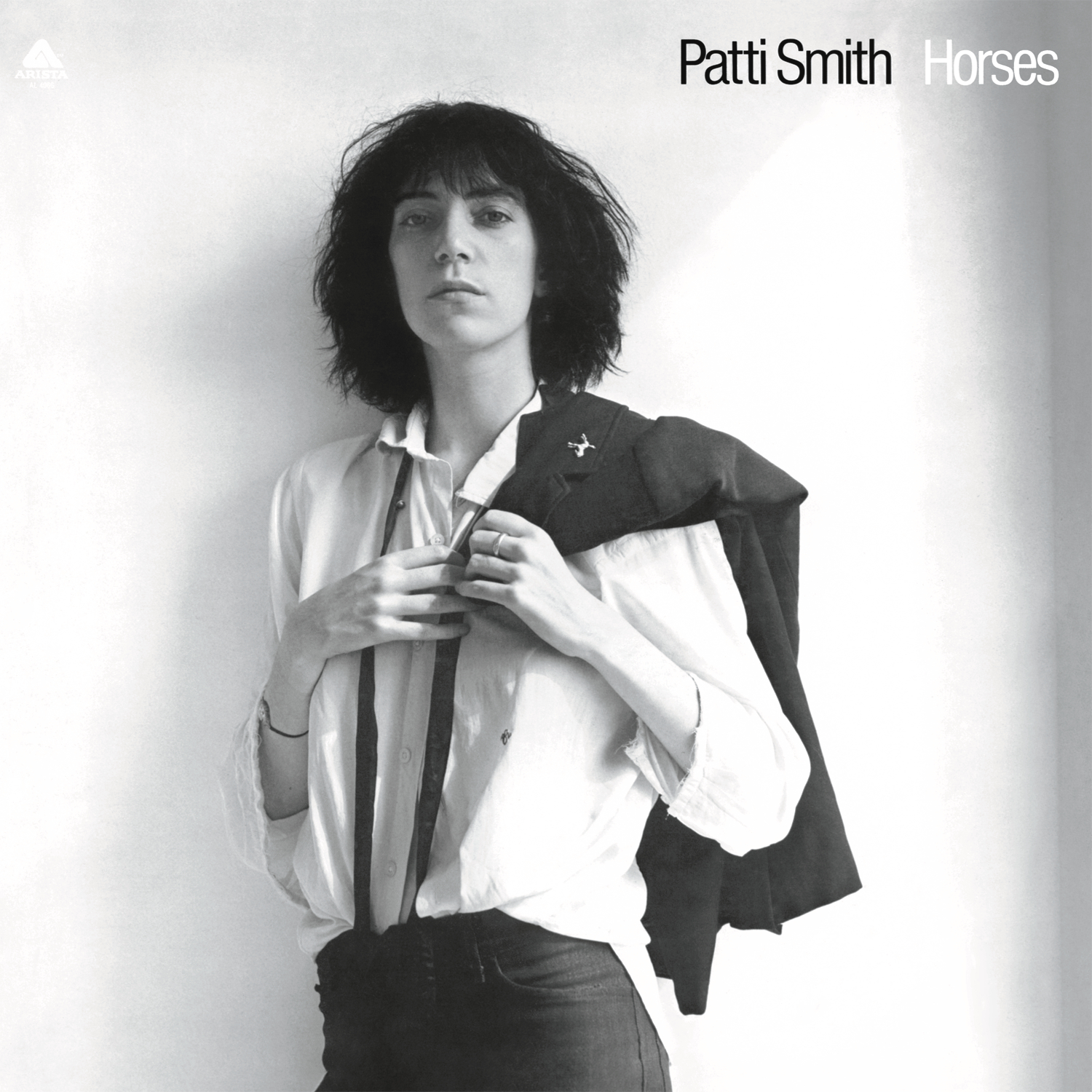
[1975] Horses ──> Poetic Proto-Punk
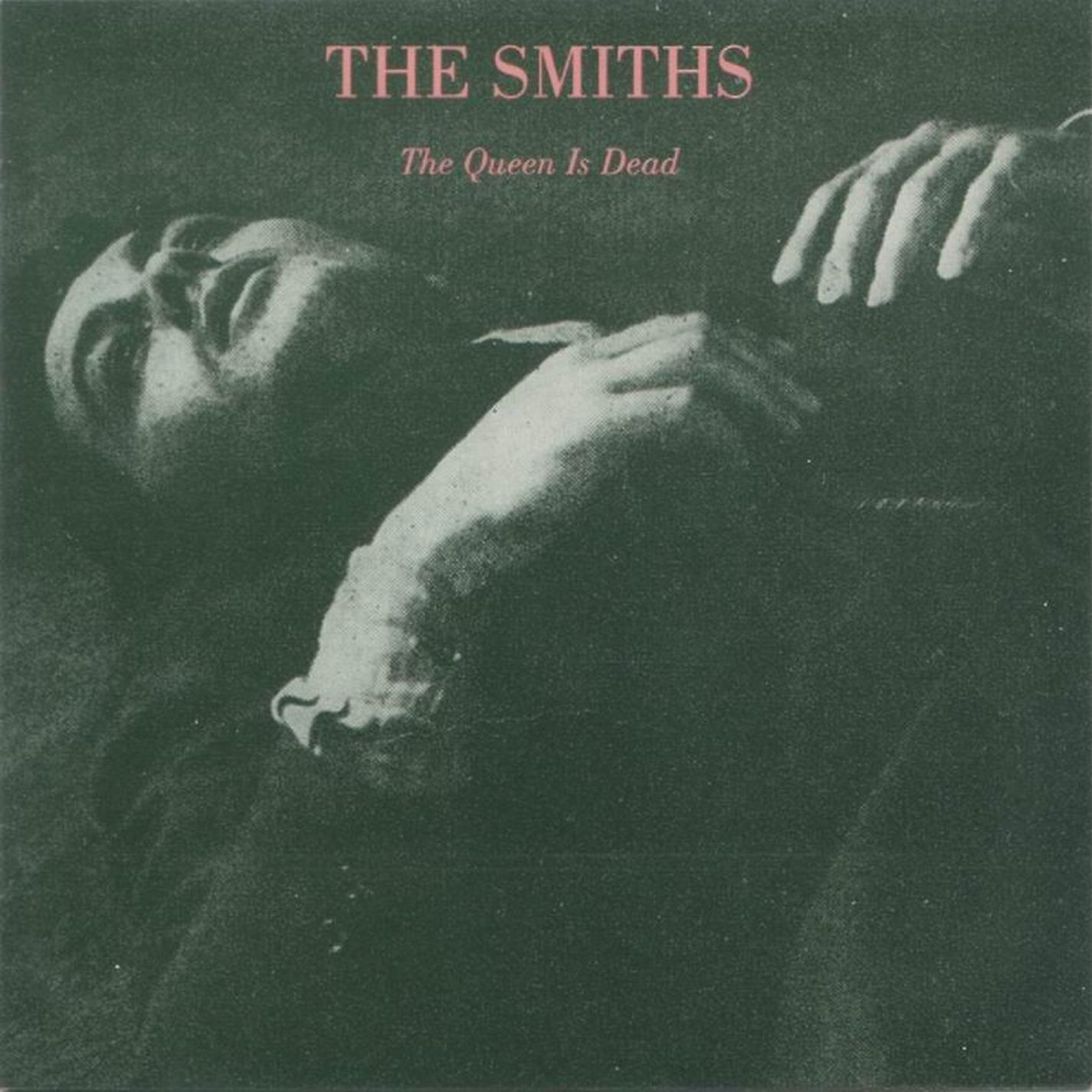
[1986] The Queen Is Dead ──> Jangly British Indie Pinnacle
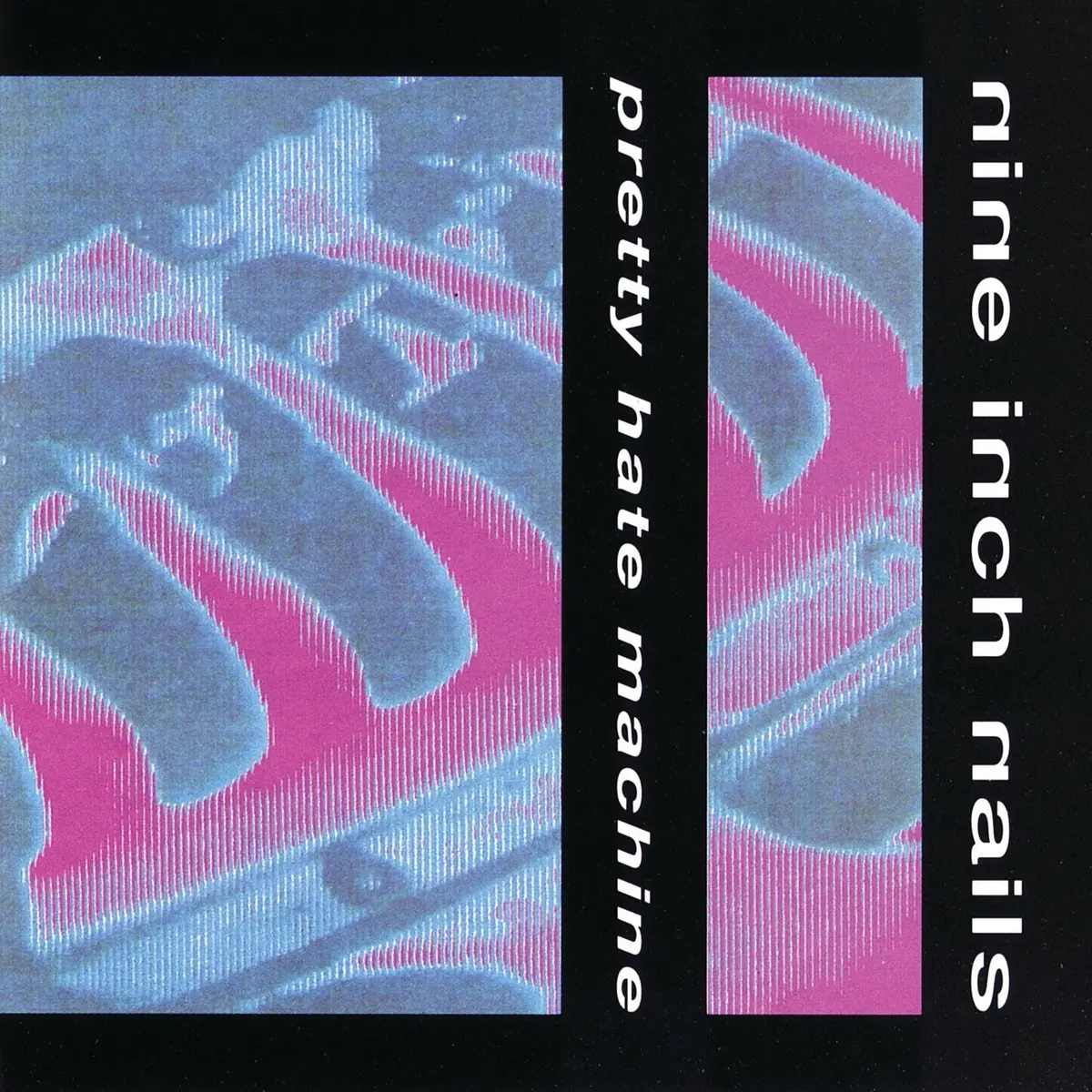
[1989] Pretty Hate Machine ──> Industrial / Synth-Pop Fusion
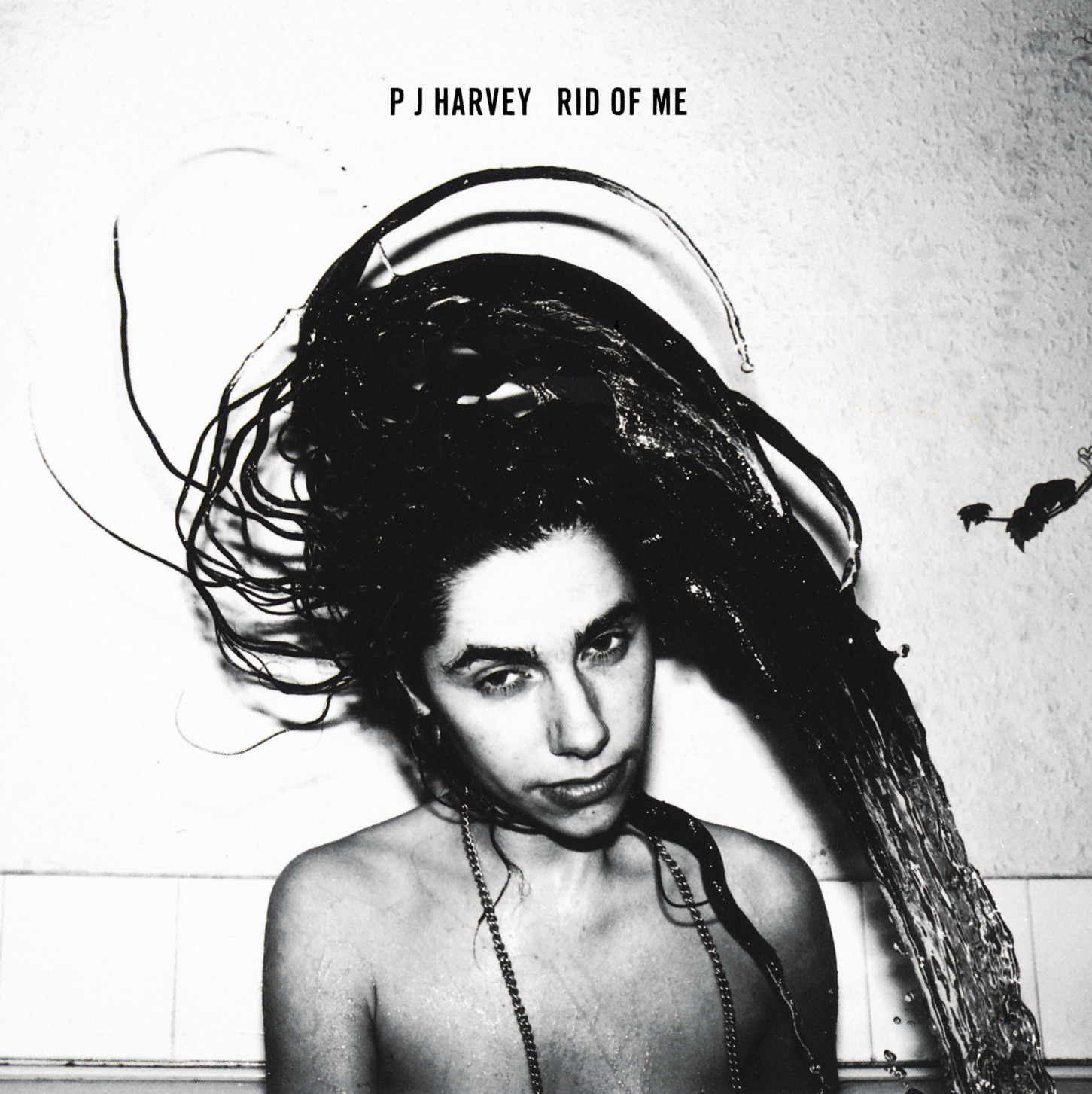
[1993] Rid of Me ──> Visceral Alt-Rock Extremes
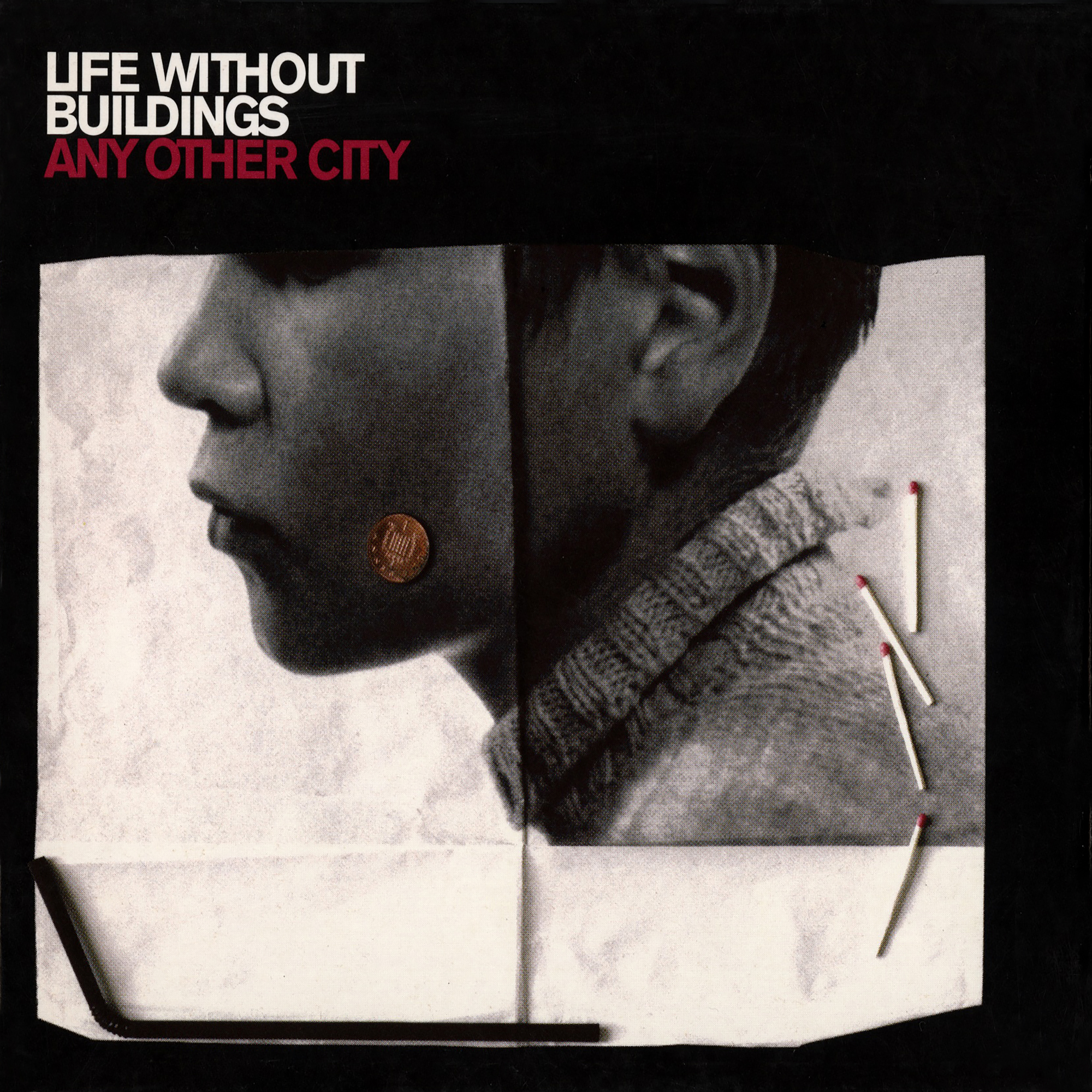
[2001] Any Other City ──> Post-Punk Revival Blueprint
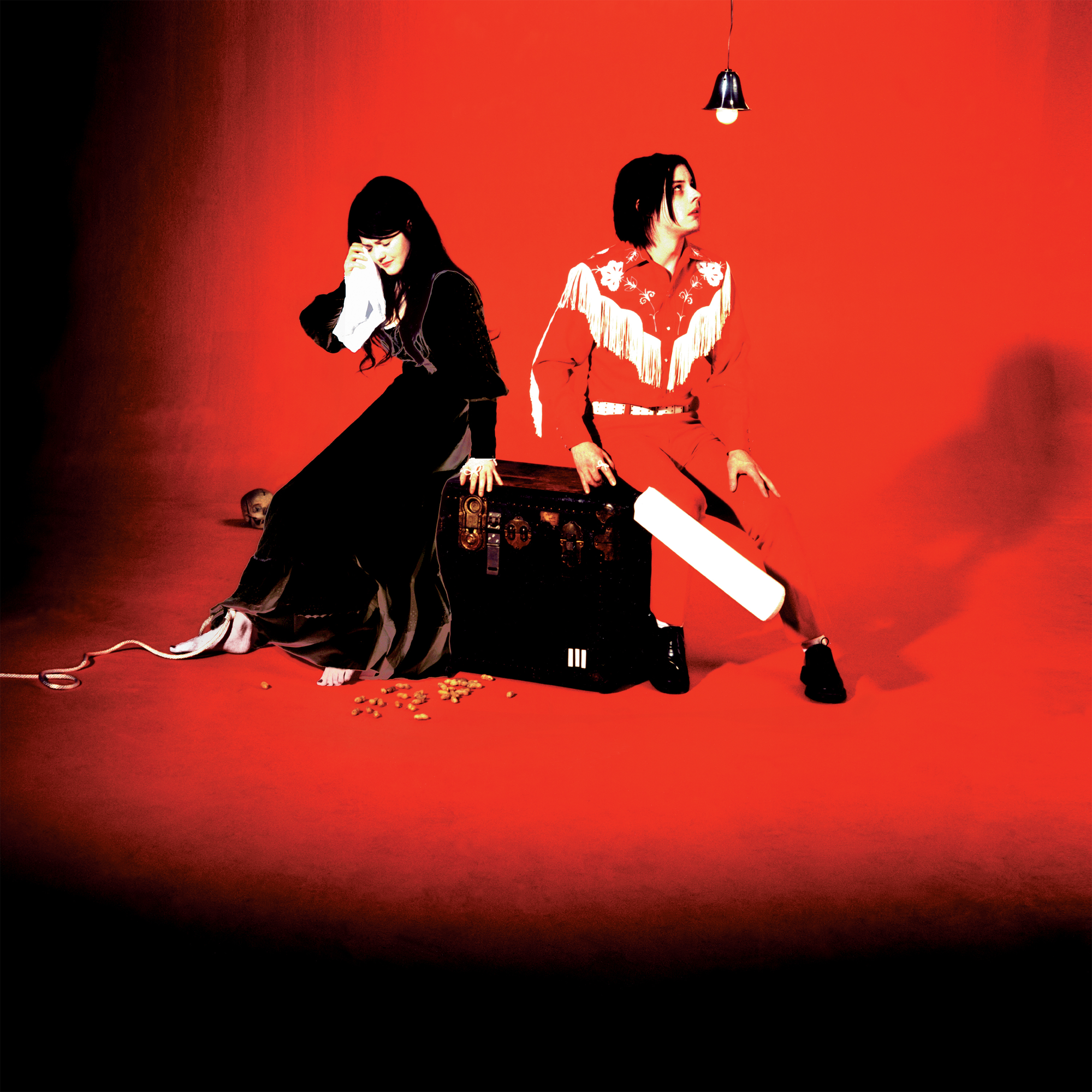
[2003] Elephant ──> Analogue Garage Rock Renaissance
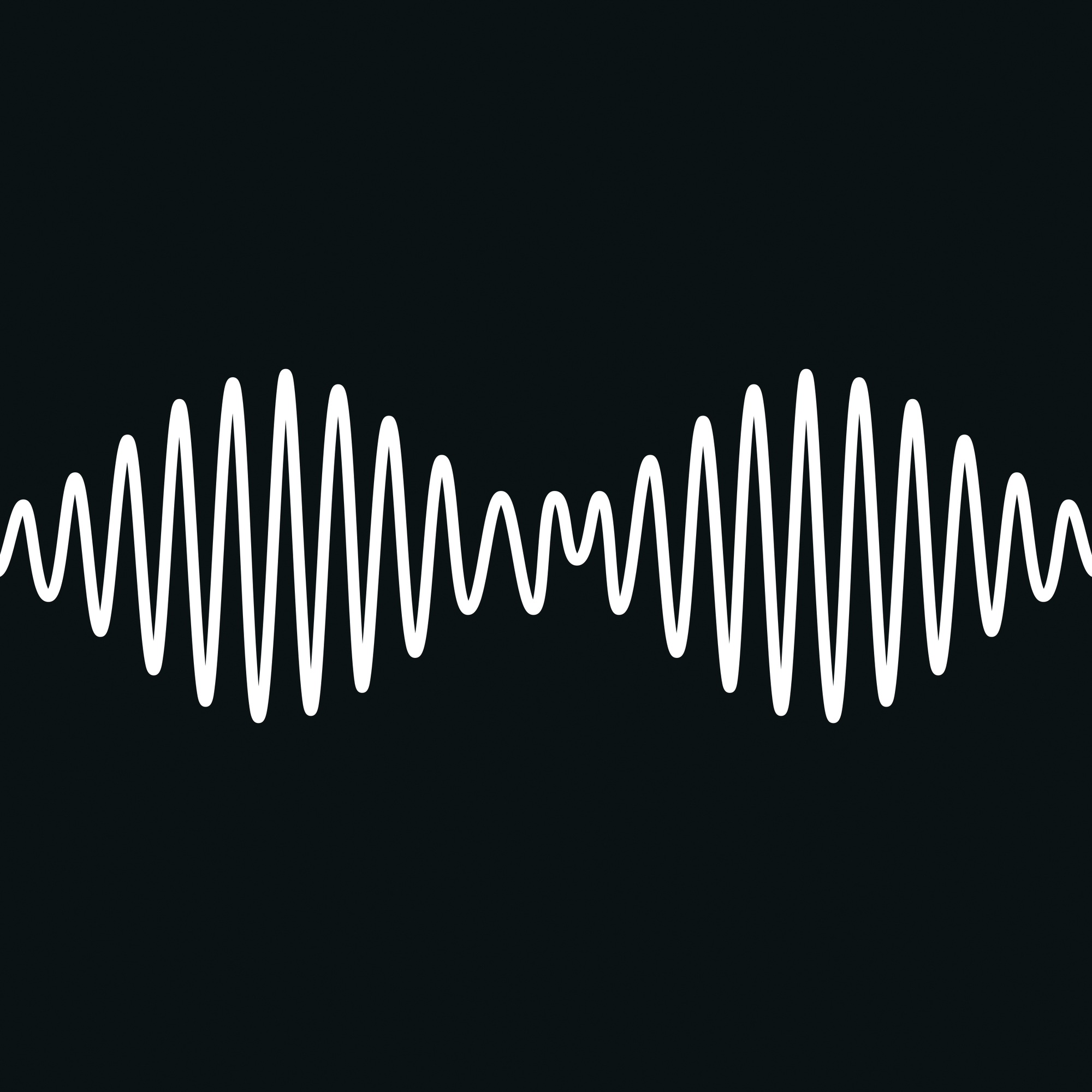
[2013] AM ──> Stream-Era Indie / R&B Hybrid
[2019] Kiwanuka ──> Cinematic Psych-Soul Orchestration
[2019] Dogrel ──> Literate Post-Punk Resurgence
1971: Led Zeppelin – Led Zeppelin IV
Led Zeppelin IV effectively engineered the blueprint for modern arena rock and heavy metal, expanding hard rock far beyond straightforward, bludgeoning power chords. Eschewing the purely electric fury of their sophomore effort while retaining its foundational weight, the band leaned heavily into traditional acoustic folk music—a synthesis of Mississippi Delta and Chicago blues traditions channeled through guitarist Jimmy Page’s masterclass in production.
Anchored by Stairway to Heaven—an epic composition that transitions from a delicate acoustic folk pastoral to a thunderous, electric crescendo—the album established a structural template for progressive and classic rock alike.
File Under: Hard rock, alongside AC/DC, Aerosmith, and Guns N’ Roses.
1972: The Rolling Stones – Exile on Main St.
Recorded during fragmented, hedonistic sessions in a French villa basement, Exile on Main St. stands as the undisputed apotheosis of roots-rock and blues-rock. Its loose, swampy, and deliberately murky atmosphere fused blues, gospel, country, and R&B into a sprawling, unpolished masterpiece that outright rejected studio perfectionism. Cuts like Tumbling Dice and Rocks Off proved that rock could deeply absorb American traditional idioms without ever forfeiting its rebellious edge.
Musical Legacy: The Stones’ DNA courses through Bruce Springsteen’s E Street Band, The Verve’s psychedelic-blues excursions, and The White Stripes’ primitive devotion to Delta foundations.
File Under: Classic rock, alongside The Beatles, The Who, Big Star, and Jethro Tull.
1975: Patti Smith – Horses
Bridging high-art poetry with visceral rock and roll, Horses laid the structural foundations for American punk. Patti Smith’s free-form vocal deliveries and deeply literary references shattered conventional mid-70s paradigms regarding femininity and performance. Producer John Cale (formerly of The Velvet Underground) championed Smith’s raw primitivism, preserving the loose, improvisatory song structures that allowed her spoken-word cadence to dance across jagged guitar lines.
File Under: Early punk rock and proto-punk, sharing lineage with Television, Lou Reed, Siouxsie and the Banshees, and Nick Cave & The Bad Seeds.
1986: The Smiths – The Queen Is Dead
Widely crowned as the peak of British indie rock, The Queen Is Dead supercharged jangly guitar jangle with dark post-punk undertones. Morrissey’s melancholic, razor-sharp lyrics offered some of the most literate songwriting of the decade, balancing irony, social critique, and paralyzing vulnerability. Songs like There Is a Light That Never Goes Out became eternal anthems for misfits and hopeless romantics. Johnny Marr’s intricate guitar architecture continues to cast a long shadow, inspiring everyone from Radiohead (whose Knives Out is a direct nod to Marr’s style) to modern theatrical acts like Brigitte Calls Me Baby.
File Under: 80s indie rock and angsty punk, alongside Echo & the Bunnymen, R.E.M., The Wedding Present, and The Go-Betweens.
1989: Nine Inch Nails – Pretty Hate Machine
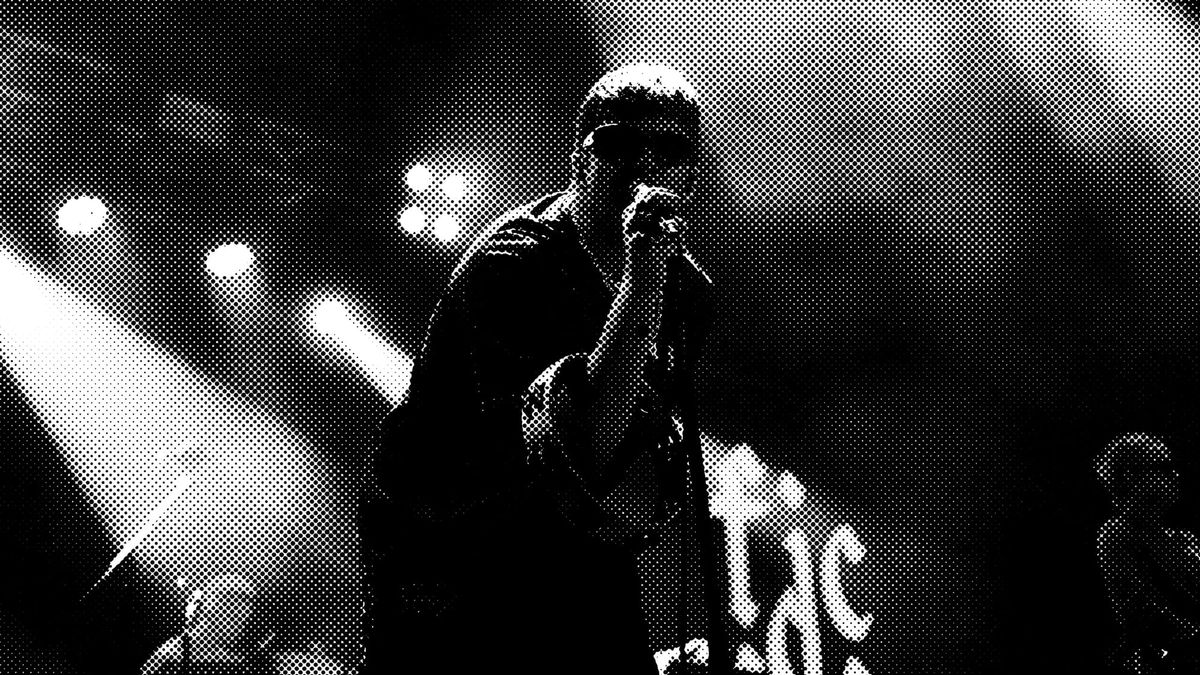
Straddling the volatile fault lines between rock, electronic music, and abrasive industrial textures, Trent Reznor’s debut full-length changed the landscape of heavy alternative music. Though genre purists often resisted the label, Pretty Hate Machine brilliantly weaponized 1980s synth-pop sensibilities inside a mechanized furnace of aggressive sound design. Drawing covert inspiration from Throbbing Gristle and Skinny Puppy, Reznor managed to make dark, underground industrial rock palatable to a generation of mainstream youth.
File Under: Industrial metal, ambient rock, and synth-pop, alongside Killing Joke, David Bowie’s Low, Model Actriz, and Depeche Mode.
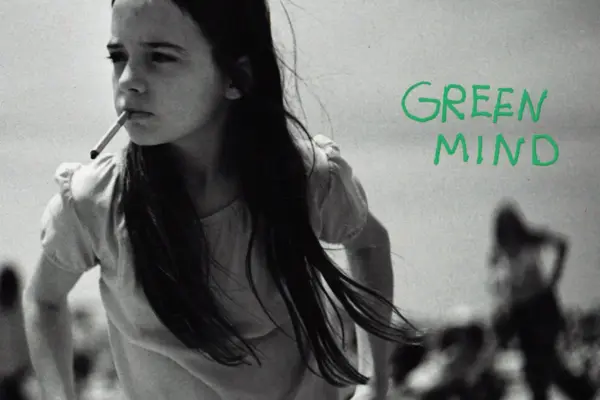
1993: PJ Harvey – Rid of Me
Polly Jean Harvey’s Rid of Me pushed alternative rock toward terrifying extremes of psychological intensity. Undressing complex themes of female sexuality, obsession, and power dynamics with a disquieting, unvarnished honesty, Harvey effortlessly navigated blues, noise rock, post-punk, and garage aesthetics. The dramatic dynamic contrast between hushed, trembling intimacy and explosive, blood-curdling guitar outbursts provided a vital blueprint for future generations of indie-rock singer-songwriters, including Sharon Van Etten, Phoebe Bridgers, and Blondshell.
File Under: Alternative rock, standing tall alongside boundary-pushers like Radiohead, The Breeders, Pixies, and The Smashing Pumpkins.
2001: Life Without Buildings – Any Other City
An undisputed Holy Grail of the post-punk revival, Any Other City and its hypnotic, jittery standout track The Leanover remains a masterclass in tension and release. Sue Tompkins’ unmistakable vocal delivery transformed conversational fragments into hypnotic, rhythmic percussive hits, while the band’s wiry, jagged guitars recalled the avant-garde experimentation of late-70s post-punk. Their singular Sprechgesang style laid the essential groundwork for the modern British art-rock explosion.
File Under: Art rock and post-punk, echoing the foundational lineage of The Fall, Joy Division, Dry Cleaning, and Yard Act.
2003: The White Stripes – Elephant
At a cultural juncture when rock music was calcifying under the weight of glossy, over-produced studio trickery, Jack and Meg White detonated a garage-rock revival with Elephant. Utilizing strictly vintage, analogue equipment and relying on primal, heavy-blues riffs, the duo captured lightning in a bottle. Seven Nation Army evolved instantly into a global stadium anthem, proving that stripped-down minimalism could dominate massive venues while keeping its roots buried deep in the mud of the blues.
File Under: Garage rock, alongside MC5, The Stooges, The Black Keys, and The Sonics.
2013: Arctic Monkeys – AM
AM brilliantly recalibrated indie rock for the streaming generation, dragging traditional British guitar idioms through the sultry swamps of hip-hop beats and R&B grooves. While Alex Turner’s sharp, observational lyricism remained intact, the compositions traded the frantic tempos of their early work for slow-burn, swaggering rhythms and heavy basslines. The result was a crossover phenomenon that globalized indie rock without sacrificing its teeth.
File Under: 2000s indie rock, alongside The Klaxons, The Kooks, Two Door Cinema Club, Franz Ferdinand, and The Vaccines.
2019: Michael Kiwanuka – Kiwanuka
Teaming up with co-producers Danger Mouse and Inflo, Michael Kiwanuka delivered a monumental, Mercury Prize-winning record that defied easy categorization. While rooted in soulful aesthetics, Kiwanuka aggressively pivots through acoustic balladry, fuzzy psychedelic guitar solos, and lush, cinematic 1970s prog-rock orchestration. Its heavy, atmospheric weight earned it critical nods as a masterwork of modern psychedelic-rock evolution.
File Under: Psychedelic rock, alongside Jimi Hendrix, Pink Floyd, Funkadelic (Maggot Brain), and Talk Talk.
2019: Fontaines D.C. – Dogrel
Fiercely poetic and unapologetically working-class, Dogrel injected a vital, literate post-punk energy back into the global consciousness. Drawing inspiration from Dublin’s rich literary history (W.B. Yeats, James Joyce) as well as the uninhibited noise of Gilla Band and the folk-punk romanticism of The Pogues, Fontaines D.C. ignited a massive wave of urgent Irish guitar music. Their subsequent evolution into shoegaze, goth-rock, and trip-hop territories on releases like Romance exemplifies rock’s boundless capacity for reinvention.
File Under: Alt-rock risers, alongside Blondshell, Geese, Wunderhorse, and The Murder Capital.
For listeners looking to expand their sonic palettes beyond traditional boundaries, rock’s vast umbrella encompasses several vital movements that continue to shape modern listening habits:
New Wave: A progressive, highly stylized collision of pop accessibility and punk aggression. Characterized by dark, atmospheric synth-driven melodies (Depeche Mode, New Order, Psychedelic Furs) or energetic, rhythm-heavy pop hooks (Blondie, The Human League, Tears for Fears).
Slacker Rock: Emerged in the early 1990s as a laid-back, lo-fi strain of alt-rock that prioritizes casual delivery and raw guitar work. Spearheaded historically by Pavement and The Lemonheads, and carried forward by modern stalwarts like Courtney Barnett and Mac DeMarco.
Britpop: A massive cultural movement in the mid-90s defined by regional British pride, infectious pop hooks, and colossal commercial sales, championed by Oasis, Blur, Suede, and Lush.
Grunge: The visceral, rain-soaked alternative rock movement born out of Seattle in the early ’90s that weaponized punk’s anti-establishment fury into heavy, sludgy, and emotionally fraught anthems (Nirvana, Pearl Jam, Soundgarden, Hole).
Shoegaze: Characterized by towering walls of fuzzy guitar distortion, shimmering reverb, and ethereal, buried vocals—creating an immersive sonic dreamscape.
Hardcore: A faster, far more aggressive, and intensely physical offshoot of punk that emerged in the early 1980s, experiencing a massive modern renaissance via bands like Turnstile, Speed, and Basement.
Official Statements & Industry Perspectives
"To me, rock music was never meant to be safe. I think there needs to be an element of intrigue, mystery, subversiveness. Your parents should hate it."
— Trent Reznor
"I’m not going to have an alter ego, or become Sasha Fierce or Ziggy Stardust… I can just be Michael Kiwanuka."
— Michael Kiwanuka (The Independent, 2019)
"I think the dancefloor is dead, so now we’re making rock music."
— Charli xcx
Future Outlook: The Unmistakable Spirit
As we look toward the horizon, the traditional signifiers of rock music—weathered leather jackets, overdriven stack amplifiers, and predictable four-piece line-ups—are no longer prerequisites for participation. Rock has successfully transformed from a strict sonic formula into a permanent philosophical stance.
Whether it manifests in the spoken-word poetry of South London’s Windmill scene, the cinematic arrangements of modern psych-soul innovators, or the guitar-inflected experiments of pop heavyweights, rock’s restless energy refuses to be contained. As long as artists maintain the instinct to challenge convention, borrow fearlessly, and make their parents profoundly uncomfortable, the future of rock and roll remains entirely secure.