Executive Overview
Step backward across the vast expanse of time and geography, and you will find yourself in the humid, electric embrace of pre-1975 Saigon. It was a city caught in the crosshairs of profound geopolitical turmoil, yet paradoxically brimming with an avant-garde cultural renaissance. In the dimly lit corners of American GI bars, amplifiers hummed with heavy, fuzzed-out distortion, churning out garage rock, surf riffs, and hypnotic twist beats. Down the boulevard, traditional Cải Lượng folk opera houses echoed with centuries-old melodies, while radios hummed with the romantic, sorrowful strains of nhạc vàng and Vietnamese bolero.
This vibrant, cross-pollinated sonic ecosystem was abruptly silenced following the events of 1975. Western-influenced rock and soul—collectively known as nhạc kích động—was banned outright, relegated to the shadows of memory as the post-war government sought to homogenize the nation’s cultural output. While gentler, traditional nhạc vàng ballads managed a fragmented survival, the searing, psychedelic heartbeat of wartime Saigon was all but erased from the collective consciousness.
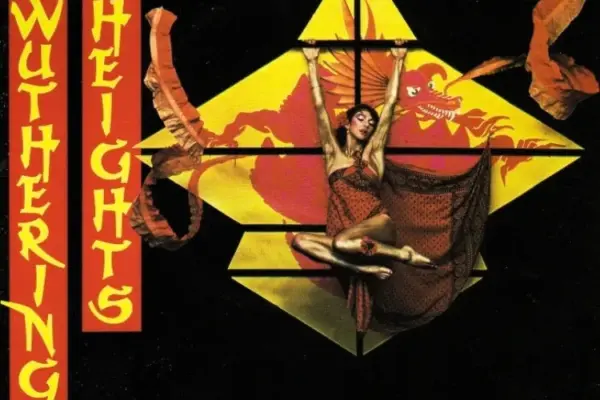
Enter Saigon Soul Revival. Formed in Ho Chi Minh City in 2016 after a handful of musicians stumbled upon the landmark compilation Saigon Rock & Soul: Vietnamese Classic Tracks 1968–1974 via Seattle-based label Sublime Frequencies, the band realized a startling truth: no one was playing this revolutionary music live anymore. What began as a nostalgic tribute project has since evolved into a formidable, genre-defying musical entity. By fusing vintage psychedelic rock, soul, and bolero with traditional Vietnamese instruments like the đàn nguyệt (moon lute), đàn tranh (zither), and đàn bầu (monochord), Saigon Soul Revival has done more than simply recreate the past—they have forged a living, breathing bridge between Vietnam’s suppressed history and its contemporary musical identity.
As the band prepares for their high-profile showcase at WOMEX in Las Palmas de Gran Canaria, followed by an extensive UK and European tour, their mission transcends mere entertainment. They are cultural archeologists and sonic revolutionaries, tasked with returning a forbidden heritage to a younger generation of Vietnamese listeners who are only now discovering the weight of their own roots.
Detailed Chronology: From Archive Discovy to Global Stages
2016: The Spark in Ho Chi Minh City
The genesis of Saigon Soul Revival reads like modern music folklore. In 2016, a collective of international and local musicians living in Ho Chi Minh City encountered Saigon Rock & Soul: Vietnamese Classic Tracks 1968–1974. Struck by the raw, unadulterated power, heavy basslines, and swirling psychedelic guitars of a bygone era, the founding members recognized an urgent cultural vacuum. The vibrant fusion of Western counterculture and traditional Vietnamese sensibilities that once defined Saigon’s nightlife had been entirely scrubbed from public performance. Driven by a shared desire to hear these forgotten anthems ring out across speakers once more, they formed a covers band dedicated to breathing life back into the ghost of nhạc kích động.
2019: Critical Acclaim and Hòa Âm Xưa
What started as a tribute act rapidly mutated into a creative powerhouse. Realizing the limitations of operating solely as a cover band, the members began penning their own original material, channeling the stylistic DNA of 1960s and 70s Saigon into contemporary compositions. In 2019, they released their debut album, Hòa Âm Xưa. The record immediately caught the attention of international tastemakers, earning significant airplay on Iggy Pop’s BBC Radio 6 Music show and France’s prestigious Radio FIP. The world was waking up to the humid, hypnotic pulse of Saigon Soul Revival.
2024–2025: International Expansion and Sync Success
The band’s upward trajectory accelerated exponentially with their sophomore album, Mối Lãng Duyên (2024). The record featured the standout single "Đám Cưới Nhà Em," which secured a coveted sync placement, soundtracking a pivotal scene in HBO’s critically acclaimed historical miniseries The Sympathizer.
The momentum carried them directly onto international festival stages. In December 2024, the band traveled to Rennes, France, during the legendary TransMusicales festival to record a career-defining live session for KEXP at l’Antipode—cementing their status as a global live act capable of translating raw, regional history into universal catharsis.
Fall 2025: Chân Ta Về and the WOMEX Milestone
Marking the next chapter of their evolution, Saigon Soul Revival announced their third studio album, Chân Ta Về (translating to "The Place We Return To"), slated for release via Saigon Supersound. The record expands their sonic palette further, integrating the T’rưng bamboo xylophone and the sáo trúc bamboo flute, alongside guest performances from virtuoso multi-instrumentalist Đinh Nhựt Minh and celebrated saxophonist Trần Mạnh Tuấn.
Following their landmark showcase at WOMEX in Las Palmas de Gran Canaria, the band embarks on an ambitious UK and European tour. The run kicks off at the Musicport Festival in Whitby on October 24, hits London’s iconic Jazz Cafe the following night, and travels through Bristol and Manchester before concluding with a milestone date in Berlin on November 6.
Supporting Context & Metrics: The Anatomy of the Sound
The Lineup and Instrumentation
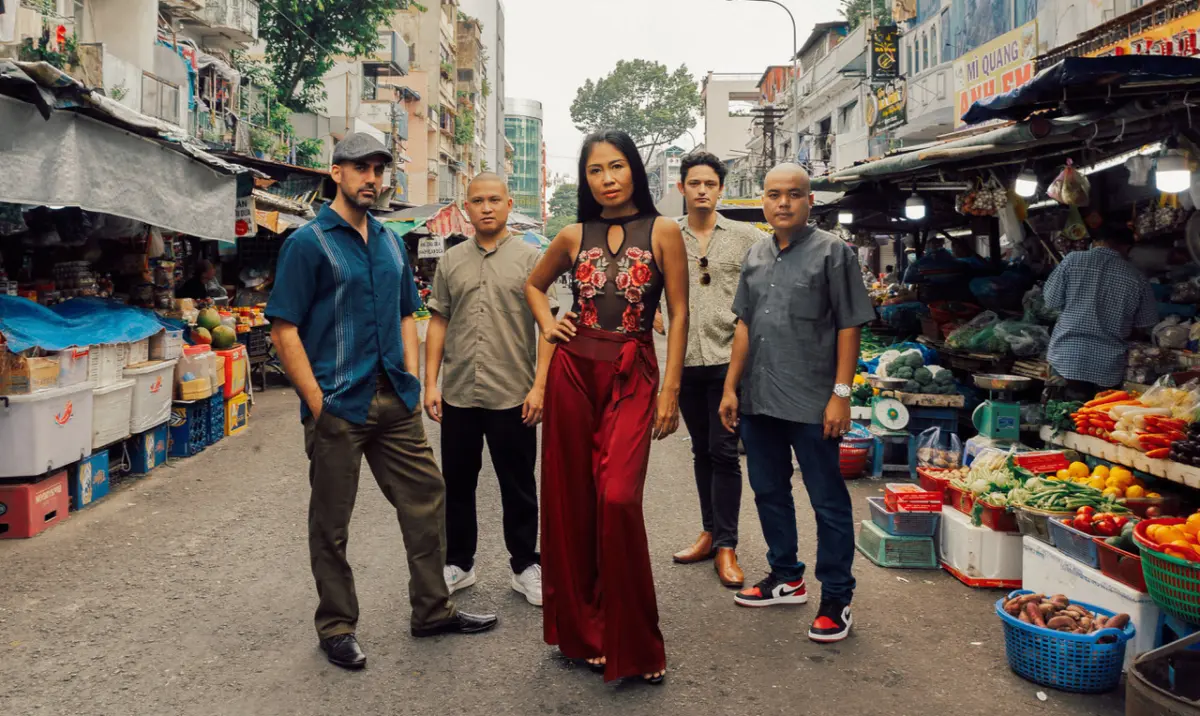
Saigon Soul Revival’s distinct sonic fingerprint relies on a meticulous alchemy of Western rock instrumentation and traditional Vietnamese acoustic artistry. The current roster features:
- Nguyễn Anh Minh (Lead Vocals)
- Indy Jeremy Vinh Laville (Guitar, đàn nguyệt)
- Nguyễn Hoàng Bảo Hiếu (Drums)
- Gabriel Kaouros (Bass, Percussion)
- Đặng Nguyễn Khoa (Keyboards)
- Recurring Guest: Nguyễn Thảo Hải Phương (đàn tranh, đàn bầu)
Cultural and Historical Weight
To understand the gravity of Saigon Soul Revival’s work, one must understand the socio-cultural landscape of South Vietnam prior to 1975. As the band describes it, growing up in Saigon during the late 1960s meant existing within a dizzying multi-generational sensory tapestry:
- Grandparents attended Cải Lượng theaters to experience traditional folk opera.
- Parents sang along to heartfelt nhạc vàng records drenched in the classic Vietnamese bolero style.
- Aunties and uncles danced the cha-cha-cha in downtown ballrooms.
- Teenagers walking to night markets passed American GI bars where local bands played fuzzed-out rock and twist covers for ecstatic crowds.
All of this transpired against the backdrop of a devastating, protracted war. When the conflict ended in 1975, the state-mandated cultural realignment systematically purged foreign-influenced artistic expressions. By unearthing nhạc kích động, Saigon Soul Revival is performing an act of archival reclamation—reconstructing an alternate timeline where Vietnamese popular music was allowed to evolve organically without interruption.
Official Statements: In Their Own Words
Speaking exclusively to Rhythm Passport, the members of Saigon Soul Revival opened up about the complexities of resurrecting a banned heritage, the realities of cultural preservation, and their aspirations for the global stage.
On Recreating the Vibe of Wartime Saigon
"Imagine being a teenager in Saigon, Vietnam in the late 1960s. Your grandparents are at a Cải Lượng theater watching a traditional form of folk opera, your parents are singing along to a heartfelt nhạc vàng record in a typical Vietnamese bolero style, your auntie is going to a ballroom to dance the cha-cha-cha and on your way to the night market you pass by an American GI bar where a Vietnamese band is playing fuzzed out rock and twist songs for a young lively audience. All this while there is a war raging in the country with no end in sight. As a band we try to capture the essence of this period and imagine what it may have been like if the music of that time continued to develop without interruption until the present day."
On Discovering the Lost Archives
"Many classic nhạc vàng songs survived after 1975 and are popular to this day in Vietnam, but the more western influenced dance music, nhạc kích động, which were commonly in the styles of rock, surf, twist and soul were strictly banned and therefore were mostly unknown. When some of the members of SSR came across the compilation ‘Saigon Rock & Soul: Vietnamese Classic Tracks 1968–1974’ we were blown away by the heavy raw sound and were amazed that these old songs were not being performed live to our knowledge, at least not the old versions. This inspired us to look more into such old recordings and start a tribute band to bring that energy back to the stage."
On Moving Beyond Tribute to Original Composition
"Though we started as a tribute band playing cover versions of these old 1960s/70s recordings and trying to really achieve that vintage sound, we eventually started making our own interpretations and ended up writing our own music entirely. In fact most of the songs on our albums are original compositions, many of which incorporate traditional Vietnamese instrumentation and fuse different styles in a very contemporary fashion. We always try to be true to our original inspiration and there are some old songs that are too good not to play, however our live shows and releases mainly consist of original material which we are happy to say has been received very positively."
On Cultural Duty and the Younger Generation
"We live in a very modern technological age where young people are increasingly valuing superficial entertainment and material wealth more than real culture. We hope to encourage the youth around the world to see the value in live performances and we especially wish to inspire our younger Vietnamese listeners to feel proud of their heritage, to appreciate and seek the roots of their culture. That is truly something worth valuing."
On the Meaning Behind Chân Ta Về
“Chân Ta Về does not only refer to a literal home or country. The songs on the album tell different stories including ones of love, loss, resilience and acceptance. It’s not so much a matter of identity but a reference to finding our internal peace and our place in this world, no matter what the circumstances.”
Future Outlook
As Saigon Soul Revival steps into the international spotlight at WOMEX 2026 in Las Palmas de Gran Canaria, they carry the hopes of an underrepresented musical diaspora. Vietnam’s contemporary music industry rarely occupies space on the global world-music circuit, making the band’s presence in the Canary Islands—and their subsequent UK and European tour—a landmark moment for cultural diplomacy.
The release of Chân Ta Về signals a maturation of their sound. Rather than remaining static custodians of a 1970s archive, Saigon Soul Revival is aggressively pushing the boundaries of what Vietnamese psych-rock can achieve. By weaving indigenous bamboo instruments like the T’rưng and sáo trúc into heavy, contemporary grooves, they are writing a new chapter for a musical lineage that was violently cut short fifty years ago.
For audiences in Las Palmas, Whitby, London, Bristol, Manchester, and Berlin, the invitation is clear: step into the humid, electric atmosphere of a lost Saigon. Let go of preconceptions, immerse yourself in the fuzz, and witness a band that has successfully reclaimed history, transforming the ghosts of the past into an undeniable, forward-marching rhythm for the future.