By Tom Maher
Published: September 3, 2026
Executive Overview
The Women’s Super League (WSL) returns for the 2026/27 campaign boasting unprecedented expansion, heightened stakes, and a global influx of world-class talent that cements its status as the premier domestic competition in women’s football. This season introduces structural enhancements designed to increase competitive intensity, including a return to automatic relegation slots and an expanded fixture calendar that promises more high-stakes local derbies than ever before.
At the summit of the English game, the balance of power is shifting. Manchester City enter the new term as defending champions under the shrewd stewardship of Andrée Jeglertz, looking to ward off a bruised yet aggressive Chelsea side now operating under the tactical blueprint of Sonia Bompastor. Meanwhile, Arsenal have fortified their ranks to convert narrow draws into title-winning consistency.
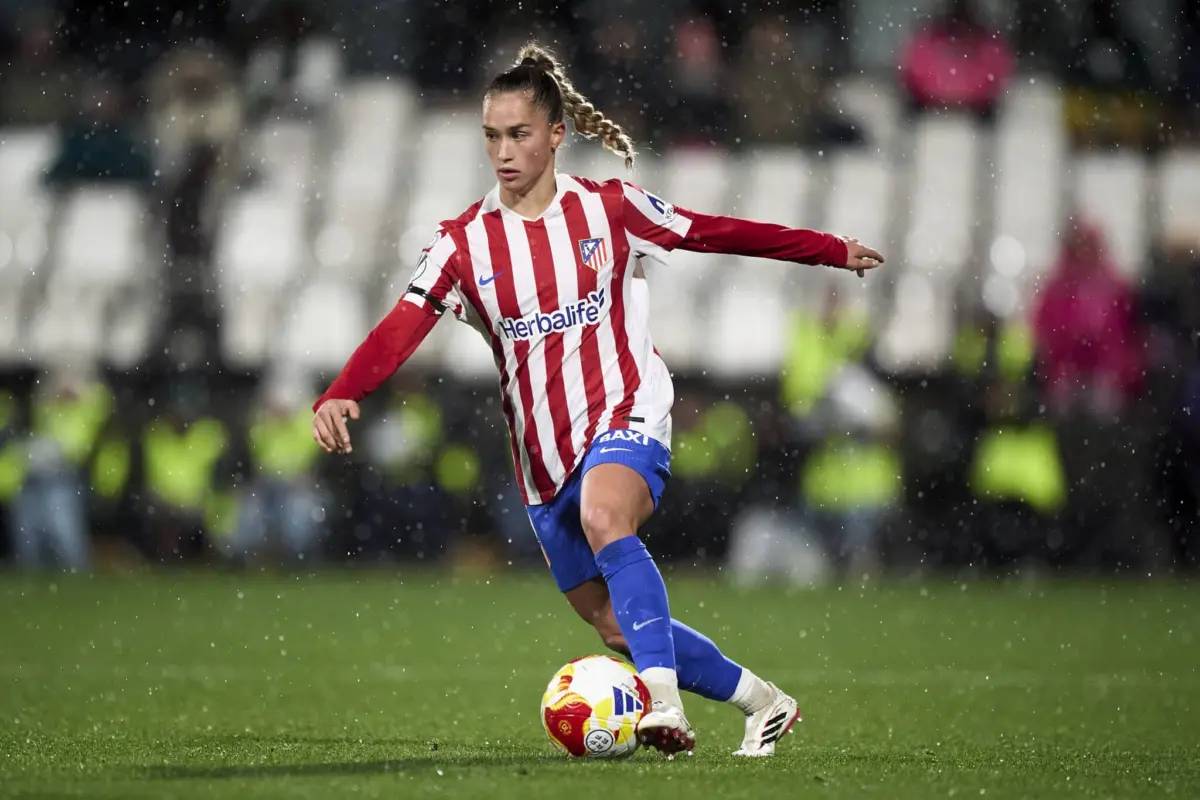
Beyond the established ‘Big Three’, the landscape of the league has been violently disrupted. Manchester United face a period of recalibration under newly appointed manager Eva Olid amid ownership and strategic shifts. Tottenham Hotspur are seeking to build on an impressive fifth-place finish, while ambitious newcomers London City Lionesses have captured the imagination of the global footballing ecosystem through staggering financial investment and statement acquisitions.
As the curtain rises on the 2026/27 season, the narrative is not merely about who will lift the trophy in May, but how a rapidly professionalising ecosystem adapts to the crushing demands of domestic dominance, European expansion, and an unforgiving international schedule.
Detailed Chronology: The Summer That Shook the WSL
The months preceding the 2026/27 campaign have played host to one of the most volatile and high-profile transfer windows in football history, fundamentally altering the trajectory of multiple clubs before a ball was even kicked.
June 2026: The Management Carrousel and Structural Shifts
The early summer was defined by seismic managerial departures. Marc Skinner’s tenure at Manchester United came to an unceremonious end following friction regarding strategic direction and investment parameters under INEOS. United’s pivot toward youth development—typified by the departure of French striker Melvine Malard to rivals Chelsea—sent shockwaves through the fan base.
By mid-June, United secured the services of Eva Olid. Fresh off leading Hearts to a historic Scottish Women’s Premier League title, Olid inherited a squad stripped of veteran security and faced with a brutal opening-day fixture against the newly monied London City Lionesses.
July 2026: Blockbuster Arrivals and the Putellas Earthquake
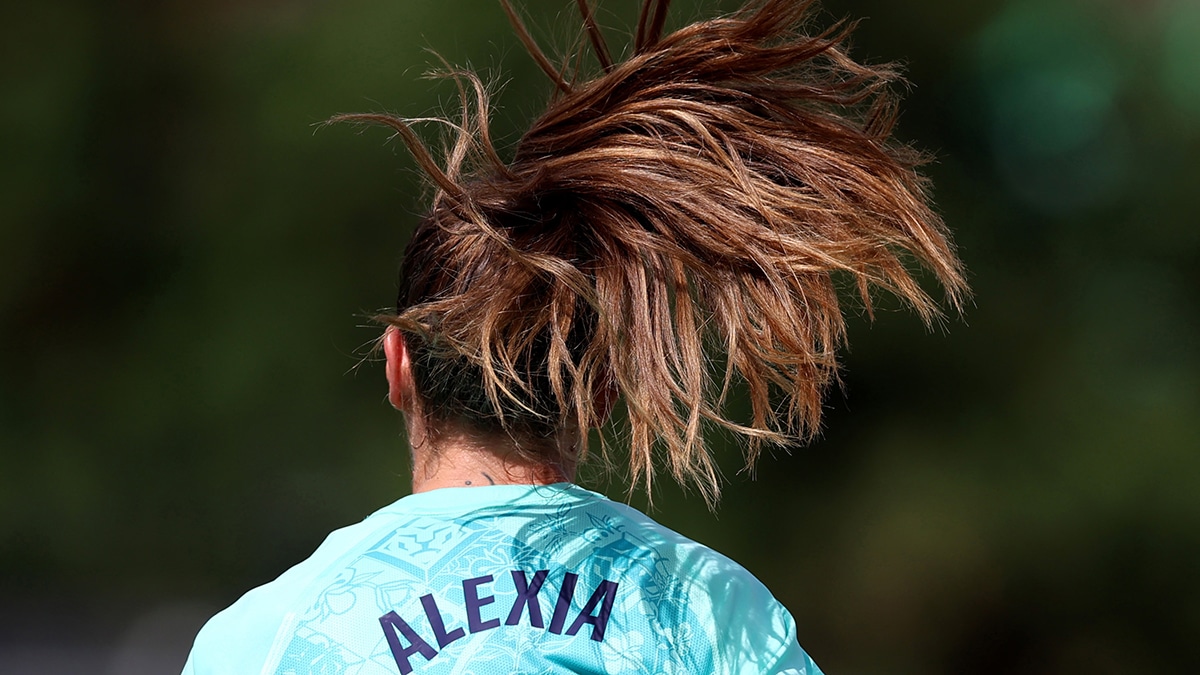
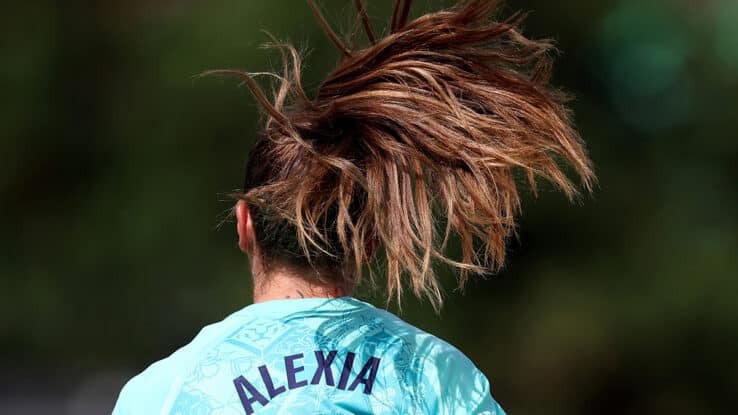
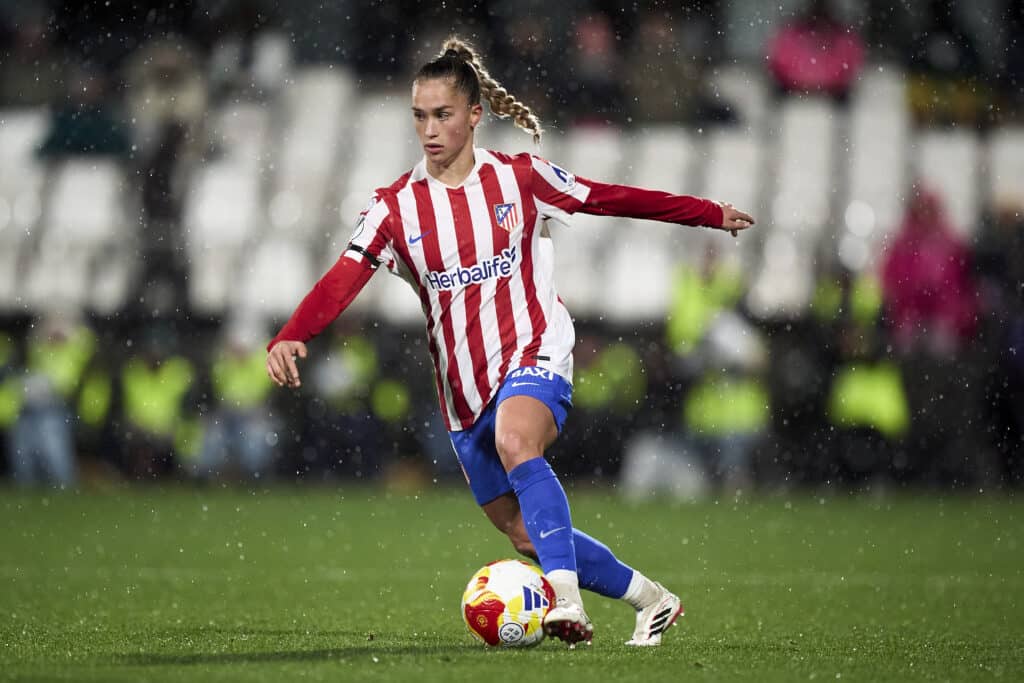
As pre-season training commenced, the market reached a fever pitch. The defining moment of the summer arrived when Michelle Kang’s London City Lionesses orchestrated the most astonishing coup in WSL history, unveiling two-time Ballon d’Or winner Alexia Putellas live on YouTube. The Bromley-based club quickly compounded this shock by securing Putellas’ long-time Barcelona defensive partner, Mapi León, alongside French icon Kadidiatou Diani and former Paris goalkeeper Mary Earps.
Simultaneously, traditional powerhouses flexed their financial and persuasive muscles. In arguably the most controversial cross-town switch of the modern era, Republic of Ireland captain Katie McCabe opted to sever her storied ties with Arsenal, trading red for blue to join Sonia Bompastor’s Chelsea. Arsenal mitigated this loss through elite recruitment of their own, bringing in Bayern Munich midfielder and England stalwart Georgia Stanway, alongside world-class full-back Ona Batlle from Barcelona.
Supporting Context & Metrics: Tactical Breakdowns and Contender Profiles
1. Manchester City: Defending the Crown
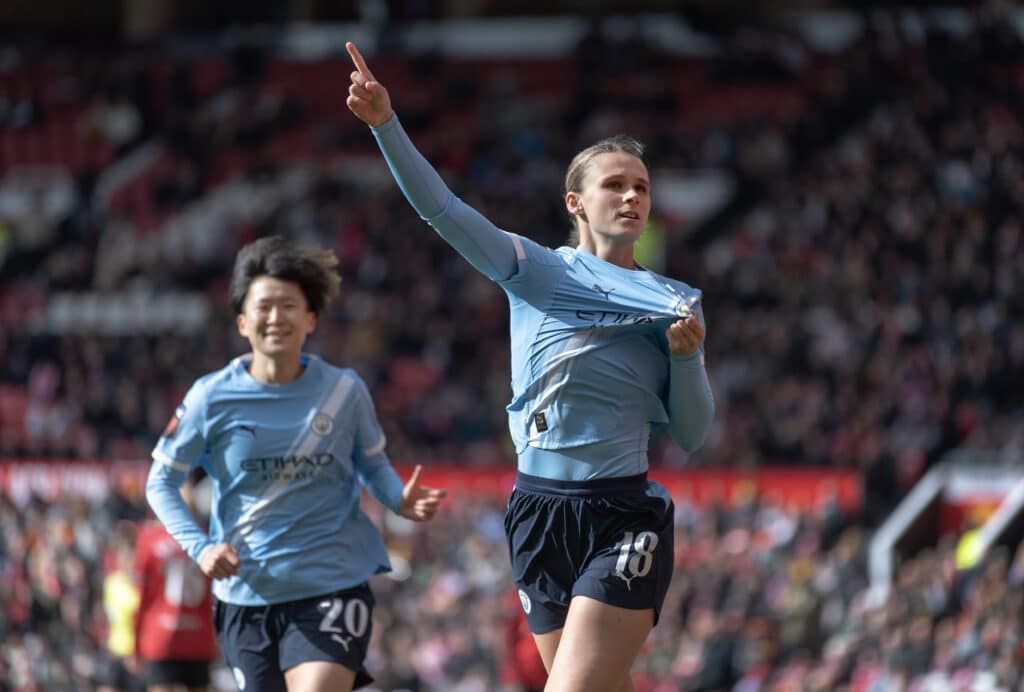
When Manchester City secured the WSL title in May 2016, few anticipated it would take a decade to repeat the feat. Yet, Andrée Jeglertz’s masterclass last term—fuelled by a blistering 13-match winning streak and a domestic double—broke the drought.
- Key Statistical Driver: City’s set-piece dominance was absolute last season, converting 17 goals from dead-ball situations (the next highest team managed just eight).
- Star Performers: Golden Boot winner Khadija “Bunny” Shaw remains the league’s most lethal apex predator, becoming the first player to surpass 20 goals in three distinct WSL campaigns. Flanked by creative powerhouse Lauren Hemp and assist machine Kerstin Casparij, City possess terrifying offensive depth.
- The Challenge: The departure of the wantaway Kerolin to Barcelona is softened by the arrivals of Beth Mead and Niamh Charles. However, the physical and psychological demands of the UEFA Women’s Champions League will test Jeglertz’s squad management to its absolute limit.
2. Chelsea: The Pursuit of Vengeance
Six years of domestic hegemony were brought to an end last season, but Chelsea’s response has been characteristically ruthless.
- Strategic Evolution: Following the post-Emma Hayes transition, manager Sonia Bompastor has reloaded the squad with elite profile signings: Katie McCabe, Melvine Malard, and young Italian prodigy Giulia Dragoni.
- Infrastructure Boost: The Blues will play all their home fixtures at Stamford Bridge for the 2026/27 season, a move designed to institutionalise matchday revenue growth and elevate player motivation.
3. Arsenal: Eradicating the Draws
Renée Slegers’ Gunners boasted the tightest defensive unit in the division last season, conceding a miserly 14 goals. However, six costly draws prevented them from converting defensive resilience into championship gold.
- Recruitment Focus: By adding Ona Batlle, Georgia Stanway, and Bundesliga standouts Geraldine Reuteler and Selina Cerci, Arsenal have constructed a squad with exceptional tactical flexibility.
- Prerequisite for Success: Retaining the fitness of captain Kim Little and vice-captain Leah Williamson is non-negotiable if marquee attackers Mariona Caldentey and Alessia Russo are to fire the Gunners to their first title since 2018/19.
4. The Mid-Table Battleground: United, Spurs, and the Lionesses
- Manchester United: Plagued by an unbalanced summer and an unproven pre-season under Eva Olid, United must rely on the resilience of core figures like Phallon Tullis-Joyce, Maya Le Tissier, and Ella Toone to navigate a transitional year.
- Tottenham Hotspur: Martin Ho’s side continues to punch above their weight. Following a stellar fifth-place finish, Spurs added WSL Golden Boot challenger Kirsty Hanson from Aston Villa and French defender Alice Sombath to maintain their upward trajectory.
- London City Lionesses: Backed by limitless ambition under Michelle Kang, Eder Maestre faces the ultimate managerial challenge: transforming a galaxy of superstars—featuring Putellas, León, Earps, and Diani—into a cohesive unit capable of crashing the top four at the first time of asking.
Official Statements and Industry Perspectives
The unprecedented financial scaling of the league and the influx of global superstars have prompted widespread commentary from key stakeholders across English football.
Reflecting on the shifting competitive landscape and the arrival of global icons like Alexia Putellas, league administrators have emphasized the commitment to sustainable growth alongside elite performance. While clubs invest heavily in multi-million-pound rosters and stadium migrations, the focus remains firmly on elevating the matchday experience for supporters.
Speaking on the challenges of managing multi-competition squads, champions Manchester City emphasized the necessity of squad depth:
"Winning the double was a monumental achievement for this club, but the standards of the WSL rise exponentially every single season. To compete on multiple fronts—domestically and in Europe—requires a collective effort from every player in our building. We are ready for the challenge."
Conversely, the ambitious project at London City Lionesses has drawn both admiration and scrutiny from rival executives. Addressing the pressure of instant expectations, club hierarchy noted:
"Our ambition is clear, transparent, and unapologetic. Bringing world-class talents to this club is just the first phase. The objective is to establish a winning culture that resonates globally while deeply respecting the community we represent."
Future Outlook: What to Watch in 2026/27
As the 2026/27 WSL season officially gets underway, several existential storylines will dictate the narrative arc of the coming months:
- The Title Race Dynamics: Can Manchester City successfully balance domestic defence with European aspirations, or will Sonia Bompastor’s revamped Chelsea reclaim their throne? Keep a close eye on the early-season fixtures, where Arsenal face a brutal opening run against City, Chelsea, and United.
- The Impact of Global Icons: The performances of Alexia Putellas at London City Lionesses and Katie McCabe in Chelsea blue will serve as a bellwether for the league’s growing pulling power. Their integration will be heavily scrutinised by tacticians across Europe.
- The Relegation Battle: With the reintroduction of an automatic relegation slot, the bottom half of the table is more perilous than ever. Clubs operating with tighter budgets must find innovative tactical solutions to survive against an increasingly stratified financial elite.
Ultimately, the 2026/27 WSL season promises to be a watershed moment for the sport—a campaign defined by tactical sophistication, elite athleticism, and unpredictable drama from the first whistle to the last.