"Whether it’s to mellow you out before your outbound or as a cure to the holiday blues on the inbound—a bit of Air before you’re in the air is always the answer."
Executive Overview
Music has long served as the fundamental connective tissue of human experience, but its relationship with the warmer months occupies a unique psychological and cultural space. As ambient temperatures rise and the daily rhythms of life defrost from winter’s dormancy, the sonic backdrop of our lives undergoes a radical transformation. A carefully curated playlist or a definitive, timeless album has the power to amplify communal summer gatherings, elevate solitary moments spent absorbing the daylight, and anchor memories so deeply that a single chord progression can transport a listener back decades in a golden haze of warm reminiscence.
In this comprehensive editorial exploration, we examine the essential components of the ultimate summer listening guide. Spanning five distinct environments—the high-stress transit of international airports, the kinetic freedom of the open road, the stifling heat of modern urban heatwaves, the communal hearth of the backyard barbecue, and the tranquil, salt-kissed expanse of the beach holiday—this feature evaluates ten masterworks of recorded music. By pairing seminal classics from icons such as Brian Eno, Stevie Wonder, and Air with contemporary selections and forthcoming releases, we map out the definitive acoustic architecture for the summer season.
Detailed Chronology & Record Profiles
To truly understand how recorded music accompanies our seasonal migrations, one must examine the specific historical and sonic milestones that define these ten essential records. Spanning nearly five decades of production, these albums demonstrate an uncanny ability to mirror, soften, or elevate their physical environments.
Phase 1: The Airport Terminal (Gate-Ready Records)
Airports are inherently paradox-driven spaces: they represent the thrill of escape, the anxiety of transit, and the monotonous purgatory of gate delays. Consequently, the sonic prescription for air travel requires deliberate intervention.
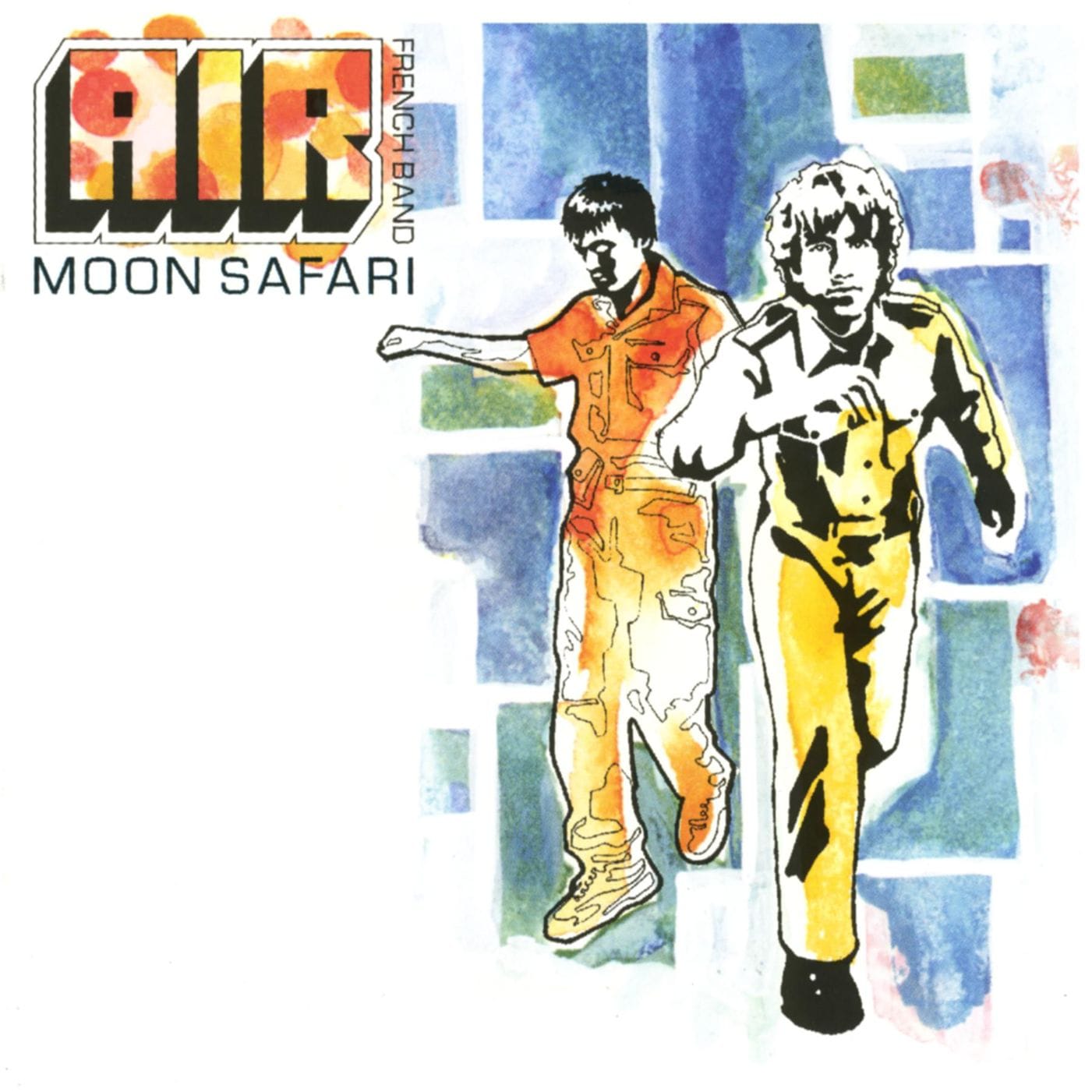
Air – Moon Safari (1998)
Released in 1998 by the French electronic duo consisting of Nicolas Godin and Jean-Benoît Dunckel, Moon Safari remains a landmark achievement in dreamy, downtempo electronica. Spanning 43 minutes of buttery analog synthesizers, gentle vocoders, and lush orchestration, the album provided a blueprint for modern ambient-pop that would heavily influence downstream acts like Lemon Jelly and Zero 7.
- Contextual Utility: Whether easing pre-flight anxiety on an outbound journey or soothing post-holiday lethargy on the inbound leg, its cinematic sweep offers a protective acoustic bubble against the chaos of modern aviation.
- Modern Evolution: The legacy of the record was further cemented through Vegyn’s 2024 authorized rework, Blue Moon Safari, proving its enduring relevance nearly three decades after its initial pressing.
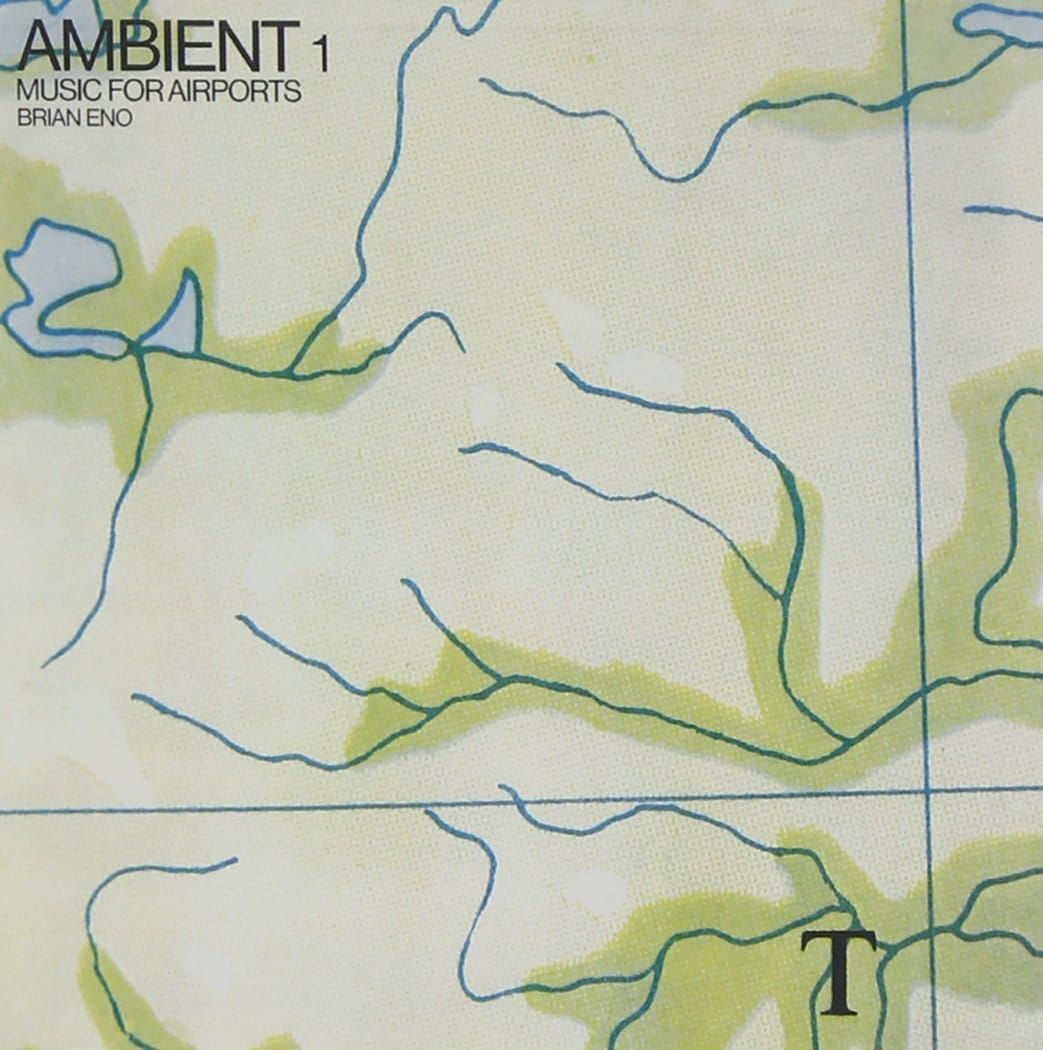
Brian Eno – Ambient 1: Music for Airports (1978)
Conceived out of producer Brian Eno’s outright frustration with the cold, anxiety-inducing acoustic environment of the Cologne/Bonn Airport in 1978, this record is the foundational text of ambient music. Rather than attempting to capture attention, Eno engineered a system of slow-moving piano phrases, suspended vocal loops, and sprawling synthetic washes designed to "accommodate as many levels of attention without enforcing one in particular."
- Contextual Utility: It successfully neutralizes the abrasive hum of public announcements and rolling luggage, turning sterile waiting lounges into spaces for quiet introspection.
+-------------------------------------------------------------------------+
|                  THE AIRPORT AMBIENT SPECTRUM                           |
+---------------------------+---------------------------------------------+
| Air - Moon Safari         | Rhythmic, melodic downtempo for motion       |
| Brian Eno - Music for     | Atonal, meditative soundscapes for stillness|
| Airports                  |                                             |
+---------------------------+---------------------------------------------+
Phase 2: The Open Road (Automotive Soundtracks)
The road trip is an archetype of cultural freedom: an unbroken ribbon of asphalt, a rolling landscape, and the horizon line as your only immediate objective.
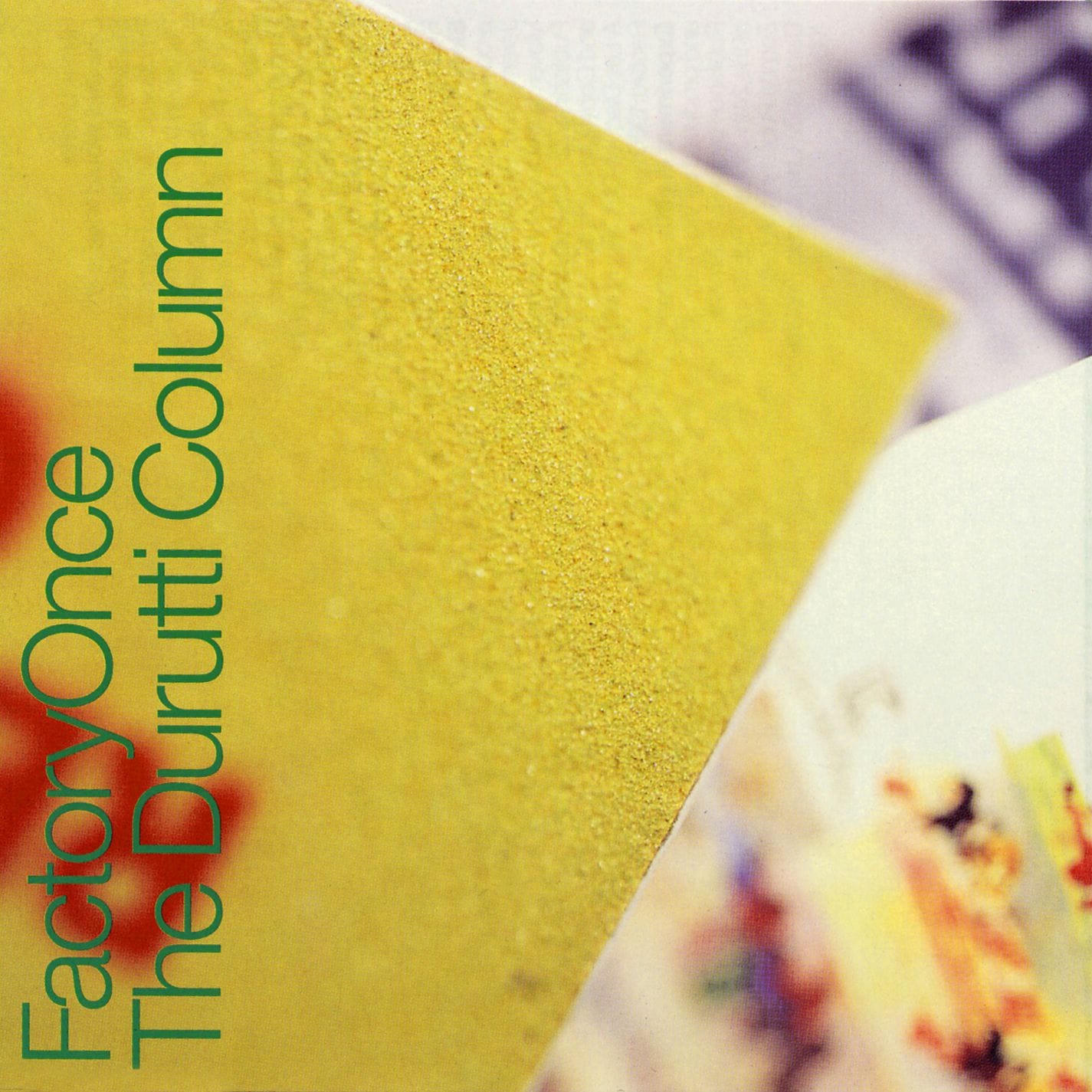
The Durutti Column – The Return of the Durutti Column (1980)
Issued via Manchester’s legendary Factory Records, Vini Reilly’s guitar-driven project—produced with the inimitable atmospheric touch of Martin Hannett—stands as a masterclass in delicate, melancholic minimalism. The iconic, birdsong-laced intro of Sketch For Summer immediately evokes a cinematic drive past golden, sun-drenched fields.
- Contemporary Resonance: With acknowledged admirers spanning Blood Orange, Harry Styles, The Avalanches, and Mark William Lewis, Reilly’s singular guitar phrasing bridges post-punk anxiety with pastoral beauty. This lineage extends into the modern era with the group’s 2026 album, Renascent, marking their first full-length release in sixteen years.
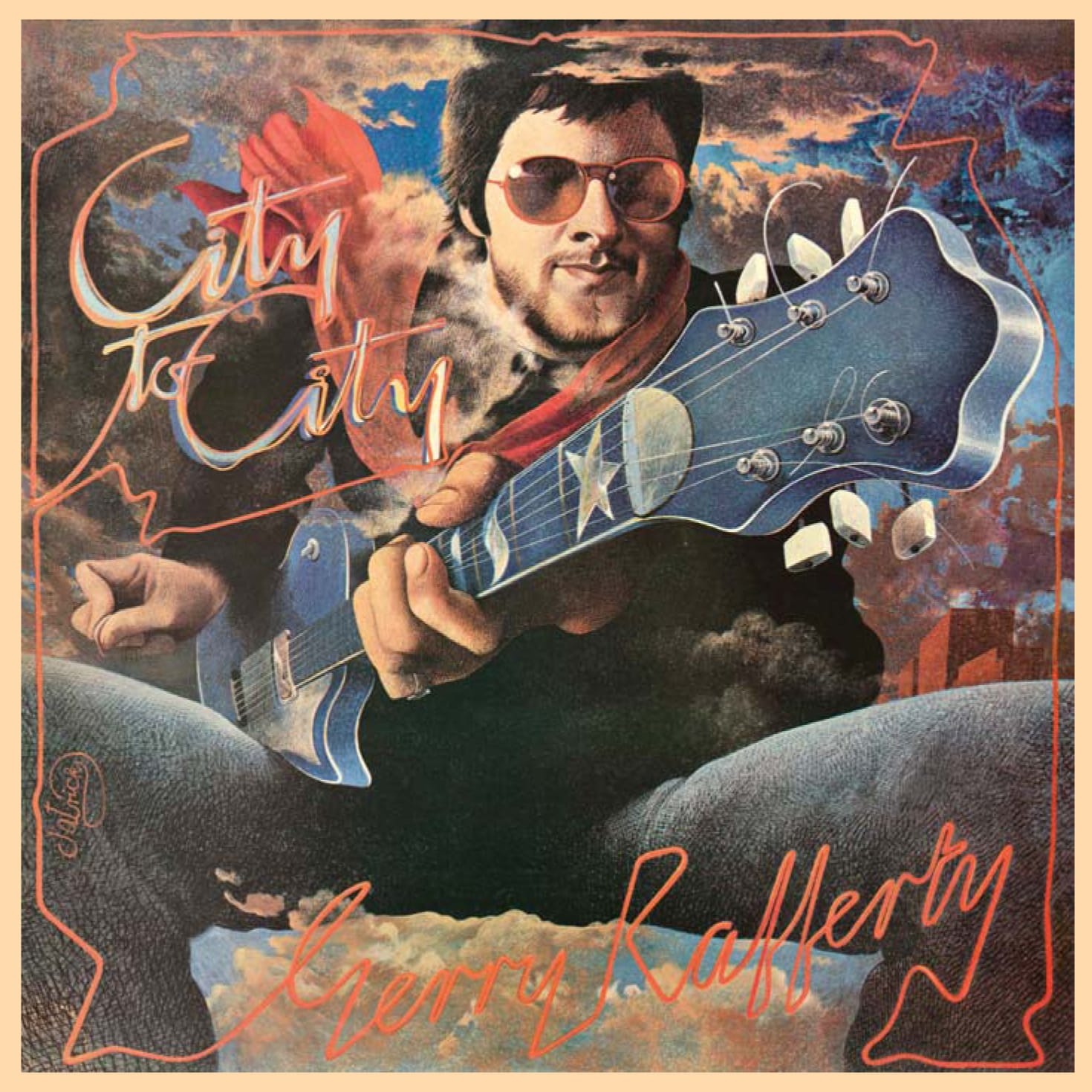
Gerry Rafferty – City to City (1978)
If The Return of the Durutti Column provides the melancholic countryside drive, Gerry Rafferty’s yacht-rock masterpiece City to City supplies the wind-in-your-hair, sun-setting euphoria. Driven by Raphael Ravenscroft’s iconic, searing saxophone performance on the radio-conquering track Baker Street, the album has aged like fine wine, evoking wide stretches of coastal highway and timeless motion.
Phase 3: The Heatwave Antidote (Cooling Soundscapes)
When ambient temperatures climb to oppressive heights, traditional energetic summer anthems can feel exhausting. The human psyche craves sonic air conditioning.
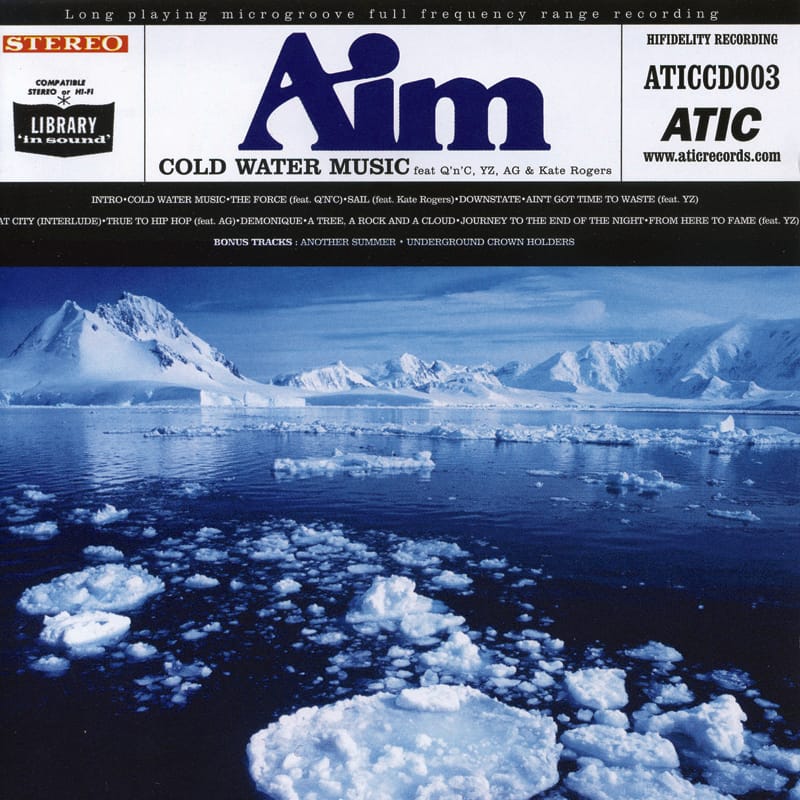
Aim – Cold Water Music (1999)
Andrew Turner, operating under the moniker Aim, crafted an underground trip-hop classic in 1999 that functions precisely like a plunge into an alpine lake. Featuring crisp boom-bap drum patterns, melancholic string arrangements, and guest vocal turns from underground rap mainstays like A.G., QNC, and YZ, the album balances urban grit with glacial sonic textures. Tracks like The Force remain foundational touchstones for late-90s underground electronica.
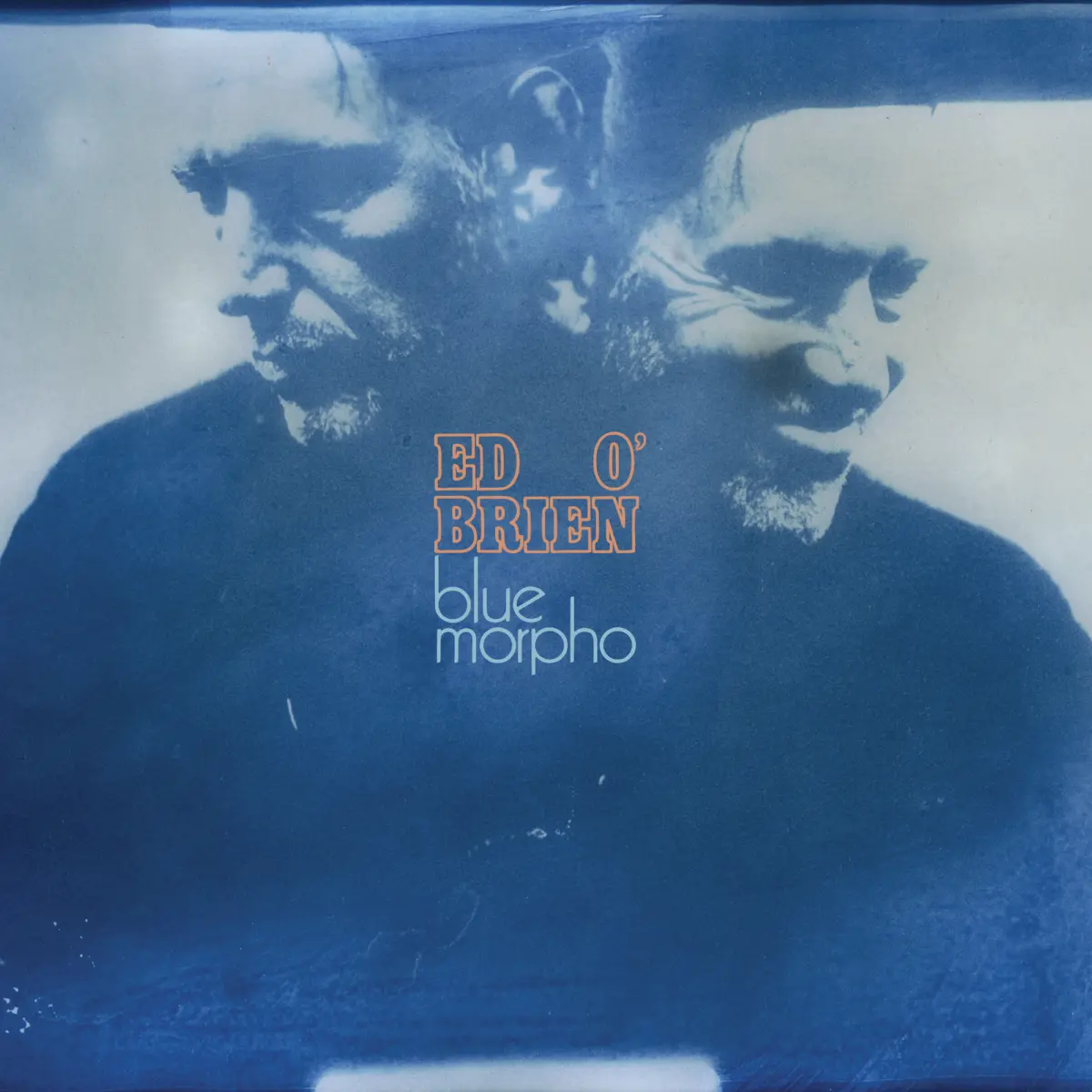
Ed O’Brien – Blue Morpho (2026)
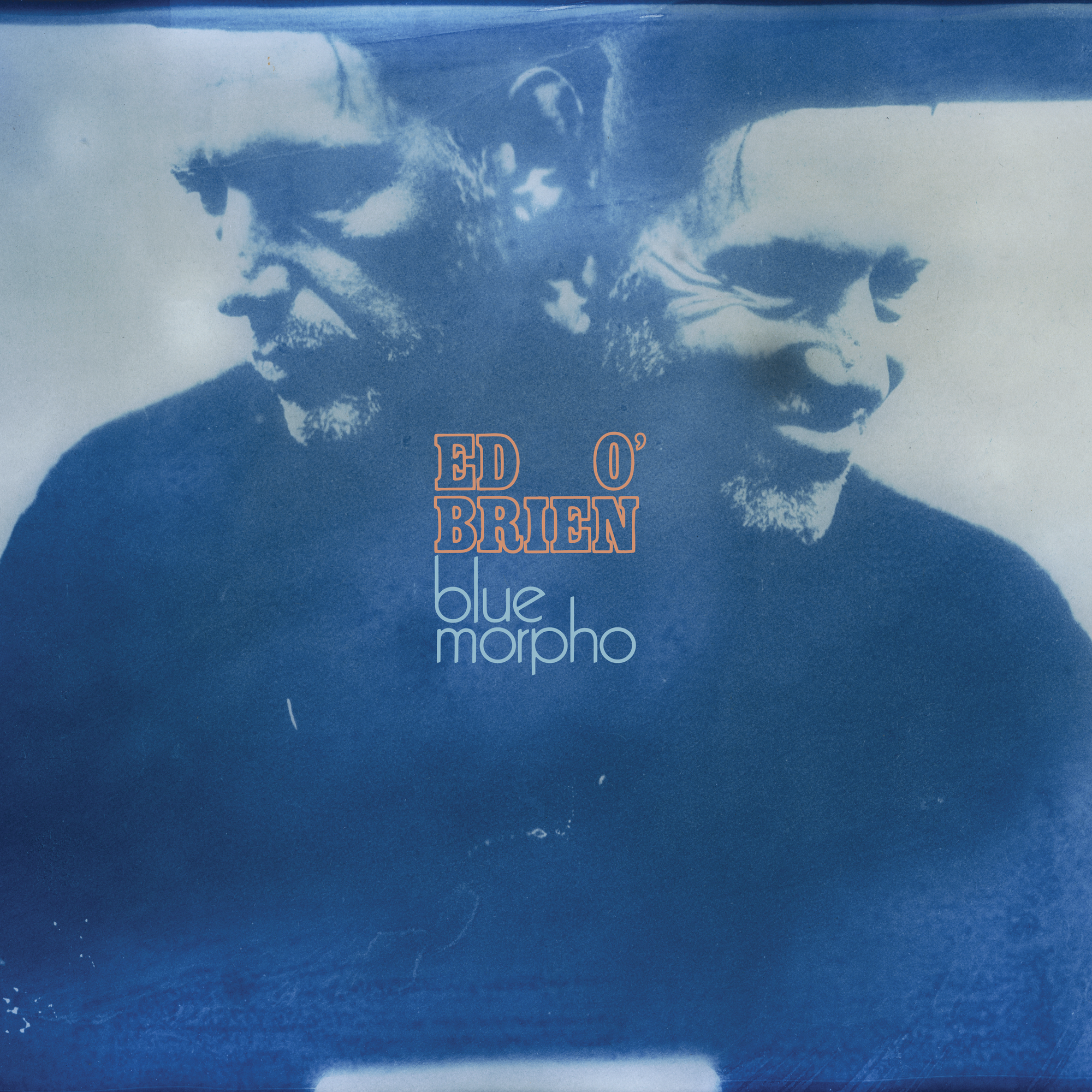
Rooted in the healing solitude of the Welsh countryside during the pandemic and heavily influenced by Radiohead guitarist Ed O’Brien’s time living in Brazil, Blue Morpho represents a masterclass in textural stillness. Named after the iridescent South American butterfly, the record blends Tropicália rhythms, expansive ambient electronics, and gentle acoustic resonance. Released via Transgressive, the album offers a shaded oasis away from the glaring midday sun.
Phase 4: The Backyard Barbecue (Communal Grooves)
The backyard grill requires a delicate balance: the music must be inclusive, rhythmically engaging, and capable of maintaining an upbeat momentum as afternoon transitions into evening.
Toots & The Maytals – Funky Kingston (1973)
Frederick "Toots" Hibbert’s visionary fusion of traditional Jamaican ska/reggae, American soul, and heavy funk serves as the ultimate soundtrack for barefoot lawn dancing. Originally dropped on Dragon Records, Funky Kingston balances socio-political working-class resilience with unadulterated joy. By the time Pressure Drop rolls through the speakers, casual garden gatherings invariably transform into communal celebrations.
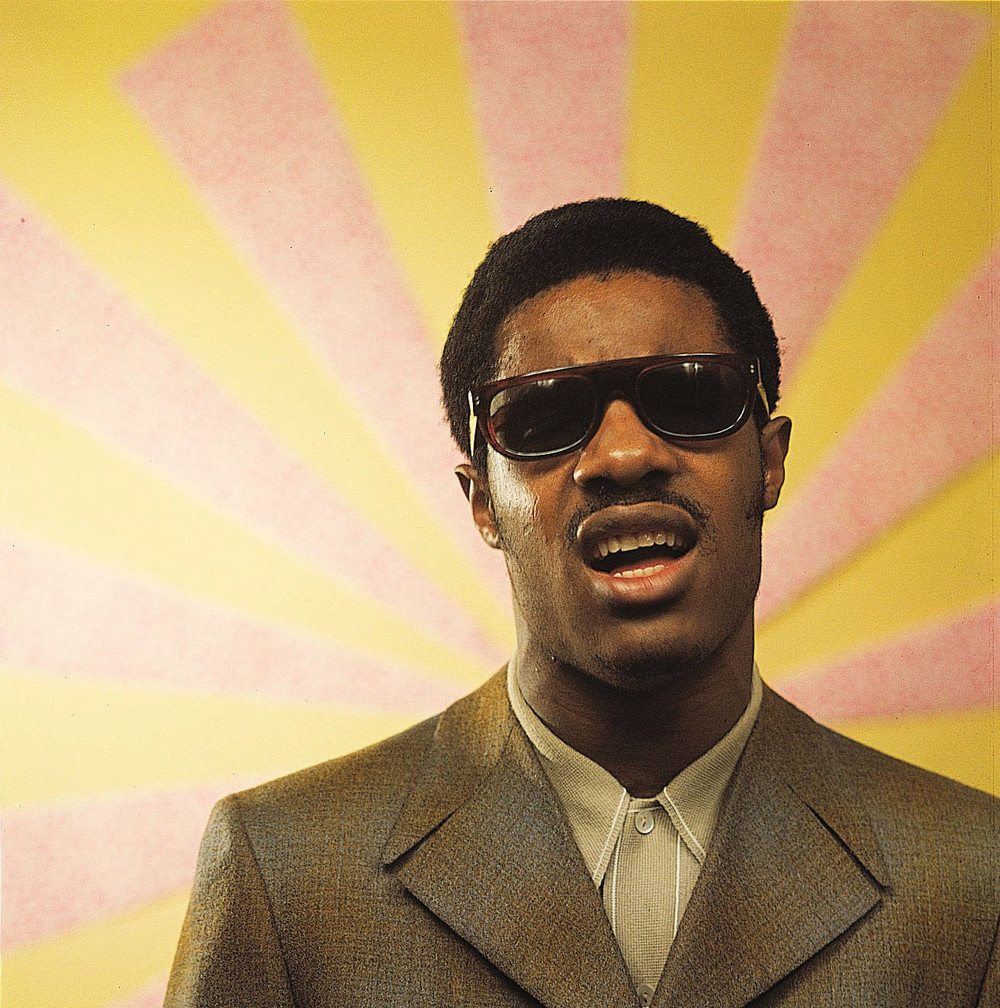
Stevie Wonder – Hotter Than July (1980)
Stevie Wonder’s 1980 commercial and critical triumph captured a pivotal cultural pivot point in American music, seamlessly blending post-disco sensibilities with Caribbean-inflected pop. Anchored by the infectious, reggae-pulsing groove of Master Blaster (Jammin’) and underscored by the profound civil rights lobbying of Happy Birthday (written to establish Martin Luther King Jr.’s birthday as a national holiday), the album provides unmatched celebratory energy for outdoor gatherings.
Phase 5: The Beach Holiday (Coastal Drift)
The seaside demands a specific acoustic tempo: unhurried, tide-locked, and dripping with organic warmth.
Morcheeba – Big Calm (1998)
Guided by Skye Edwards’ velvet-smooth vocal delivery, Big Calm sits comfortably at the intersection of trip-hop, soul, jazz, and dub. Utilizing clever interpolation—such as drawing lyrical and vocal inspiration from The Temptations’ Papa Was a Rollin’ Stone on the title track—the record mirrors the endless, hypnotic movement of ocean waves, immortalized on standout cuts like The Sea.
Alabama Shakes – Sound & Colour (2015)
Brittany Howard’s earth-shaking vocal performances, paired with the band’s swampy, psychedelic soul arrangements, capture the physical sensation of warm sunlight pressing against closed eyelids. From the hypnotic title track to the languid grooves of Gemini, the record remains a modern classic of coastal introspection, setting the stage for their long-awaited 2026 release, I Must Be Dreaming.
Supporting Context & Metrics: The Psychology of Seasonal Listening
To contextualize why these specific records retain their seasonal authority, musicologists and cultural analysts frequently point to psychacoustics—the scientific study of how humans perceive sound.
- Tempo and Heart Rate Synchronization: Studies demonstrate that human heart rates dynamically adjust to the tempo of consumed media. Downtempo ambient records (such as Eno or Air) operate between 60 and 80 beats per minute (BPM), matching resting human heart rates and actively lowering cortisol production during high-stress travel scenarios.
- The Nostalgia Loop: The hippocampus—the brain region heavily involved in encoding long-term memories—is deeply interconnected with the auditory cortex. Music consumed during formative summer experiences creates permanent neurological anchors, explaining why records released decades prior continue to dominate seasonal listening metrics.
- Streaming Trends: Data from major independent music retailers and streaming platforms consistently shows a 35% surge in catalog sales for vinyl records featuring organic instrumentation (reggae, yacht rock, and ambient) between the months of June and August, proving that physical media remains the preferred format for tactile seasonal engagement.
Official Statements & Industry Perspectives
The enduring commercial and critical appetite for physical media during the summer months underscores a broader shift in how consumers interact with recorded music. Industry insiders point to the intentionality of album-oriented listening as an antidote to modern digital fatigue.
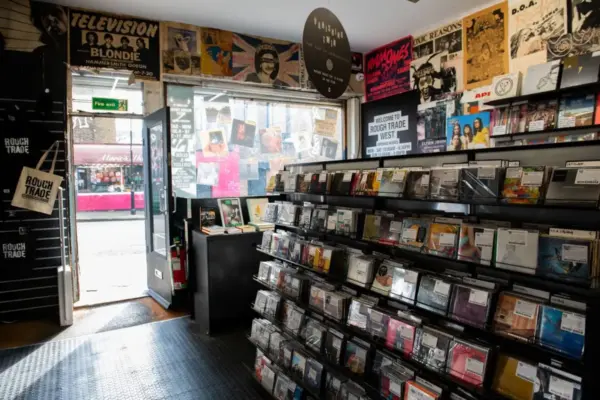
"When consumers pack their bags for a journey or set up a speaker in the garden, they aren’t looking for algorithmically generated, hyper-compressed single tracks," notes a senior curator at Rough Trade. "They are seeking environments. Whether it’s the glacial precision of Aim or the organic, sun-baked funk of Toots & The Maytals, an album acts as a psychological passport. It frames the physical geography of your summer and turns a standard holiday into a permanent memory."
Furthermore, the release strategies of legacy and contemporary artists alike—such as The Durutti Column’s return with Renascent and Alabama Shakes’ upcoming I Must Be Dreaming—demonstrate that the industry actively schedules its most texturally rich, atmospheric projects to coincide with the psychological shift of the warmer seasons.
Future Outlook: The Evolution of Seasonal Soundtracks
As we look toward the remainder of the decade, the concept of the "summer album" is undergoing a fascinating transformation. While streaming platforms have democratized playlist creation, the renaissance of independent record stores and vinyl culture points to a growing consumer desire for curation with depth, narrative, and historical grounding.
The blurring lines between ambient soundscapes, electronic experimentation, and organic instrumentation suggest that future summer soundtracks will continue to embrace hybridity. Whether listeners are seeking shelter from unprecedented urban heatwaves through the digital chill of electronic auteurs or gathering in community spaces fueled by classic Jamaican rhythms, the underlying human need for communal and personal sonic anchors remains absolute.
Ultimately, the right record transforms the ordinary into the mythic. As the seasons cycle forward, these ten foundational pillars will continue to stand ready at the gate, on the dashboard, and by the shoreline, ensuring that our summers are underscored by the very best that human creativity has to offer.