Executive Overview
The intersection of celebrity, public scrutiny, and profound personal tragedy creates an unforgiving landscape for those in the spotlight. For Kelly Osbourne, the months following the death of her legendary father, Black Sabbath frontman Ozzy Osbourne, proved to be an overwhelming crucible. At 41 years old, the television personality and former The View co-host found herself battling severe physical depletion brought on by deep emotional trauma.
In a candid and raw series of revelations, Osbourne admitted that she had "no idea" how dangerously thin she had become while grieving her father. Amid rampant internet speculation, fierce public debates over weight-loss medications, and well-meaning concerns from family and friends, Osbourne remained blind to her physical decline. It was only during a routine dress fitting ahead of the Grammy Awards in January that a shocking photograph forced her to confront a stark reality: she was severely unwell, consumed by grief, and suffering from a level of weight loss that she herself described as terrifying.
This comprehensive report examines the timeline of events surrounding Kelly Osbourne’s recent physical transformation, the profound impact of Ozzy Osbourne’s passing, the psychological phenomenon of anticipatory grief, and the wider cultural discourse on celebrity bodies, mental health, and modern weight-loss aids like Ozempic.
Detailed Chronology: From Final Farewells to the Grammy Shock
The Decline and Passing of a Heavy Metal Icon
The groundwork for the immense emotional weight carried by the Osbourne family was laid over more than a decade of declining health. Ozzy Osbourne, universally celebrated as the "Prince of Darkness" and the pioneering frontman of Black Sabbath, spent his final years battling a cascade of severe medical conditions. The roots of his physical struggles traced back to a devastating quad-biking accident in 2003, which resulted in severe neck injuries. These trauma points were drastically exacerbated by a bad fall in 2019, which required intensive spinal surgeries and dislodged metal rods previously inserted in his back. Compounding these physical injuries, Ozzy publicly announced his diagnosis with Parkinson’s disease in 2019.
Despite these mounting hurdles, the legendary rocker made a triumphant, emotional final return to the stage, playing a farewell concert at Villa Park in his hometown of Birmingham. However, the victory was short-lived. On July 22, at the age of 76, Ozzy Osbourne passed away, plunging his family, millions of fans worldwide, and the heavy metal community into mourning. His passing was marked by a poignant funeral procession through Birmingham, celebrating a life that irrevocably shaped modern music.
The Immediate Aftermath and Public Backlash
In the wake of her father’s death, Kelly Osbourne retreated inward, focusing entirely on her family as a coping mechanism. However, her shifting physical appearance drew immediate, aggressive scrutiny across social media platforms.
By December 2025, public commentary had reached a boiling point. Photos and videos shared by Osbourne sparked a barrage of unsolicited opinions, with internet trolls and concerned observers alike questioning her health and openly speculating whether she was abusing popular anti-obesity medications like Ozempic.
Exasperated by the relentless commentary, Osbourne fired back via an emotional Instagram video. At the time, she defended herself by highlighting her raw emotional state:
"To the people who keep thinking they’re being funny and mean by writing comments like ‘Are you ill,’ or ‘Get off Ozempic, you don’t look right,’ my dad just died, and I’m doing the best that I can, and the only thing I have to live for right now is my family."
The Grammy Awards and the "Crypt Keeper" Realization
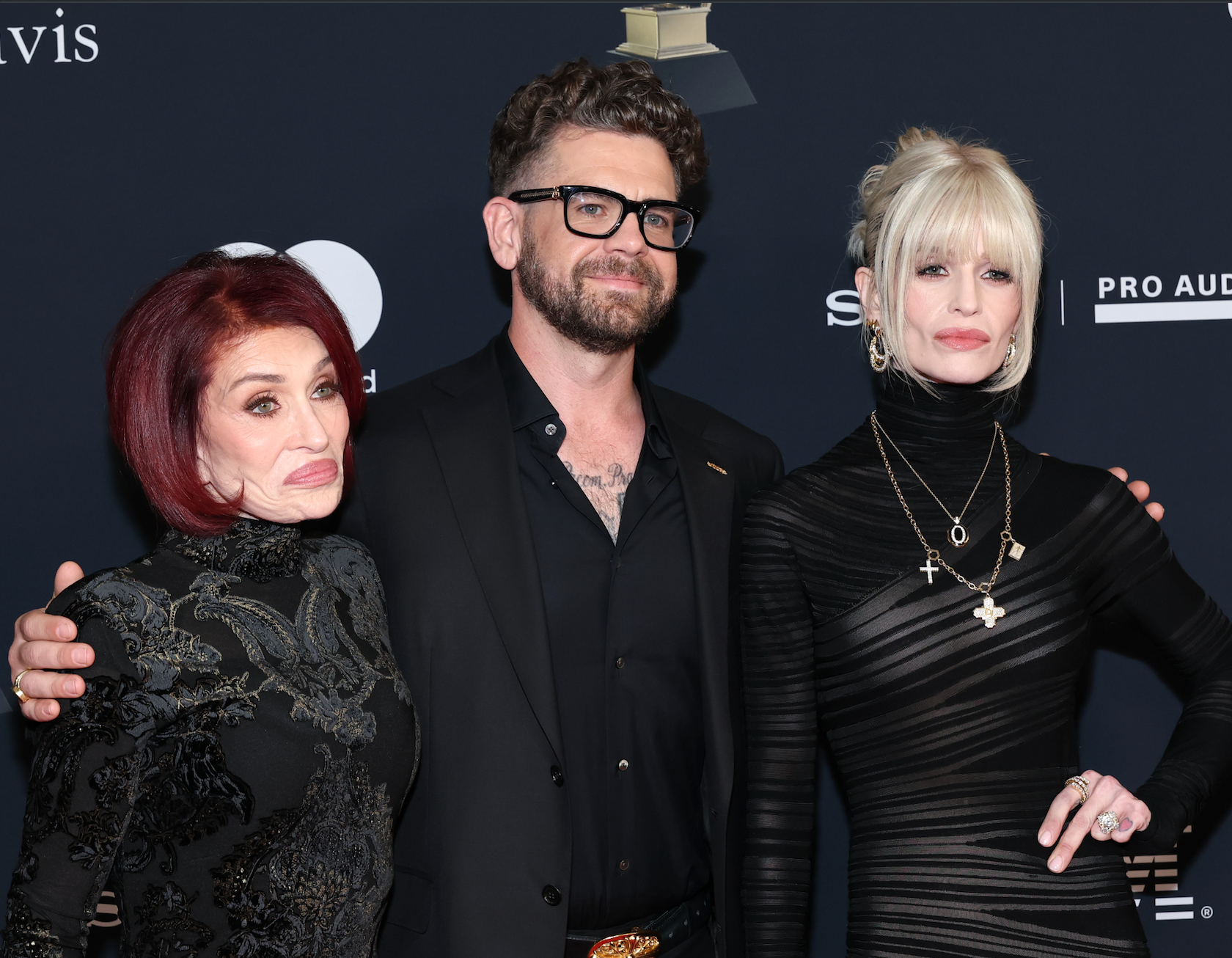
Despite her emotional turmoil, Osbourne made the decision to attend the Grammy Awards in January, where the music industry gathered to honor Ozzy’s monumental legacy alongside her mother, Sharon Osbourne, and brother, Jack Osbourne.
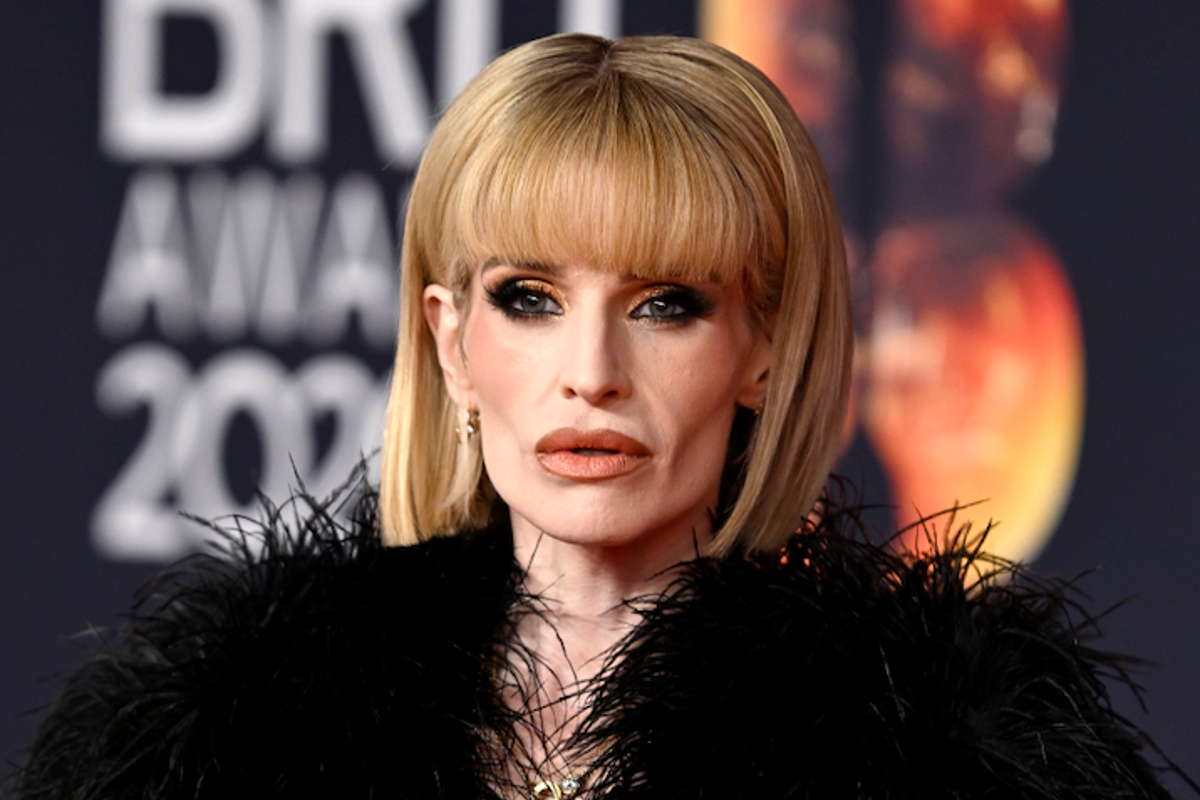
Behind the scenes, however, a psychological reckoning was already taking place. While friends and family had quietly expressed mounting concerns over her gaunt frame, Osbourne had brushed them off, utterly unable to process their warnings.
The turning point occurred during a dress fitting for the high-profile awards ceremony. Confronted with a full-length photograph, Osbourne experienced a moment of shocking self-recognition. Speaking candidly to The Mail on Sunday, she recalled:
*"I looked like the f** Crypt Keeper. I said, ‘This is scary — I didn’t know I looked like this.’ My spine — you could see every single bone."*
Realizing the extent of her physical deterioration, Osbourne attempted damage control for the red carpet. She opted to wear a specialized wig designed to obscure the sides of her face, strategically crafted so that onlookers and cameras "couldn’t see how skinny" her cheekbones had genuinely become. Looking back, Osbourne confessed that she deeply regrets attending the ceremony, acknowledging that she simply "wasn’t very well" and should have stayed home to heal.
Supporting Context & Metrics: The Weight Discourse and Anticipatory Grief
The "Anticipatory Grief" Phenomenon
Osbourne’s physical collapse underscores a less-discussed psychological reality: anticipatory grief. In her interviews, she revealed that she had lived with the constant, grinding weight of anticipatory grief for a decade as her father’s health steadily deteriorated.
Psychologists define anticipatory grief as the mourning that occurs before an expected loss. For families navigating long-term, degenerative illnesses like Parkinson’s disease or chronic spinal trauma, caregivers and loved ones often experience chronic stress, elevated cortisol levels, disrupted sleep patterns, and dramatic fluctuations in weight—either through profound loss of appetite or stress-induced metabolic shifts. In Osbourne’s case, the prolonged emotional strain laid the groundwork for her drastic physical decline, rendering her incapable of recognizing her own bodily changes until the visual shock of the Grammy fitting forced the truth into focus.
The Ozempic Debate and Body Image History
Kelly Osbourne’s relationship with her weight has been a matter of intense public record for nearly two decades, largely played out under the harsh lens of reality television and tabloid journalism.
The conversation around her body took a sharp turn in 2024 when she publicly discussed her use of weight-loss medications like Ozempic during an interview with E!. At the time, she defended the drugs with characteristic bluntness:
"I think it’s amazing. There are a million ways to lose weight, why not do it through something that isn’t as boring as working out?"
Addressing the severe cultural backlash surrounding GLP-1 receptor agonists, she added:
"People hate on it because they want to do it. And the people who hate on it the most are the people who are secretly doing it or pissed off that they can’t afford it."
However, the distinction between intentional, managed weight loss via pharmaceuticals and the catastrophic, stress-induced emaciation she suffered following her father’s death became blurred in the eyes of the public. When critics accused her of looking sickly due to Ozempic use in late 2025, they failed to recognize that her rapid weight loss was no longer a matter of lifestyle choice or medication management, but rather a physical manifestation of psychological devastation.
Official Statements and Public Reflections
The revelations shared by Kelly Osbourne have shed new light on the hidden costs of celebrity grieving. By choosing to pull back the curtain on her mental and physical state, she has initiated a broader conversation regarding the responsibilities of the public, media consumption, and the empathy owed to individuals undergoing public trauma.
Key takeaways from her recent media statements include:
- On Self-Perception During Trauma: "I couldn’t see what other people saw because I was in so much pain over my dad’s death. All I saw was a broken person."
- On the Grammy Wardrobe Secret: The revelation of utilizing a strategic wig to hide her sunken cheekbones highlights the extreme pressure female celebrities face to maintain a polished exterior even when experiencing internal collapse.
- On Future Advocacy: Osbourne has announced plans to channel her experiences into a dedicated documentary series focusing on grief, mental health, and the unseen struggles of loss, stating that "there’s a lot that people don’t know."
Future Outlook: Healing, Advocacy, and Media Literacy
As Kelly Osbourne steps back from the immediate throes of acute grief and works to rebuild her physical and mental health, her journey serves as a cautionary tale about the intersection of trauma, body image, and public cruelty.
Her upcoming documentary series on grief and mental health promises to offer a nuanced, authoritative look at the realities of losing a parent under a microscope. By detailing how emotional agony can physically erode the body to the point of unrecognition, Osbourne hopes to dismantle the simplistic, often toxic narratives propagated by social media commentators.
Ultimately, the episode highlights an urgent need for greater empathy in digital spaces. When public figures share milestones, struggles, or tragedies, the rush to diagnose, judge, or shame often blinds observers to the human cost behind the headlines. For Osbourne, the road ahead involves not only physical recovery and the continuation of her father’s monumental legacy, but also reshaping the conversation around how society treats those navigating the darkest moments of their lives.
If you or someone you know is struggling with grief, mental health distress, or coping mechanisms during difficult times, confidential support is available:
- In the UK and ROI: Call the Samaritans at 116 123 or email [email protected].
- In the USA: Call or text the Suicide & Crisis Lifeline at 988.
- International resources can be found at www.befrienders.org.