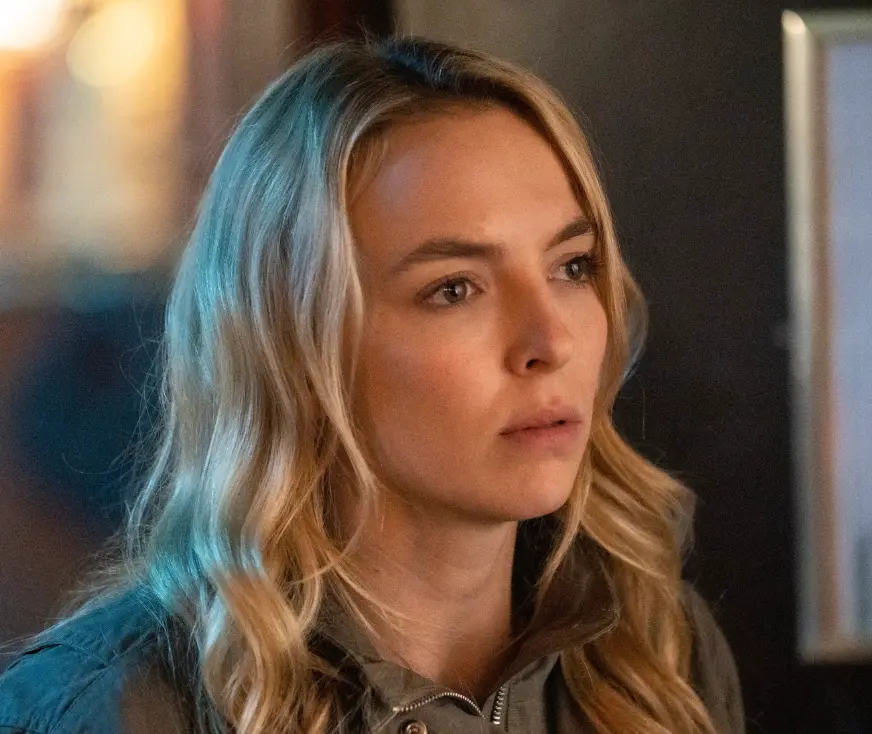
Few television finales in recent memory sparked as much immediate, visceral fury as the conclusion of BBC America’s critically acclaimed spy thriller Killing Eve. When the series drew to a close in 2022 after four transformative seasons, audiences tuned in expecting a satisfying resolution to the complex, decades-spanning cat-and-mouse dynamic between MI6 agent Eve Polastri (Sandra Oh) and the eccentric, stylish Russian assassin Villanelle (Jodie Comer). Instead, what they received was a controversial parting blow: the sudden death of Villanelle in the series’ dying moments, just as a long-coveted romantic future with Eve appeared within reach.
The backlash was swift and unforgiving. Dedicated fans took to social media platforms and critical review boards in droves, with some labeling the finale "the worst series finale since Game of Thrones." The anger was fueled not merely by the tragedy of Villanelle’s demise, but by how it tapped into a long-standing, pernicious television trope—the "Bury Your Gays" narrative device, which has historically punished queer characters just as they find happiness or self-actualization.
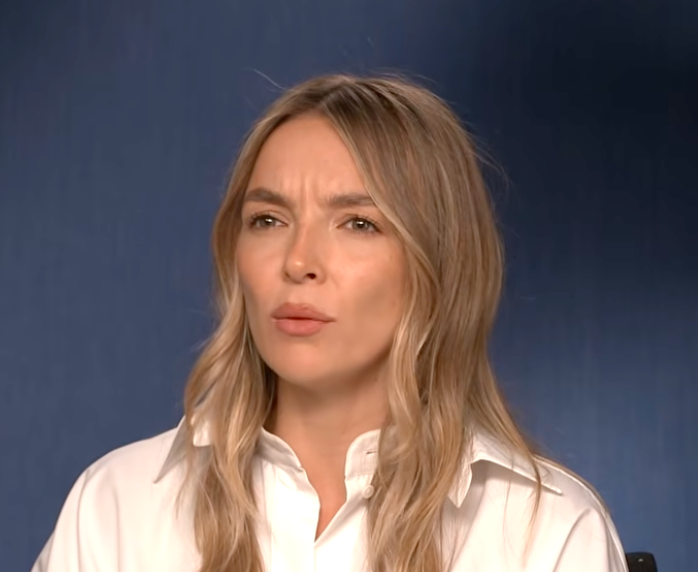
Now, years after the dust has settled on the controversial wrap-up, Emmy Award-winning actor Jodie Comer has opened up about the storm surrounding the show’s conclusion. Speaking candidly during an appearance on The Independent’s interview series Life in Pictures, Comer reflected on the intense fan reaction, explaining how she navigates the dichotomy between audience expectations and artistic reality. Rather than dwelling on the divisiveness of the narrative choices, Comer revealed that she consciously chooses to "revert to the memory" of the creative process—cherishing the tireless efforts of the cast and crew rather than the internet firestorm that followed.
This comprehensive retrospective explores the anatomy of the Killing Eve finale controversy, dissects the creative decisions made by the show’s writers, examines Jodie Comer’s evolving perspective on Villanelle’s tragic end, and considers the lasting legacy of a television phenomenon that redefined the spy genre.
Detailed Chronology: The Rise, Fall, and Aftermath of Killing Eve
Phase 1: The Phenomenal Ascent (2018)
When Killing Eve premiered in April 2018, it arrived as a breath of fresh air in a saturated television landscape dominated by gritty, male-centric prestige dramas. Based on Luke Jennings’ Codename Villanelle novellas and adapted for the screen by Phoebe Waller-Bridge, the series immediately captured the public imagination.
The brilliance of the show lay in its subversive subversion of traditional spy tropes. Instead of a stoic, brooding male protagonist, viewers were presented with a brilliant, bored MI6 operative, Eve Polastri, and an unhinged, high-fashion assassin, Villanelle. The chemistry between Sandra Oh and Jodie Comer crackled across international borders, blending dark humor, psychological tension, and undeniable romantic subtext. Comer’s magnetic, multi-faceted performance earned her universal critical acclaim, culminating in a Primetime Emmy Award for Outstanding Lead Actress in a Drama Series in 2019.
Phase 2: Creative Turnover and Narrative Fatigue (2019–2021)
As Killing Eve progressed through its second and third seasons, it adopted a recurring tradition that would ultimately prove both a blessing and a curse: a revolving door of head writers. Following Phoebe Waller-Bridge’s departure as showrunner after Season 1 (though she remained an executive producer), Emerald Fennell took the reins for Season 2, followed by Suzanne Heathcote for Season 3, and finally Laura Neal for the fourth and final season.
While each showrunner brought a distinct flavor to the table, the revolving creative leadership led to narrative whiplash. Characters shifted allegiances with dizzying frequency, and the central dynamic between Eve and Villanelle occasionally felt trapped in a loop of near-misses and psychological chess games. By the time Season 4 was announced as the final chapter, fans hoped for a cohesive, definitive arc that would resolve the mounting romantic tension between the two leads.
Phase 3: The 2022 Finale and the Fan Backlash
The four-part final season culminated in a two-part finale broadcast in April 2022. Set against the backdrop of a picturesque British seaside celebration, Eve and Villanelle finally surrender to their mutual feelings, sharing a tender embrace and an officially sanctioned romantic breakthrough after years of cat-and-mouse violence.
However, the joy was short-lived. In the final moments of the series, as the couple stands on a boat on the River Thames, unseen assassins open fire. Villanelle takes the brunt of the bullets, diving into the water to shield Eve. While Eve breaches the surface, gasping for air, Villanelle sinks into the murky depths of the Thames, lifeless.
The reaction was catastrophic for the show’s reputation. Fans felt betrayed, arguing that the series had relied on queerbaiting throughout its run only to punish its protagonist with a violent, unceremonious death. The comparison to Game of Thrones—a cultural touchstone for universally panned endings—became a rallying cry for disappointed viewers across the globe.
Phase 4: Post-Mortem Reflections (2022–Present)
In the immediate aftermath of the broadcast, creators, writers, and cast members scrambled to defend or contextualize the creative choices. Showrunner Laura Neal admitted that finding the right ending had been "really difficult," noting that the writers’ room debated the conclusion extensively. Comer herself gave a flurry of interviews explaining her character’s sacrifice. Over the years, the anger has softened into a bittersweet acceptance, with Comer recently reaffirming in her Life in Pictures interview that she deliberately protects her mental peace by focusing on the artistic journey rather than the public reception.
Supporting Context & Metrics: Analyzing the Fan Outcry
To understand the weight of Jodie Comer’s recent reflections, it is necessary to examine the metrics and cultural context surrounding the Killing Eve finale.
Critical Score Plunge: While Season 1 of Killing Eve held a near-immaculate 96% approval rating on Rotten Tomatoes, Season 4 saw a significant dip, with audience scores plummeting even lower following the final episode. Review aggregators were flooded with one-star user reviews critiquing the abrupt narrative pivot.
The "Bury Your Gays" Trope: Media analysts and LGBTQ+ cultural critics were swift to point out that Killing Eve had fallen squarely into a tired Hollywood cliché. For decades, television has disproportionately killed off queer characters or denied them long-term happiness, framing their tragedies as the ultimate price for narrative stakes. By bringing Eve and Villanelle together romantically for mere minutes before executing one of them, the show alienated a vital segment of its core fanbase.
Social Media Firestorm: Within minutes of the credits rolling, hashtags such as #KillingEveFinale and #JusticeForVillanelle trended globally on Twitter (now X). Fanfiction communities immediately mobilized to rewrite the ending, generating alternative universes where Villanelle survived and lived out a peaceful life with Eve.
Despite these headwinds, the show’s commercial and cultural impact remains undeniable. It established Jodie Comer as a generational acting talent and turned Sandra Oh into an even more formidable television icon.
Official Statements and Perspectives
The debate surrounding the finale has always involved a fascinating push-and-pull between audience desires and artistic intent. Here is what the key players have stated over the years regarding Villanelle’s fate:
Jodie Comer on Shielding Her Craft from Backlash
Reflecting on the fan outcry during her interview with The Independent, Comer offered a masterclass in professional detachment:
"I think as an actor you just have to have your blinkers on in a sense. Of course, you want people to be fulfilled or happy — they’ve spent such a long time with your story and your character, you know? You want them to feel satisfied in some way, but it’s always ultimately out of your control, so it’s tricky really."
Instead of letting the negativity taint her memories, Comer chooses to celebrate the human element of production:
"I always revert back to the memory of being on the set and working with the crew, and people worked so tirelessly to honour that moment."
Comer on the Inevitability of Villanelle’s Death
Speaking to Elle shortly after the finale aired in 2022, Comer argued that Villanelle’s death was thematic justice for her character arc:
"It would have been easy for it to feel very maudlin, I think, or to go completely the other direction and make it feel too funny. So striking the right balance between the two of them felt really important… She’s like a cat with nine lives. What I loved about the moment [she gets shot] was that was a really selfless act that she did that caused it. It felt right that in that moment she protected Eve."
She added that the act of shielding Eve symbolized the full circle of Villanelle’s moral transformation:
"She was trying so desperately to change at the beginning and I don’t think she ever realised how much she had, which is so sad. That moment really shows how Eve changed her life."
Laura Neal on the Writers’ Room Dilemma
Showrunner Laura Neal defended the decision to kill Villanelle by pointing to the sheer impossibility of giving such a chaotic narrative a conventional Hollywood ending. Neal noted that the team discussed countless iterations of the finale, ultimately deciding that a permanent separation was the only logical endpoint for an international assassin who had caused so much collateral damage.
Future Outlook: The Legacy of Killing Eve
As time marches on, the vitriol surrounding the Killing Eve finale is gradually giving way to a more nuanced appreciation of the series as a whole. While the final fifteen minutes will likely remain a textbook example of a controversial television conclusion, the show’s overarching contributions to the thriller genre cannot be overstated.
For Jodie Comer, the chapter of Villanelle is firmly closed, but her career continues an upward trajectory of critical and commercial triumphs. Fans can currently catch her on the silver screen in the Hugh Jackman-starring feature film The Death of Robin Hood, demonstrating once again her astonishing range across film and television.
Ultimately, whether viewers choose to accept Villanelle’s watery grave or prefer to imagine her, as Comer jokingly suggested to interviewer Josh Horowitz, "crawling out" of the River Thames to live out a quiet life, Killing Eve secured a permanent place in television history. It proved that complex, messy, morally ambiguous women could anchor a global television franchise—and that the memories forged on a passionate, hardworking set often outlive the controversies of a single broadcasted moment.