Executive Overview
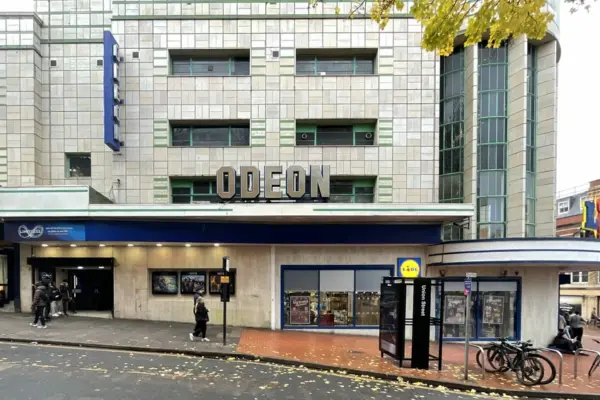
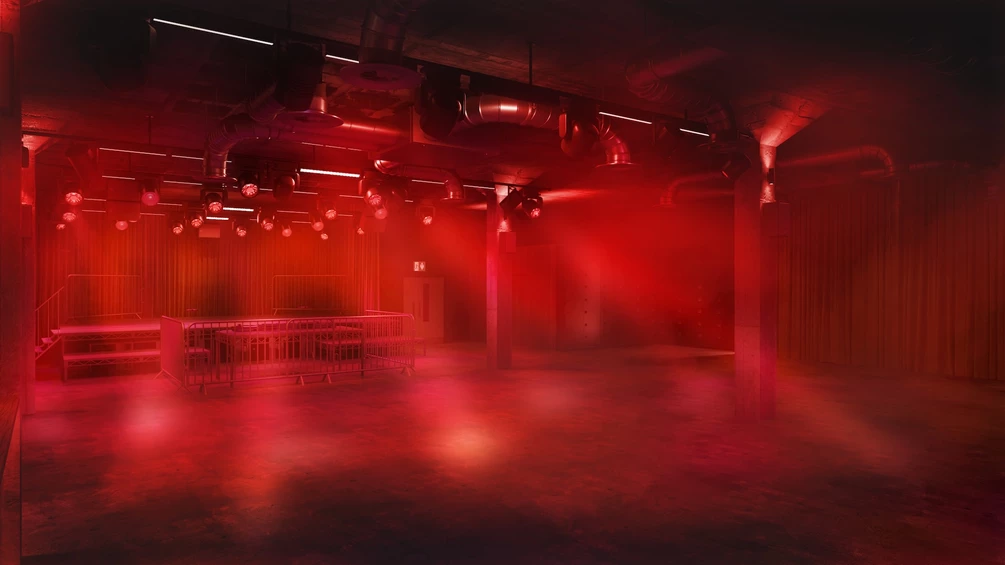
Manchester’s legendary and ever-evolving club culture is poised to welcome a compelling new addition this autumn with the grand opening of Locker. Set within the ground floor and subterranean architecture of the iconic, Grade II-listed New Century building, this fresh 450-capacity venue promises to inject a raw, warehouse-inspired vitality into the city’s contemporary nightlife ecosystem.
Slated to throw open its doors in early October, Locker arrives at a fascinating crossroads for the UK’s third-largest city. Even as Manchester’s underground music landscape grapples with the sobering realities of gentrification, property development pressures, and the impending closures of beloved avant-garde spaces, a simultaneous wave of grassroots resilience is proving that the city’s pulse remains fiercely resilient. Locker is not merely another nightclub; it is a meticulously engineered sanctuary for sonic purists. Outfitted by renowned audio architects Adlib with a state-of-the-art L-Acoustics sound system and built atop a custom-engineered sprung wooden dancefloor, the club is designed to prioritize physical immersion, acoustic fidelity, and tactile connection.
The venue’s opening season reads like a masterclass in modern underground curation. Bridging the gap between heritage rave sounds and bleeding-edge club aesthetics, Locker has secured heavy-hitting talent for its inaugural weeks and months. From the explosive live energy of Paranoid London and Mutado Pintado to the globally resonant selections of Jyoty, Two Shell, Logic1000, and Massimilano Pagliara, Locker is explicitly staking its claim as a premier destination for adventurous dancers.
Crucially, Locker is deeply embedded in a broader physical and educational ecosystem. Operating out of the New Century building—which also houses the dBs Institute—the club aims to serve as a living laboratory for the next generation of audio engineers, promoters, producers, and DJs. By seamlessly fusing independent hospitality, historic architectural preservation, and a commitment to grassroots talent development, Locker represents a sophisticated evolution of Manchester’s storied acid-house roots. This comprehensive report explores the genesis of Locker, breaks down its monumental opening weekend, analyzes its technical specifications, places the venue within the complex tapestry of Manchester’s 2024–2026 nightlife landscape, and outlines what this means for the future of British club culture.
Detailed Chronology: The Road to Locker’s October Premiere
The journey toward Locker’s October debut has been years in the making, though the public-facing timeline accelerated sharply over the summer months. The New Century building itself—a brutalist masterpiece originally constructed in the 1960s as a cooperative insurance and social hall—has undergone several phases of regeneration in recent years. Long celebrated for its mid-century architectural significance and its upstairs concert and food hall spaces, the building’s ground-floor footprint remained an underutilized asset, ripe for a creative reimagining.
The Genesis of the Concept (Early 2024 – Mid 2025)
Behind closed doors, management and developmental teams at New Century began conceptualizing a space that could harken back to Manchester’s golden era of warehouse parties and acid house, while simultaneously offering the pristine operational standards expected by modern clubbers. The goal was to build a room where the crowd-to-DJ barrier is virtually non-existent—an intimate environment where sweating bodies and tactile sound waves dictate the rhythm of the night.
As architectural blueprints were drawn up, acoustic consultations began. Recognizing that urban nightlife venues face increasing scrutiny regarding sound bleed and structural resonance, the team partnered with premier UK audio engineering firm Adlib. The decision to install a custom-tailored L-Acoustics system signalized to the industry that Locker would not compromise on sonic output. Furthermore, the installation of a specialized sprung dancefloor underscored a dedication to dancer welfare and physical endurance—a detail often overlooked in modern pop-up venues.
The Summer Announcement Rollout (July – August 2026)
The official announcement of Locker sent shockwaves through the UK electronic music community in late summer. Released via key industry platforms such as DJ Mag, the news detailed not only the physical specifications of the 450-capacity room but also dropped a jaw-dropping initial programme of events.
Ticketing went live via SeeTickets, accompanied by a wave of social media teasers highlighting the venue’s industrial raw aesthetic. The curation strategy became immediately clear: rather than relying solely on predictable booking formulas, Locker’s programmers chose to lean into multi-genre underground inclusivity, blending bass-heavy experimentalism, house, techno, global club sounds, and live hardware performances.
The Opening Weekend Countdown (October 2026)
As October approaches, finishing touches are being applied to the venue. The juxtaposition of the building’s 1960s modernist concrete facade with Locker’s cutting-edge interior lighting and acoustic treatment is expected to make it one of the most visually and sonically striking spaces to open in the North of England this decade. The countdown to the opening weekend—featuring Nooriyah, Adele Tondu, and Imad:re on Friday, October 2nd, followed by Paranoid London’s live hardware assault on Saturday, October 3rd—marks the official birth of a new chapter in Manchester nightlife.
Supporting Context & Metrics: Navigating Manchester’s Nightlife Landscape
To truly understand the significance of Locker’s launch, one must examine the broader socio-cultural and economic climate of Manchester’s nightlife sector during the mid-2020s. The city, which has long worn its musical heritage like a badge of honour—spawning Joy Division, The Smiths, The Haçienda, and the Madchester movement—is currently experiencing a period of intense structural transition characterized by both heartbreaking losses and defiant entrepreneurial triumphs.
The Vulnerabilities: Closures and Development Pressures
Manchester’s underground dance music ecosystem has faced acute systemic pressures throughout 2026. In May, cultural preservationists and ravers alike reeled from the announcement that The White Hotel—the gritty, unapologetically avant-garde former mechanics garage in Salford that served as a crucible for weird techno, noise, and experimental club culture—has set a planned closure date for January 2027. The loss of such an uncompromising artistic space represents a severe blow to the city’s radical fringe.
Simultaneously, other historic institutions are fighting for survival. Stage & Radio, a beloved independent basement venue, has found itself embroiled in high-stakes disputes with neighboring real estate developments, forcing the venue to call upon its community for vocal and political support. These pressures highlight a familiar narrative across the UK: as urban centers undergo rapid vertical and commercial gentrification, independent cultural spaces are increasingly squeezed out by residential developments and corporate restructuring.
The Counter-Wave: Resilience, Renewal, and Retail
Despite these formidable challenges, Manchester’s nightlife economy continues to demonstrate astonishing adaptive capacity. The opening of Onsite Records in the Northern Quarter in July injected fresh blood into the city’s vinyl trading community, proving that physical music retail remains a vital community anchor. Meanwhile, corporate and conceptual spaces are attempting to honor the city’s musical legacy in novel ways, such as the launch of the Haçienda-themed bar at Manchester Airport’s Terminal 2 in April, which brings classic rave iconography to international travelers.
Furthermore, traditional club spaces are adapting to regulatory shifts. In March, the legendary club institution Sankeys made headlines by securing a coveted 6 AM license for its new location, signaling that regulatory bodies are occasionally willing to accommodate extended-hours nightlife under the right conditions.
Locker’s Strategic Position Within the Ecosystem
Against this volatile backdrop, Locker enters the fray as a carefully calculated counter-weight. With a modest capacity of 450, it occupies the sweet spot of modern clubbing: large enough to attract international touring acts, yet small enough to retain a fierce, sweat-drenched, communal intimacy. By situating itself within the New Century building, Locker benefits from established infrastructure while injecting fresh, late-night capital and cultural relevance back into the city centre.
Official Statements and Industry Vision
The philosophical underpinnings of Locker were articulated clearly in official press statements released during the venue’s launch announcement. Industry leaders and stakeholders have emphasized that Locker is designed to be much more than a commercial nightclub; it is an active participant in Manchester’s musical metabolism.
Abby Mudge, Managing Director of New Century, elaborated on the vision behind the new venue:
"Locker aims to reimagine our ground floor in a way that enables us to dive into our acid-house roots, support even more grassroots talent as well as providing independent hospitality for which New Century is known and loved. We’re proud to be creating more space in the city for emerging artists and promoters in a building that lives and breathes music. Locker will also provide even more experience and opportunities for the students who call our building home at dBs Institute, supporting New Century’s musical ecosystem."
This statement illuminates several critical facets of the project:
- Historical Continuity: By consciously invoking the spirit of acid house, Mudge connects Locker to Manchester’s foundational late-80s rave explosion, promising a raw, unpretentious atmosphere.
- Grassroots Support: In an era where ticket prices are soaring and major festivals are squeezing independent artists, Locker’s explicit commitment to platforming emerging local promoters and grassroots talent is both timely and vital.
- Educational Integration: Perhaps most uniquely, the partnership with the adjacent dBs Institute creates a circular pipeline of talent. Students studying audio engineering, music production, and event management gain direct, hands-on access to a professional-grade club environment—bridging the gap between academic theory and real-world execution.
The Inaugural Season Programme: A Curatorial Breakdown
Locker’s opening season programming reflects a sophisticated understanding of contemporary club music’s fluid boundaries. Eschewing single-genre pigeonholing, the calendar features an eclectic mix of live electronic acts, boundary-pushing selectors, and global club innovators.
The Opening Weekend (October 2nd – 3rd, 2026)
-
Friday, October 2nd:
The venue’s very first night sets an exploratory, genre-blending tone. Nooriyah, known for her electrifying global club mixes bridging SWANA sounds with UK bass, headlines alongside selector Adele Tondu and Imad:re. This lineup signals that Locker is not interested in playing it safe with standard 4/4 techno; instead, it invites dancers to explore diverse, polyrhythmic terrain from night one. -
Saturday, October 3rd:
The energy ramps up significantly for night two, featuring a live performance from the legendary Paranoid London alongside long-time collaborator Mutado Pintado. Famed for their hardware-driven, anti-computer acid house and raw punk ethos, Paranoid London live is a masterclass in sweaty, high-octane analog dance music. They will be supported by DJ Subaru, Kiosk, and additional unannounced special guests.
The Inaugural Season Highlights
Looking beyond the opening weekend, Locker’s autumn and winter roster features some of the most exciting names operating in underground electronic music today:
- Soichi Terada: The Japanese deep house pioneer, celebrated for his joyous, sun-drenched melodies and retro-futuristic production style.
- Jyoty: A powerhouse selector whose mastery of R&B, dancehall, house, and UK funky makes her sets some of the most dynamic in global club culture.
- IZCO: A vital figure in the contemporary UK underground, known for bridging grime, techno, and bass weight.
- Two Shell: The elusive production duo renowned for their frantic, genre-shredding club edits and fiercely loyal fanbase.
- Logic1000: The Berlin-based, Australian-born producer bringing her emotive, hypnotic house textures to the intimate sound system.
- Massimilano Pagliara: A mainstay of Berlin’s queer clubbing landscape, delivering shimmering, disco-infused house and techno.
- Manuka Honey: Famed for her high-velocity, kaleidoscopic blends of reggaeton, dembow, and experimental club music.
This expansive programming strategy ensures that Locker will attract a diverse, cross-pollinated audience of music lovers, preventing the venue from becoming insular or stagnant.
Future Outlook: What Locker Means for Manchester’s Cultural Horizon
As Locker prepares to open its doors this October, the broader implications for Manchester’s cultural future are profound. In a socio-economic climate where independent music venues face existential threats across the United Kingdom, the birth of a purpose-built, acoustically optimized 450-capacity venue is a rare and courageous triumph.
1. Elevating Production Standards
By investing heavily in Adlib-designed L-Acoustics sound and ergonomic sprung flooring, Locker raises the bar for what clubbers should expect from medium-scale venues. In an era where festival sound limits and poorly treated warehouse spaces often compromise the listening experience, Locker proves that intimate venues can deliver arena-grade sonic fidelity without sacrificing atmosphere.
2. Nurturing the Next Generation
The symbiotic relationship between Locker and the dBs Institute creates a sustainable talent incubator. By giving students real-world exposure to live club environments, the venue helps professionalize and future-proof Manchester’s creative workforce. Sound engineers, lighting technicians, promoters, and DJs trained within this ecosystem will undoubtedly leave an indelible mark on the global music industry.
3. Fostering Community Resilience
While structural challenges such as gentrification and rising operational costs will not disappear overnight, spaces like Locker demonstrate that grassroots resistance through cultural creation remains potent. By balancing heritage reverence with forward-thinking curation, Locker provides a physical anchor where disparate subcultures can converge, sweat, and build community.
Conclusion
Manchester’s musical identity has never been static; it is a living, breathing continuum shaped by industrial grit, social rebellion, and radical sonic experimentation. With the arrival of Locker, the city adds a vital new chapter to its storied history. As the bass hits the sprung floor on Friday, October 2nd, 2026, it won’t just be the sound of a new club opening—it will be the unmistakable heartbeat of a city refusing to let its music fade.
For tickets, full event listings, and further information regarding Locker’s inaugural season, visit the official New Century SeeTickets portal.