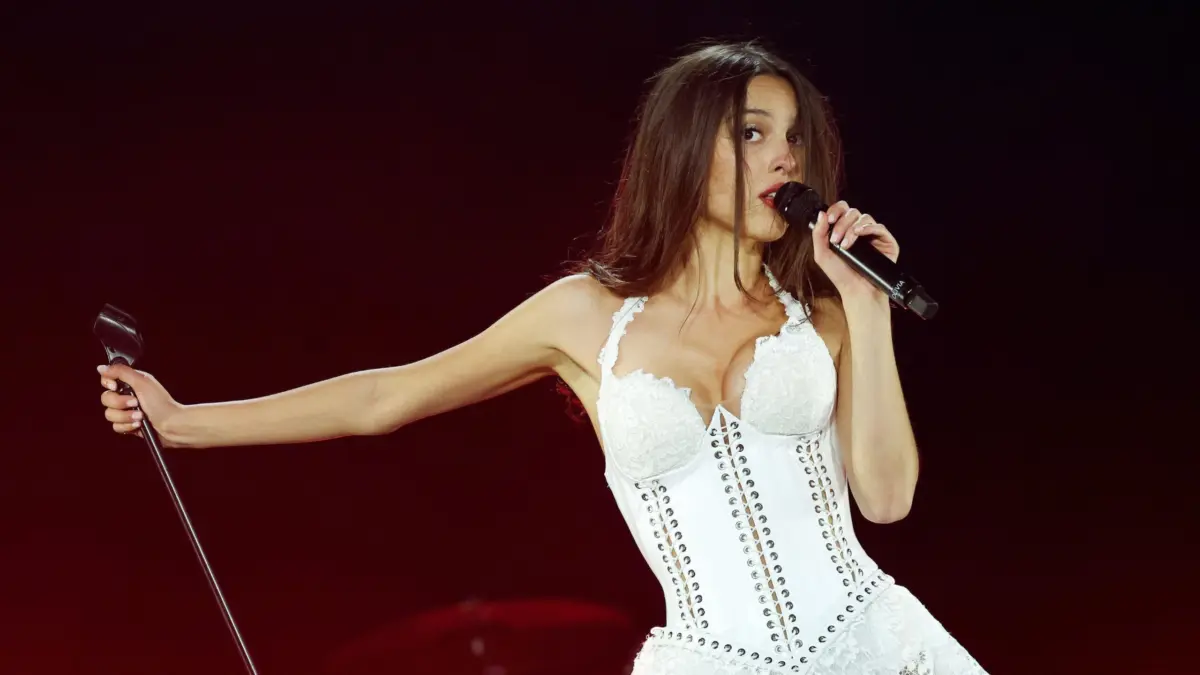
LONDON — Following a scheduled fallow year designed to let the hallowed pastures of Worthy Farm regenerate, the world-renowned Glastonbury Festival is officially plotting its return. Organisers have confirmed that tickets for the upcoming 2027 edition—scheduled to run from June 23 to June 27—will go on sale this coming October. However, the eagerly awaited announcement has triggered a complex wave of excitement and frustration across the music community, as ticket prices prepare to shatter the psychological and financial £400 barrier for the first time in the festival’s storied history.
As music fans ready themselves for the customary digital stampede that traditionally sees passes vanish in under an hour, the broader economic realities of staging a world-class cultural institution have been thrust back into the spotlight. With rising operational expenditures, inflationary pressures, and post-pandemic liabilities catching up with the sector, the upcoming ticket release serves as a litmus test for the economic sustainability of live music in the United Kingdom.
Executive Overview
For live music aficionados, Glastonbury remains the undisputed jewel in the crown of the British festival season. Spanning more than 100 diverse stages and transforming a Somerset dairy farm into a sprawling, temporary metropolis of art, counterculture, and musical history, the festival’s cultural currency has never been higher. The last iteration of the event, held in 2025, concluded with an unforgettable headline performance by Olivia Rodrigo on the Pyramid Stage, cementing a lineup that also featured powerhouse sets from The 1975 and veteran rocker Neil Young.
Yet, the announcement of the 2027 ticket structure underscores a sobering reality: paradise comes at an increasingly steep price. General admission for the weekend will cost £408, inclusive of a £5 mandatory booking fee. This represents a £29.50 increase compared to the £378.50 baseline charged for the 2025 event.
While the festival relies heavily on its reputation for curation and community to justify the cost, the breaking of the £400 threshold highlights a wider, systemic inflation within the live entertainment industry. As ticket sales approach in early October, prospective attendees must navigate not only steep financial hurdles but also a stringent registration apparatus designed to mitigate ticket touting and ensure fair access.
Detailed Chronology: The Road to Worthy Farm 2027
The operational machinery behind Glastonbury operates with clockwork precision, moving from registration checks to ticket drops months before the first tent peg is driven into the Somerset soil. Organisers have outlined a strict timeline for the autumn ticket sale windows:

- Thursday, October (18:00 BST): The initial wave of tickets bundled with official coach travel packages goes on sale. This method has historically provided a strategic alternative for fans willing to travel sustainably, often experiencing slightly less frantic initial queues than the general admission sale.
- Sunday, October (09:00 BST): The primary general admission ticket sale opens to the public. Historically, this window closes within 45 to 60 minutes, with millions of users flooding the automated queuing portal.
- Late Spring 2027: Balance payment windows, resale opportunities for cancelled tickets, and final logistical deployments.
- June 23 – June 27, 2027: The festival officially opens its gates for five days of music, performance, and activism.
To participate in either sale, festival-goers must have completed advance registration. The system, maintained in collaboration with ticketing partner See Tickets, requires a passport-style photo and personal details to lock every ticket to a specific individual. This anti-scalping measure has largely eradicated commercial black-market profiteering, though it places the onus squarely on fans to verify their credentials well ahead of the October deadlines.
Supporting Context & Metrics: The Inflation of Live Entertainment
Glastonbury’s price hike does not occur in a vacuum. Comprehensive BBC News analysis tracking the past decade of live music economics reveals that the cost of attending major UK festivals has surged well above the official rate of inflation.
Over the last ten years, ticket prices across the board have faced relentless upward pressure:
- Parklife: Has witnessed one of the steepest climbs, with tickets increasing by approximately £69—a dramatic 71% rise in real terms since 2013.
- Reading and Leeds: Exhibited a more modest upward trajectory over the same timeframe, rising by roughly £40, or about 14%.
- Glastonbury Festival: Has seen its baseline entry climb by approximately £85 over the decade, representing a steady 30% price hike that has now culminated in the historic breach of the £400 mark.
The Anatomy of Rising Costs
What drives these compounding figures? Festival organisers face a complex web of compounding expenditures. Industry stakeholders frequently point to escalating infrastructure costs, fluctuating global energy prices, soaring costs for heavy machinery and stage production, and post-Brexit labor shortages that have severely restricted the pool of available staging, security, and hospitality personnel.
Furthermore, the industry is still amortising the catastrophic financial shockwaves generated by the COVID-19 pandemic—two lost years during which overheads persisted while revenue streams completely evaporated. While some independent and corporate promoters have attempted to absorb these shocks—such as Reading and Leeds holding baseline passes steady at £325 (scaling to £361 with early-bird perks)—mega-scale operations like Glastonbury, which construct an entire temporary city from scratch, possess far narrower margins for deficit absorption.
Official Statements and Industry Perspectives
Faced with online criticism regarding the £408 price point, Glastonbury organisers have historically maintained a measured silence on immediate public relations fallout, preferring to let the logistics speak for themselves. However, previous commentary from co-organiser Emily Eavis sheds light on the heavy administrative burdens shouldered by the festival’s management team.

Speaking candidly about the financial pressures of running the event, Eavis previously noted:
"We have tried very hard to minimise the increase in price on the ticket, but we’re facing enormous rises in the costs of running this vast show, whilst still recovering from the huge financial impact of two years without a festival because of Covid."
Lineup Rumours: Separating Fact from Fiction
As is tradition with every Glastonbury cycle, the rumour mill has gone into overdrive regarding who will claim the coveted Pyramid Stage headline slots for 2027. Speculation has run rampant across social media platforms, with industry insiders and fans bandying about names ranging from indie-rock darlings Fontaines D.C. and pop titan Harry Styles to legacy icons like Stevie Wonder and Taylor Swift.
However, Eavis has actively worked to temper expectations and quash unfounded speculation. Addressing persistent internet rumours concerning pop icon Madonna—who recently sparked speculation by hinting at forthcoming UK live dates—Eavis delivered a definitive denial during an appearance on BBC Radio 4’s PM programme:
"No, it’s definitely not Madonna, I’ll tell you that. But we have got three [other] headliners and we’re very excited about it—it’s all coming together really well."
When pressed on whether global megastar Taylor Swift might finally return to headline Worthy Farm, Eavis offered a knowing laugh, deflecting further inquiries and guarding the festival’s closely held lineup announcements until closer to the spring of 2027.

Future Outlook: The Sustainability of the Mega-Festival
As Glastonbury prepares for its October ticket sales, the conversation within the British music ecosystem has shifted toward long-term viability. Can the market sustain ticket prices climbing north of £400? For now, the answer appears to be a resounding yes, underpinned by the unmatched cultural prestige and FOMO (fear of missing out) that Glastonbury commands globally.
Yet, industry analysts warn that the continuous upward march of ticket prices risks alienating younger generations and working-class music fans who form the cultural bedrock of the festival scene. If the cost of live performance continues to outpace wage growth, the demographic makeup of festival audiences may shift permanently toward affluent consumers.
For the moment, however, attention remains fixed on the first week of October. Millions of hopeful attendees will log on, register their details, and cross their digital fingers—proving that, despite economic headwinds and soaring price tags, the pull of Worthy Farm remains as magnetic as ever.