Executive Overview
Twenty-five years have passed since the serene morning of September 11, 2001, a date indelibly etched into the collective consciousness of humanity. On that fateful Tuesday, a series of coordinated, suicide-terrorist attacks orchestrated by the extremist group al-Qaeda fundamentally altered the trajectory of modern history, geopolitical strategy, domestic security, and international relations.
Four commercial airliners—American Airlines Flights 11 and 77, and United Airlines Flights 175 and 93—were hijacked by 19 terrorists belonging to the militant network. Two of these aircraft were steered directly into the Twin Towers of the World Trade Center in New York City, a third struck the Pentagon in Arlington, Virginia, and the fourth crashed into a rural field in Shanksville, Pennsylvania, after heroic passengers revolted against their captors to prevent a strike on the United States Capitol or the White House.
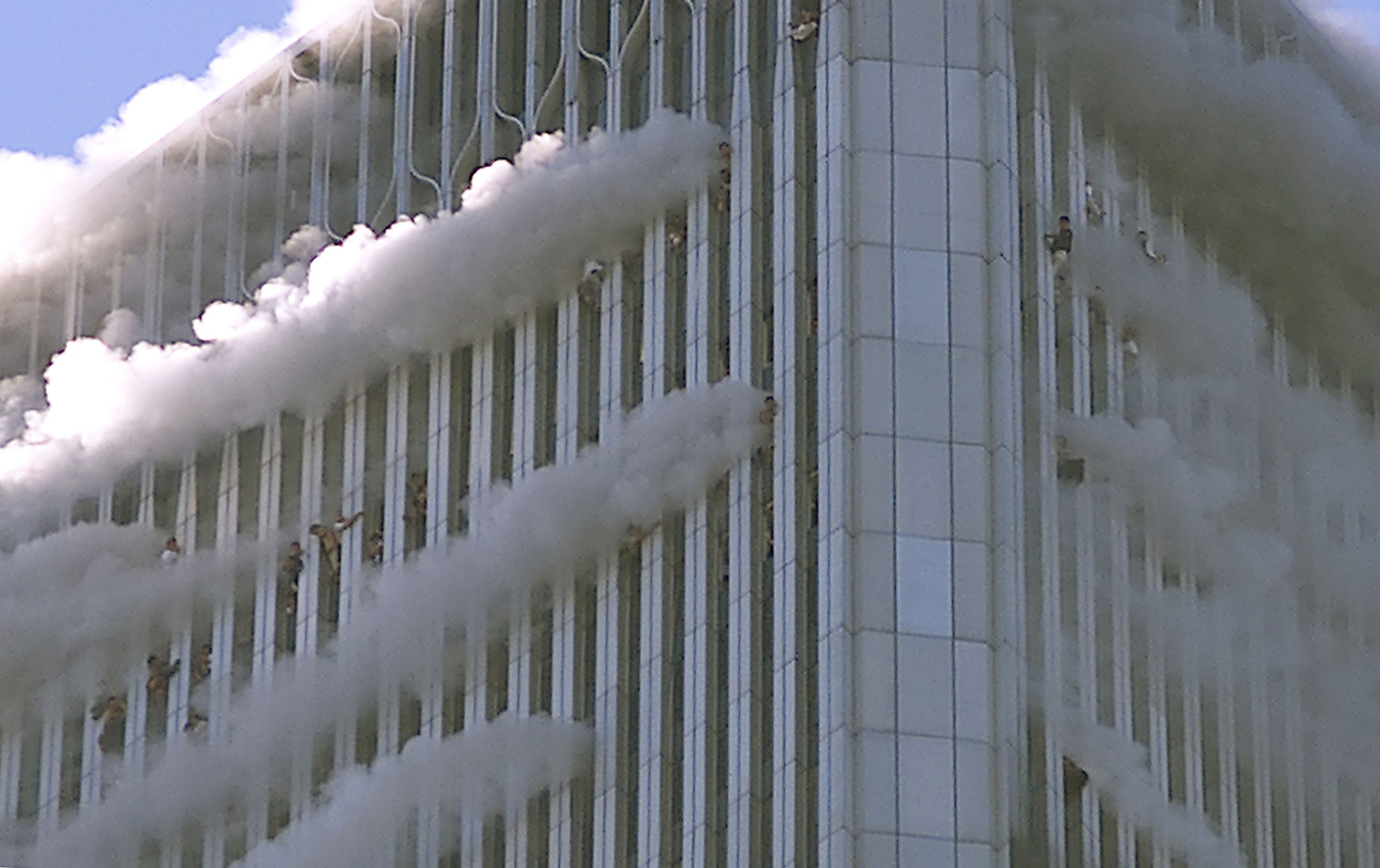
The human toll was catastrophic: nearly 3,000 innocent lives were extinguished, leaving behind shattered families, grieving communities, and an altered nation. The visual archive of that day—the terrifying sequence of impacts, the towering infernos, the desperate choices of individuals trapped high above the Manhattan streets, the heroic charge of emergency responders running toward danger, and the poignant aftermath of vigils and rubble-clearing—remains a devastating testament to human suffering, resilience, and sacrifice.
A quarter of a century later, the trauma of 9/11 still lingers. This comprehensive retrospection examines the sequential unfolding of the attacks, the immediate emergency response, the staggering metrics of destruction and recovery, official reflections, and the long-term outlook for a world forever changed by that autumn morning.
Detailed Chronology: The Unfolding of a Tragedy
To understand the magnitude of September 11, 2001, one must trace the rapid, compounding sequence of events that transformed a quiet morning into a theater of war within a matter of minutes.
8:46 AM: The North Tower Impact
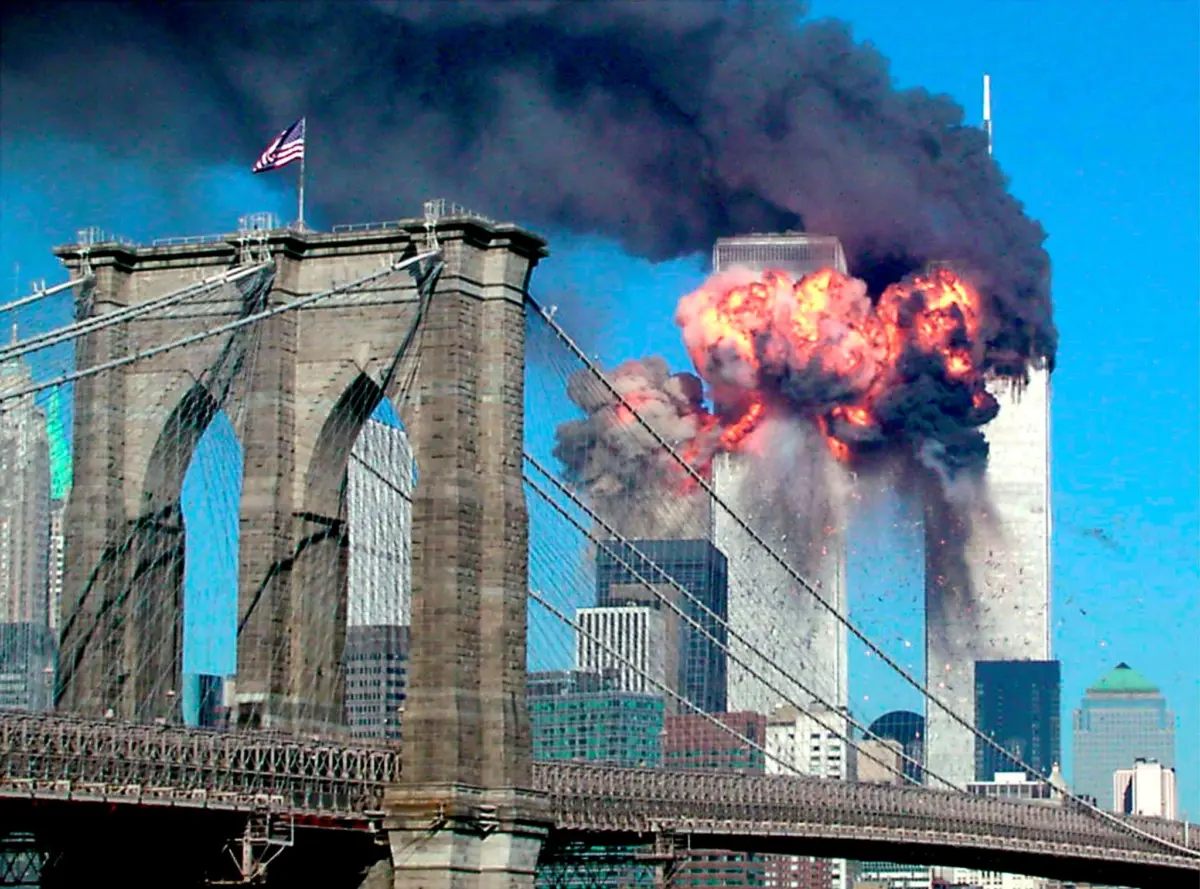
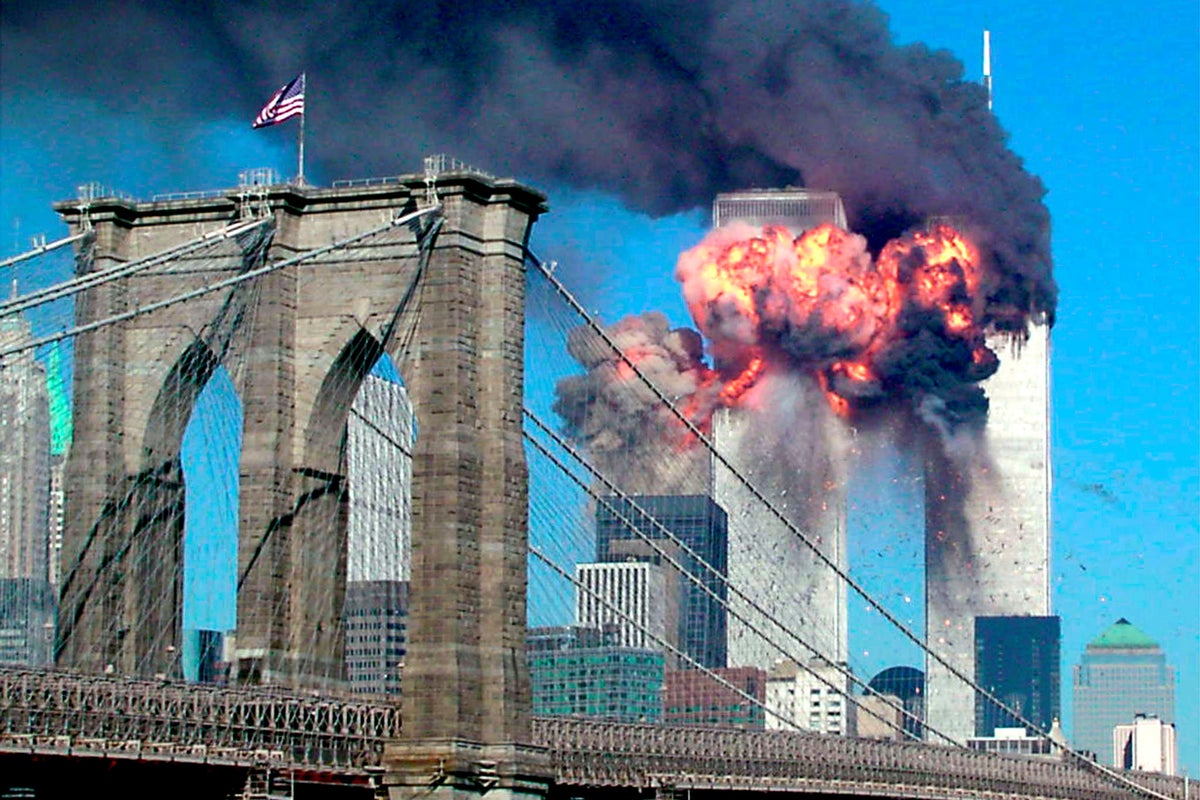
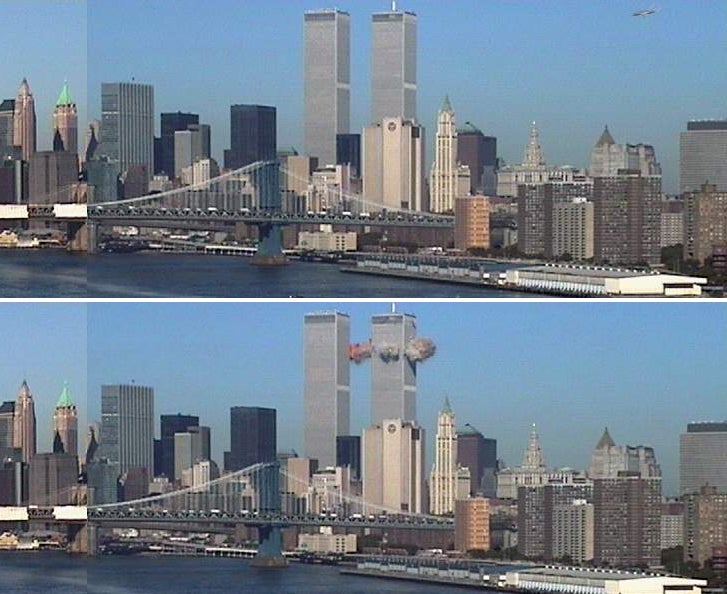
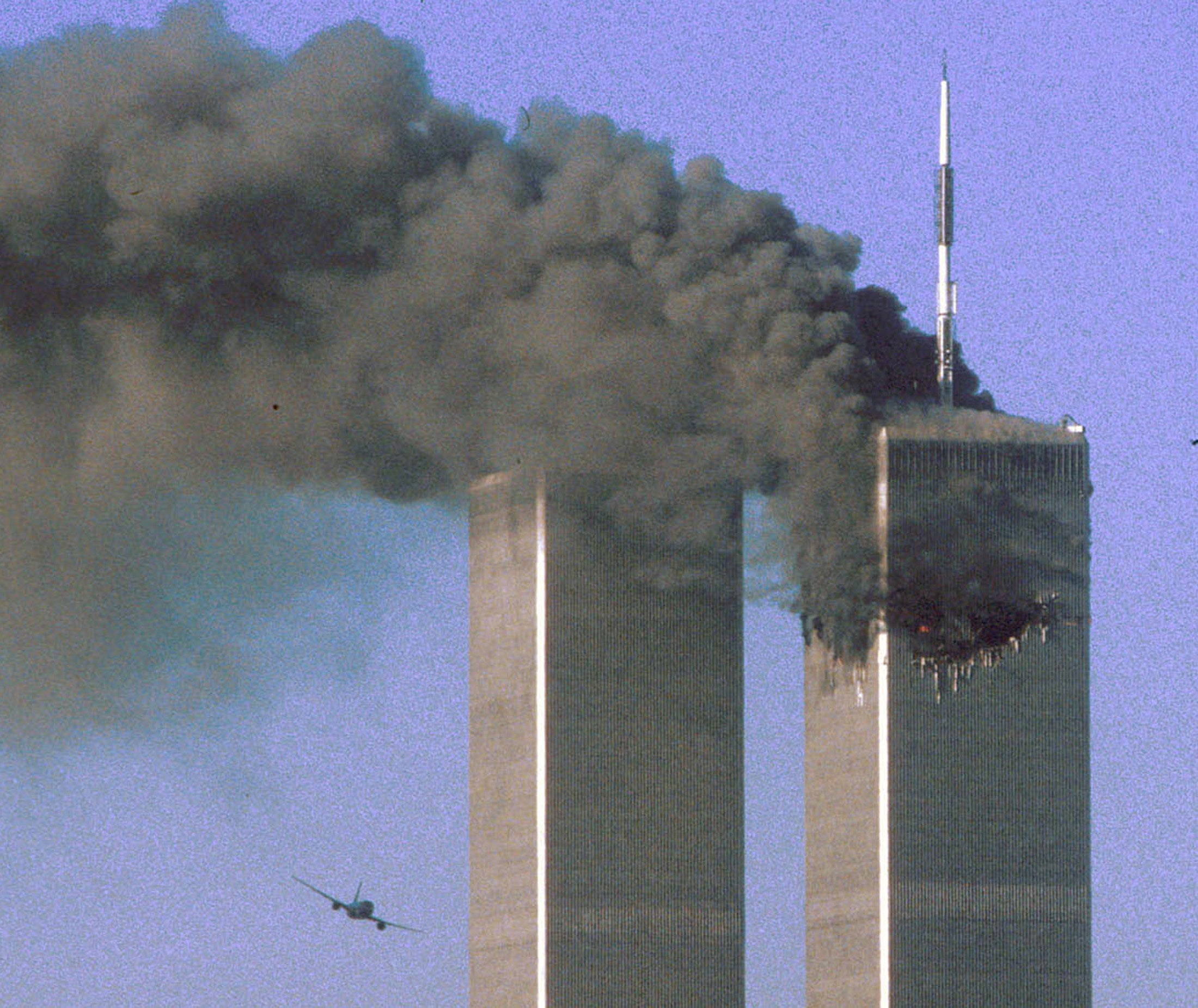
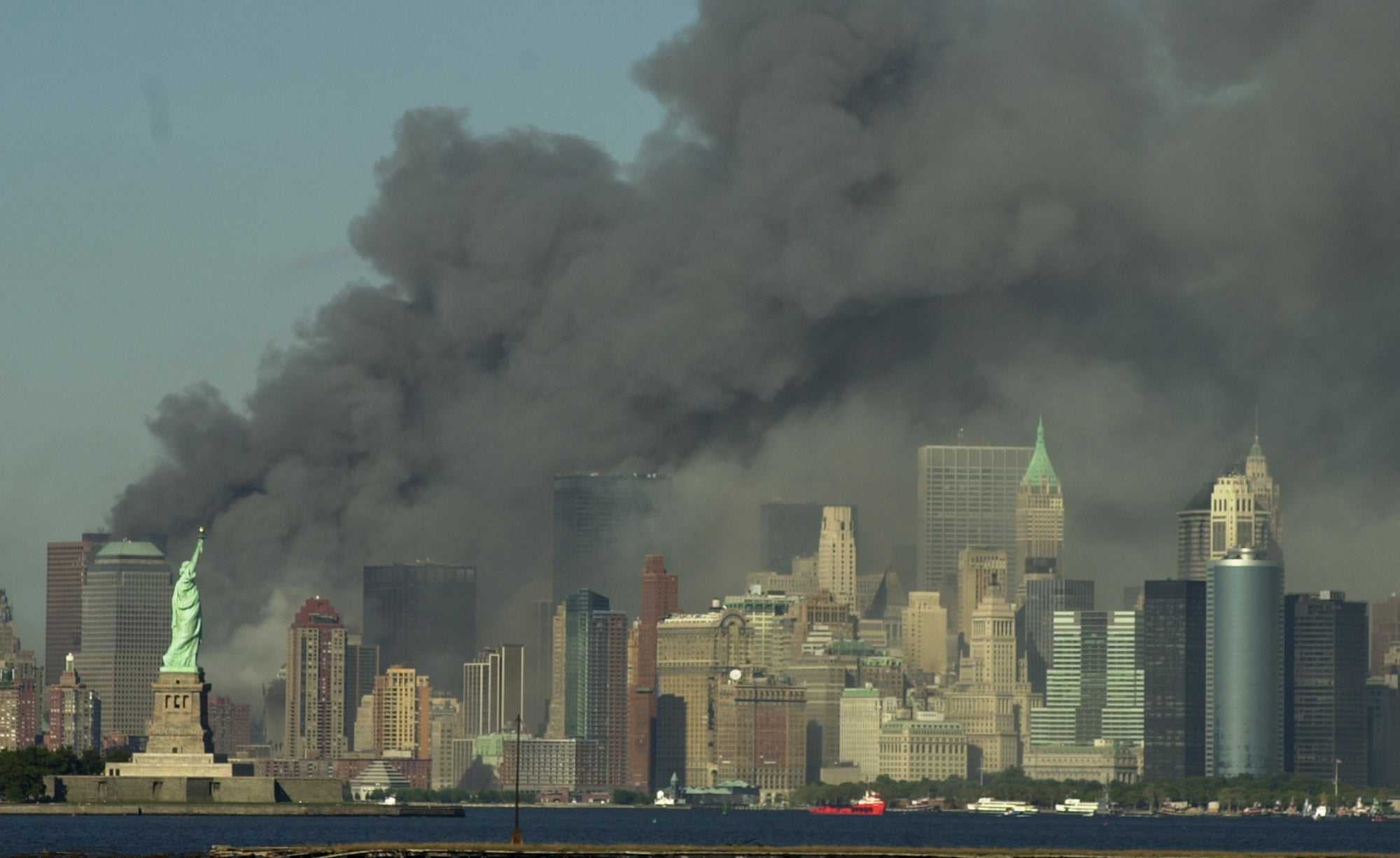
American Airlines Flight 11, a Boeing 767 carrying 92 people, which had departed from Boston’s Logan International Airport, crashed into the North Tower (1 WTC) of the World Trade Center between the 93rd and 99th floors. The violent collision tore through structural steel columns, severed elevator shafts, and instantly ignited thousands of gallons of jet fuel, sending massive plumes of black smoke billowing across the Lower Manhattan skyline. For millions of onlookers, the initial impression was one of a catastrophic, tragic accident.
9:02 AM: The South Tower Impact
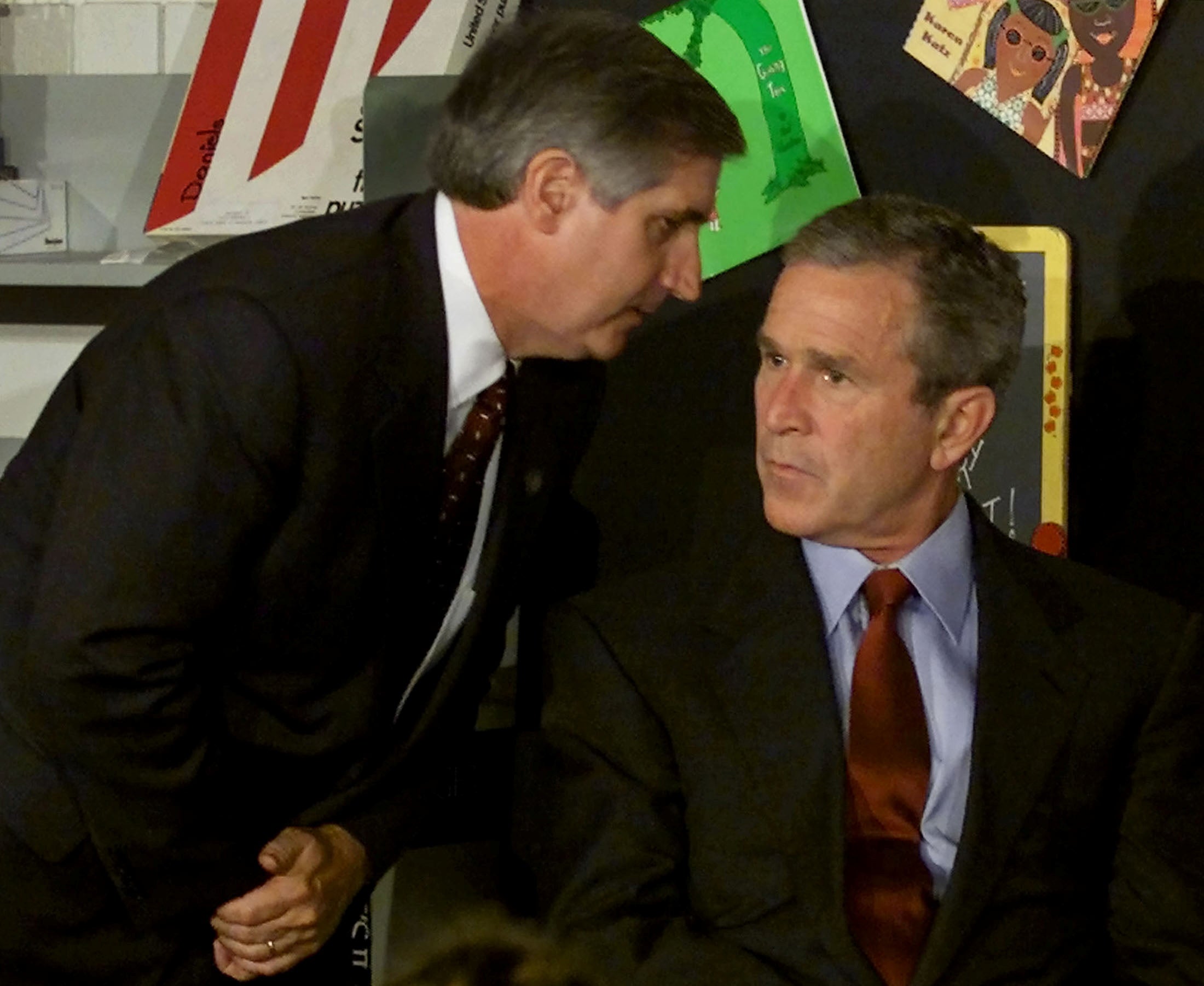
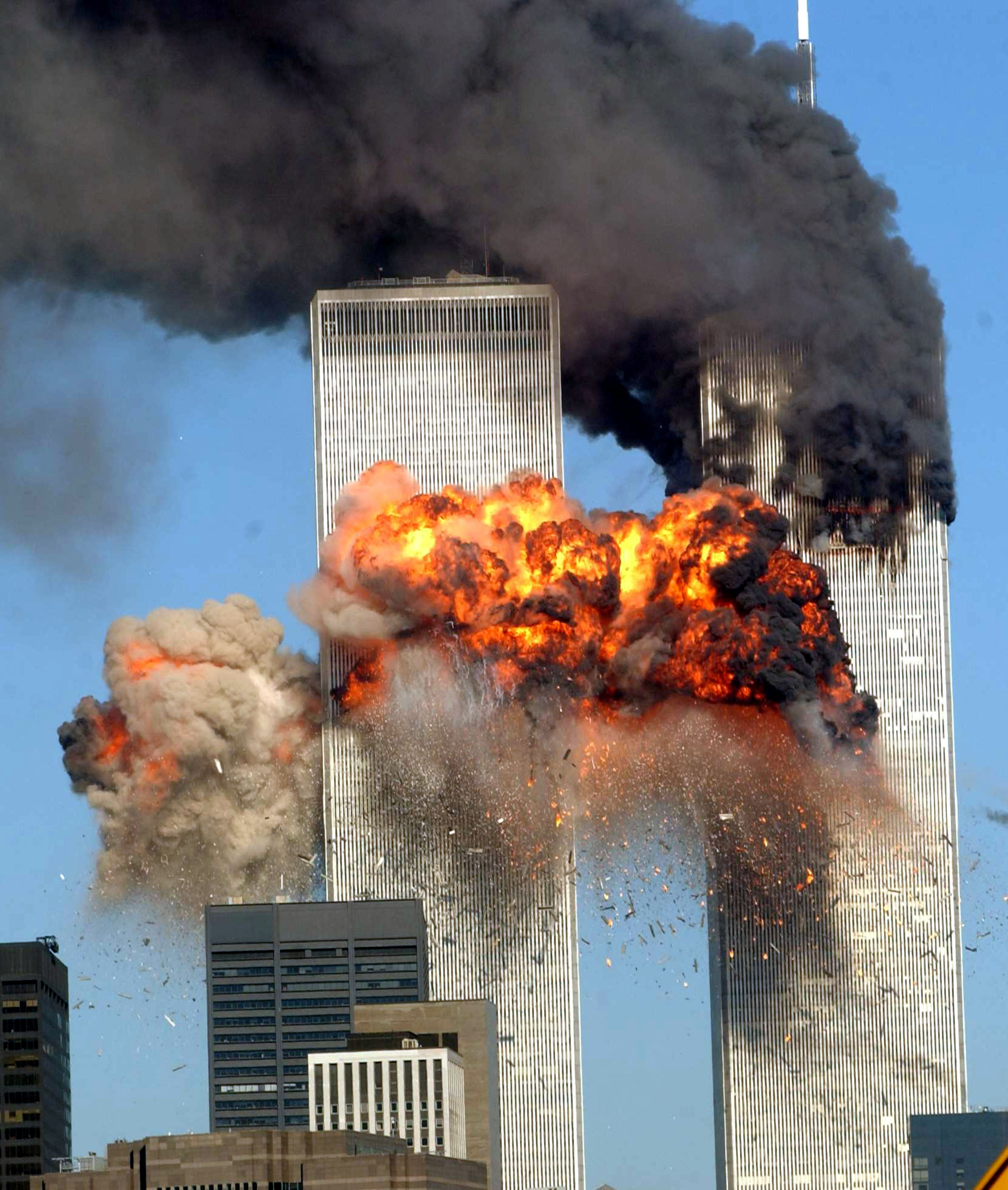
Barely 15 minutes later, as global news networks hastily mobilized coverage of the smoking North Tower, United Airlines Flight 175—also a hijacked Boeing 767 originating from Boston with 65 people on board—slammed directly into the South Tower (2 WTC) between the 77th and 85th floors. Broadcast live on national television, the second impact dispelled any lingering illusions of an accident, confirming unequivocally that the United States was under systematic attack.
9:37 AM: The Pentagon Attack
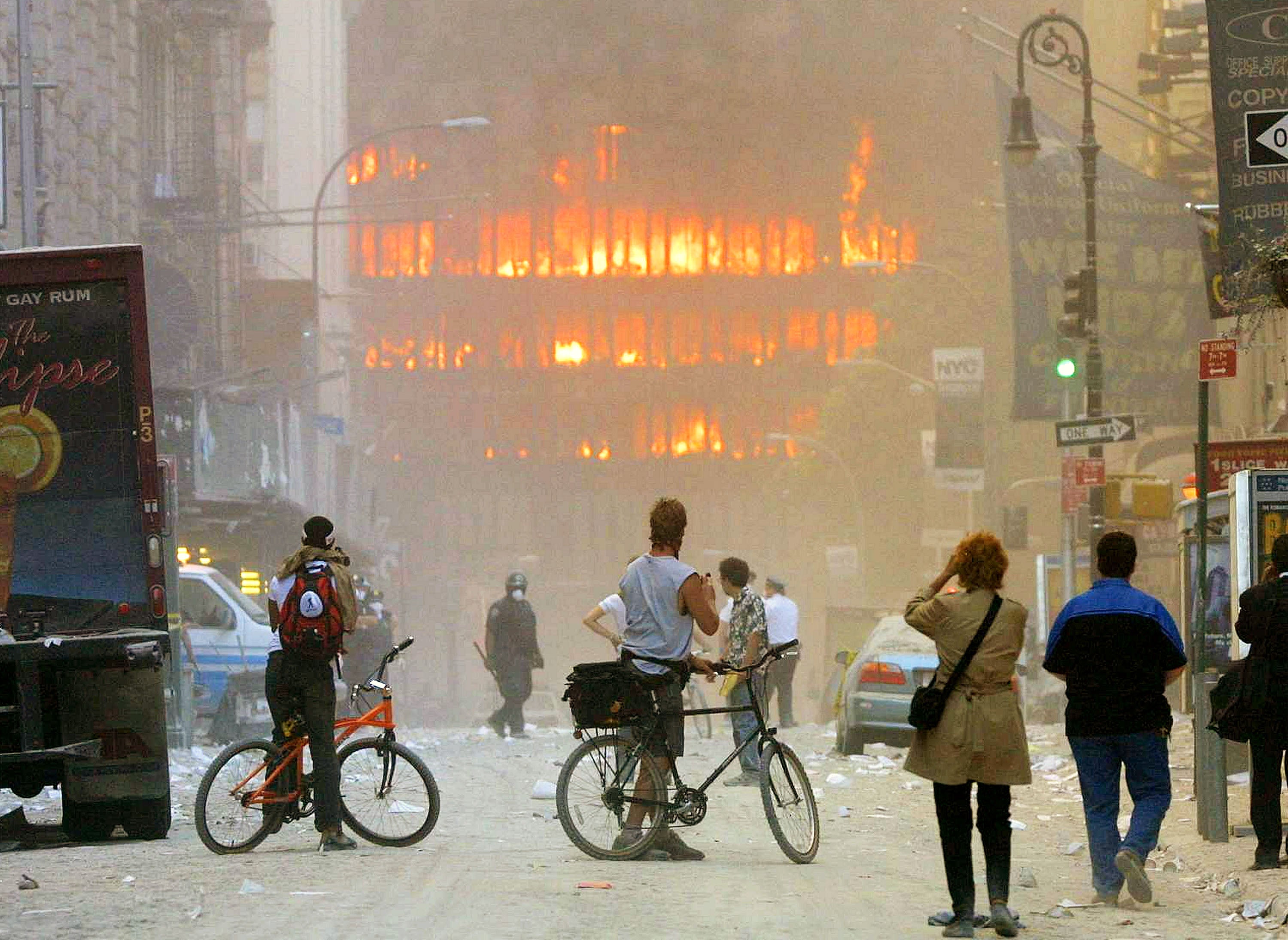
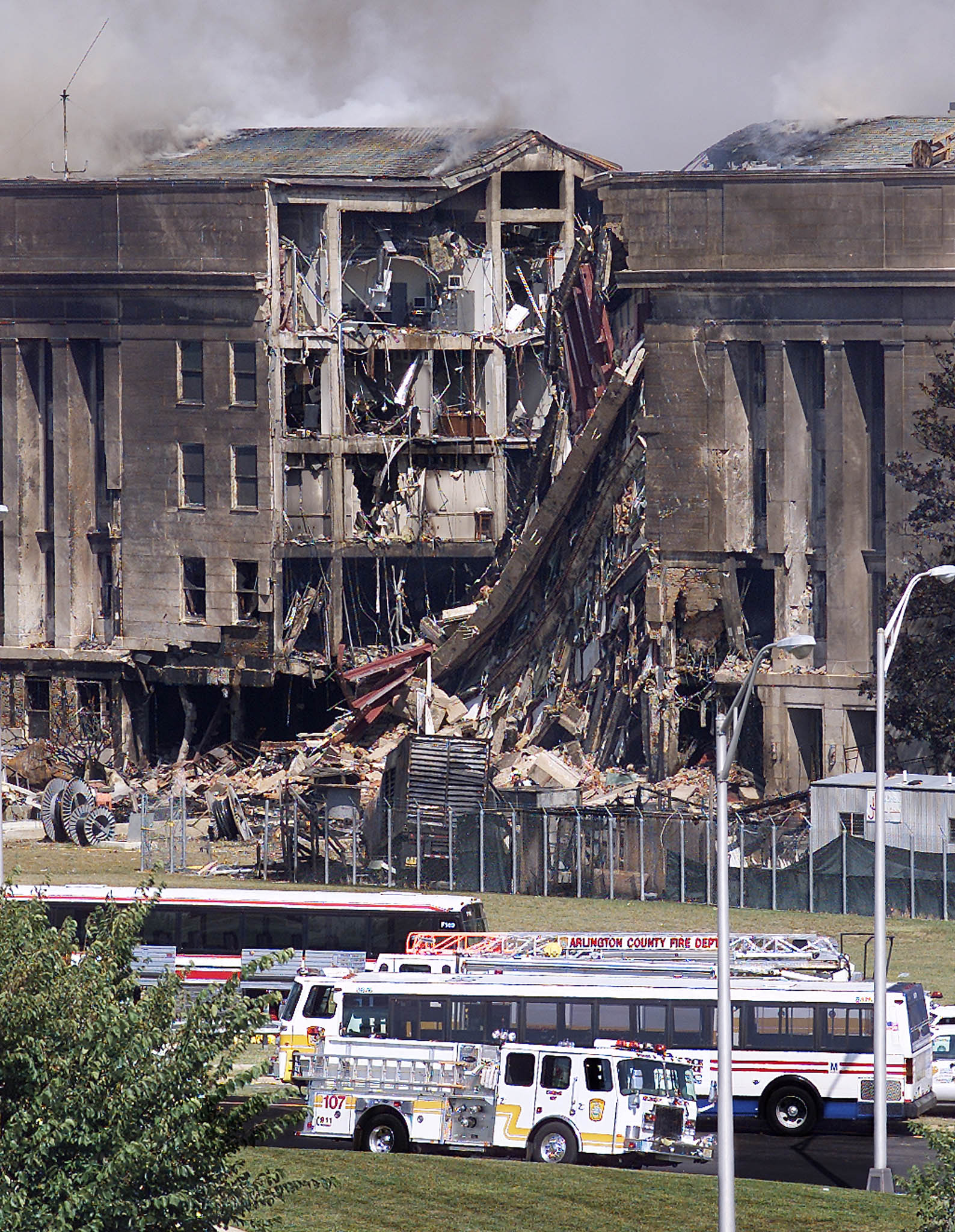
As the crisis in New York escalated, a third hijacked aircraft, American Airlines Flight 77—a Boeing 757 carrying 64 people—crashed into the western facade of the Pentagon, the headquarters of the United States Department of Defense. The impact caused a structural collapse of a portion of the building and claimed the lives of 125 military personnel and civilians inside, alongside all passengers and crew on board.
9:59 AM & 10:28 AM: The Collapse of the Towers
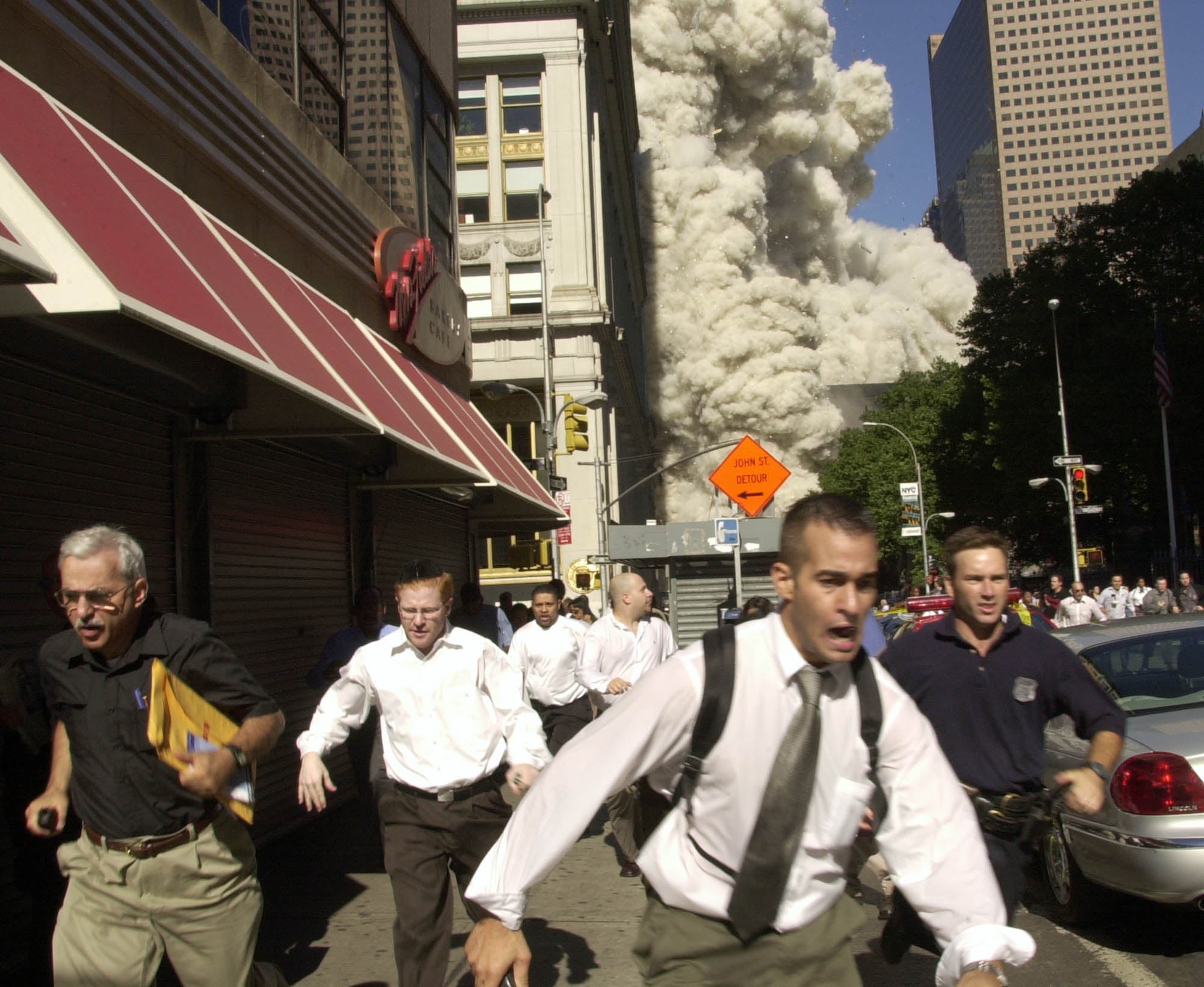
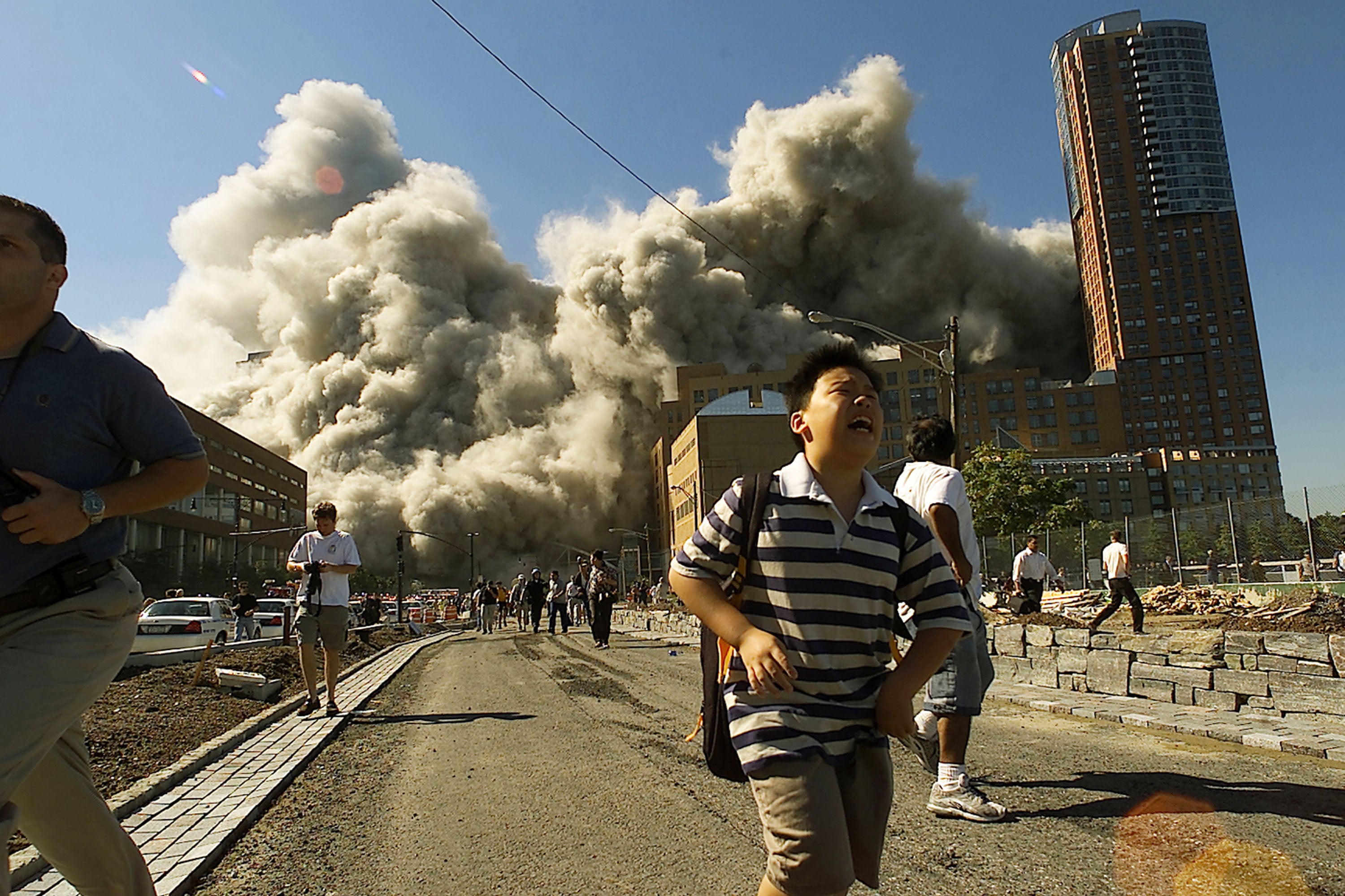
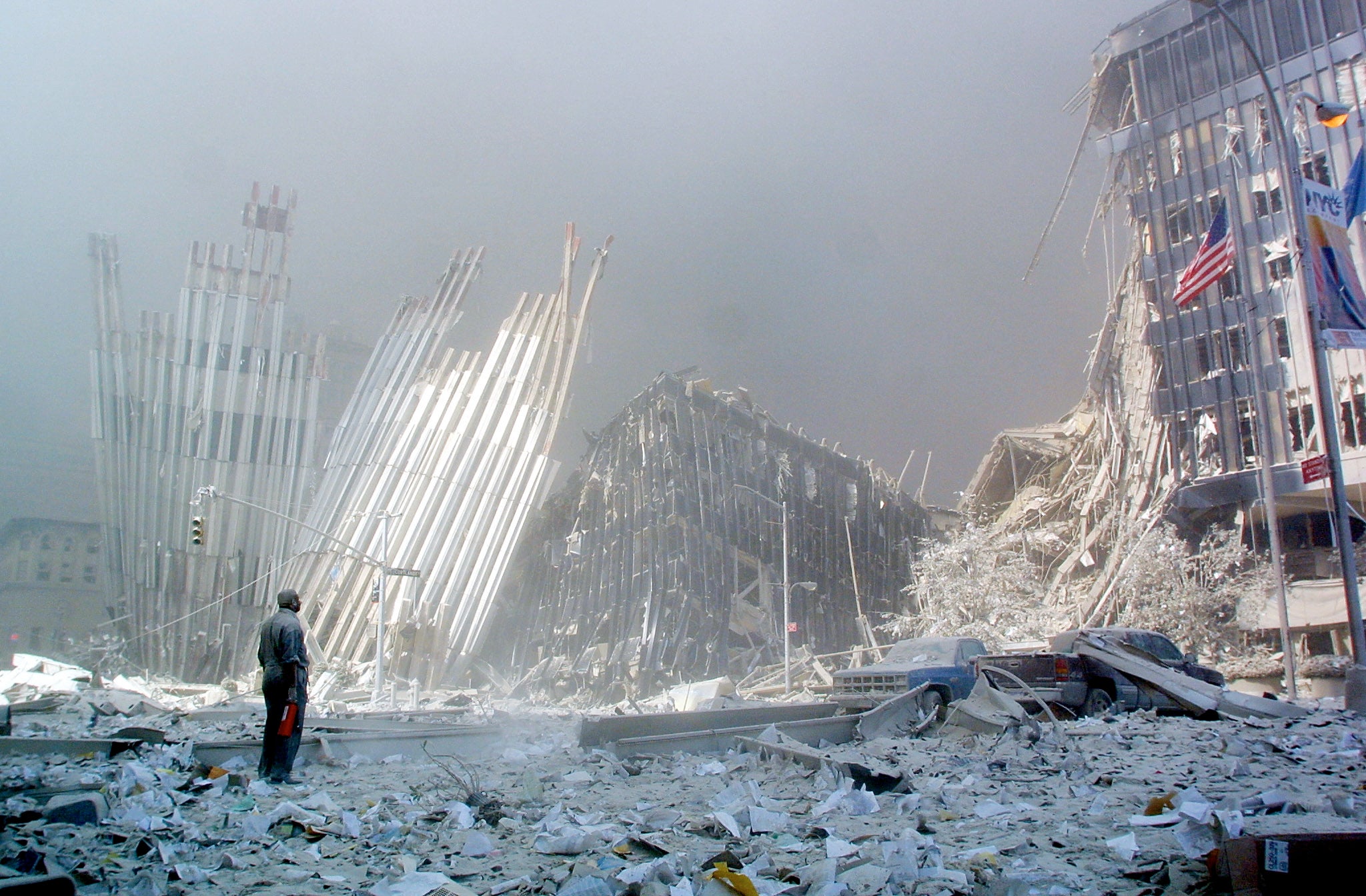
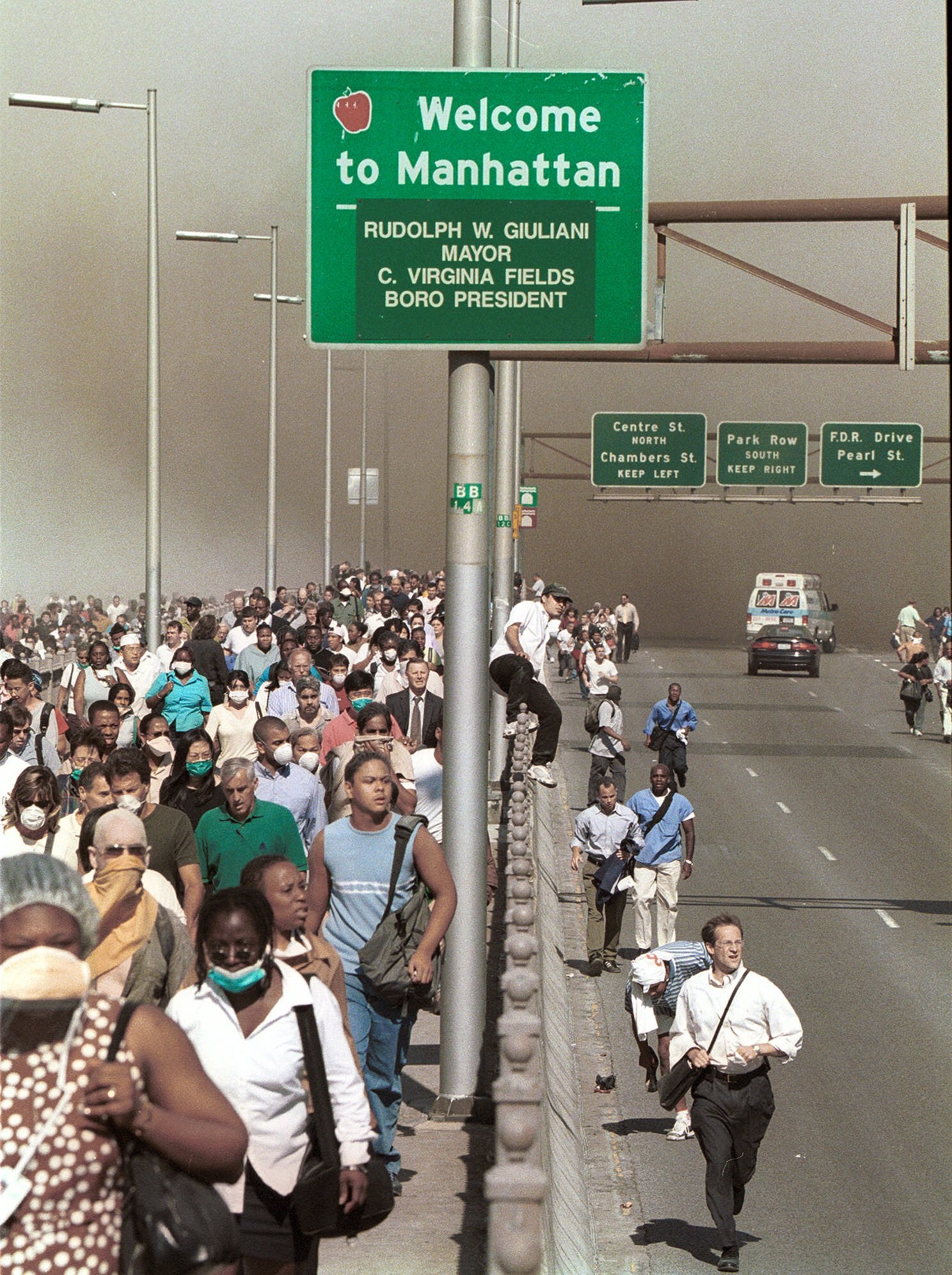
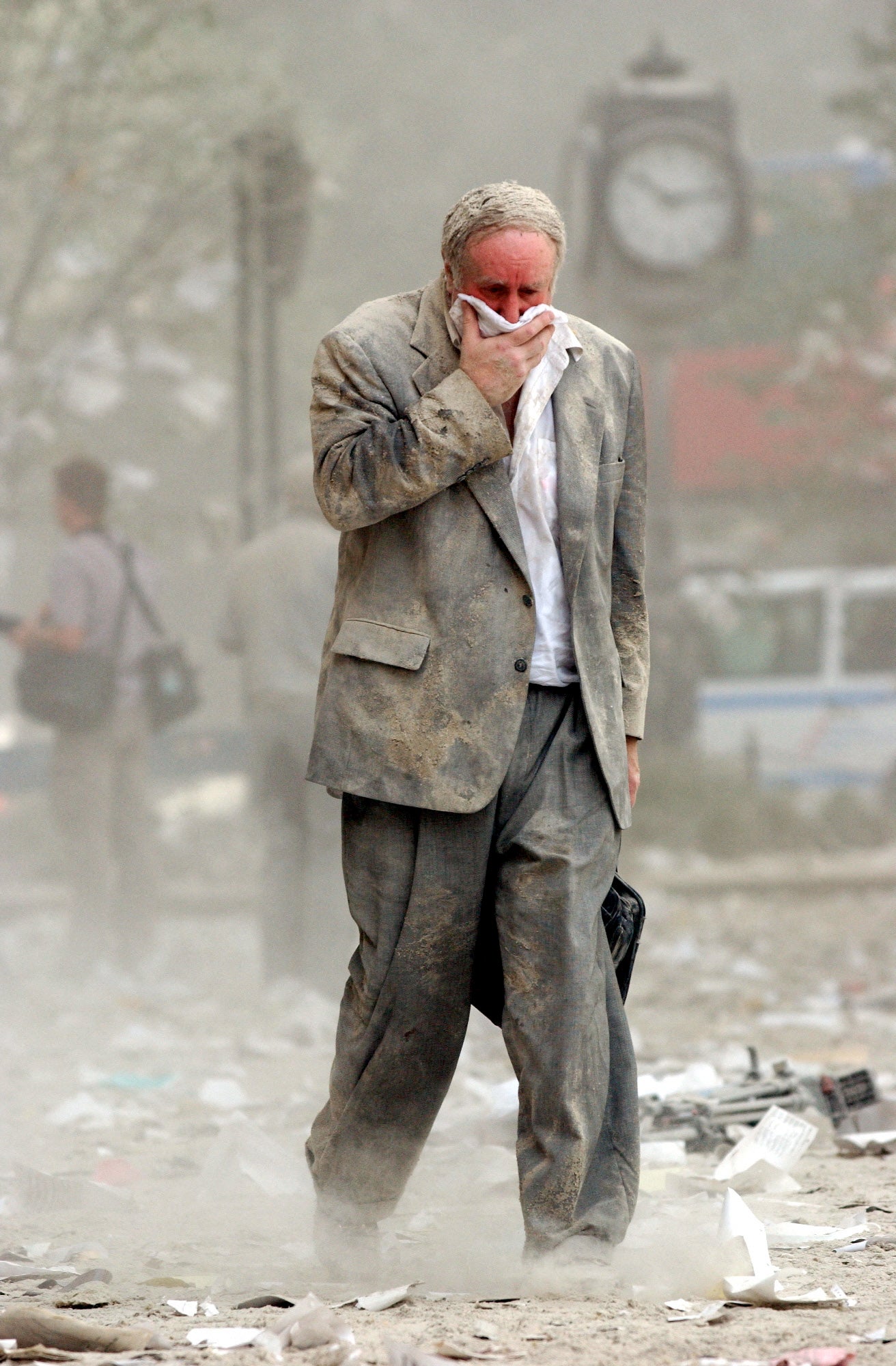
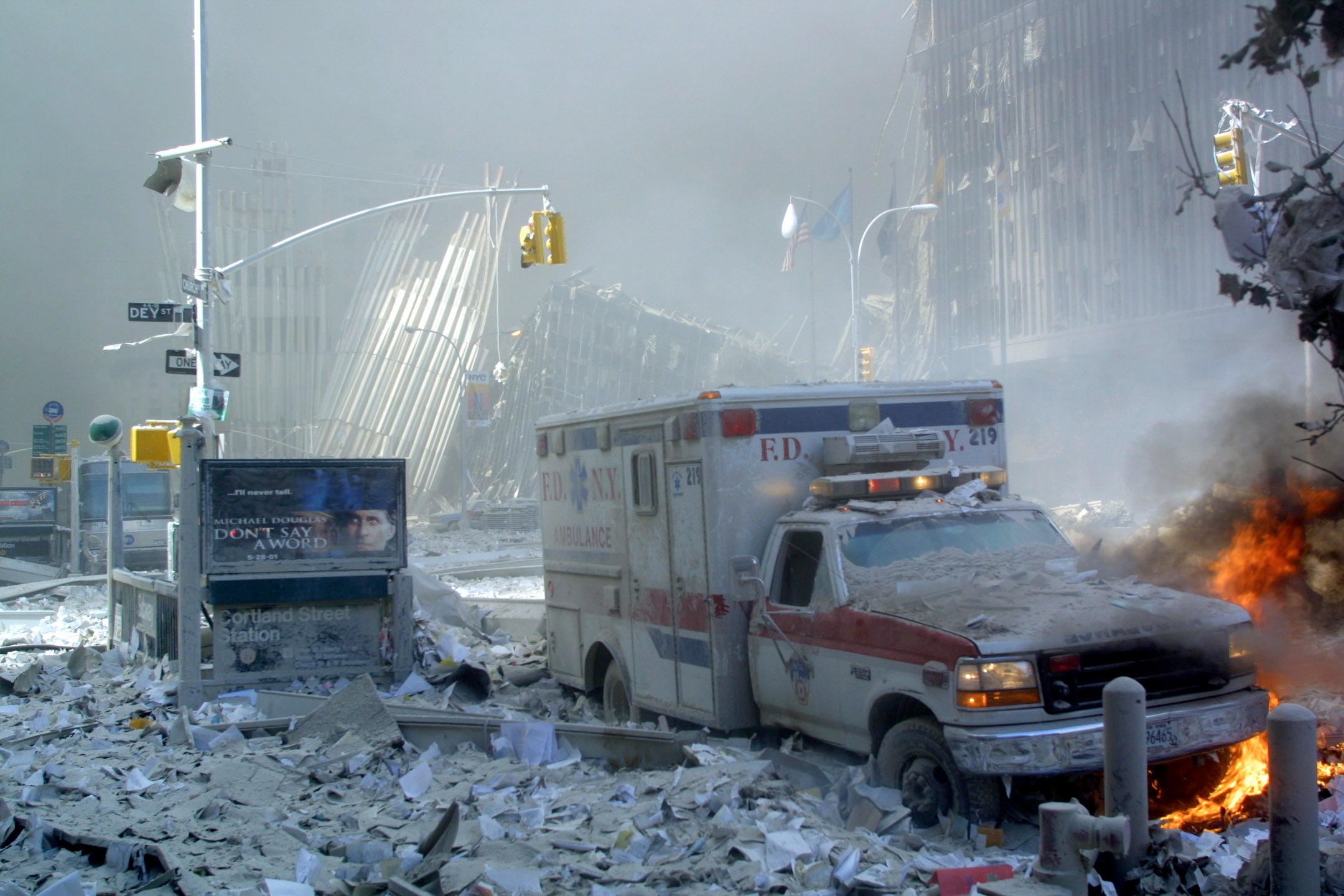
The immense heat generated by the burning jet fuel and office materials weakened the structural integrity of the Twin Towers beyond their engineered capacities. At 9:59 AM, after burning for approximately 56 minutes, the South Tower collapsed in a catastrophic cascade of steel and concrete. Thirty minutes later, at 10:28 AM, the North Tower followed suit. The collapses enveloped Lower Manhattan in dense, toxic clouds of pulverized concrete, ash, and soot, plunging the surrounding neighborhood into twilight and triggering panicked evacuations.
10:03 AM: Flight 93 Goes Down in Pennsylvania
The fourth hijacked plane, United Airlines Flight 93, had been delayed on the tarmac in Newark before takeoff. Armed with intelligence from family members on the ground regarding the attacks in New York and Washington, the passengers and crew led a courageous revolt against the hijackers. Realizing the plane was intended to strike a high-value target in Washington, D.C.—likely the U.S. Capitol or the White House—the passengers stormed the cockpit. The resulting struggle forced the aircraft to crash-land in an open field near Shanksville, Pennsylvania, tragically killing all 40 passengers and crew on board, but preventing a fourth site of mass devastation.
Supporting Context, Metrics, and Human Impact
The statistical reality of September 11 underscores the vast scale of the tragedy, while individual accounts highlight the profound human cost.
Casualties and Emergency Response
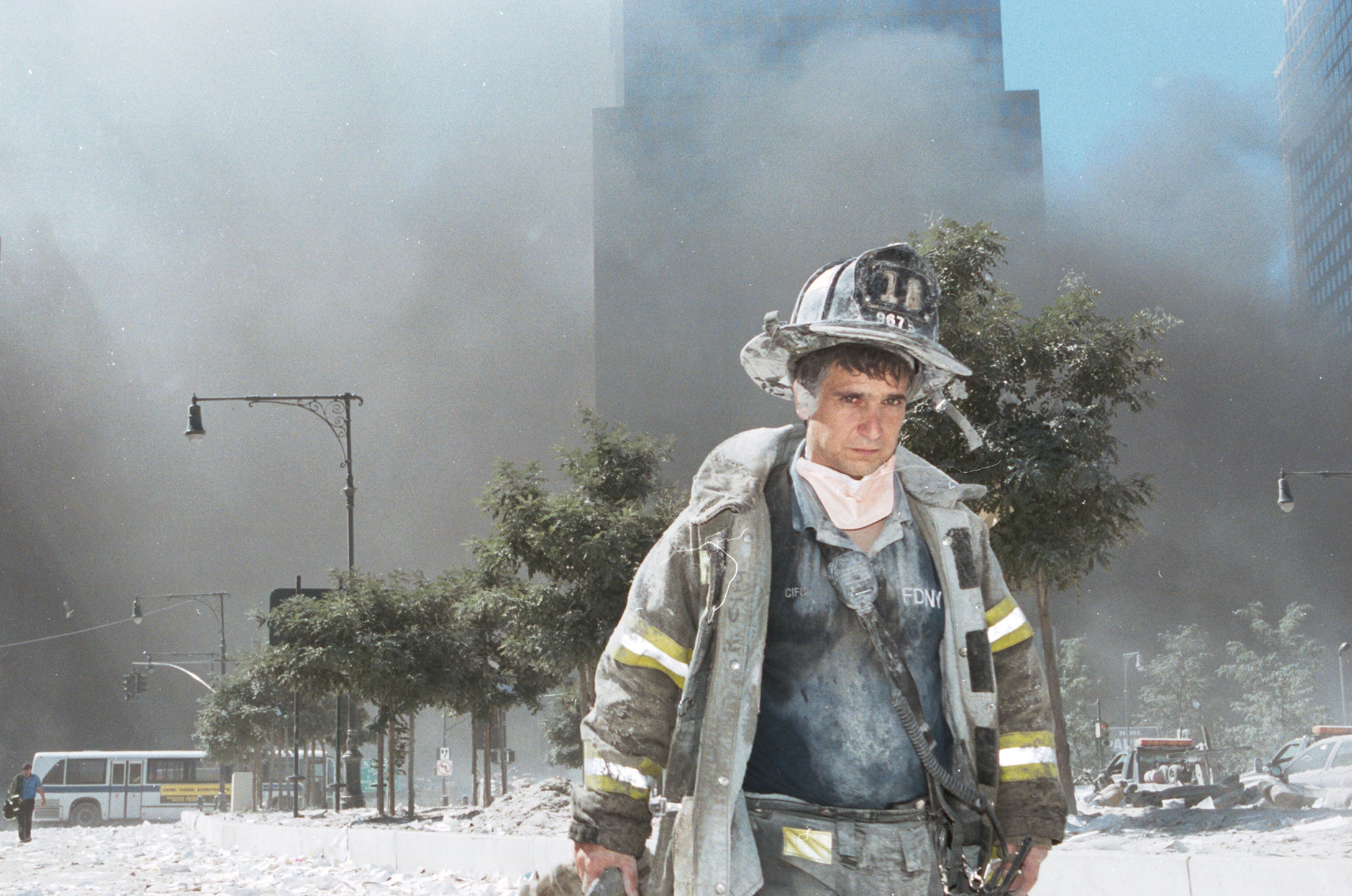
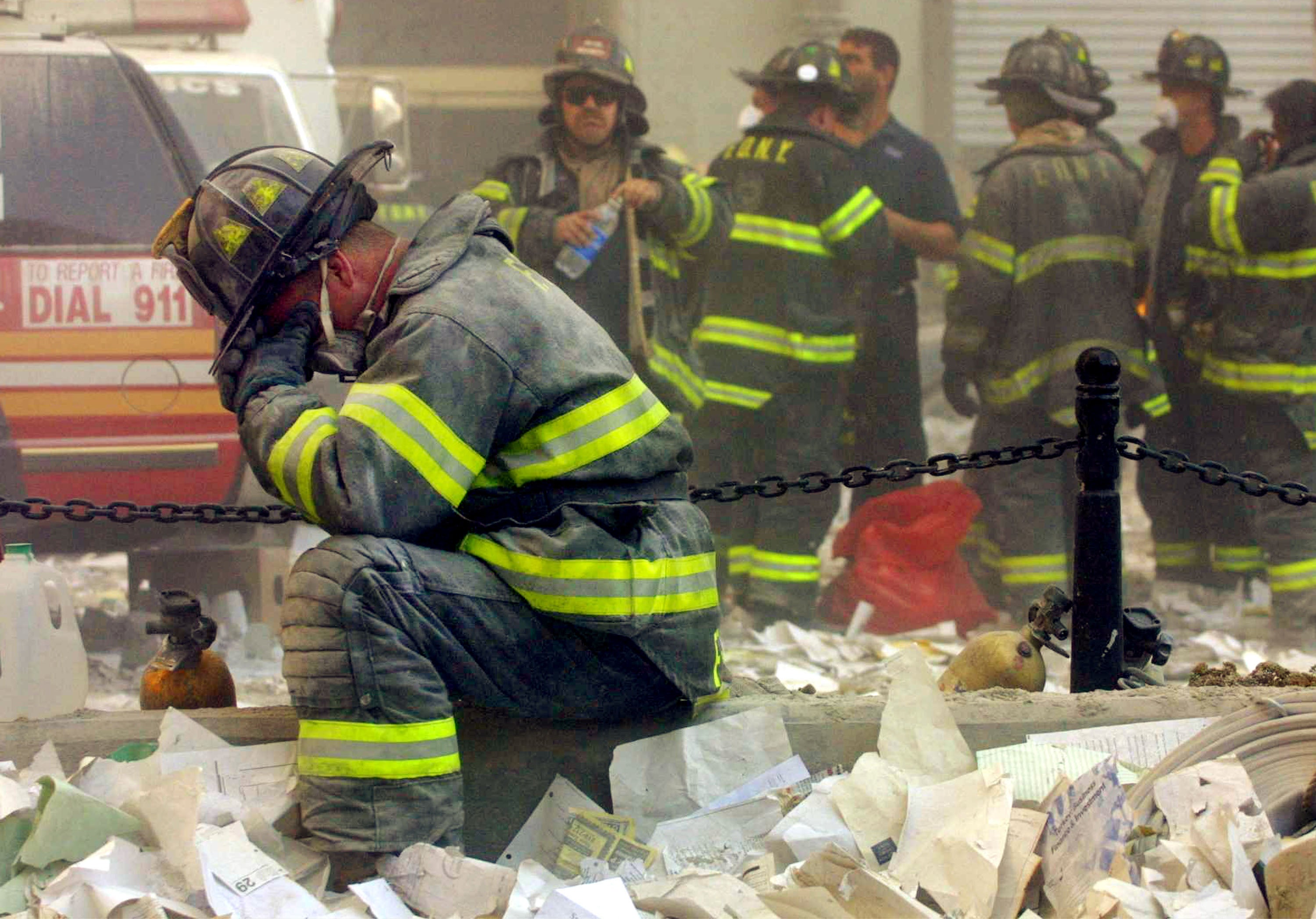
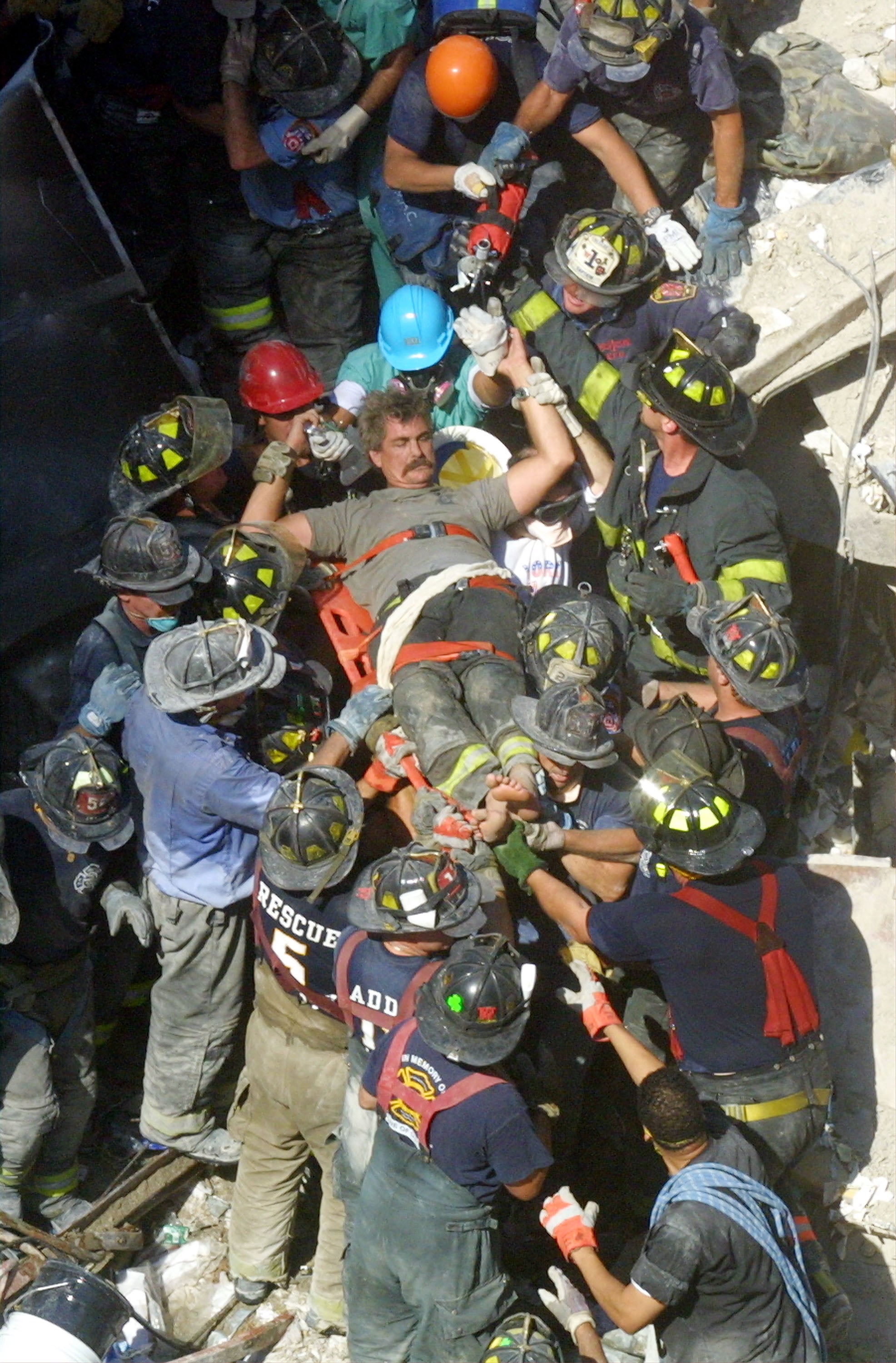
Of the 2,977 victims who perished in the attacks (excluding the 19 hijackers), the vast majority lost their lives at the World Trade Center site. Among the dead were 343 members of the New York City Fire Department (FDNY)—including Department Chaplain Father Mychal Judge—and 71 law enforcement officers from various agencies, representing the largest loss of emergency responder life in a single event in United States history.
In total, 412 rescue and emergency workers died on 9/11. City Hall records indicate that over the subsequent months and years, approximately 91,000 rescue, recovery, and cleanup personnel mobilized at Ground Zero, confronting toxic air quality composed of pulverized asbestos, heavy metals, glass fibers, and benzene. Decades later, thousands of these workers have suffered from chronic respiratory illnesses, cancers, and other ailments linked to their time at the site, cementing a protracted health crisis alongside the immediate losses.
The Cleanup and Architectural Rebuilding
The logistical undertaking required to clear the World Trade Center site—colloquially named "Ground Zero"—was monumental. Over an intensive nine-month period, workers removed approximately 1.8 million tons of debris and twisted steel.
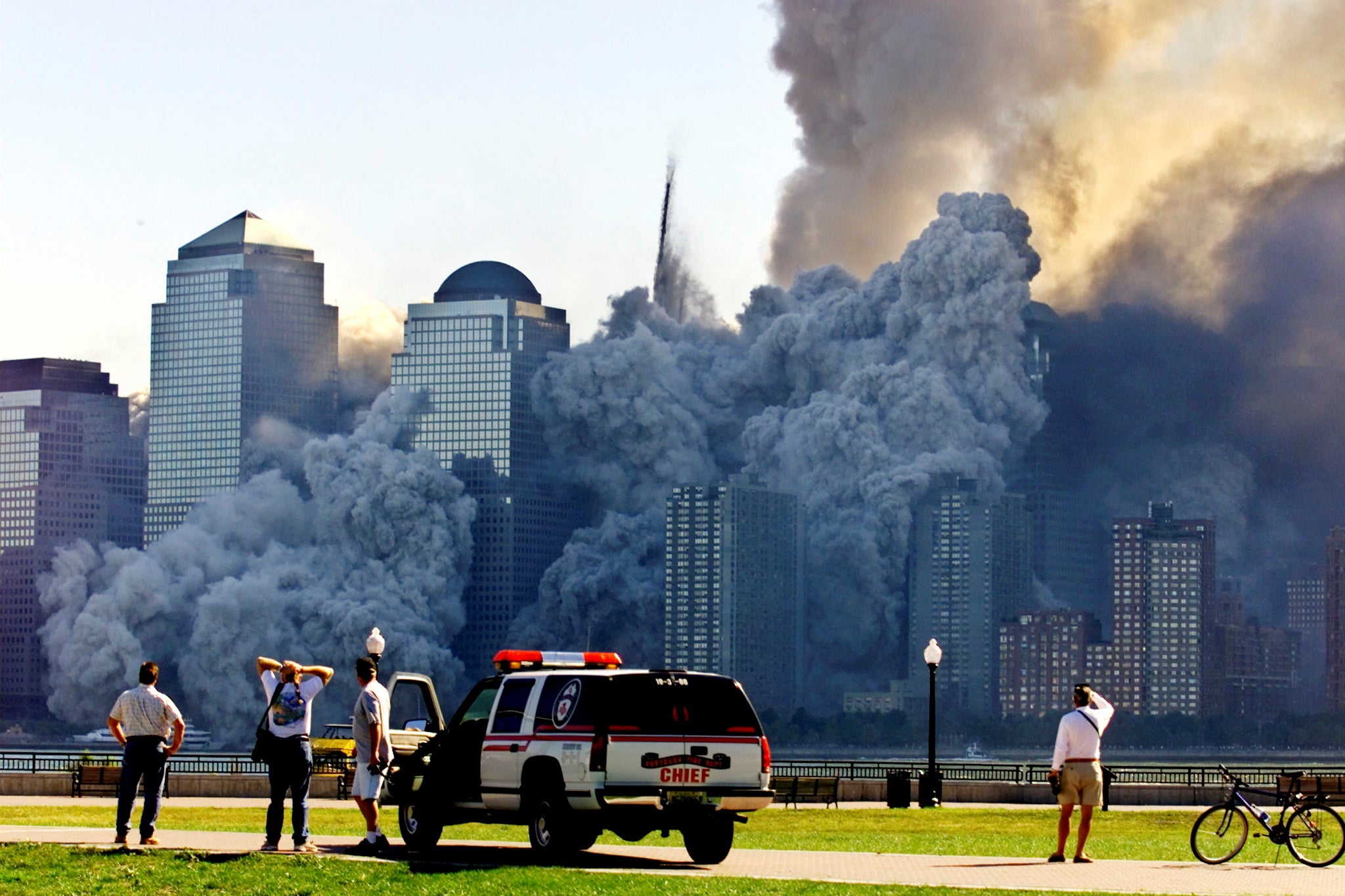
Surrounding structures sustained heavy collateral damage. The Winter Garden at the World Financial Center suffered shattered glass and structural buckling, yet served as an essential conduit for thousands fleeing the collapsing towers. Directly across the street, St. Paul’s Episcopal Church miraculously survived the onslaught completely unscathed, subsequently transforming into an operational sanctuary, relief distribution hub, and resting space for exhausted rescue workers.
Official Statements and Retrospective Reflections
In the quarter-century since the attacks, political and civic leaders have consistently emphasized the importance of preserving the memory of 9/11 while fortifying democratic values against the forces of extremism.
During memorial addresses delivered on successive anniversaries, U.S. presidents and international dignitaries have continually underscored that the resilience of free societies remains the ultimate rebuke to terrorism. In reflections on the institutional failures and subsequent intelligence reforms that followed, officials have highlighted the creation of the Department of Homeland Security and the overhaul of the intelligence community as watershed moments designed to protect the homeland from transnational threats.
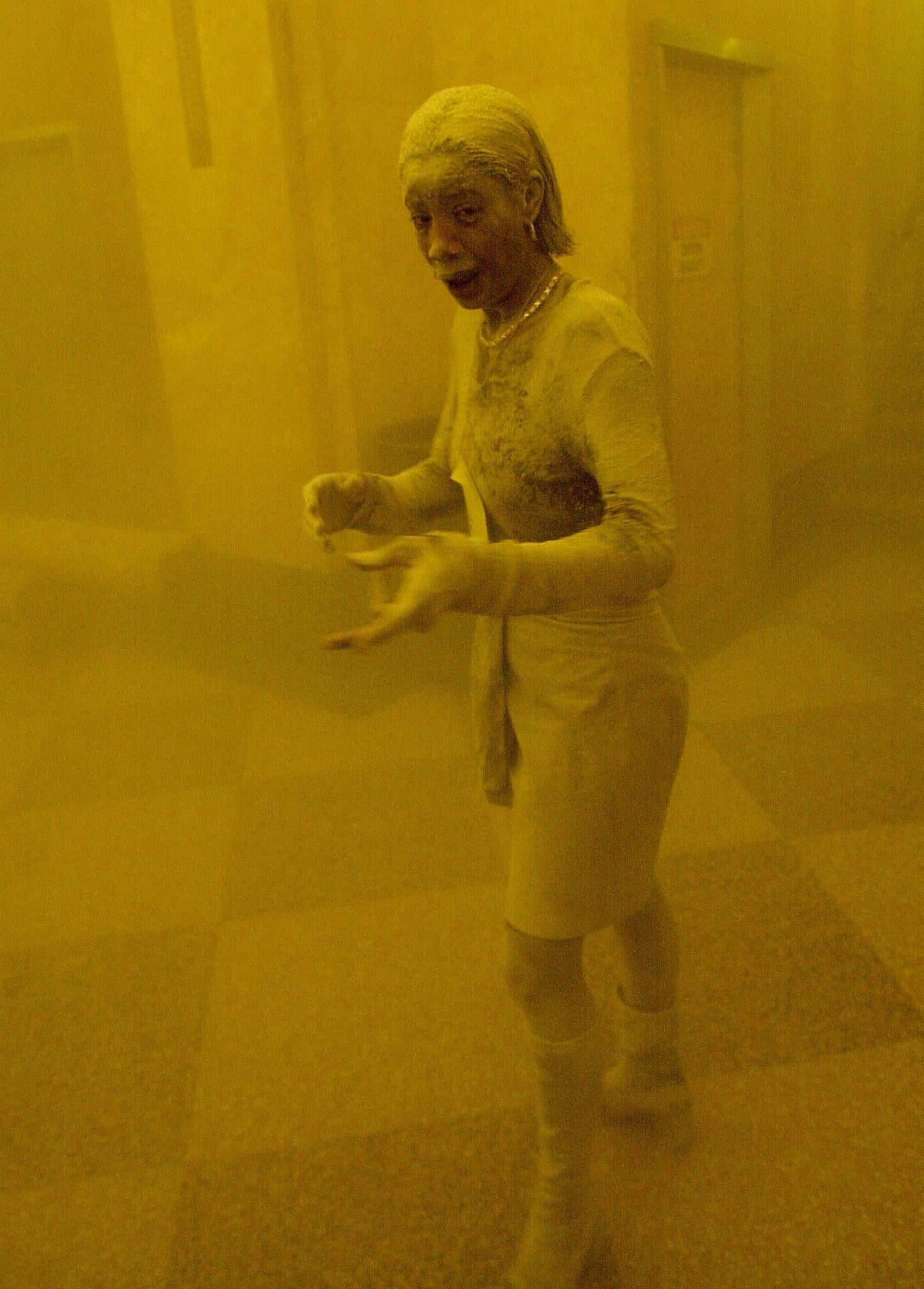
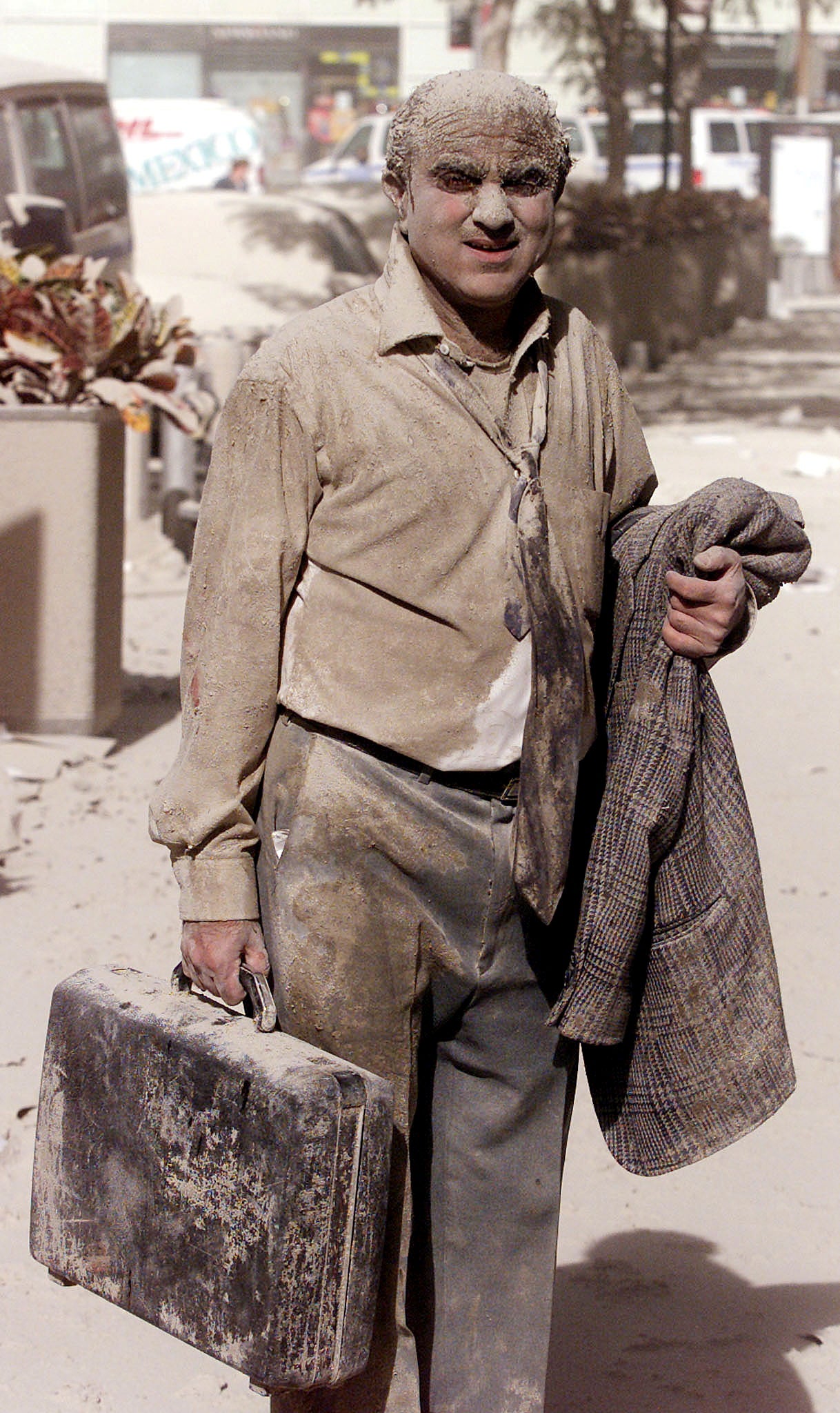
Simultaneously, survivor advocacy groups have successfully campaigned for permanent memorials and educational institutions, ensuring that subsequent generations understand not only the geopolitics of that era, but also the stories of everyday citizens—such as bank teller Marcy Borders, immortalized as the "Dust Lady," and corporate executive Edward Fine—whose lives were irrevocably altered by the catastrophe.
Future Outlook: A Changed World at 25 Years
As the 25th anniversary is observed, the world stands at a critical historical juncture. The generation born after September 11, 2001, is now entering the workforce, voting booths, and halls of governance, viewing the attacks through the lens of history rather than lived memory.
The security architecture constructed in the immediate aftermath of 9/11—characterized by heightened airport screenings, mass electronic surveillance programs, and two decades of protracted military engagements in the Middle East—has undergone continuous evolution. Today, the global threat landscape has diversified significantly. While transnational jihadist networks like al-Qaeda and its successors remain a localized concern, Western democracies face increasingly complex security challenges, including state-sponsored cyber warfare, domestic extremist radicalization, and geopolitical instability across Eastern Europe and the Indo-Pacific.
Yet, the legacy of 9/11 endures not merely as a symbol of vulnerability or protracted conflict, but as a testament to communal solidarity and endurance. Ground Zero, once a smoking crater of destruction, now houses the National September 11 Memorial & Museum alongside the soaring spire of One World Trade Center—a powerful declaration of renewal.
As the years advance, the solemn mandate for the global community remains steadfast: to honor the victims through remembrance, to support the survivors and families who bear the lifelong burden of loss, and to safeguard the foundational principles of democracy, liberty, and human dignity against the shadows of terror.