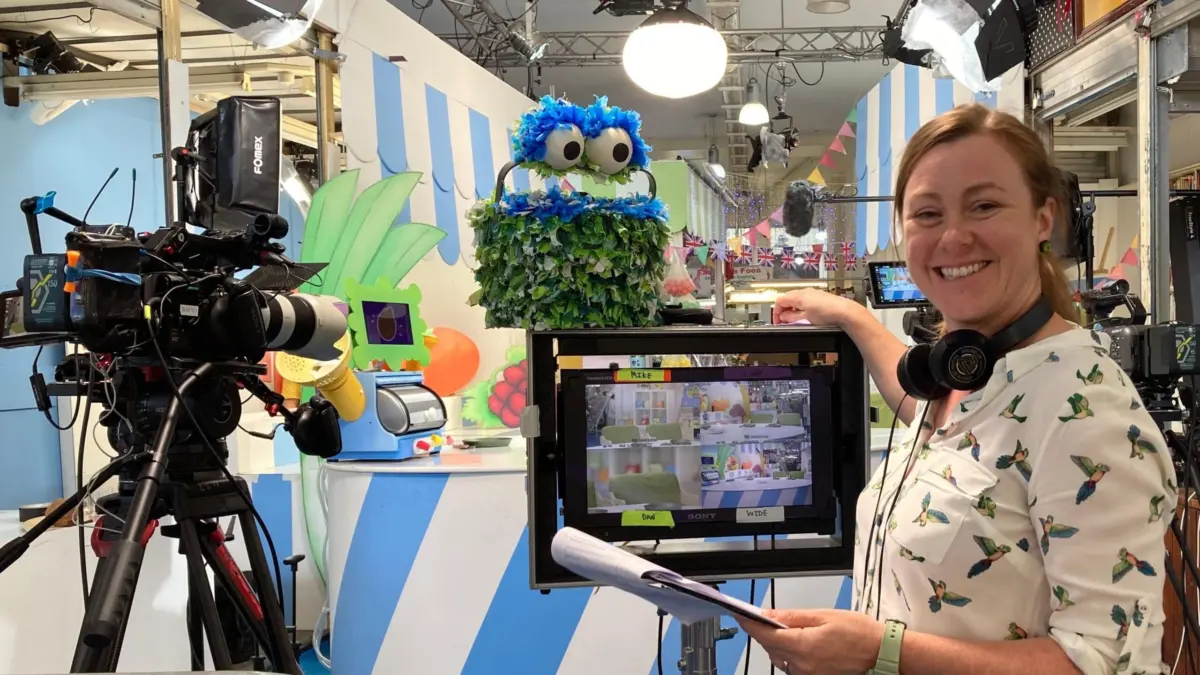
Coventry Market—a bustling local hub historically defined by its vibrant fruit and vegetable stalls, aromatic fish counters, and steady foot traffic—has temporarily transformed into an unexpected television set. Amidst regular shoppers, lingering locals, and industrious traders, production cameras are rolling for an ambitious new CBeebies children’s television series titled I Can Taste It.
Aimed squarely at children aged three to six, the upcoming show is designed to foster confidence, curiosity, and excitement around trying new foods. Utilizing an immersive, multi-sensory approach, the program guides young participants through experiences involving sight, smell, touch, sound, and taste. Produced by Leamington Spa-based independent production company Common Story, the series has chosen Coventry Market not merely as a convenient backdrop, but as an authentic, living classroom where children can engage directly with real food in a genuine community environment.
Scheduled to hit television screens in spring 2027, I Can Taste It represents a significant milestone for both its creators and the historic market itself. By bridging the gap between educational children’s media and the authentic heartbeat of traditional British commerce, the production aims to reshape how the youngest generation perceives food, provenance, and community spaces.
Detailed Chronology: From Concept to Market Floor
The journey of I Can Taste It from a nascent idea on a production whiteboard to active, bustling production on the floor of Coventry Market is a testament to meticulous planning and creative adaptability.
The Genesis of Common Story
The foundation of the project stretches back several years, rooted in the steady growth of Common Story. Founded six years ago in a humble garden shed with a modest initial budget of £10,000, the company has steadily built an impressive reputation within children’s media. Over its operational lifespan, Common Story has produced more than 100 programs for CBeebies, establishing a trusted creative partnership with the BBC’s pre-school channel. With another 30 programs currently in production or development, the company has evolved into a powerhouse of regional British television production, maintaining a steadfast commitment to authentic representation and local roots.
Scouting Coventry Market
When the concept for a food-exploration series for toddlers and young children was greenlit, the production team sought a location that offered more than a sterile, controlled studio environment. They needed a place alive with color, texture, sound, and genuine human interaction. Coventry Market—with its rich architectural heritage, vibrant atmosphere, and diverse array of independent traders—emerged as the definitive choice.
Production scouts and directors recognized that modern children often experience food in pre-packaged formats within clinical supermarket aisles. To genuinely spark their curiosity, the team needed a dynamic ecosystem. The market offered precisely this: a sensory-rich landscape where children could hear the calls of traders, smell fresh produce, and touch everything from rough-skinned squashes to glistening scales on fresh fish.
Production Execution: Embracing the "Glorious Chaos"
Filming on location in a functioning, public-facing market is rarely a straightforward endeavor. According to Director Jess Matthews, the production process is characterized by a "glorious chaos." Rather than relying on rigid scripts and tightly controlled studio environments, the production team often throws out conventional rulebooks to respond organically to the genuine, unfiltered reactions of the children involved.
Shooting alongside the daily rhythm of the market requires immense flexibility. Cameras capture unscripted moments of wonder as young participants taste unfamiliar fruits, inspect unusual vegetables, and interact with the show’s hosts. This documentary-style spontaneity ensures that the final product maintains an authentic charm that resonates deeply with its young audience.
Supporting Context & Metrics: The Anatomy of a Modern Children’s Show
To fully understand the impact of I Can Taste It, it is essential to examine the mechanics of its production, the intentionality behind its design, and the broader cultural significance of Coventry Market as a filming location.
Designing the Multi-Sensory Experience
The core pedagogical mission of I Can Taste It is addressing food phobias and culinary apprehension in early childhood. Childhood nutritional experts have long noted that introducing varied textures, aromas, and visual stimuli early in life can dramatically reduce picky eating habits later on.
The production achieves this by engaging all five senses:
Smell: The natural, earthy aromas of fresh vegetables, herbs, and fish counters.
Touch: Direct, tactile engagement with various foodstuffs, allowing children to feel textures ranging from bumpy and rough to smooth and soft.
Sound: The ambient chatter of the market, the rustling of produce, and interactive audio cues led by the presenters.
Taste: Guided, low-pressure tasting sessions encouraging children to explore flavors on their own terms.
The Cast of Characters
Guiding the children through these sensory explorations is a dynamic lineup of on-screen talent and imaginative characters:
Aaron Roach Bridgeman: The charismatic human presenter who anchors the show, leading children through activities with warmth and enthusiasm.
Zesty: A vibrant, orange furry puppet featuring large white eyes and cheerful pink hair tufts, serving as a relatable co-host for the young audience.
Compost Monster: A visually distinct green puppet character crafted from leaf-like materials, introduced specifically to educate children on sustainable food habits, environmental responsibility, and the reduction of food waste.
Local Impact and Nostalgia
For the families participating in the show, the experience extends far beyond television production. Six-year-old Oscar, hailing nearby from Bedworth, secured his spot on the show after his mother, Hannah, spotted a casting call on social media. Noting Oscar’s naturally chatty demeanor and deep love for food, producers quickly recognized his potential during auditions.
For Hannah, the filming sessions at Coventry Market carry a profound layer of personal nostalgia. Growing up, her parents brought her to the market every Saturday morning for the weekly family shop—a routine that invariably included begging for a ride on the local roundabout. Walking back into the market today evokes powerful memories, making her feel, in her own words, "like I’m four years old again, holding my dad’s hand."
Official Statements & Community Perspectives
The convergence of a major BBC children’s television production with a historic civic marketplace has generated widespread enthusiasm among producers, local traders, and community figures alike.
Dom Sant, Founder of Common Story
Reflecting on the decision to base the series in Coventry, Dom Sant emphasized the fundamental importance of authentic representation in media for young children.
"It’s important that children see themselves represented in real places with real people," Sant stated.
He highlighted that the market’s unique atmosphere, diverse range of independent stalls, and palpable sense of community made it an irreplaceable setting for a show focused on real-world discovery.
Jess Matthews, Director
Describing the day-to-day reality of filming on location, Director Jess Matthews provided insight into the collaborative, reactive nature of the production:
"It’s glorious chaos. We aren’t just filming a script; we are responding to the children in real-time, capturing their genuine expressions of surprise, curiosity, and joy as they experience these foods for the very first time."
David Betts, Market Trader
Local business owners have equally embraced the spotlight. David Betts, a trader representing Betts and Sons, noted that the production has provided a much-needed celebration of one of the city’s most enduring cultural landmarks.
"It’s one of the iconic places in Coventry and people take it for granted," Betts remarked, expressing gratitude for the national attention the market is receiving.
Clive Miller, Fishmonger
Echoing these sentiments, fishmonger Clive Miller emphasized the educational value of bringing children face-to-face with traditional market produce.
"When children go to the supermarket, they don’t get to see fish like this," Miller observed, pointing out whole catches and glistening fillets resting on crushed ice. "It’s a chance for them to learn about a wider variety of fish and understand where their food actually comes from."
Future Outlook: Looking Toward the 2027 Premiere
As production on I Can Taste It continues to unfold across the aisles of Coventry Market, anticipation is steadily building for its eventual broadcast.
With a confirmed release window of spring 2027, the series is poised to become a staple of the CBeebies morning schedule. Beyond its immediate entertainment value, the show holds the potential to inspire a renewed appreciation for traditional British markets among a younger generation accustomed exclusively to digital entertainment and hyper-marketed grocery chains.
For Common Story, the project marks another high-profile chapter in their remarkable upward trajectory. Having scaled from a £10,000 garden shed operation to a prolific contributor to public service broadcasting, the company’s success underscores the viability and creative power of regional production hubs outside of London.
As the cameras stop rolling for the day and the market returns to its daily rhythm of trade, the children, parents, and traders of Coventry share a quiet pride. They are not merely participating in the creation of a television show; they are helping to plant the seeds of healthy habits, curiosity, and community pride that will resonate in homes across the United Kingdom for years to come.