Executive Overview
As autumn approaches, television screens are once again preparing to welcome fresh adaptations of Jane Austen’s immortal masterpieces, Pride and Prejudice and Sense and Sensibility. For generations, Austen has reigned supreme as the undisputed queen of period drama, her biting social satire and timeless romances serving as a lucrative bedrock for prestige television and cinematic adaptations alike. Yet, this persistent cultural fixation risks obscuring a vast, vibrant, and surprisingly edgy literary landscape that flourished alongside Austen’s era.
Long before the era of multi-platform streaming wars, 18th-century English literature was bursting with narratives that feel startlingly contemporary. Far from the sanitized, polite drawing-room dramas often associated with the period, the century’s most influential novels—and many of its unjustly forgotten ones—grappled with identity manipulation, economic precarity, toxic fandoms, systemic abuse of power, and psychological terror.
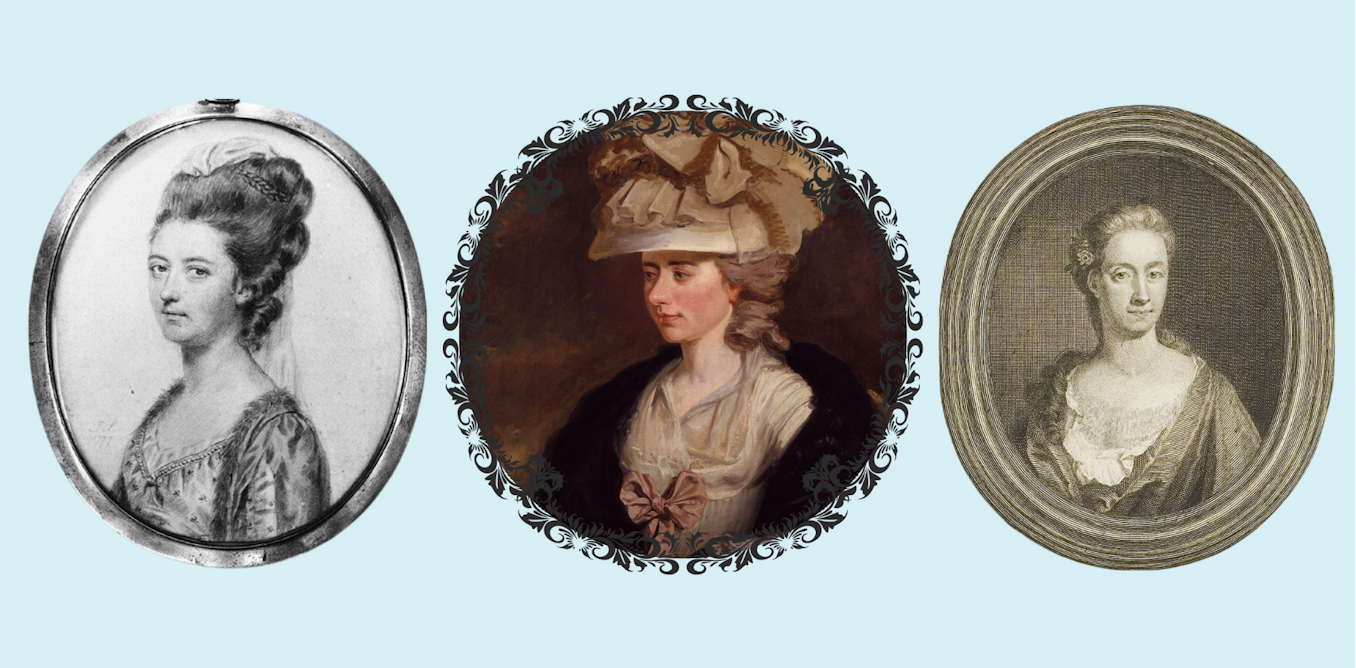
This article explores five groundbreaking 18th-century novels that contain all the structural ingredients modern streaming algorithms crave: romance, scandal, mistaken identities, unreliable narrators, gothic suspense, and razor-sharp social commentary. Three centuries after their initial publication, these literary works are ripe for rediscovery, offering twenty-first-century audiences a glimpse into a historical literary world that was often stranger, riskier, and far more inventive than what typically makes it to our screens.
Detailed Chronology: Five Pre-Austen Masterpieces Ready for the Screen
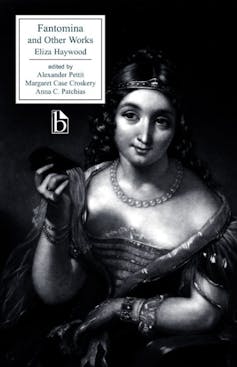
1. Fantomina: or, Love in a Maze (1725) by Eliza Haywood
- The Premise: The unnamed female protagonist—the ultimate literary chameleon—repeatedly reinvents herself through an elaborate series of disguises (as a country maid, a streetwalker, a widow, and a high-society flirt) to sustain a prolonged romantic and sexual intrigue with an unsuspecting lover.
- The Contemporary Echo: Long before the invention of algorithmic dating apps, curated Instagram feeds, or TikTok personas, Eliza Haywood understood that modern attraction is frequently a performance of self-presentation. Each persona grants the heroine a degree of freedom, mobility, and sexual agency strictly denied to respectable women of the 18th century. By stepping outside her conventional identity, the protagonist navigates public life on her own terms.
- Streaming Potential: The novella’s thematic exploration of online pseudonyms, fluid identities, and the double standards of public visibility makes it an ideal framework for an edgy, high-concept limited series examining modern dating culture through a historical lens.
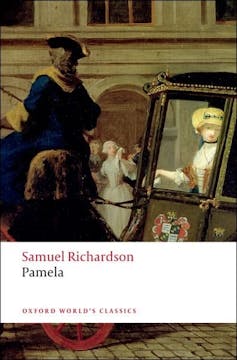
2. Pamela: or, Virtue Rewarded (1740) by Samuel Richardson
- The Premise: This sensational epistolary novel chronicles the harrowing trials of Pamela Andrews, a young, impoverished servant girl who must continually outwit and resist the aggressive, unwanted advances of her wealthy, powerful master.
- The Contemporary Echo: Centering entirely on the fault lines of class precarity, power dynamics, and the grim realities of consent, Richardson’s massive bestseller sparked fierce, polarized debates among its contemporary readership. Long before the #MeToo movement forced a global reckoning regarding the abuse of economic and institutional authority, Pamela interrogated the terrifying limitations placed on women whose livelihoods depend entirely upon the men who exploit them. While its controversial resolution often troubles modern audiences, this moral ambiguity is precisely what would fuel compelling, high-stakes television drama today.
- Streaming Potential: Structured as a tense psychological cat-and-mouse thriller, a modern adaptation could dissect systemic coercion with the rigorous, unfiltered lens currently reserved for contemporary prestige dramas.
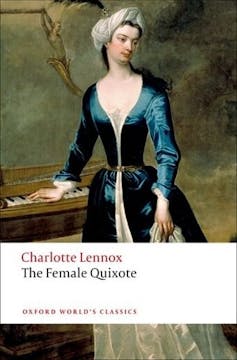
3. The Female Quixote; or, The Adventures of Arabella (1752) by Charlotte Lennox
- The Premise: Lady Arabella, raised in complete isolation and deeply addicted to French romance novels, maps the real, mundane world onto the exaggerated tropes of chivalric fiction. She genuinely expects everyday men to battle to the death for her honor and interprets innocent social interactions through wildly dramatic, heroic frameworks.
- The Contemporary Echo: Lennox’s brilliant satire feels uncannily attuned to twenty-first-century phenomena like BookTok, fan culture, and the cultural obsession with "book boyfriends"—fictional characters readers yearn to bring into reality. Arabella’s immersive reading habits mirror modern anxieties regarding the influence of popular fiction on readers, particularly young women. Furthermore, the novel exposes a persistent cultural bias: the tendency to dismiss women’s imaginative and emotional investments as frivolous, hysterical, or outright delusional.
- Streaming Potential: Perfectly balancing laugh-out-loud comedy with a surprisingly empathetic defense of female interiority, The Female Quixote offers a blueprint for a smart, meta-textual period comedy akin to Bridgerton meets Fleabag.
4. Evelina: Or, The History of a Young Lady’s Entrance Into the World (1778) by Fanny Burney
- The Premise: An instant literary sensation published anonymously, Evelina follows a sheltered, aristocratic young woman navigating the dazzling, terrifying pitfalls of London high society for the first time, wrestling with family secrets, awkward social blunders, and competing suitors.
- The Contemporary Echo: Often celebrated as "Austen before Austen," Fanny Burney’s masterpiece combines high comedy, romance, and incisive social satire. Below its sparkling humor lies a poignant, deeply relatable exploration of identity formation in a hyper-judgmental society obsessed with status, reputation, and class performance. Burney was famously one of Jane Austen’s favorite authors; readers familiar with Pride and Prejudice or Emma will instantly recognize the narrative DNA that later shaped Austen’s immortal heroines.
- Streaming Potential: Offering viewers both the comfort of the familiar and the thrill of the fresh, Evelina is an effortless commercial pitch for networks looking to capture the established global audience for Regency-adjacent period dramas.
5. The Mysteries of Udolpho: A Romance (1794) by Anne Radcliffe
- The Premise: A foundational text of Gothic horror, Radcliffe’s sweeping chiller plunges its heroine, Emily St. Aubert, into a nightmare of sublime landscapes, decaying architecture, dark family secrets, and a brooding, menacing villain within the labyrinthine halls of a remote Italian castle.
- The Contemporary Echo: The Mysteries of Udolpho encapsulates every trope driving today’s cultural renaissance in gothic fiction and dark academia. Yet, Radcliffe’s brilliance was never merely about cheap thrills; she used the atmospheric trapping of terror to examine very real 18th-century anxieties surrounding female inheritance, isolation, surveillance, and psychological coercion at the hands of patriarchal authority.
- Streaming Potential: Visually arresting and emotionally intense, a faithful cinematic adaptation would satisfy the global appetite for high-end gothic suspense, standing shoulder-to-shoulder with modern psychological thrillers.
Supporting Context & Metrics: The Economics of Period Adaptations
The appetite for historical adaptations on streaming platforms has reached unprecedented economic heights over the past decade. Industry metrics consistently demonstrate that audiences crave costume dramas that blend rich historical backdrops with progressive, highly relevant thematic undertones.
| Metric / Indicator | Historical Trend Analysis (2015–Present) |
|---|---|
| Streaming Demographics | Over 68% of period drama consumers are aged 18–49, actively seeking contemporary psychological depth beneath historical aesthetics. |
| Literary Adaptations ROI | Intellectual property derived from pre-20th-century literature yields high international licensing value due to unencumbered public-domain status. |
| Fandom Engagement | Subcultures built around historical romance novels (e.g., BookTok, Romantasy communities) generate billions of annual impressions, translating directly into viewership conversions. |
Industry analysts note that while Jane Austen adaptations remain reliable baseline performers, streaming platforms are increasingly looking to differentiate themselves by exploring the margins of the 18th-century canon—specifically works written by women that deal with psychological peril, subversion, and identity.
Official Statements and Industry Insights
Cultural historians and literary scholars emphasize that the modern misconception of the 18th century as an era of quiet, unblemished decorum does a profound disservice to the writers who actually lived through it.
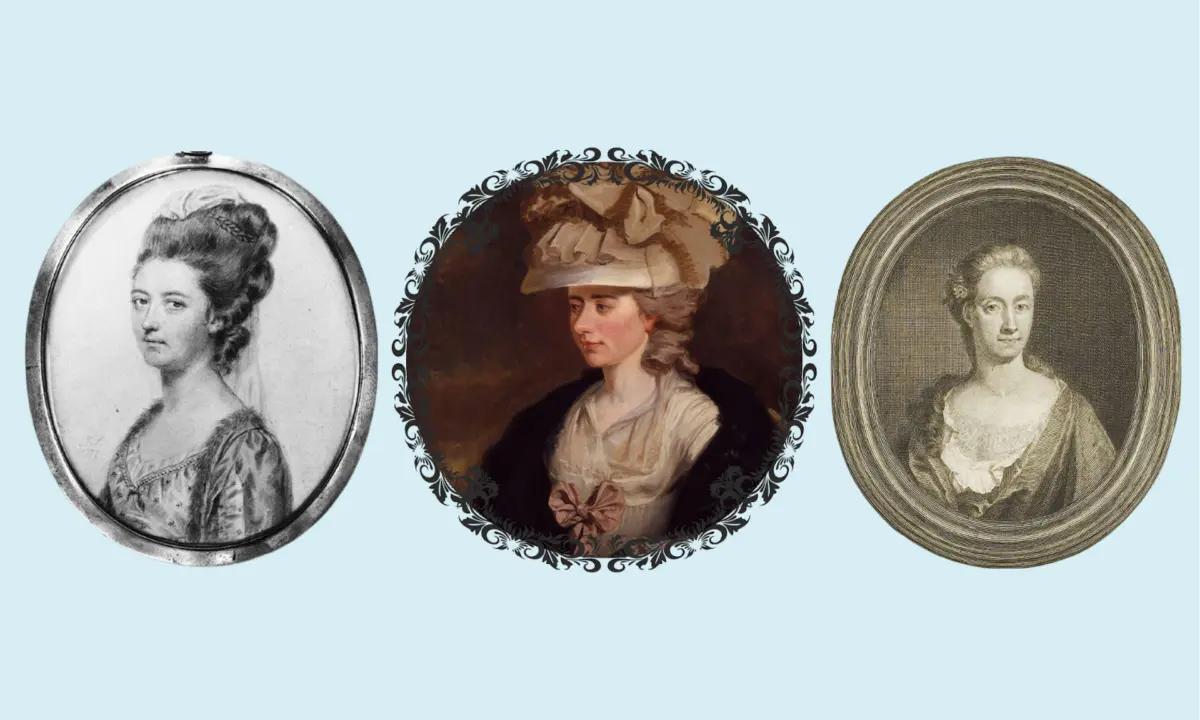
"The literature of the long 18th century was inherently experimental, politically charged, and deeply concerned with the precarity of the individual in an evolving capitalist and patriarchal society," notes Dr. Elizabeth M. Vance, professor of 18th-Century Literature and Media Studies. "When modern television reduces this entire century to polite tea-drinking and marriage markets, it erases the radical voices of women like Haywood, Lennox, and Burney who were writing psychological thrillers and biting satires long before the term was invented."
Furthermore, television executives note that contemporary audiences are experiencing ‘period fatigue’ regarding standard, beat-for-beat literary adaptations, making riskier, more subversive historical texts an attractive frontier for development executives.
Future Outlook: Bringing the Subversive 18th Century to the Small Screen
As media consumption habits continue to evolve, the demand for sophisticated, morally complex storytelling shows no sign of slowing down. While Jane Austen will deservedly retain her crown as the reigning monarch of period television, the broader 18th-century literary ecosystem offers a treasure trove of untapped IP that speaks directly to modern anxieties surrounding identity, power, and autonomy.
The road ahead for historical television likely involves breaking away from the safe confines of traditional drawing-room drama. By embracing the disguised identities of Haywood, the gothic terrors of Radcliffe, and the media-literacy satires of Lennox, showrunners have a golden opportunity to expand the boundaries of the genre. Three centuries after their initial publication, these brilliant, risky novels are more than ready for their long-overdue moment in the spotlight.