The story of Nektar—one of progressive rock’s most enigmatic and visionary collectives—is a masterclass in creative resilience, artistic reinvention, and the complex legal realities of rock ’n’ roll heritage. Formed in Hamburg, Germany, in 1969 by a group of expatriate British musicians, Nektar carved out a unique niche in the 1970s music landscape. Blending British progressive space-rock with the experimental ethos of the nascent German Krautrock movement, the band achieved critical acclaim and commercial success, particularly in North America.
However, the death of founding vocalist and guitarist Roye Albrighton in 2016 plunged the group’s future into profound uncertainty. What followed was a complex narrative involving internal factionalism, unauthorized brand usurpation, and parallel band incarnations. While keyboardist Klaus Henatsch attempted to assume control of the identity under the moniker "New Nektar" (releasing the album Megalomania in 2018), original bassist/vocalist Derek "Mo" Moore and long-standing drummer Ron Howden mobilized to reclaim the band’s rightful artistic lineage.
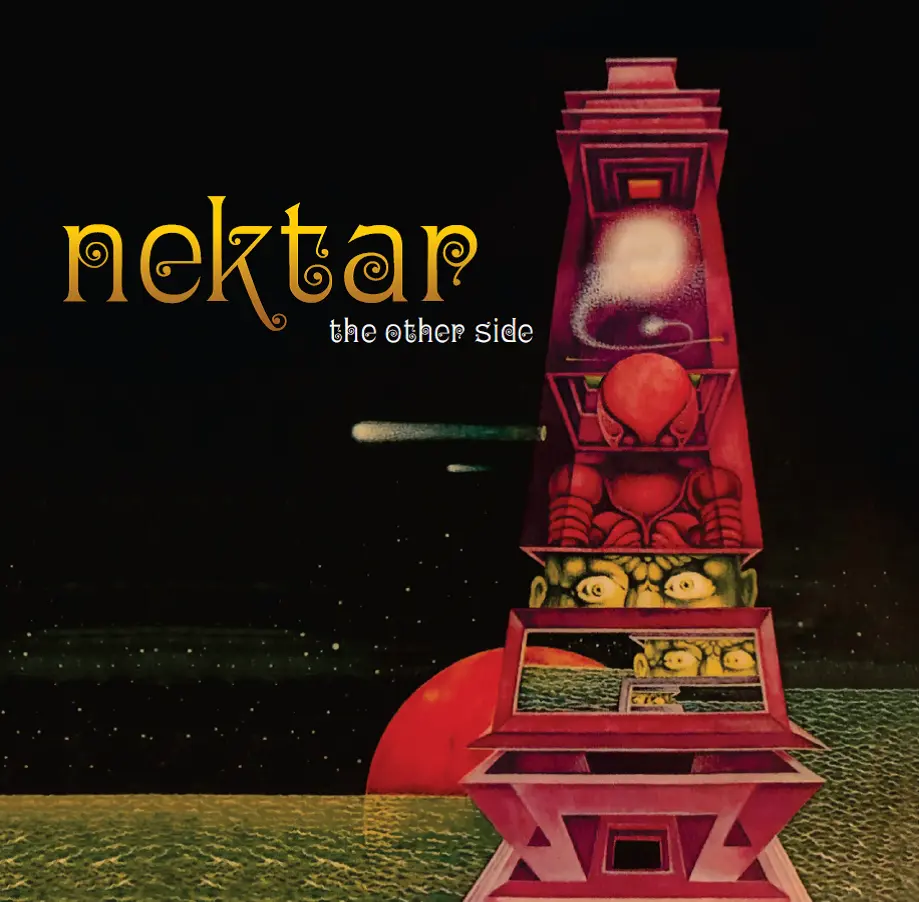
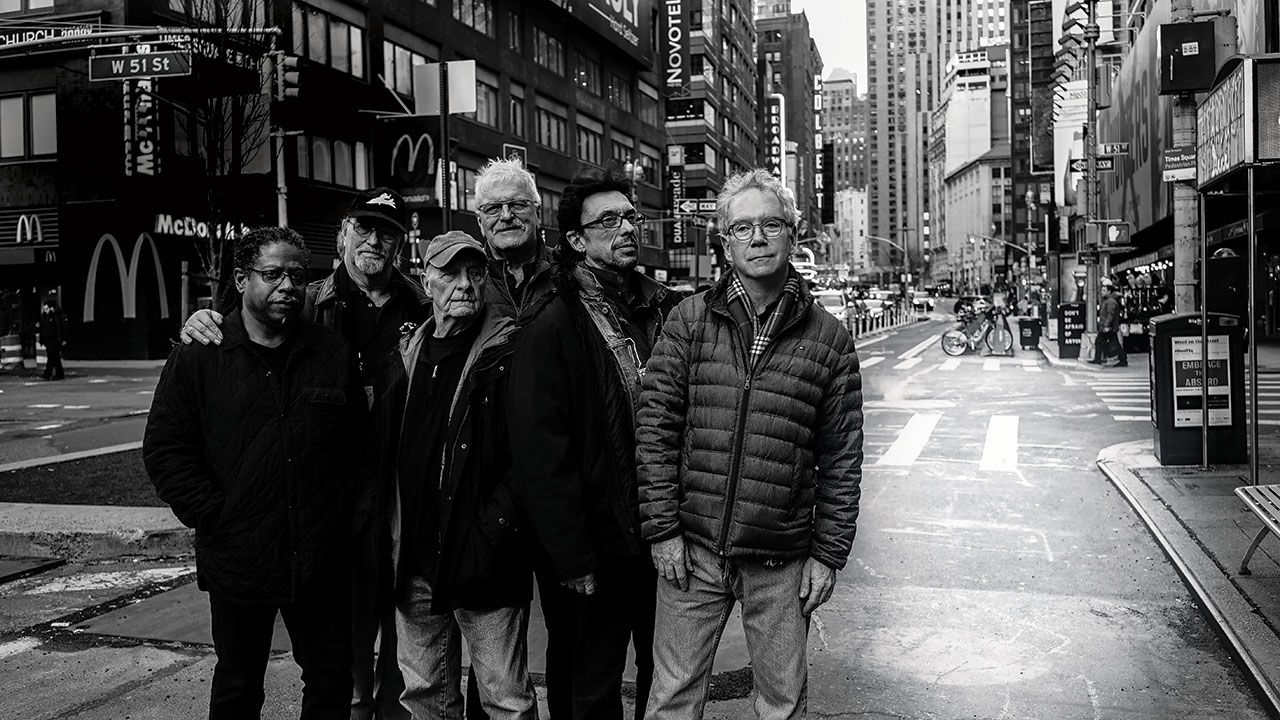
The result of this mobilization was the release of the critically praised studio album The Other Side (2020), recorded alongside returning 1970s guitarist Ryche Chlanda, bassist Randy Dembo, keyboardist Kendall Scott, and original light artist/lyricist Mick Brockett. This comprehensive report details the band’s history, the mechanics of their modern resurgence, the commercial and cultural metrics supporting their longevity, and the ongoing legal battles over intellectual property rights in European jurisdictions.
Detailed Chronology
  [1969] Nektar formed in Hamburg, Germany by British expatriate musicians.
    │
  [1971–1975] Golden Era: Releases 'Journey To The Centre Of The Eye', 'A Tab In The Ocean',
    │         'Remember The Future' (#19 Billboard), 'Down To Earth', and 'Recycled'.
    │
  [1978] Lineup changes; Ryche Chlanda joins briefly; unreleased studio tapes recorded before disbandment.
    │
  [2002–2015] Sporadic reunions; NEARfest performance; keyboardist Klaus Henatsch joins as sideman (2007).
    │
  [2016] Death of frontman/guitarist Roye Albrighton; Nektar enters hiatus.
    │
  [2018] Schism: Klaus Henatsch claims leadership, releases 'Megalomania' as "New Nektar".
    │    Ron Howden rejects coup, exits, and aligns with co-founder Derek 'Mo' Moore.
    │
  [2019–2020] Legacy Restored: Moore, Howden, Chlanda, Dembo, Scott, & Brockett reunite.
              Release 'The Other Side' (2020) and launch US tours while initiating legal action over IP rights.
1. Formation and European Roots (1969–1970)
Nektar emerged from the ashes of a UK touring ensemble known as The Upsetters, who had relocated to Germany to perform across the American military base circuit. Following the departure of their original guitarist, bassist Derek "Mo" Moore and drummer Ron Howden recruited guitarist and vocalist Roye Albrighton in Hamburg. Joined by keyboardist Allan "Taff" Freeman and light technician/lyricist Mick Brockett, the group formally constituted Nektar in late 1969, adopting Germany as their creative home base.
2. The Golden Era of Conceptual Progressive Rock (1971–1975)
1971: Debut album Journey To The Centre Of The Eye establishes their signature blend of extended space-rock suites, sci-fi conceptuality, and integrated visual light shows.
1972: Release of A Tab In The Ocean, solidifying their reputation across mainland Europe.
1973: Breakthrough album Remember The Future gains widespread traction, breaking into the top tier of the US charts without extensive traditional press backing, fueled primarily by underground FM radio play.
1974–1975:Down To Earth (1974) and Recycled (1975) showcase a broadening sonic palette, incorporating circus-themed performance art, brass sections, guest narrations, and early synthesizer technology.
3. Dissolution and Unused Archival Sessions (1976–1978)
Following internal shifts and Albrighton’s temporary departure, guitarist/vocalist Ryche Chlanda joined the band in 1978. During this brief window, the group jammed extensively and composed a wealth of material that remained unreleased when the group disbanded later that year.
4. Revival, Sidemen Era, and Tragedy (2002–2016)
After years of sporadic reunions—highlighted by a performance at NEARfest in 2002 featuring Derek "Mo" Moore—Nektar toured periodically under Albrighton’s stewardship. German keyboardist Klaus Henatsch joined as a hired sideman in 2007. The band’s trajectory was halted on July 26, 2016, when Roye Albrighton passed away at age 67 following a long illness.
5. The Schism and Trademark Conflict (2018–Present)
December 2018: Klaus Henatsch announces Megalomania, declaring himself musical leader and producer of a project branded as "Nektar." Following objections from original drummer Ron Howden, the release is rebranded as "New Nektar."
2019: Ron Howden contacts co-founder Derek "Mo" Moore to assemble the definitive line-up. They recruit Ryche Chlanda, Randy Dembo, Kendall Scott, and original light artist Mick Brockett.
January 2020: The authentic line-up releases The Other Side via Esoteric Recordings/Cherry Red Records. Simultaneously, legal actions are launched in Germany to challenge Henatsch’s manager’s registration of the trademark "Nektar."
Supporting Context & Metrics
Historical US Billboard Chart Performance
Nektar’s mid-70s success in the United States represents one of the most remarkable independent breakthroughs for an overseas progressive act operating outside the traditional UK music press machine.
Album Title
Release Year
US Billboard 200 Peak
Key Markets / Radio Drivers
Remember The Future
1973
No. 19
Heavy rotation on FM stations (e.g., KSHE St. Louis)
Down To Earth
1974
No. 32
US headlining tours; featured circus concept & guest vocals
Recycled
1975
No. 89
Synthetic textures, environmental themes, Larry Fast collaboration
Commercial Breakthrough: The St. Louis Paradigm
The band’s rapid rise in the United States was largely catalyzed by regional freeform FM radio stations. A prime example occurred in St. Louis, Missouri, where continuous broadcast rotation led directly to massive live ticket sales:
Operating out of Germany during the early 1970s placed Nektar at the crossroads of European experimental rock. While their British contemporaries (such as Yes, Genesis, and King Crimson) dominated the UK music weeklies, Nektar shared festival stages with key Krautrock pioneers:
Amon Düül II
Guru Guru
Karthago
This environment encouraged long, improvised jam sessions—often lasting up to ten hours—from which core album arrangements were extracted and refined.
A defining metric of Nektar’s identity was their classification not merely as a rock band, but as a "Music and Light Theatre." Original member Mick Brockett operated fluid, liquid-light projections that were compositionally tied to the narrative structures of the music. The 2019–2020 reunion consciously restored this foundational element, positioning visual art as an essential component of the stage dynamic.
The 2020 release The Other Side acts as a direct bridge to the band’s late-1970s era, built largely on rewritten material originally drafted during the 1978 sessions with Ryche Chlanda.
"The Devil’s Door": Features an authentic 1974 archival reel-to-reel tape recording of the late Roye Albrighton’s live guitar introduction, serving as a homage to their deceased bandmate.
"SkyWriter": A multi-part conceptual track built around narrative themes of grief, loss, and spiritual communication across the mortal divide.
"The Other Side": An 18-minute title suite adhering to classic progressive rock structures, featuring dynamic shifts, complex time signatures, and interconnected lyrical themes.
Official Statements & Legal Analysis
Statements from Co-Founder Derek "Mo" Moore
Reflecting on the initial rehearsals of the reconstituted band in 2019, Moore highlighted the immediate artistic synergy:
"We started putting it together about a year ago and the first rehearsal was fantastic. We just clicked again. It was like going back 40 years."
Addressing the internal conflict following Roye Albrighton’s death and Klaus Henatsch’s attempt to take leadership, Moore clarified how the current line-up coalesced around drummer Ron Howden:
"When Roye died, Howden was left holding the bag. And Klaus Henatsch, who’s been a sideman for the band [since 2007], said to Ron, ‘Now I’m in charge and I’m going to call the shots on the production and what we do.’ And Ron said, ‘Well, I’m the original guy here and I’m not going to do that.’ So he left and when he came back to the States he said, ‘Will you help me get a band together?’ and I said, ‘Sure.’ We then reached out to Ryche Chlanda, who played with us in 1978."
On the reinstatement of lyricist/light artist Mick Brockett and the restoration of their original stage concept:
"Nektar was a music and light theatre. The music was enhanced by the lightshow—it told the story—so it was a concept rather than a band. But that got lost over the last 30 years or so and I brought Mick back because I wanted to have that same feel that we had in the beginning."
On the conceptual themes of The Other Side and its relationship to deceased members Roye Albrighton and sound technician Vinny Schmid:
"The idea is to use your imagination on the album. We’ve given you the themes. The other side is where Roye and Vinny now reside, and lots and lots of friends. It’s something that’s inevitable for all of us and we wanted to take you on that musical trip. To my mind this album would have been a great follow-up to Recycled. It’s got a great feel to it."
Comparative Legal Context: The German Trademark Dispute
The legal struggle surrounding the "Nektar" name mirrors broader systemic issues within legacy rock bands, where former sidemen or management entities attempt to register trademark rights independently of founding artists.
                        TRADEMARK DISPUTE STRUCTURE

   [Official Lineup]                                  [Offshoot Faction]
   • Derek 'Mo' Moore (Co-Founder)                    • Klaus Henatsch (Joined 2007)
   • Ron Howden (Original Drummer)                   • Ex-Management / Local Trademark
   • Heritage Tapes / Original Core                   • Operates as "New Nektar" / "Nektar"
          │                                                    │
          ▼                                                    ▼
   [Claims Ownership via                             [Claims Ownership via
    Historical Legacy & Prior Use]                    German DPMA Registration]
          │                                                    │
          └─────────────────────────┬──────────────────────────┘
                                    │
                                    ▼
                         [German Patent Office /
                        Intellectual Property Court]
Moore expressed frustration regarding the administrative oversights that allowed the offshoot group to secure local European registration:
"They’re playing in Germany, which is confusing the hell out of the fans. They were playing as New Nektar and put the album out as New Nektar, then their manager went and registered the name. We’re spending money on lawyers right now. How the German patent office didn’t look into what they were registering I have no idea."
This dispute shares strong parallels with landmark European intellectual property cases, such as the Bonzo Dog Doo-Dah Band legal battle, wherein founding members successfully overturned an unauthorized third-party trademark registration by proving prior commercial usage, continuous artistic association, and bad-faith registration by former promotional associates.
Future Outlook
1. Jurisdictional Trademark Resolution
The primary focus for Moore and the band’s management remains resolving the trademark dispute within the German Patent and Trade Mark Office (DPMA) and broader European Union courts. Striking down the unauthorized European trademark registration is essential for permitting the legitimate band to tour mainland Europe without market confusion or threat of venue injunctions.
2. North American Touring and Market Momentum
With successful sold-out performances across historical hubs like St. Louis, Nektar’s US-based line-up continues to tour North America. The integration of modern audio-visual technology alongside Mick Brockett’s classic light designs provides a scalable touring format tailored to both legacy listeners and modern progressive rock audiences.
3. Archival Restorations and Compositional Continuity
The successful reception of The Other Side has opened the door for further exploration of Nektar’s deep tape archives. With decades of unreleased rehearsal recordings, live soundboard tapes, and unfinished compositions from the 1970s, the band plans to continue refining historic material into new studio releases, ensuring that the legacy of original members Roye Albrighton, Ron Howden, and their early collaborators remains properly represented.