Australia’s national broadcaster, the Australian Broadcasting Corporation (ABC), has ignited a fierce political and cultural firestorm by demanding that the right-wing populist One Nation party immediately remove unauthorised animations featuring Bluey, the country’s most beloved children’s television character.
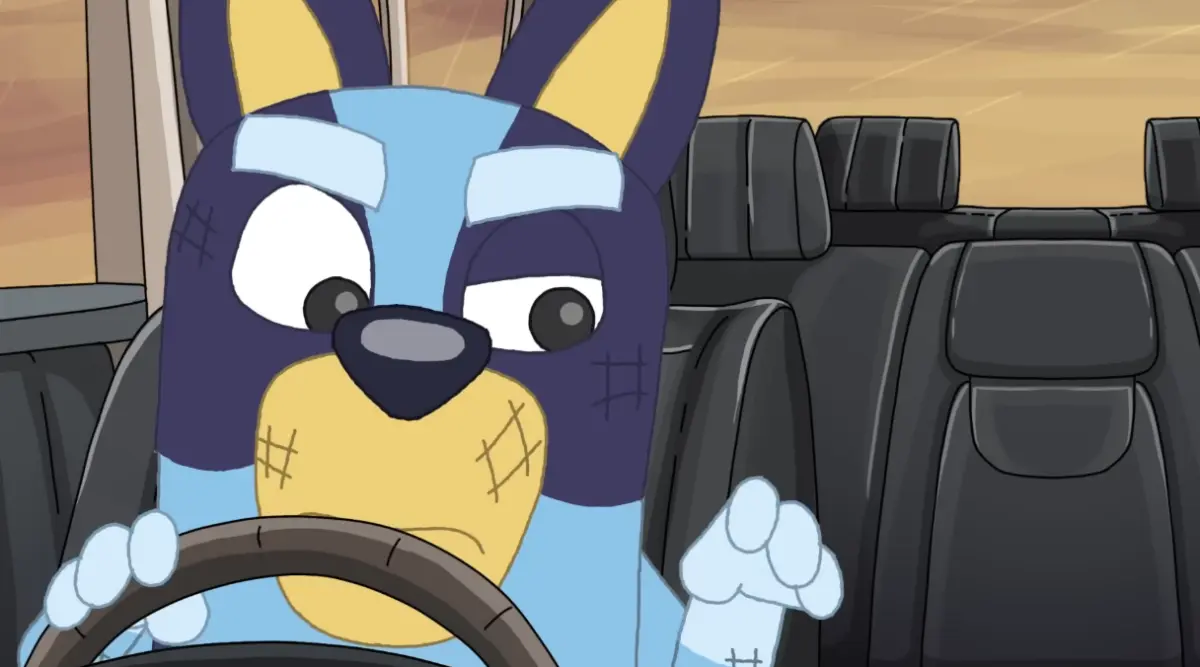
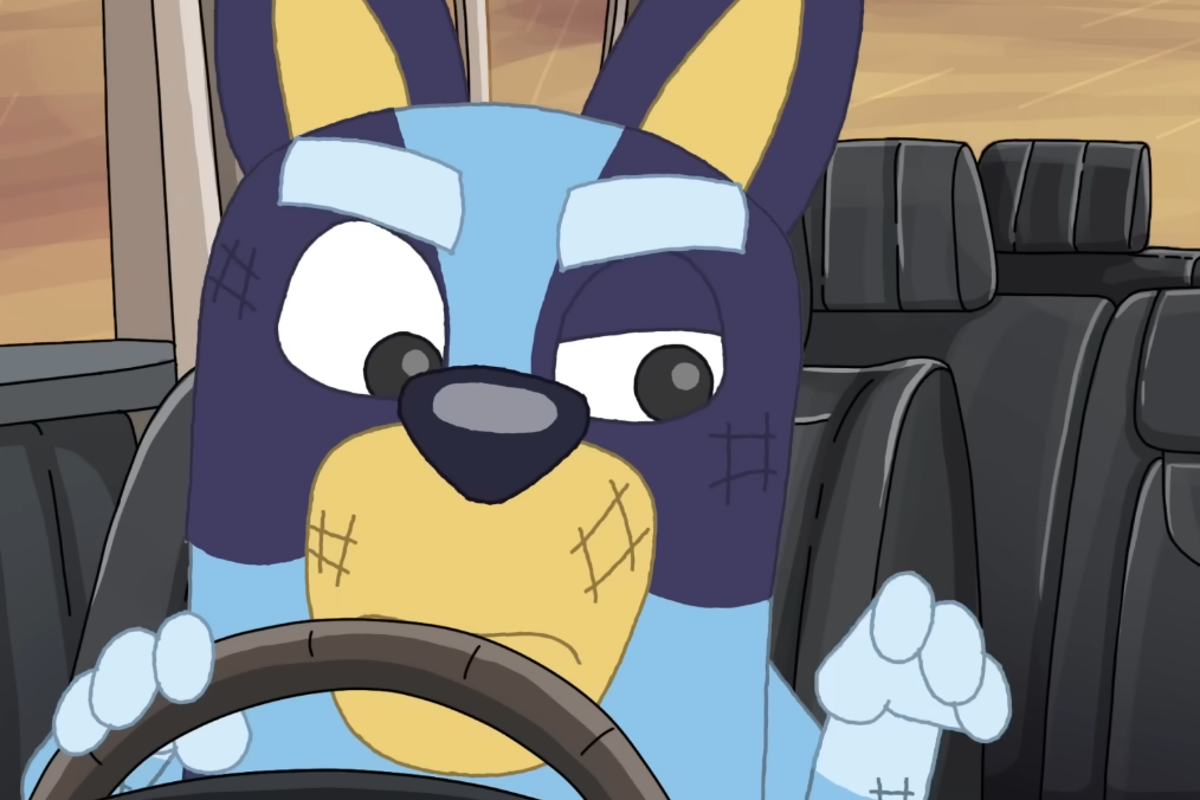
The controversy centers on satirical web-cartoons produced for One Nation’s Please Explain series, which depict the blue heeler puppy engaged in graphic scenes of vehicular violence against prominent Australian political figures and public personalities. ABC Managing Director Hugh Marks branded the animations “shocking and disrespectful,” informing a Canberra Senate estimates hearing that the broadcaster is actively exploring legal avenues—including a formal cease-and-desist notice—to address what he termed a severe breach of intellectual property rights and a flagrant exploitation of a national cultural icon.
While the primary videos in question were originally published online in 2024, they have resurfaced with acute political sensitivity following a recent, real-world tragedy involving independent MP Helen Haines. The juxtaposition of the animations with real incidents of vehicular violence has heightened public scrutiny, prompting sharp rebukes from federal lawmakers, government ministers, and cultural advocates alike.
Detailed Chronology of the Controversy
The Genesis of Please Explain and the 2024 Release
The core of the dispute lies within an episode titled The State of Melbourne, released in 2024 as part of One Nation’s digital cartoon series Please Explain. The ongoing web series, spearheaded by party leader Pauline Hanson, routinely uses caricatures of Australian politicians and public figures to mock current policies and political figures.
In The State of Melbourne, the animated narrative takes an unusually aggressive turn. The video features a cartoon rendering of Bluey driving a sports utility vehicle (SUV) directly into animated versions of several high-profile figures, including then-Victorian Premier Daniel Andrews, Australian Prime Minister Anthony Albanese, and popular television presenter and conservationist Robert Irwin.
Subsequent sequences in the cartoon escalate the dark humor further. In another scene, caricatures of Andrews and Albanese are depicted inside the vehicle, intentionally running over both Bluey and Robert Irwin before loading their bodies into the boot of the car. During Tuesday’s Senate estimates committee hearing, Western Australian Labor Senator Varun Ghosh detailed the footage for the parliamentary record, noting that the blue heeler puppy is shown “driving an SUV, running over former Premier Daniel Andrews and then reversing over him a number of times.”
Escalation at Senate Estimates
The dormant controversy was violently thrust back into the public eye during a parliamentary hearing in Canberra on Tuesday. Lawmakers questioned ABC executives regarding the broadcaster’s responsibilities to protect the integrity of Australian cultural properties, even those where primary copyright is shared internationally.
Hugh Marks did not mince words when addressing the committee. Testifying before lawmakers, the ABC managing director declared that the animations far exceeded the boundaries of protected political satire or minor intellectual property exceptions.
"I would imagine that it’s a breach of intellectual property and a cease-and-desist letter should be issued," Marks told the committee.
"It’s not a parody of any Bluey work. It’s not a minor use of the [intellectual property]. In my view, it is an infringement of the intellectual property, number one. But it’s also a shocking use of Australia’s most loved character. In fact, probably the globally most loved character in a video that is both shocking and disrespectful to the children of Australia who love that character so much."
Following Marks’ testimony, an official ABC spokesperson doubled down on the broadcaster’s stance on Wednesday, releasing a formal statement emphasizing deep concern over the weaponisation of a children’s television icon for partisan political campaigning. The broadcaster reiterated its demand that One Nation strip the controversial videos from all digital platforms immediately and permanently halt any future derivative uses.
The Catalyst of Real-World Violence
Though the satirical videos have been in the public domain for two years, their renewed prominence is directly tied to a harrowing real-world event that occurred on October 19.
Independent federal MP Helen Haines sustained catastrophic injuries, losing both legs after being struck by a motor vehicle outside her electorate office in northern Victoria. A 43-year-old local man was subsequently arrested and charged in connection with the incident, facing grave criminal counts including dangerous driving causing serious injury and intentionally causing serious injury.
The timing of the crash transformed the two-year-old cartoon from an eccentric political stunt into a deeply inflammatory artifact. Senator Ghosh highlighted this disturbing synergy during the Senate estimates hearing, remarking:
"I appreciate it was published two years ago, but it has a particular poignance in the last week."
Federal Communications Minister Anika Wells reinforced this sentiment during an interview with ABC Radio National. While acknowledging the traditional protections afforded to political commentary in Australia’s vibrant democracy, Wells firmly defended the ABC’s intervention.
"Satire is one thing. Scrutiny is important," Wells said. "But using a beloved children’s icon to depict vehicular violence crosses a clear and unacceptable line."
Supporting Context and Metrics: The Phenomenon of Bluey
To understand the intensity of the public and institutional backlash, one must comprehend the monumental cultural and economic footprint that Bluey holds both within Australia and across the global entertainment landscape.
Origins and Global Reach
Created by Brisbane-based animation powerhouse Ludo Studio, Bluey chronicles the domestic adventures of a joyful blue heeler puppy, her younger sister Bingo, and their loving parents, Bandit and Chilli. The show’s genius lies in its ability to transform mundane everyday family routines into sprawling exercises in imaginative play, resonating deeply with parents and children across socioeconomic divides.
The series has transcended its origins as an ABC children’s program to become an unprecedented global powerhouse. Distributed internationally via agreements with the BBC—which holds the global distribution rights, while copyright and production remain rooted in Australia—Bluey is broadcast across more than 180 markets worldwide.
Streaming Dominance and Commercial Empire
The sheer scale of the brand’s popularity is underlined by staggering viewership and merchandising metrics:
Streaming Records: In the second quarter of 2025 alone, Bluey amassed an incredible 7.2 million views across BBC platforms, cementing its status as Australia’s most-watched children’s television program during that measurement window.
Literary Success: The show’s accompanying book series has achieved staggering global sales, shifting over 45 million copies translated into 29 different languages.
Live Entertainment: The stage production, Bluey’s Big Play, has mounted extensive international tours spanning 13 countries, drawing more than 2.5 million ticket-holders worldwide.
Critical Acclaim: Over its run, the series has garnered upward of 65 major international accolades, including prestigious BAFTA and International Emmy Awards.
Because the character represents a shared childhood touchstone and a symbol of national pride, the decision by a political faction to co-opt her image for violent, partisan attacks was viewed by millions of Australians as an assault on a cherished cultural asset.
Official Statements and Responses
The fallout from the Senate hearings has generated a polarized response across the Australian political spectrum, drawing sharp contrasts between defenders of free speech and guardians of institutional and public integrity.
The ABC and Government Position
The official stance of the Australian Broadcasting Corporation remains anchored in the protection of intellectual property and community standards. While the ABC does not hold the ultimate commercial intellectual property rights to the show—those remain split between its creators and the BBC’s international arm—its role as the original commissioning and domestic broadcasting home of Bluey gives it a profound stake in the character’s reputation.
Federal ministers have rallied behind the broadcaster’s intervention. Communications Minister Anika Wells emphasized that Australian media regulations and cultural norms accommodate robust political satire, yet insisted that weaponising a national children’s icon to depict violence against real people exceeds acceptable boundaries of public discourse.
One Nation’s Defense
Despite mounting pressure from legal representatives, government ministers, and parliamentary colleagues, the One Nation party has pushed back against the allegations.
Party leader Pauline Hanson firmly denied to ABC News that the Please Explain cartoons constituted a breach of intellectual property rights. Historically, creators of satirical web content frequently claim exemptions under fair dealing provisions for parody and satire. However, legal experts watching the case note that commercial misappropriation combined with violent character depictions may strip the party of traditional fair-dealing defenses, leaving them exposed to significant civil liability.
As of press time, representatives for Bluey co-producers Ludo Studio and One Nation leadership had been approached by The Independent for formal comment regarding potential legal filings.
Future Outlook: Legal Liabilities and Cultural Fallout
As the dust settles on the recent Senate estimates hearings, the trajectory of this controversy points toward several critical developments in Australian media law, political accountability, and copyright enforcement.
Potential Legal Showdown
Should the ABC, alongside international distributors at the BBC and creators at Ludo Studio, decide to formally follow through on Hugh Marks’ threat, the case could set a fascinating legal precedent regarding the intersection of political satire, digital content creation, and intellectual property rights in Australia.
Legal scholars note that while Australian copyright law provides broad protections for parody, satire, and caricature, these exceptions are not absolute. When an established intellectual property is co-opted to depict graphic violence, property damage, or targeted aggression against living individuals, copyright holders can often successfully argue that the use damages the moral rights and commercial value of the brand. A formal cease-and-desist letter—and any subsequent litigation—would test the limits of digital political commentary in the social media era.
Broader Political Ramifications
Beyond the courtroom, the controversy serves as a stark reminder of the toxic convergence between polarizing political rhetoric and digital animation. In an era where deepfakes, AI-generated content, and aggressive online cartoons are routinely weaponized for electoral leverage, mainstream political parties face increasing pressure to police their own digital output.
For One Nation, the refusal to back down may play well among its core anti-establishment base, but it risks isolating the party further from mainstream cultural acceptance and corporate partnerships. Meanwhile, for millions of children and parents across the globe, the hope remains that Bluey, Bingo, and the Heeler family can return safely to the realm of innocent imaginative play, far removed from the bruising realities of Canberra politics.