Executive Overview
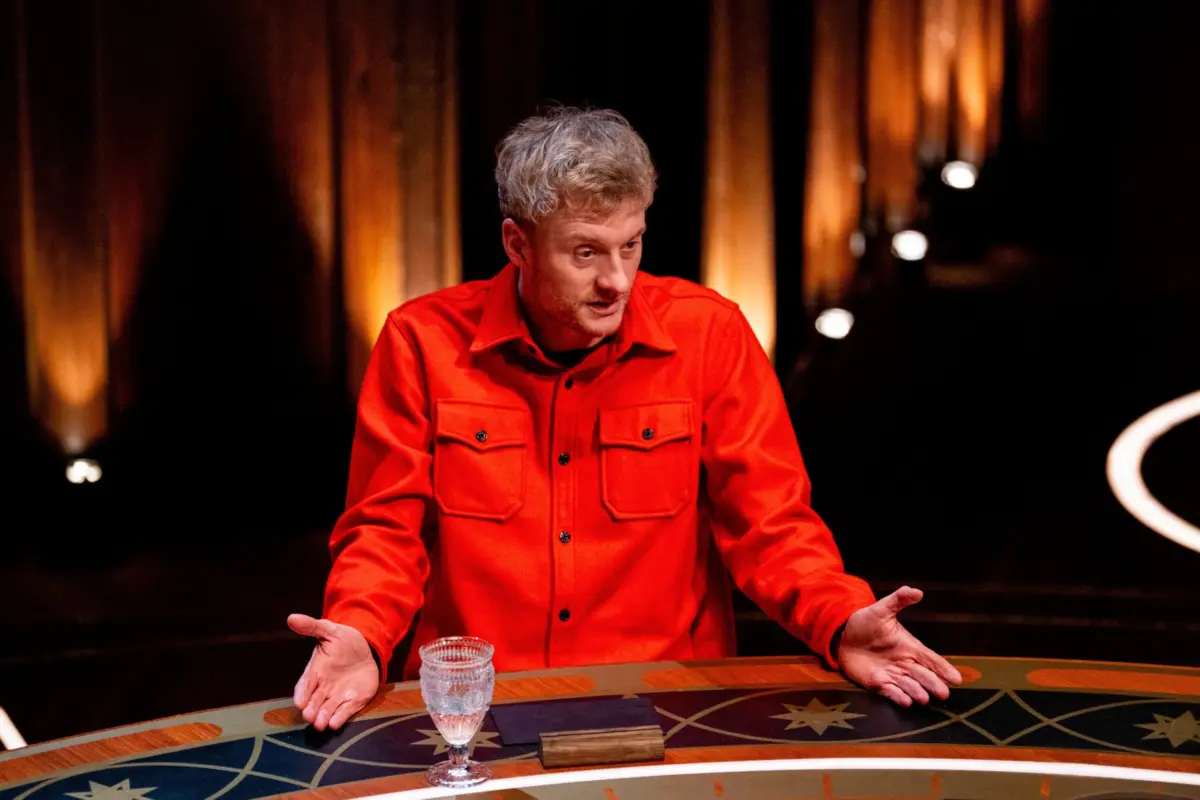
The BBC reality mega-hit The Traitors has long relied on psychological warfare, masked deceptions, and high-stakes emotional manipulation to captivate audiences. However, the recent conclusion of the 2026 Celebrity Traitors series pushed the format into uncharted territory, largely thanks to comedian James Acaster. In the penultimate episode of the season, Acaster detonated a narrative bombshell by openly admitting to his fellow contestants at the roundtable that he was, in fact, a Traitor.
This unprecedented move sent shockwaves through the fandom, igniting feverish speculation about what drove the 41-year-old comedian to break the foundational rules of the game. Subsequent reports from tabloid publications like The Sun alleged that filming had to be temporarily halted after Acaster became visibly "distressed" under the immense psychological pressure of the game.
Now, speaking candidly on Alan Carr’s Life’s a Beach podcast, Acaster has pulled back the curtain on the chaotic reality of the Scottish Highlands castle. The comedian revealed that his dramatic self-outing during the broadcast was actually his second confession of the game—having previously admitted his secret identity to supermodel Jerry Hall during an unbroadcasted exchange earlier in the series. Furthermore, Acaster shed light on the heavy-handed editorial choices made by producers desperate to preserve the suspense of the Traitors’ voting patterns. As fellow contestants, production teams, and network executives grapple with the fallout, this season’s events have sparked an industry-wide conversation regarding the ethical boundaries of psychological reality television and the profound toll high-pressure formats take on their celebrity participants.
Detailed Chronology: The Rise, Fall, and Unravelling of a Traitor
To understand the magnitude of James Acaster’s mid-season implosion, one must trace the timeline of events that turned the ninth installment of the 2026 series into the maddest roundtable in the history of the franchise.
The Pressure Cooker of the Scottish Highlands
From the outset of the star-studded 2026 series, Acaster approached the psychological demands of The Traitors with a mixture of dark humor and visible apprehension. While many celebrities enter the BBC Studio Lambert production viewable as eager participants ready to embrace the cloak-and-dagger treachery, Acaster struggled profoundly with the moral and emotional weight of lying to his peers.
The format—which isolates contestants inside a sprawling Scottish castle devoid of external contact, forcing them into a continuous cycle of suspicion, accusation, and paranoia—acts as a natural amplifier for stress. For Acaster, the dual life of pretending to be an innocent Faithful while systematically plotting the demise of his castmates proved to be an overwhelming cognitive burden.
The Jerry Hall Confession
During his appearance on Alan Carr’s podcast, Acaster revealed that the pressure began cracking his facade much earlier than viewers realized. In a previous episode, fellow contestant and cultural icon Jerry Hall directly confronted the comedian with a blunt accusation.
"I looked her in the eye and said, ‘I think it might be me too, Jerry,’" Acaster recounted to Carr.
According to the comedian, Hall didn’t skip a beat, responding with characteristic deadpan coolness: "You’re very sneaky."
Acaster admitted that he leaned directly into the accusation, telling her, "I was very sneaky and it might be me." At the time, Acaster assumed this extraordinary interaction would form a tentpole moment in the subsequent broadcast. Yet, when the episode aired, the exchange was completely excised from the edit—a casualty of production teams prioritizing narrative propulsion and obfuscating the Traitors’ true voting intentions.
The Penultimate Episode Shocker
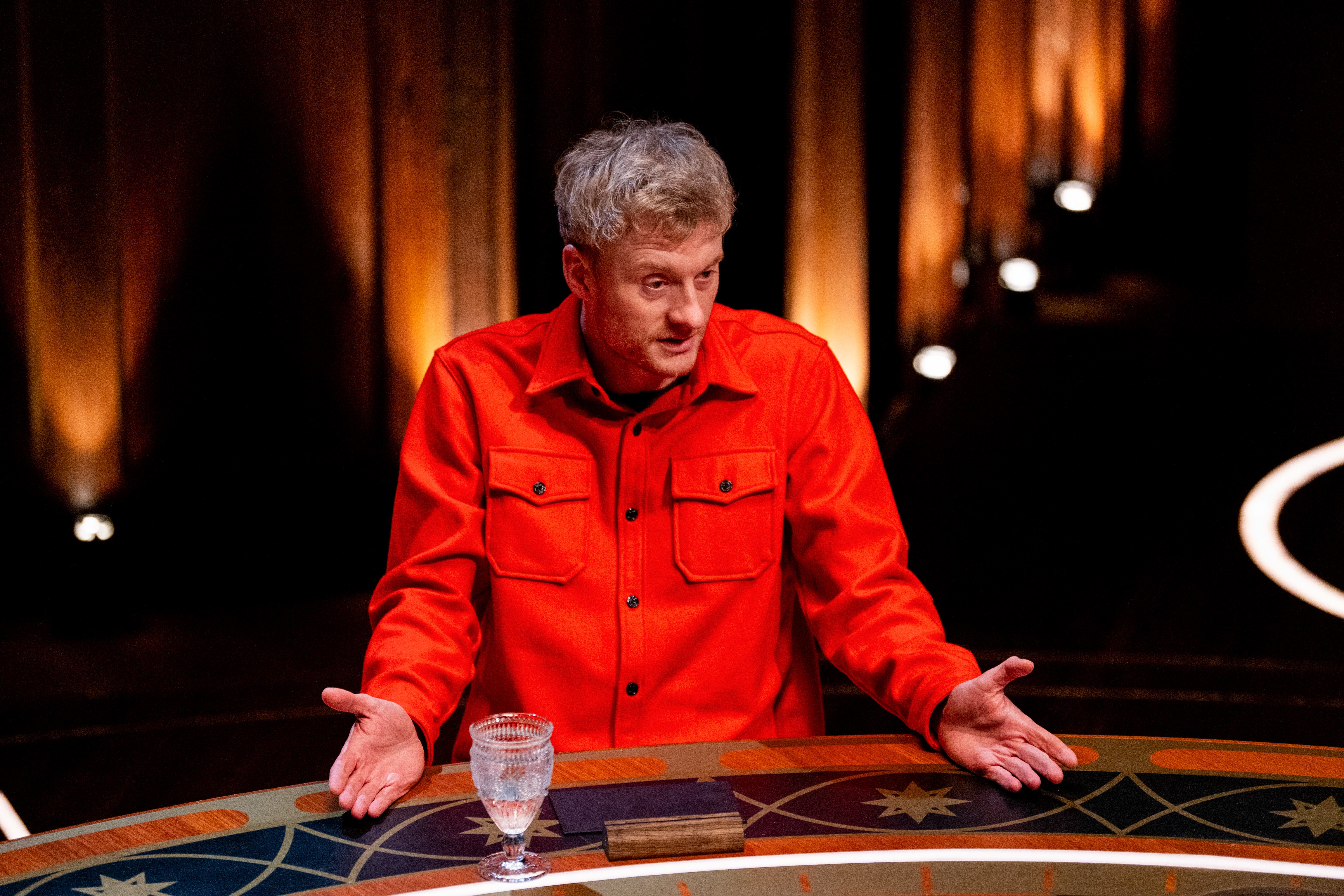
The boiling point finally arrived during the series’ penultimate episode. Pushed past his breaking point by the relentless accusations and the sheer exhaustion of maintaining a deceptive persona, Acaster took matters into his own hands. In a move that left host Claudia Winkleman and the remaining players staring in stunned silence, Acaster effectively committed game suicide by outright confessing his traitorous status at the roundtable.
The confession short-circuited the traditional gameplay mechanics. The Traitors relies entirely on the slow burn of deduction, where Faithfuls hunt for micro-expressions, slip-ups, and defensive postures. By short-circuiting this suspense mechanism, Acaster effectively surrendered his position, prioritizing his mental relief over the structural integrity of the show.
Supporting Context & Metrics: Editing, Transparency, and the Reality TV Machine
The controversy surrounding Acaster’s exit highlights a persistent tension in modern television production: the chasm between raw reality and the curated narrative crafted in the editing suite.
The Art of the Cutting Room Floor
Acaster’s revelations on the Life’s a Beach podcast exposed just how much raw footage never sees the light of day. Roundtables, which often span hours of intense cross-examination, emotional appeals, and strategic maneuvering, are routinely compressed into tight 15-to-20-minute segments.
"I said a lot more around that roundtable than the edit would suggest," Acaster explained to Carr. "Most of the time, they want to keep how the Traitors vote as a surprise. They don’t want there to be hints that I might go one way or the other. So a lot of the time, what I said at the roundtable is cut out."
This editorial mandate—to preserve the "whodunnit" mystery for the viewing public at home—frequently creates a distorted version of events. In Acaster’s case, omitting his earlier exchanges with Jerry Hall and trimming his complex emotional justifications at the final roundtable made his actions look more erratic to viewers than they felt within the room.
The Broader Ecosystem of Celebrity Traitors
To contextualize the scale of this production hiccup, one must look at the unprecedented success and format expansion of The Traitors. Following the massive cultural footprint of the inaugural celebrity series (won memorably by Alan Carr himself in 2025), the stakes for the BBC and production company Studio Lambert skyrocketed.
- The Cast: The 2026 roster featured heavyweight UK talent, including comedians Romesh Ranganathan, James Acaster, broadcaster Maya Jama, supermodel Jerry Hall, and actor Sebastian "Bash" Croft.
- The Climax: Following Acaster’s explosive departure and subsequent banishments, the series finale saw Faithful contestants Romesh Ranganathan and Sebastian Croft emerge victorious by successfully banishing the remaining active Traitors, Maya Jama and "King Kenny."
- The Aftermath: The fallout extended far beyond the castle walls. Maya Jama, speaking to Variety following the show’s conclusion, expressed profound sympathy for her fellow Traitor, noting how entirely unprepared she was for the psychological toll the role would exact. "Never in a game would you expect that you’re going to be put in a situation where you absolutely hate being a Traitor," Jama remarked. "I obviously had no idea beforehand that he didn’t want to be a Traitor."
Official Statements and Industry Response
As tabloid reports surfaced regarding a temporary halt in production due to Acaster’s distress, the BBC faced mounting pressure to address the welfare standards on set. In the television industry, the line between engineered dramatic tension and psychological harm is a fiercely debated topic, particularly when casting high-profile public figures who may not be seasoned reality television veterans.
The BBC’s Official Position
Responding directly to inquiries from The Sun and other media outlets following the airing of the penultimate episode, a BBC spokesperson issued a robust defense of the production’s welfare protocols:
"Our highest priority is always the safety and welfare of everyone taking part. Players are closely monitored and supported throughout by production, which includes a dedicated and experienced welfare team."
The network was eager to reassure viewers and industry watchdogs that pastoral care remained front and center, even as the format deliberately ratchets up the psychological pressure to breaking point. Unlike civilian versions of the show—where contestants knowingly sign up for intense social experimentation—celebrity editions introduce a unique PR and liability dimension. If a beloved national treasure like James Acaster suffers a mental health crisis on camera, the reputational blow to the broadcaster can be severe.
Future Outlook: The Evolution of Psychological Reality TV
James Acaster’s turbulent journey through the Scottish Highlands castle will undoubtedly leave a lasting imprint on the DNA of The Traitors franchise, both in the UK and across its dozens of international adaptations.
Lessons for Future Castings
Casting directors for upcoming seasons will likely need to recalibrate how they assess psychological resilience. While dramatic meltdowns make for compelling television, crossing the line from entertaining paranoia to genuine distress risks alienating talent and triggering regulatory scrutiny from bodies like Ofcom. Producers must now carefully vet whether high-profile comedians, actors, and musicians possess the specific emotional armor required to withstand absolute social isolation and mandated deceit.
Shifting Editorial Transparency
Furthermore, Acaster’s candid admissions regarding the editing suite may prompt a shift in how reality shows communicate with their audiences. As viewers become increasingly media-savvy, demanding greater transparency over Frankensteined edits and omitted conversations, broadcasters may need to embrace "unseen" companion shows or extended-cut streaming drops to maintain trust.
For James Acaster, the experience is firmly in the rearview mirror. Having traded the damp Scottish castle for the relative peace of the comedy circuit, his inadvertent sabotage of his own game stands as a poignant reminder of the human cost behind scripted thrills. The Traitors will undoubtedly return for future instalments, bigger, slicker, and more cutthroat than ever—but future Traitors walking down those castle corridors will do so with a stark warning ringing in their ears: the game is brilliant, but the psychological toll is entirely real.