For travelers with a penchant for prose, the act of booking a room is rarely just about a comfortable bed, reliable Wi-Fi, or an appealing view. Across the globe, a distinct subsector of hospitality thrives entirely on the intoxicating intersection of literature and geography: the literary hotel.
From the windswept, art-deco cliffs of Burgh Island in south Devon to the brooding expanse of Bodmin Moor, these properties offer far more than mere historical tourism. They represent a fascinating triad of cultural touchstones. Some hotels are defined simply by the footprints of the authors who once slept within their walls; others serve as shrines to the creative process, where ink met paper; and a select, mesmerizing few have crossed the threshold from reality into fiction entirely, becoming active characters within the masterpieces they inspired.
When contemporary novelist Catherine Newman remarked during a literary event at the Burgh Island Hotel that she half-expected to discover a body while navigating the precipitous local cliffs, she was articulating a profound truth about place-based fiction. Great writers do not merely describe landscapes; they weaponize them. They transform tidal causeways, fog-choked moors, and sequestered dining rooms into engines of suspense, alienation, and intrigue.
This article explores the enduring cultural and economic phenomenon of the literary hotel. By examining how real-world architecture becomes immortalized in the machinery of storytelling, we investigate why readers continue to flock to these properties, seeking not just a vacation, but a portal into an imagined world.
Detailed Chronology: The Evolution of the Literary Landscape
To understand how hotels transitioned from basic waystations for weary travelers into vital nodes of literary mythology, one must trace the evolution of travel, authorship, and regionalism from the 18th century to the modern era.
The 18th Century: Outposts of Isolation
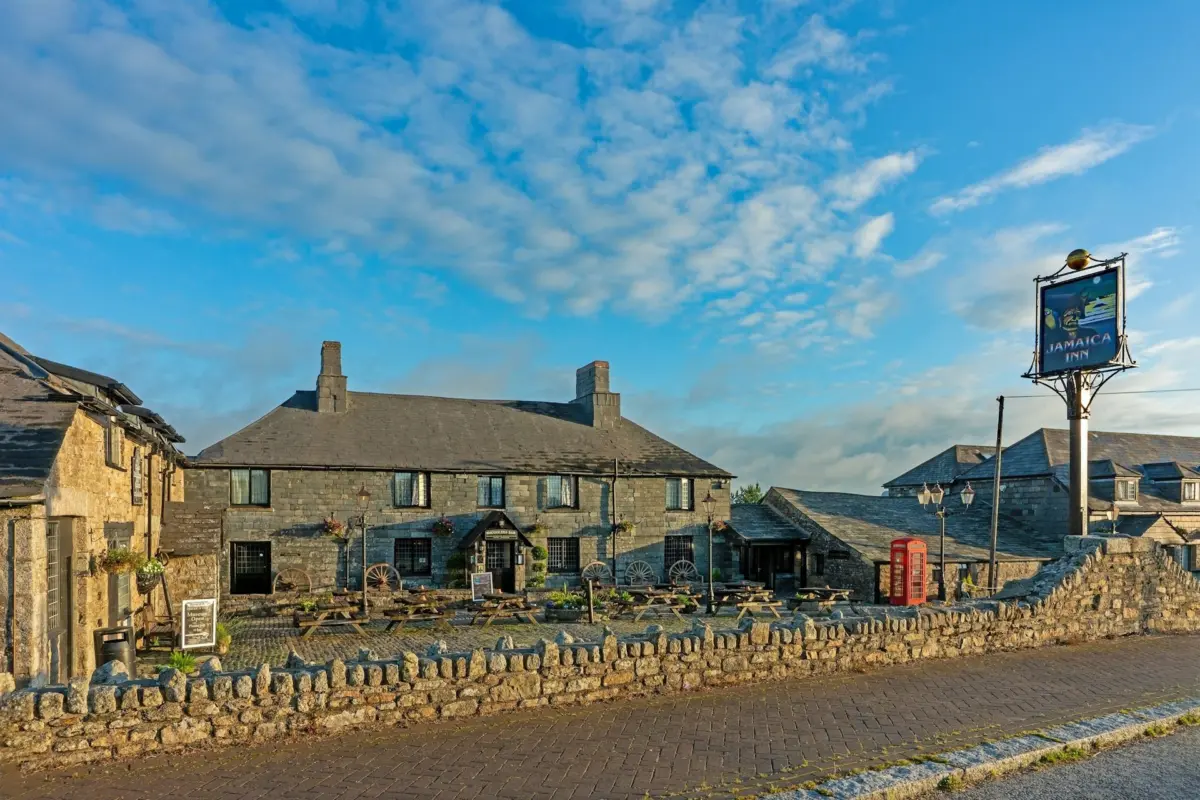
1750: The construction of the Jamaica Inn on the desolate expanses of Bodmin Moor in Cornwall. Originally built as a coaching inn, it quickly earned a notorious reputation as a haven for smugglers operating along the lawless Cornish coast.
The Cultural Impact: Long before Daphne du Maurier immortalized it, the inn’s geographical isolation and inhospitable surroundings established the blueprint for the Gothic and adventure settings that would later captivate Victorian and 20th-century readers.
The Victorian and Edwardian Era: The Author’s Writing Den
Late 19th Century: The rise of the regional novel and the deliberate creation of literary geographies.
Thomas Hardy and the King’s Arms Hotel: In Dorchester, Dorset, the King’s Arms Hotel became both a personal writing retreat for Thomas Hardy and a prominent architectural fixture in his fictional Wessex. Hardy did not merely observe the hotel; he incorporated it directly into The Mayor of Casterbridge (1886) as the principal hotel of Casterbridge.
The Shift: During this era, authors began to actively participate in crafting their own mythologies, revising prefaces and mapping out fictional counties that mirrored real topography, thereby encouraging readers to embark on early forms of literary tourism.
The Mid-20th Century: The Golden Age of Hotel Noir and Bohemia
The 1930s–1940s: Authors capitalized on the inherent psychological tension of the hotel environment. Hotels naturally aggregate strangers into temporary communities, breeding suspicion, miscommunication, and forced proximity.
Agatha Christie at Burgh Island: Agatha Christie utilized the isolated, tide-locked geography of Burgh Island in south Devon to craft two of her most enduring mysteries. She penned portions of her work in the island’s Beach House, turning the topography into a lethal puzzle box. The island manifested as an unnervingly modern house in And Then There Were None (1939) and as the fashionable Jolly Roger Hotel in Evil Under the Sun (1941).
Daphne du Maurier’s Jamaica Inn (1936): Drawing directly from her terrifying real-life experience of getting lost in the mist and darkness on Bodmin Moor alongside a companion, du Maurier translated that visceral disorientation into prose, cementing the inn’s status as a "grim landmark."
Dylan Thomas and Brown’s Hotel: In Laugharne, south-west Wales, poet Dylan Thomas forged a legendary, symbiotic relationship with Brown’s Hotel. Walking daily from his writing shed at the Boathouse into town, Thomas made the hotel bar his de facto office—so much so that he famously gave out the hotel’s bar telephone number as his own personal contact number.
The Late 20th Century to Present: The Rise of Immersive Literary Tourism
The Digital and Heritage Era: Properties that once survived on basic hospitality now leverage their literary DNA as core marketing assets.
Preservation and Pilgrimage: Organizations, trusts, and independent hoteliers recognize that preserving the physical fabric of a writer’s haunt—or the exact setting of a classic denouement—commands immense cultural and economic value. The boundary between reading a book and inhabiting its setting has dissolved into a multi-million-dollar sector of experiential travel.
Supporting Context & Metrics: The Anatomy of Literary Space
Why are hotels such exceptionally fertile ground for narrative fiction? From a structural standpoint, hospitality venues offer distinct advantages to authors constructing plots, particularly in the realms of mystery, thriller, and psychological drama.
The Architecture of Suspense
Literary scholars often categorize hotels in fiction through three distinct lenses:
Biographical Conduits: Places where an author stayed, slept, or lived (e.g., Charles Dickens lodging in Lancaster). These offer historical resonance but little direct structural influence on the text.
Creative Incubators: Venues where the act of writing took place or where the author socialized extensively (e.g., Dylan Thomas at Brown’s Hotel). These illuminate the author’s lifestyle and community, acting as a backdrop to production rather than a component of the plot.
Fictionalized Entities: Locations that cross the chasm from the physical world directly into the narrative machinery of the story (e.g., Burgh Island acting as the Jolly Roger Hotel).
When a hotel enters the third category, it performs specific narrative functions:
Forced Enclosure: In detective fiction, a hotel—especially one cut off by geography, weather, or tides—creates a controlled ecosystem. Characters cannot easily flee, concentrating suspicion and narrative tension.
Temporary Communities: Hotels force disparate social classes, backgrounds, and motivations into close quarters (lobbies, dining rooms, verandas). This social friction generates immediate opportunities for misunderstandings, clandestine alliances, and murder.
The Psychological Mirror: Landscapes often reflect the internal states of characters. The mist surrounding the Jamaica Inn or the merciless sun beating down on the cliffs of Burgh Island do not just set a mood; they actively constrain the psychological endurance of the people trapped within them.
Tourism Metrics and Cultural Economics
While precise global metrics for "literary tourism" are difficult to isolate from general cultural heritage travel, data compiled by regional tourism boards in the United Kingdom indicate significant economic impacts:
Properties explicitly tied to literary figures or famous novels experience an average seasonal occupancy boost of 15% to 25% compared to non-literary boutique hotels in equivalent rural or coastal regions.
The South West Coast of England (spanning Dorset, Devon, and Cornwall—the historic stomping grounds of Christie, du Maurier, and Hardy) attracts millions of domestic and international visitors annually, with literary trails acting as primary economic drivers for local hospitality sectors.
Digital engagement metrics reveal that properties featuring authenticated "writer’s rooms" or historical bars see significantly higher social media traction, driving organic reach that far outpaces traditional advertising budgets.
Official Statements & Expert Perspectives
Literary critics, novelists, and cultural historians have long pondered the strange alchemy that occurs when a physical building is claimed by a story.
Reflecting on the psychological weight of such spaces, novelist Catherine Newman remarked during her recent visit to Burgh Island:
"Whenever I looked down from the island’s steep cliffs while walking, I half-expected to discover a body."
This sentiment captures the persistent hauntological power of place. When a writer successfully imprints a narrative onto a landscape, the physical reality is permanently altered for anyone who reads the work.
In Evil Under the Sun, Agatha Christie famously toys with the illusion of safety against isolation. When her fictional character Emily Brewster remarks, "This isn’t the sort of place you’d get a body," the legendary Belgian detective Hercule Poirot issues a sharp, enduring challenge: "But why not?"
Cultural historian Dr. Aris Thorne notes the unique double-vision experienced by visitors to these sites:
"When you visit a place like the King’s Arms Hotel in Dorchester or walk the causeway to Burgh Island, you are engaging in a form of temporal travel. The buildings are resolutely real—made of stone, mortar, and timber—yet your brain is parsing them through an entirely fictional grid. The landscape ceases to be merely geographical; it becomes a text."
Furthermore, conservationists emphasize the delicate balance required to maintain these properties. Maintaining an art deco hotel exposed to the aggressive marine elements of south Devon or preserving a 280-year-old coaching inn on Bodmin Moor requires rigorous structural investment. Hoteliers act not only as business operators, but as custodians of cultural heritage.
Future Outlook: The Next Chapter for Literary Hospitality
As the travel industry continues to evolve in the post-pandemic era, consumer demand has shifted decisively toward experiential, story-driven travel. Tourists are increasingly fatigued by homogenized, cookie-cutter luxury resorts; instead, they seek authenticity, narrative depth, and a tangible connection to history and art.
Several key trends are shaping the future of literary hotels:
1. Enhanced Narrative Integration and Immersive Experiences
Hotels are moving beyond simple framed book covers on the walls or themed cocktail menus. Forward-thinking properties are beginning to offer immersive literary weekends, writing retreats led by contemporary authors, and historical reenactments that allow guests to step directly into the atmosphere of a 1930s whodunnit or a 19th-century romance.
2. Digital Storytelling and Augmented Reality (AR)
The integration of technology into heritage travel is accelerating. Future visitors to sites like the Jamaica Inn or the King’s Arms Hotel may utilize AR applications to view historical overlays of how the landscape and interior looked when du Maurier or Hardy walked the halls, merging the physical architecture seamlessly with digital annotations of the text.
3. Sustainable Preservation of Fragile Landscapes
Many of the most famous literary hotels are situated in fragile coastal or moorland environments threatened by climate change and coastal erosion (such as the tidal approaches to Burgh Island). Ensuring the physical survival of these structures will require innovative engineering and sustainable tourism management to protect the delicate ecosystems that inspired the literature in the first place.
Conclusion
Ultimately, visiting a literary hotel is a profound exercise in imagination. As the boundaries between the real world and the printed page blur, these buildings remind us that stories do not exist in a vacuum. They are anchored to floors, walls, cliffs, and tides.
When guests check into a room where a master of fiction once labored, or walk the halls of a hotel that doubled as a crime scene, they are not merely taking a holiday. They are stepping, however briefly, into a fictional world—proving that long after the ink has dried and the author has passed on, the rooms they loved, feared, and immortalized continue to keep watch.