The landscape of American vernacular music—spanning the raw delta blues, soul-stirring gospel, lively Cajun and zydeco, Appalachian hillbilly tunes, and the vibrant rhythms of Texas-Mexican norteño—would look vastly different without the tireless dedication of Chris Strachwitz. As the founder of Arhoolie Records, Strachwitz operated a singular, fiercely independent record label for over four decades, capturing the heartbeat of America’s underrepresented musical traditions. Following his passing on May 5, 2023, at the age of 91, the monumental archival responsibility of housing his life’s work transitioned to Smithsonian Folkways, ensuring these sonic treasures remain accessible to future generations.
This comprehensive report explores the origins of Arhoolie Records, the philosophy of its founder, and the recent cultural touchstones celebrating its legacy, including the visual anthology Arhoolie Records Down Home Music. Furthermore, we examine the broader ecosystem of roots music preservation, highlighting contemporary artists who keep the flame alive, archival milestones like Mack McCormick’s legendary field recordings, and upcoming live performances that bridge traditional folk with modern audiences.
Detailed Chronology: From German Immigrant to Archival Titan
1. Formative Years and the Spark of Inspiration (1931–1959)
Born in Poland to German aristocratic parents on July 1, 1931, Chris Strachwitz immigrated to the United States with his family in 1947, settling in California. Like many European youths of his era, Strachwitz developed an early fascination with American jazz and blues. However, his tastes quickly drifted away from commercial interpretations and toward the unpolished sounds of regional, working-class musicians.
While working as a high school German teacher in the Bay Area, Strachwitz immersed himself in the local blues scene, frequently traveling to the Deep South and Texas to track down the architects of country blues. Armed with portable recording equipment, he captured sounds that commercial radio and major labels routinely ignored.
2. The Birth of Arhoolie Records (1960)
In 1960, operating entirely as a one-man enterprise, Strachwitz established Arhoolie Records. The label’s unusual name was derived from "arhoolie"—a term for a field holler, suggested to Strachwitz by folklorist and researcher Mack McCormick.
Arhoolie’s debut release set the tone for the label’s trajectory: a 10-inch LP of Texas bluesman Mance Lipscomb. Eschewing the corporate machinery of the music industry, Strachwitz prioritized authenticity over commercial viability. Over the next forty-plus years, Arhoolie would release more than 400 albums, documenting artists who otherwise would have faded into historical obscurity.
3. Expansion into Diverse Regional Soundscapes (1965–1990s)
While initially recognized as a haven for country blues, Arhoolie steadily broadened its horizons to capture the rich tapestry of American regional music. Strachwitz ventured deep into the bayous of Louisiana to record cajun and zydeco legends like Clifton Chenier. He explored the borderlands of Texas and Mexico, championing norteño and conjunto music long before world music gained commercial traction.
In the 2013 documentary This Ain’t No Mouse Music, directed by Maureen Gosling and Chris Simon, Strachwitz succinctly summarized his curatorial philosophy:
"My stuff isn’t produced; I just catch it as it is."
4. Transition and Institutional Stewardship (2000–2023)
By the turn of the 21st century, the physical distribution landscape had drastically shifted, and managing the vast Arhoolie catalog became increasingly challenging for an aging Strachwitz. In 2016, Smithsonian Folkways Recordings acquired the Arhoolie catalog and archives. This strategic partnership guaranteed that physical master tapes, field recordings, photographs, and ephemera would be preserved under archival standards, protecting them from degradation and commercial exploitation.
5. Posthumous Tributes and Continuing Legacy (2023–Present)
Following Strachwitz’s passing in May 2023, the roots music community mobilized to honor his contributions. The publication of Arhoolie Records Down Home Music—The Stories and Photographs of Chris Strachwitz (released via Chronicle Books) brought his visual archive to the forefront. Featuring 150 rare and unseen photographs taken by Strachwitz during his decades of fieldwork, the book includes captions by Strachwitz and award-winning music journalist Joel Selvin, anchored by a 20,000-word essay detailing the profound cultural impact of the label.
Supporting Context & Metrics
To understand the sheer magnitude of Arhoolie Records and the broader roots music preservation movement, it is helpful to examine the quantifiable scope of these archives and their contemporary reach:
Catalog Scale: Over 400 original albums produced across a 40+ year independent operational history.
Geographical and Genre Breadth: Coverage spanning Delta blues, Texas rural blues, Cajun/Zydeco, Appalachian hillbilly, Tex-Mex norteño, gospel, and jug band music.
Archival Photographs: The Down Home Music visual anthology curates 150 unique, previously unpublished photographs documenting vernacular American life in the mid-20th century.
Curated Listening Initiatives: Expanded multi-platform playlists (spanning Spotify, Apple Music, Tidal, Qobuz, and YouTube) compile up to 4 hours of listening material, blending historic Arhoolie releases with modern archival discoveries from labels like Smithsonian Folkways and Dust-to-Digital.
Modern Keepers of the Flame
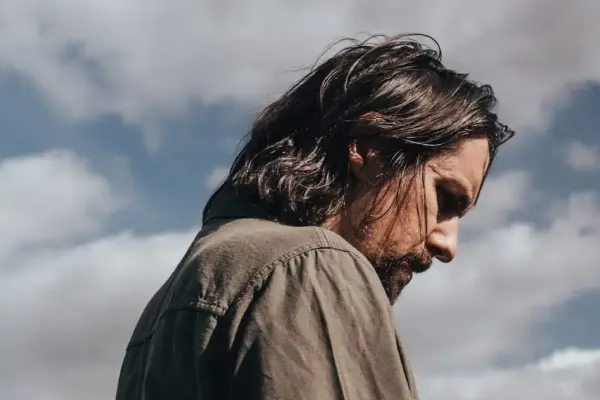
While historical preservation forms the bedrock of the Arhoolie ethos, contemporary artists have periodically stepped up to bridge the generational divide. For instance, Los Angeles-based artist Frank Fairfield emerged between 2009 and 2014 as a virtuosic banjo and fiddle player channeling the spirit of 1920s and 30s field recordings. Releasing records through Tompkins Square Records and various independent channels, Fairfield captured the public imagination before stepping away from the commercial music industry in 2015.
Similarly, artists like the late Precious Bryant—whose masterful country blues and gospel styling were immortalized in Neil Rosenbaum’s documentary Sing My Troubles By—demonstrated how traditional idioms continued to thrive well into the 21st century before her passing in 2013.
Official Statements and Archival Insights
The philosophy of Chris Strachwitz and the significance of his contemporaries have been extensively documented by cultural historians, filmmakers, and folklorists.
Reflecting on his editorial independence, Strachwitz famously noted his aversion to pop-oriented production norms:
"I didn’t want to record stuff I didn’t like."
This uncompromising artistic integrity allowed him to act as an unvarnished conduit for working-class musicians.
In their comprehensive review of the Arhoolie ecosystem, musicologist Joel Selvin emphasized the intersection of Strachwitz’s dual passions:
"Chris was not merely a record producer hunting for sound; he was an ethnographer with a camera. His photographs offer a rare, unromanticized window into the communities that birthed America’s true folk music."
Furthermore, the ongoing relevance of field recordings is underscored by companion archival projects, such as Smithsonian Folkways’ release of Playing for the Man at the Door—Field Recordings from the Collection of Mack McCormick, 1958–1971. Named after the foundational term for a field holler ("arhoolie") suggested by McCormick himself, these releases remind contemporary listeners of the gritty, face-to-face encounters required to rescue America’s musical heritage from oblivion.
Future Outlook: Live Performance and Digital Accessibility
As vernacular music preservation enters a new era, the challenge lies in balancing rigorous archival preservation with dynamic public engagement.
Digital Accessibility and Curation
Platforms such as KLOF Mag continue to champion these historic recordings through curated weekly playlists and deep-dive analytical features. By integrating historical releases with high-fidelity digital streaming platforms (Spotify, Apple Music, Tidal, Qobuz, and YouTube), younger generations can easily discover foundational blues and folk recordings that were once restricted to rare vinyl collectors.
Bridging Past and Present on Stage
The vitality of roots music is equally sustained through live performance, proving that traditional idioms are living art forms rather than museum artifacts. A prime example of this continuity is celebrated Scottish folk singer and songwriter Siobhan Miller. Bringing her six-band ensemble to prominent venues like London’s Kings Place, Miller successfully translates the high-energy atmosphere of major festival stages into intimate settings. Showcasing material from her critically acclaimed studio albums alongside fresh compositions, artists like Miller demonstrate that the narrative thread connecting historic field recordings to contemporary songwriting remains unbroken.
Conclusion
Chris Strachwitz did not merely collect records; he preserved the dignity, struggles, and joys of everyday people through the songs they sang. Today, as Smithsonian Folkways maintains his archives and contemporary artists breathe new life into traditional arrangements, the legacy of Arhoolie Records endures. It serves as an everlasting reminder that the true soul of American music lives not in polished boardrooms, but down home, in the fields, porches, and juke joints where it was born.