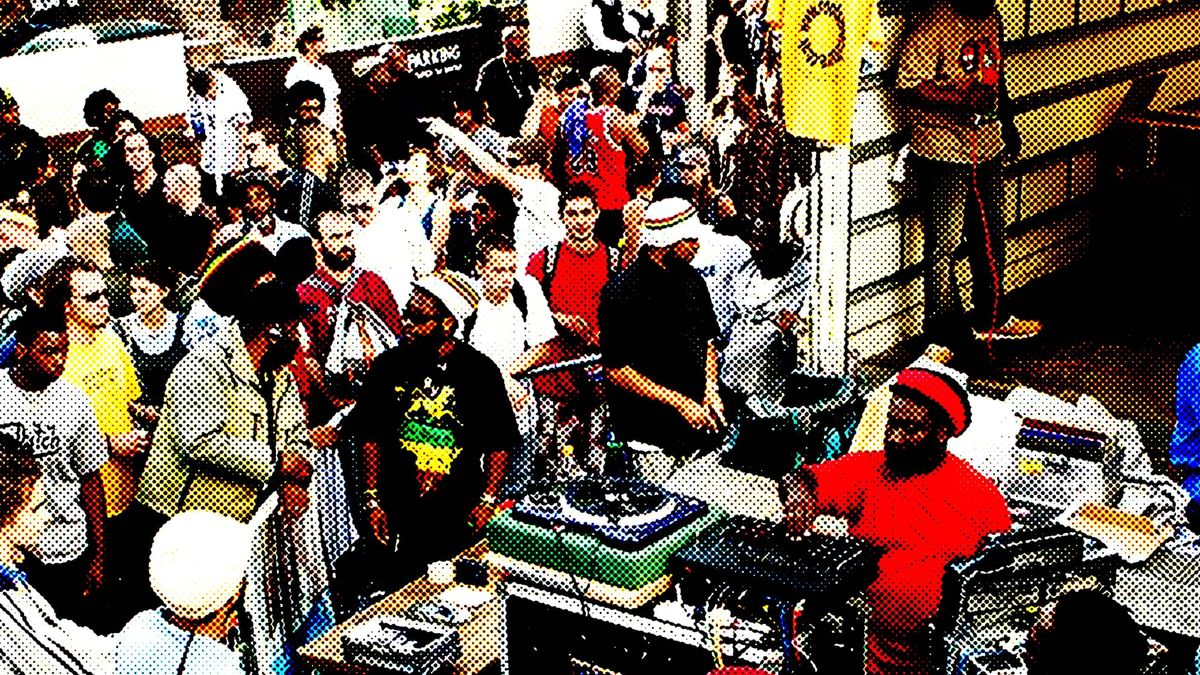
"The only good system is a sound system. One of those quotes that isn’t attributed to anyone but rings as loud and true as a bassline rattling through a towering stack of speakers."
Executive Overview
The story of reggae, dub, and sound system culture has always been one of physical, cultural, and spiritual movement. Tracing an immense legacy built since its origins in the Caribbean during the 1940s, the phenomenon of the sound system is more than a method of audio playback—it is an architectural, social, and political institution. Stacks of handcrafted speakers were first staggered onto the streets of Kingston, Jamaica, operated by tight-knit crews of vinyl record collectors, self-made sound technicians, and charismatic DJs. Driven by an infectious love for rhythmic innovation, these pioneers forged an independent infrastructure that bypassed oppressive commercial radio and brought music directly to the people.
As ska and rocksteady evolved into the hypnotic pulses of reggae and dub, the post-war Windrush generation carried this vibrant culture across the Atlantic to Great Britain. Here, it became deeply embedded in Black British life and the burgeoning underground music scenes of the late 1960s and 1970s. Reggae found a profound, symbiotic partner in British punk, cultivated through independent record labels, DIY spaces, and specialist record shops like Rough Trade—founded on Kensington Park Road in West London in 1976—where countercultural scenes converged away from the glaring eye of the mainstream.
Today, as we commemorate landmark anniversaries of cultural milestones like the Notting Hill Carnival—which celebrates six decades of resistance, community, and towering sound systems—the foundational resonance of Caribbean music continues to anchor modern global club culture, electronic music, and viral sample libraries. This comprehensive retrospective revisits ten essential reggae and dub albums that shaped this bass-shaking legacy, exploring the human stories, studio wizardry, and political upheavals behind the music.
Detailed Chronology: Ten Essential Reggae and Dub Masterpieces
1. Jimmy Cliff – The Harder They Come (1972)
More than just a film soundtrack, The Harder They Come acted as the definitive global gateway for Jamaican music. Accompanying Perry Henzell’s legendary movie starring Jimmy Cliff, the album operated like a miniature sound-system session where singers, harmony groups, and DJs shared the physical space of the record.
Alongside Cliff’s defiant title track and "You Can Get It If You Really Want," the compilation featured Toots and the Maytals’ "Pressure Drop," The Melodians’ Rastafarian standard "Rivers of Babylon," and Desmond Dekker’s "Shanty Town." Released in Britain by Island Records and via its Mango imprint in North America, the album successfully repackaged records originally engineered for Kingston dances and jukeboxes into a cohesive international art form. Music historians widely credit its commercial success with carving out the vital international market that later sustained Bob Marley, Peter Tosh, and Toots and the Maytals.
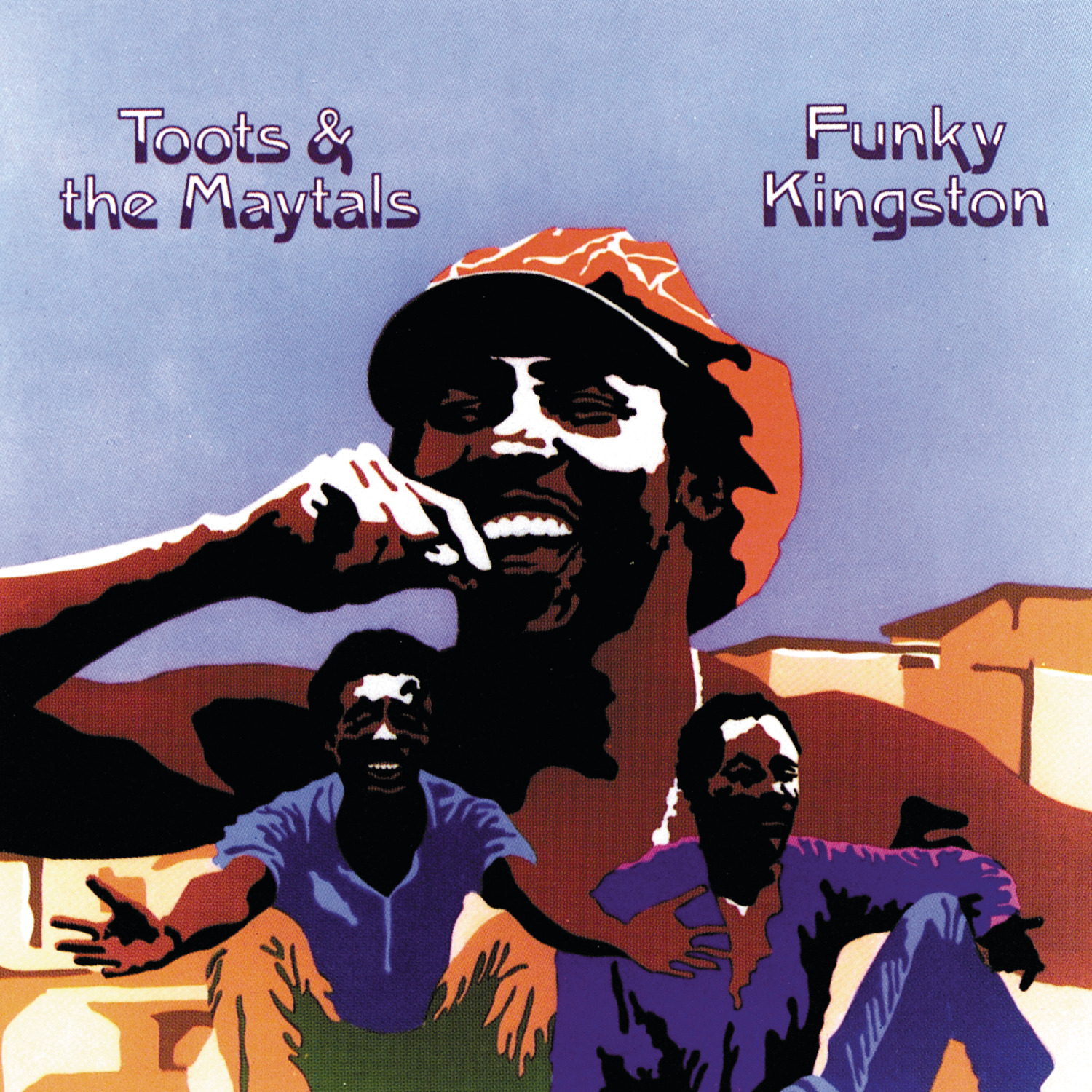
2. Toots and the Maytals – Funky Kingston (1973)
“Almost heaven, West Jamaica / True ridge mountains, shining down the river…”
Recorded primarily at Dynamic Sounds in Kingston and produced by Warwick Lyn, Dave Bloxham, and Island founder Chris Blackwell, Funky Kingston stands as a masterclass from Toots Hibbert, Raleigh Gordon, and Jerry Matthias. The Maytals were already veterans of Clement “Coxsone” Dodd’s legendary Studio One—Jamaica’s first Black-owned recording studio, founded in 1963. They had evolved the sound of ska and rocksteady before permanently bestowing the genre its name with their pioneering 1968 track "Do the Reggay."
Toots’ church-trained, soul-stirring voice led the group’s rich harmonies atop a razor-sharp, disciplined rhythm section. Infusing the traditional Jamaican framework with explicit nods to American soul, funk, rock, and country, Funky Kingston widened the genre’s demographic appeal—effortlessly proving why the world needed a reggae-fied reinvention of John Denver’s "Country Road."
3. Marcia Griffiths – Sweet and Nice (1974)
Originally issued in Jamaica under the title Play Me Sweet and Nice, Marcia Griffiths’ 1974 debut solo album occupies a crucial intersection between rocksteady, soul-reggae, and the nascent language of lovers rock. Its profound significance to sound-system culture lies in its psychological and atmospheric utility: romantic vocal cuts designed to cool down the sweat-drenched dancehall after hours of aggressive roots and heavy dub records.
Griffiths sharpened her craft at Coxsone Dodd’s Studio One before forming the dynamic duo Bob and Marcia alongside Bob Andy. Their crossover rendition of Nina Simone’s "Young, Gifted and Black," released internationally through Trojan Records, proved that Jamaican vocal arrangements could radically reshape international soul standards. In the same year her debut dropped, Griffiths joined forces with Rita Marley and Judy Mowatt to form the I-Threes, the legendary all-female vocal collective backing Bob Marley & The Wailers. In a genre historically dominated by men, Griffiths remains a living legend and foundational pillar of Jamaican music.
4. King Tubby – Dub From The Roots (1975)
“Reggae enthusiasts might debate extensively who is the forefather of dub, but it’s inarguable that King Tubby, if not the creator of dub, is at the very least one of its most valuable innovators.”
Osbourne Ruddock, universally known as King Tubby, single-handedly transformed the mixing desk from a passive recording tool into an expressive, front-line instrument. Tubby stripped classic reggae recordings down to their bare rhythmic bones—drums and bass—and rebuilt them in real-time using heavy spring reverb, tape delay, echo, and dramatic signal dropouts.
Dub From The Roots epitomizes this radical approach, offering a studio mix that feels perpetually live, unstable, and infinitely open to abstraction. Tubby’s methodology was intrinsically tied to sound system culture: dub versions evolved from the instrumental "version" flips of standard 7-inch singles, providing local selectors with exclusive, hypnotic material and giving MCs spacious room to "toast." Tubby’s innovations not only reshaped Jamaican performance practices but laid the foundational blueprint for remix culture across hip-hop, post-punk, and modern electronic dance music.
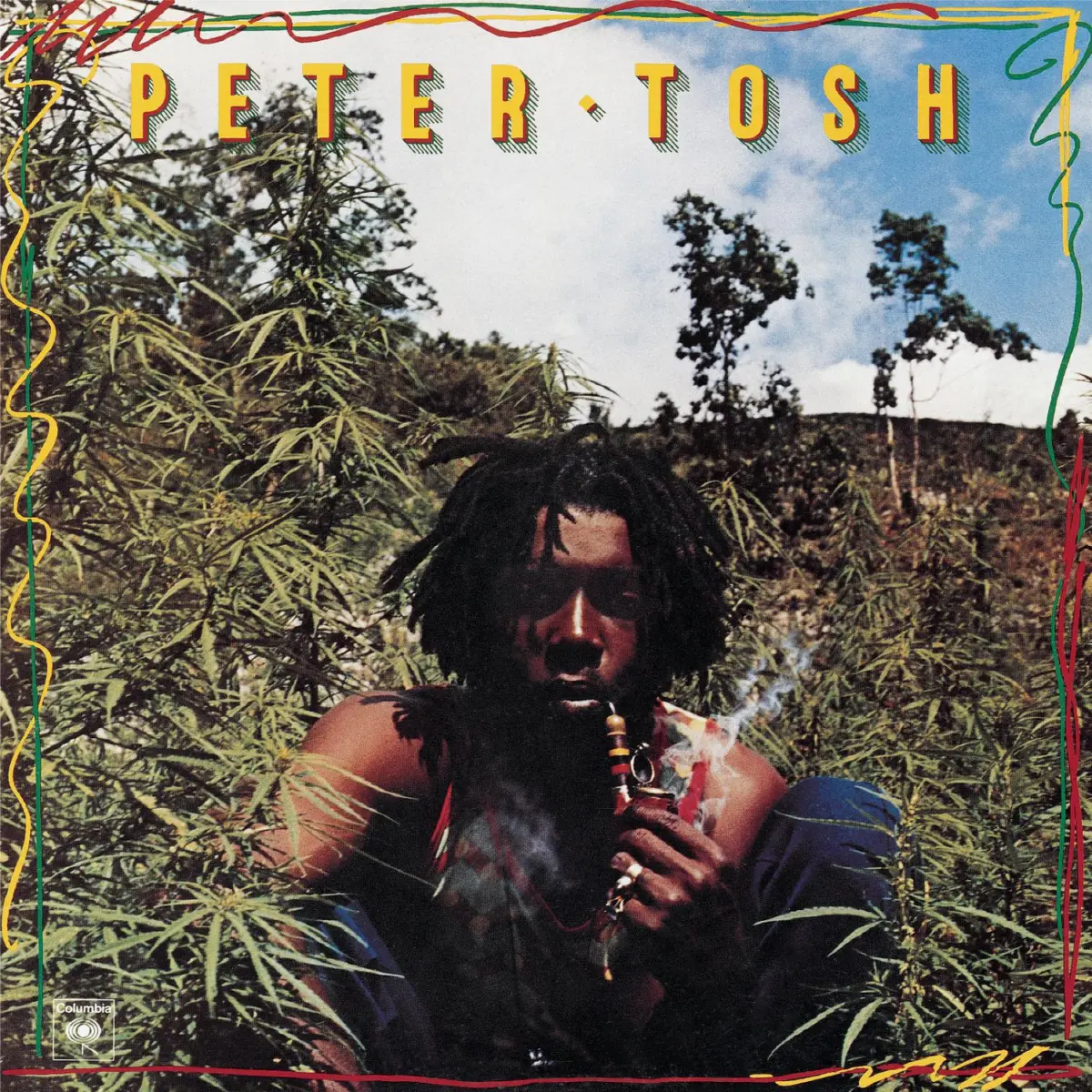
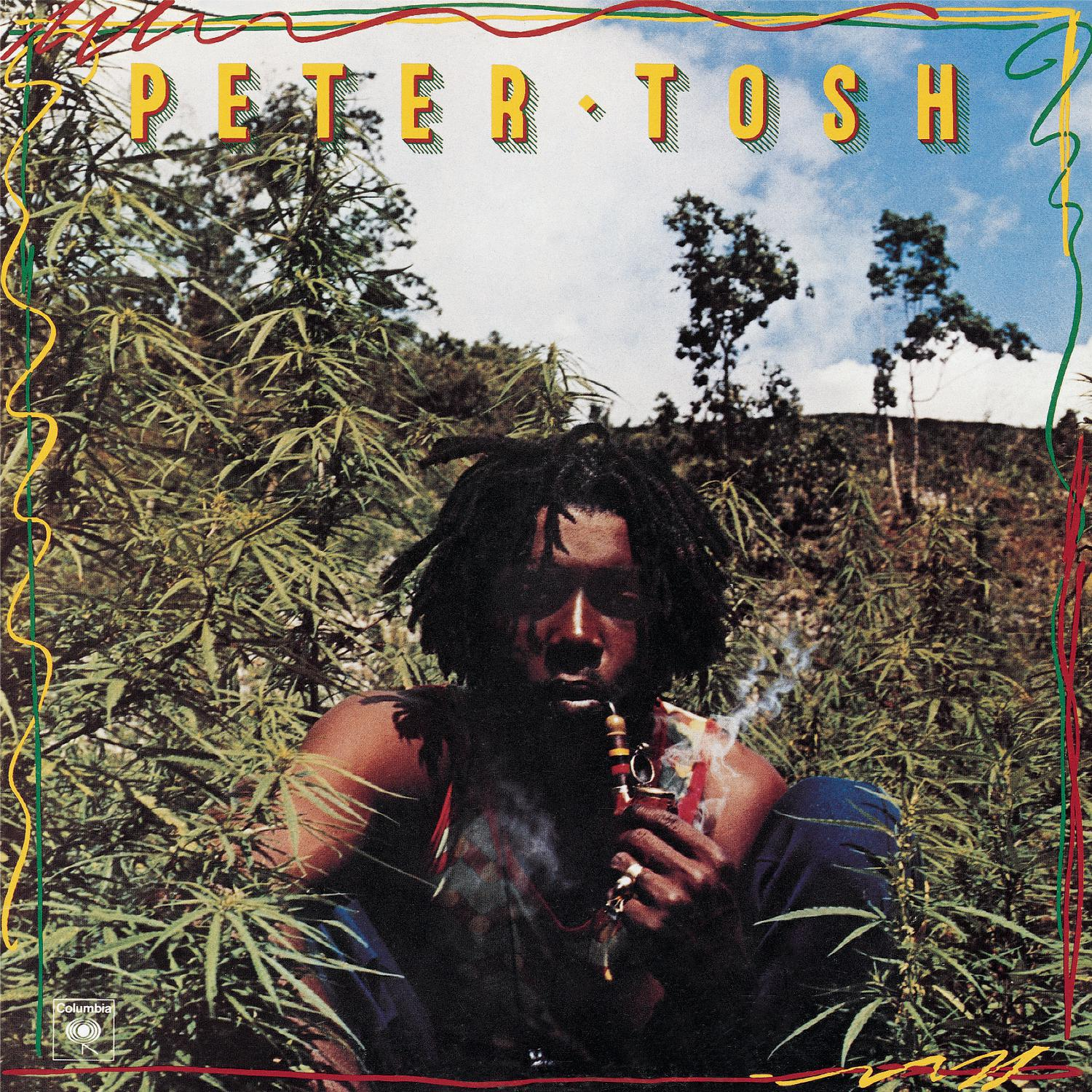
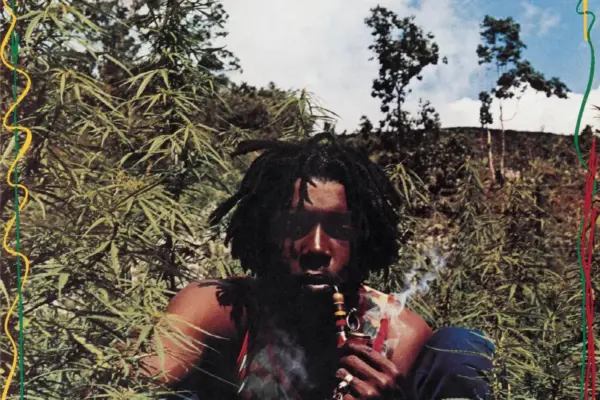
5. Peter Tosh – Legalize It (1976)
Peter Tosh honed his peerless vocal harmonies alongside Bob Marley and Bunny Wailer in the original Wailers lineup, recording initially for Studio One before passing through the hands of Lee "Scratch" Perry and Chris Blackwell. When the seminal trio fractured, Tosh embarked on a fiery solo career.
Legalize It was the ideal sound-system material due to its uncompromising, defiant lyrical stance against drug laws, systemic injustice, and political corruption. Earning the moniker the "Stepping Razor" for his sharp, unapologetic worldview, Tosh fought relentlessly for human rights and against police brutality. While this unwavering loudness frequently alienated conservative authorities—leading to the album’s initial ban in Jamaica and Tosh’s tragic 1987 murder in Kingston—its subversive message ultimately transformed the title track into a global anthem for personal liberty.
6. Lee "Scratch" Perry and the Upsetters – Super Ape (1976)
Lee "Scratch" Perry possessed an unmatched intuition for making a recording studio behave like a living, breathing sound system. Created at his mythic Black Ark studio and credited to the Upsetters, Super Ape is a psychedelic masterclass of thunderous bass, rolling drums, organic percussion, surreal vocal fragments, and eccentric sound effects. Cuts like "Croaking Lizard"—which reworks his legendary production for Max Romeo, "Chase the Devil" (later sampled by The Prodigy for their 1992 rave anthem "Out Of Space")—demonstrate Perry’s surrealist genius.
Perry performed his compositions directly at the mixing board, dropping instruments in and out just as a dancehall selector might manipulate exclusive dubplates and microphone effects during a live session. His pioneering use of tape saturation, artificial echo, and recycled rhythms directly anticipated hip-hop production, trip-hop, jungle, and dubstep. Yet, its governing ethos remained firmly rooted in Jamaican sound system culture: the studio engineer as an avant-garde performing artist.
7. Bob Marley and the Wailers – Exodus (1977)
Recorded in London in the wake of the politically motivated 1976 assassination attempt on Bob Marley’s life, Exodus is fundamentally an album born of displacement, yet paradoxically overflowing with spiritual uplift and communal resilience.
Exodus solidified reggae’s permanent command over international rock venues, arena stages, and mainstream radio playlists. The title track remains a masterclass in bass-led physical momentum, while "Jamming" celebrates the unifying power of music. Simultaneously, tracks like "Waiting in Vain," "Three Little Birds," and "One Love/People Get Ready" demonstrated how a single ensemble could seamlessly traverse roots mysticism, romantic devotion, and global pop accessibility. Bolstered by the majestic gospel-rooted harmonies of the I-Threes (Rita Marley, Marcia Griffiths, and Judy Mowatt), Exodus stands as Marley’s global masterpiece—cementing his status as the ultimate cultural ambassador of the genre.
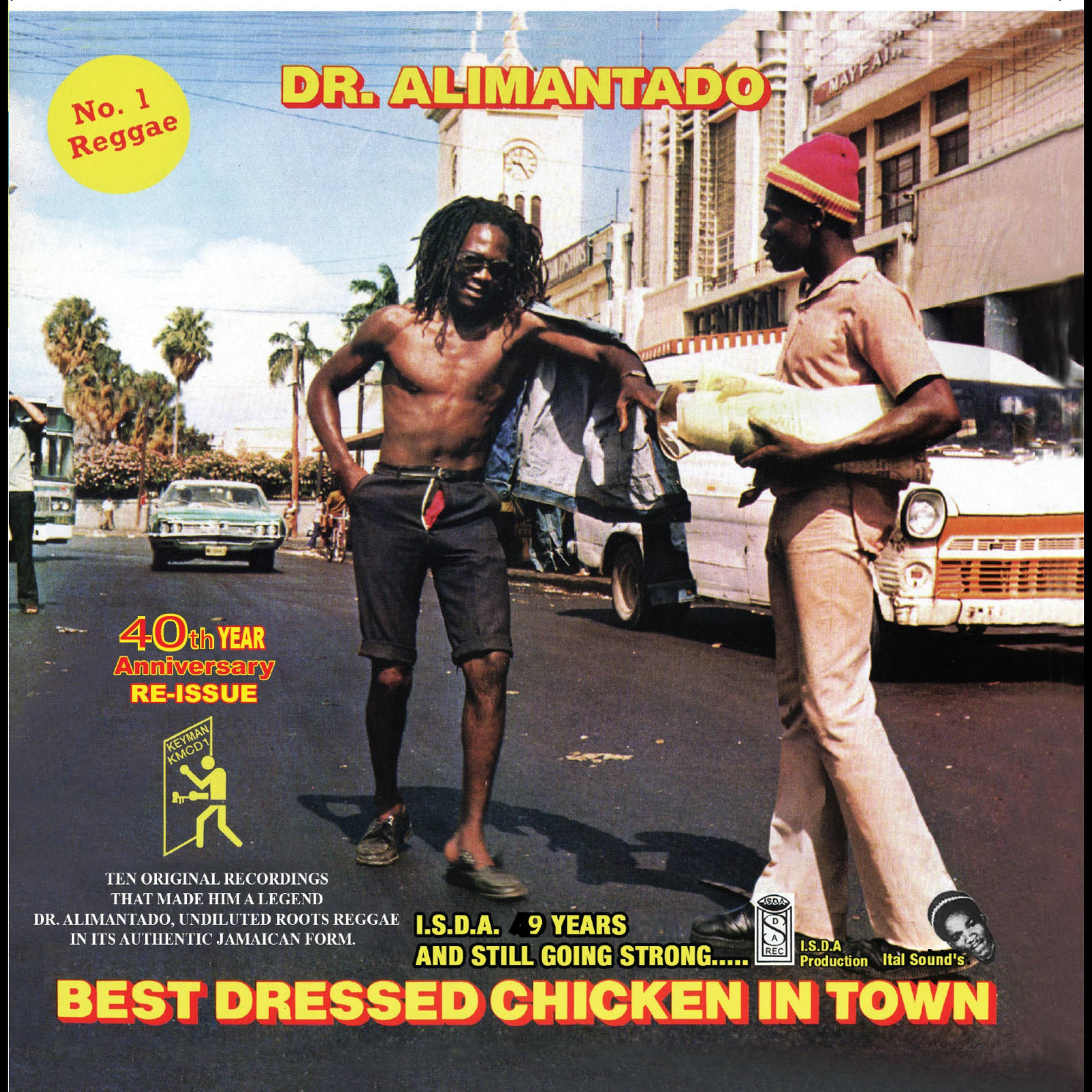
8. Dr Alimantado – Best Dressed Chicken in Town (1978)
Born Winston Thompson, Dr Alimantado was a master deejay rather than a conventional vocalist, constructing his recorded performances through boastful folklore, sharp social commentary, deadpan humor, and syncopated rhythmic speech.
Best Dressed Chicken in Town compiles essential singles recorded between 1972 and 1978 across Jamaica’s most legendary recording hubs—Black Ark, Channel One, Randy’s, and King Tubby’s studio. The record features vocal and instrumental contributions from roots royalty like Horace Andy, John Holt, and Gregory Isaacs, with the title track ingeniously reimagining Andy’s haunting take on "Ain’t No Sunshine."
This collaborative engine of Jamaican innovation—where a producer cuts a rhythm, a singer voices it, and an engineer dubs it—found a receptive new audience in Britain. Released as the very first LP by Greensleeves Records, the legendary West London shop-turned-label, the album enchanted British punks like Johnny Rotten of the Sex Pistols. Alimantado was himself a regular visitor to the original Rough Trade West store on Kensington Park Road, physically dropping off his records to be sold. Today, this historic tie is commemorated through Best Dressed Chicken in Town’s inclusion in the Rough Trade 50th Anniversary vinyl series (Drop One, 1976–1985).
9. The Slits – Cut (1979)
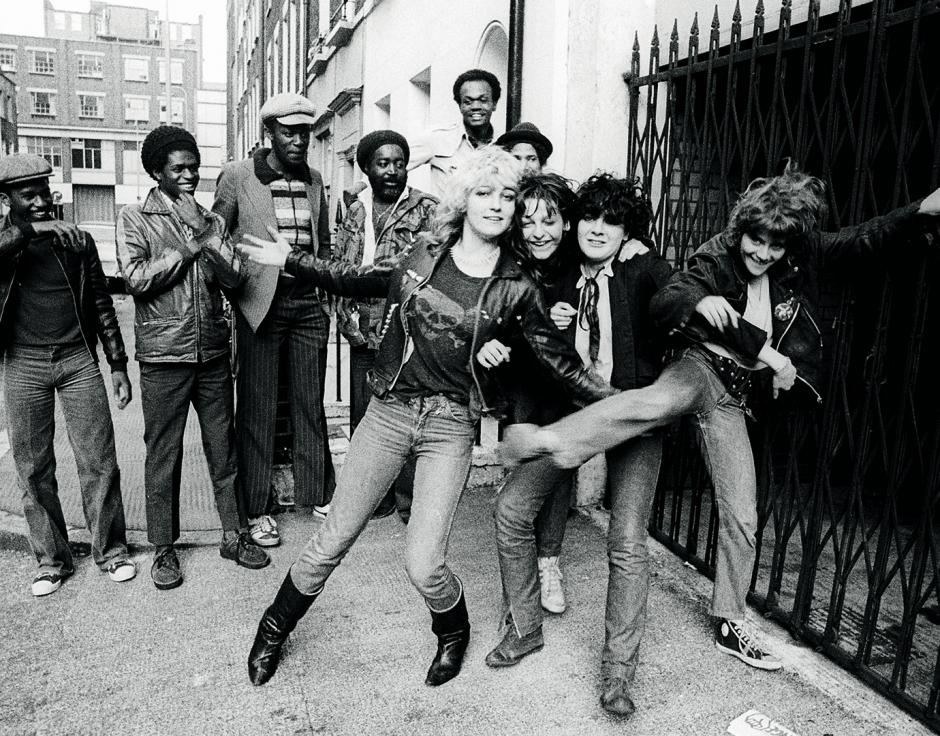
While Cut is not strictly a Jamaican reggae record, it remains one of the most brilliant and radical examples of sound-system culture successfully remaking British post-punk. The Slits—comprising Ari Up, Viv Albertine, and Tessa Pollitt, augmented in the studio by drummer Budgie—had emerged directly from London’s punk vanguard alongside The Clash and Sex Pistols during the infamous 1977 White Riot tour. By the time of their debut album, however, they had expanded their sonic vocabulary, discovering complex syncopation, heavy bass weight, and spatial echo through reggae.
Cut could not have existed without Dennis Bovell: the visionary producer, dub engineer, Matumbi member, and chief architect of British lovers rock (notably producing Janet Kay’s immortal anthem "Silly Games"). Bovell treated the band using techniques harvested directly from Jamaican sound systems, rendering the bass melodic and dominant while casting drums and vocals in cavernous washes of tape delay.
“Dennis [Bovell] corralled us into shape and tidied up all the ends, but without trampling on creativity. It was so rare for a man in the 1970s to put himself inside the heads and hearts of four crazy young women.”
— Viv Albertine, The Guardian, 2013
10. Sister Nancy – One Two (1982)
“I’m a lady, I’m not a man / MC is my ambition.”
Recorded at Kingston’s legendary Channel One studios (which directly inspired the name of the famed UK sound system Channel One, established in London in 1979 by brothers Mikey Dread and Jah T), One Two captures the crucial stylistic transition from roots reggae into early dancehall—a dominant subgenre that would come to define Notting Hill Carnival.
Sister Nancy (born Ophlin Russell) learned to deejay around live sound systems alongside her brother, Brigadier Jerry, one of the greatest microphone practitioners associated with Jah Love Muzik. Entering a fiercely male-dominated culture, Sister Nancy emerged as an inspirational figure who proved women could command the riddim-and-microphone arena with equal authority. One Two’s defining track, "Bam Bam," birthed a foundational riddim that would eventually underpin hundreds of subsequent recordings, embedding itself into hip-hop, electronic music, and global club culture as one of the most heavily sampled reggae songs in recorded history.
Supporting Context & Metrics: The UK-Caribbean Axis
The lineage connecting Kingston’s dancehalls to British underground counterculture is defined by migration, resilience, and creative cross-pollination. The annual Notting Hill Carnival stands as the premier manifestation of this transatlantic exchange. Rooted equally in joyous cultural celebration and fierce political protest, the Carnival arose to resist systemic racial tensions that tragically culminated in the 1959 racially motivated murder of Antiguan carpenter Kelso Cochrane in West London.
Key Cultural Milestones:
1940s–1950s: The birth of portable sound systems in Kingston, Jamaica, transforming public streets into communal dance floors.
1959: The establishment of Notting Hill Carnival’s conceptual and community roots following the murder of Kelso Cochrane.
1976: Rough Trade opens its doors on Kensington Park Road, positioning itself at the epicenter of London’s multicultural counterculture where punk musicians, Caribbean immigrants, and sound systems converged.
1993: British reggae and dub icon Aba Shanti-I establishes his permanent Notting Hill Carnival sound system residency at East Row, continuing a legacy of physical, body-rattling bass transmission.
2026: Celebrating 60 monumental years of Notting Hill Carnival—six decades of towering speaker stacks passed down through generations, ensuring Caribbean music remains a foundational pillar of British life.
Official Statements & Cultural Reflection
Reflecting on the generational impact of sound system culture, Rough Trade Marketing and Content Manager Georgia Mulraine recalls her earliest immersive experiences:
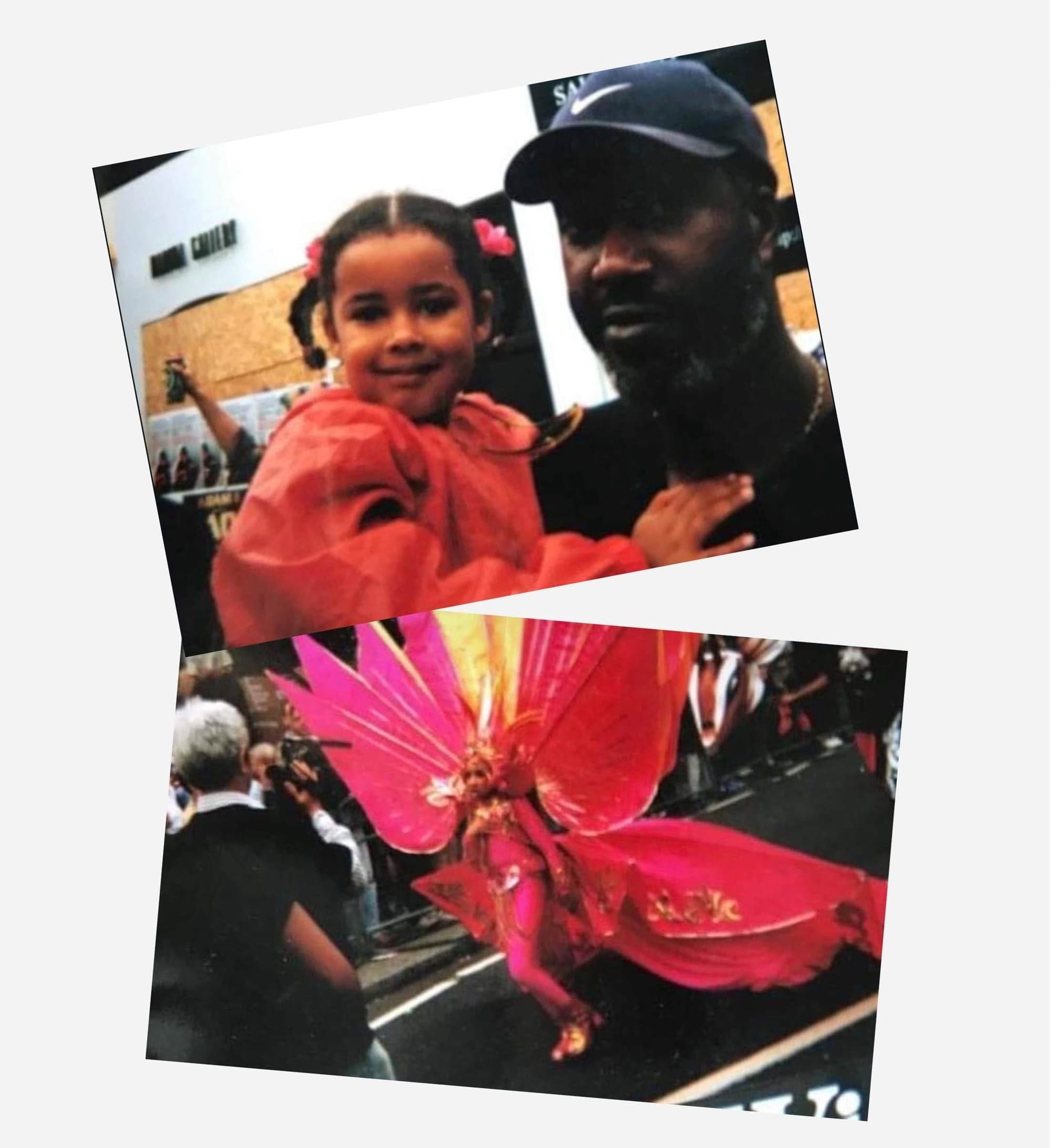
"I have hazy memories of going to my first carnival aged 5, tooting on whistles with coloured straps and being carried around to avoid being trampled on by the crowds as a small person. I was amazed by the parades, the bright, colour-themed crews with people in satin, feathers and headdresses—I particularly remember seeing one woman in pink and gold, who I thought was the most beautiful person I would ever see.
Over two decades on, I am still heading to Carnival (now being able to walk on my own two feet), usually settling in at East Row to see British reggae and dub icon Aba Shanti-I operate his legendary sound system, which has been a resident of Notting Hill Carnival since 1993. The volume is not for the fainthearted, but I truly believe there’s not much better feeling than physical bass so heavy it moves through your entire body rather than just your ears. Just remember your earplugs."
Future Outlook: The Enduring Vibration
As sound system culture looks toward the next half-century, its core philosophy remains unbroken: the physical, emotional, and political power of shared bass music. From the pioneering wooden speaker boxes built on Jamaican street corners in the 1940s to the multi-kilowatt stacks rumbling through West London during Carnival, the lineage of reggae and dub continues to inform the cutting edge of global audio experimentation.
The younger generations entrusted with operating these towering rigs carry forward a profound responsibility. They serve as living testaments to how Caribbean culture, ingenuity, and musical artistry fundamentally shaped, challenged, and permanently enriched modern British life. As long as speakers are stacked and vinyl spins, the foundational truth of the culture remains absolute: The only good system is a sound system.