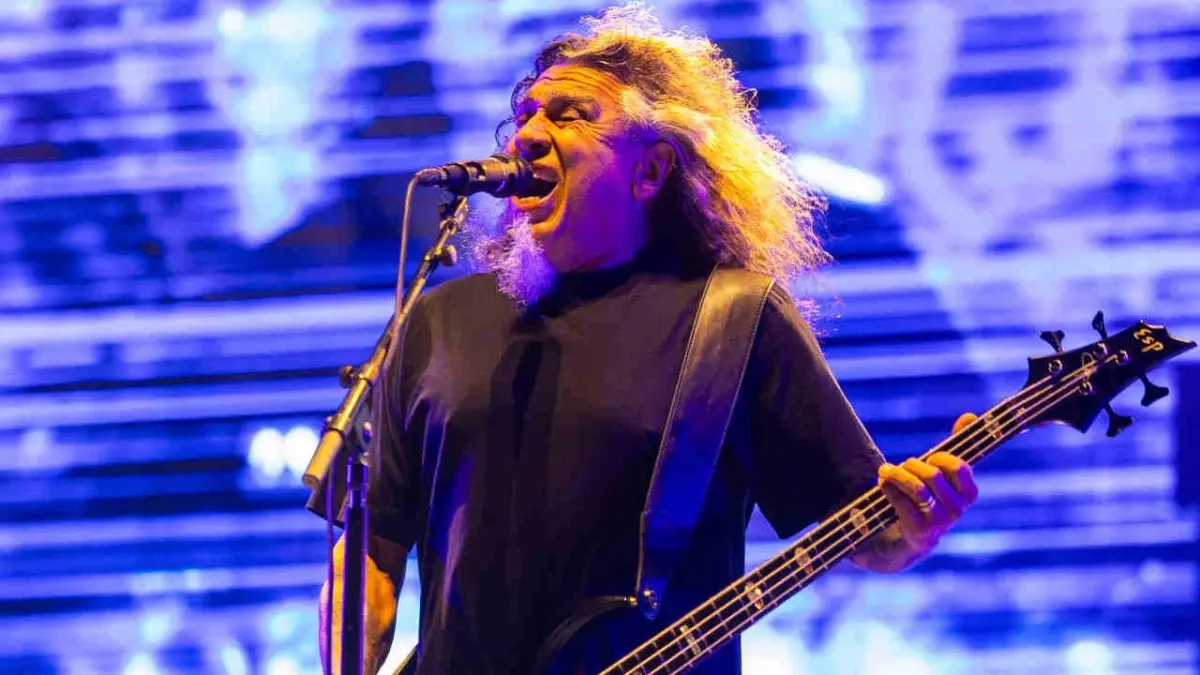
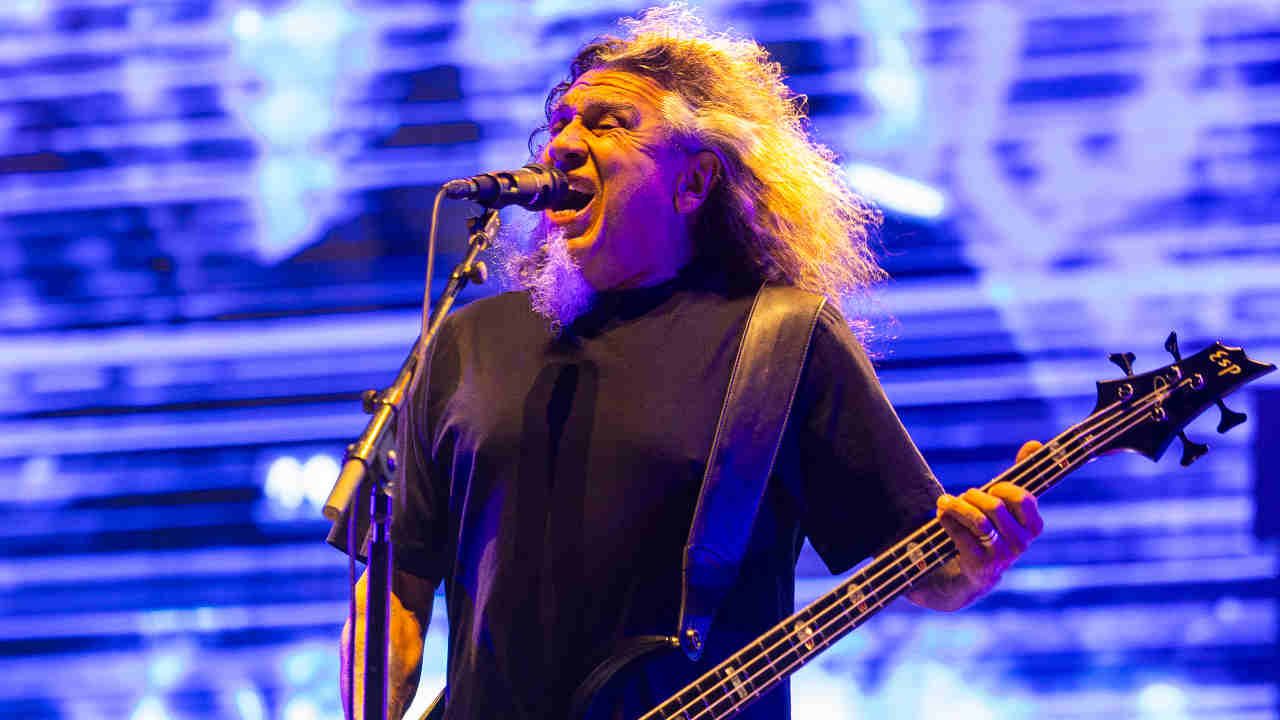
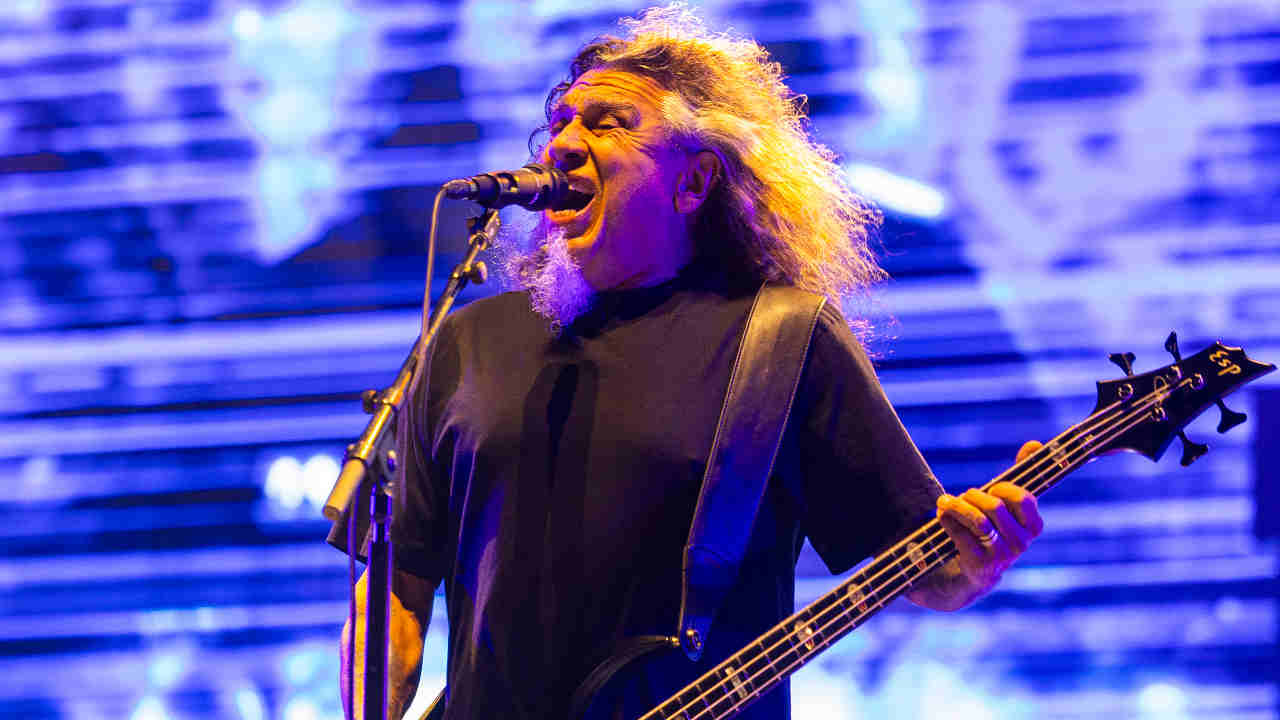
In an unprecedented turn of events that bridged modern venue safety protocols with heavy metal history, thrash metal titans Slayer were forced to temporarily halt their marquee performance at the Kia Forum in Inglewood, California. During the second night of a high-profile engagement celebrating the 40th anniversary of their seminal 1986 album Reign In Blood, frontman Tom Araya ordered house lights raised to publicly reprimand audience members who had begun vandalizing the facility.
Facing potential intervention by local fire marshals and venue management, Araya delivered an uncompromising stern lecture to the 17,500-capacity crowd. Threatening to abandon the set entirely, the vocalist addressed a burgeoning crisis in the venue’s seated tiers, where fans were actively damaging property and compromising structural safety.
The incident echoes one of the most infamous chapters in heavy metal lore: the 1988 destruction of New York’s Felt Forum, where Slayer fans ripped up seat cushions and prompted a multi-decade venue ban. However, unlike the unbridled chaos of the band’s 1980s zenith, the Los Angeles disruption was met with immediate, decisive intervention from the stage. The five-minute operational pause highlighted the delicate balance between high-octane subcultural expression, financial liability, and strict post-modern venue safety standards.
Detailed Chronology
The Lead-Up to the Incident
The November 14 performance marked the culmination of a two-night homecoming stand at the Kia Forum. The concerts were designed as landmark anniversary showcases honoring Reign In Blood, an album widely considered the gold standard of thrash metal. Having reunited in 2024 following a high-profile five-year retirement, Slayer entered the arena under immense anticipation, pulling a cross-generational crowd spanning original 1980s devotees to younger fans experiencing the band’s ferocious live show for the first time.
The evening was structured into two distinct sets. The energy within the arena had been building steadily, with aggressive mosh pits naturally forming on the general admission floor—a long-accepted staple of the band’s live environment.
The Breaking Point: Song Eight
Roughly eight songs into the opening set, atmospheric intensity escalated into physical destruction. While the general admission floor remained chaotic but controlled within standard pit etiquette, elevated seated sections began experiencing severe disorder. Reports from attendees and security personnel indicated that individuals in the upper and lower bowl seating areas were deliberately breaking fixtures, tearing out seats, and throwing debris into adjacent corridors and lower tiers.
Recognizing that venue operations and local law enforcement were on the verge of forcibly terminating the concert, Araya halted the music mid-performance.
[08:00 PM] - Set 1 Commences at Kia Forum
[08:35 PM] - Song 8: Escalation of property damage observed in elevated seating tiers
[08:37 PM] - Tom Araya signals stage crew; house lights raised
[08:38 PM] - Araya delivers extended reprimand; fire marshals assess floor conditions
[08:43 PM] - Operational pause concluded; crowd stabilizes
[08:44 PM] - Performance resumes under heightened security monitoring
The Stage Interruption
Requesting full venue illumination, Araya stepped to the center microphone, effectively shifting the tone from sonic assault to stern disciplinary oversight. The immediate reaction from portions of the audience was confusion, which quickly devolved into collective booing as the crowd realized the show was being held up.
Undeterred by the crowd’s vocal displeasure, Araya directly targeted the perpetrators, emphasizing that modern arena infrastructure operates under zero-tolerance safety policies. He explicitly separated the traditional mosh pit dynamics on the floor from the mindless property damage occurring in the seats, making it clear that the band would walk offstage and forfeit the rest of the performance if decorum was not restored.
Following a tense, five-minute intermission during which venue security and fire marshals reassessed the safety of the bowl areas, the crowd visibly calmed down. Satisfied that the threat of immediate cancellation had coerced compliance, Slayer resumed their set, completing the double-set bill without further structural disruptions.
Supporting Context & Metrics
Historical Parallels: The 1988 Felt Forum Precedent
The tension at the Kia Forum did not occur in a vacuum; it resonated against a historically notorious precedent. On August 31, 1988, during the tour supporting South Of Heaven, Slayer played New York’s Felt Forum (located within the Madison Square Garden complex). That night, unchecked audience hysteria resulted in fans tearing up hundreds of foam seat cushions, slicing upholstery, and turning the arena interior into a violent battlefield of flying debris.
+-----------------------------------------------------------------------+
|                 SLAYER VENUE DESTRUCTION COMPARISON                   |
+--------------------------+--------------------+-----------------------+
| Metric / Feature         | Felt Forum (1988)  | Kia Forum (2026)      |
+--------------------------+--------------------+-----------------------+
| City                     | New York City, NY  | Inglewood, CA         |
| Tour / Era               | South Of Heaven    | Reign In Blood (40th) |
| Venue Capacity           | ~4,000             | ~17,500               |
| Structural Damage        | Widespread         | Isolated / Stopped    |
| Band Intervention        | Minimal            | Immediate Pause       |
| Direct Consequences      | Multi-decade Ban   | 5-Minute Delay        |
| Financial Indemnification| Band/Promoter paid | Resolved On-Site      |
+--------------------------+--------------------+-----------------------+
The 1988 Felt Forum incident resulted in massive financial repair bills billed directly to the band’s management, widespread media condemnation, and an immediate, long-standing ban from performing at Madison Square Garden properties. Araya’s quick action at the Kia Forum was explicitly framed around preventing a modern repetition of that career-damaging fallout.
The Economics of Arena Liability and Financial Risk
Modern concert touring operates under vastly different legal and financial frameworks than the extreme metal scene of the 1980s. Venue lease agreements for tier-one facilities like the Kia Forum contain stringent indemnification clauses.
When structural damage occurs:
Property Coverage Deductibles: The touring act typically posts an upfront performance bond or carries specialized tour insurance covering venue damage.
Direct Financial Deductions: Repair costs, sanitation overhauls, and replacement hardware expenses are directly deducted from the band’s nightly gross guarantee.
Permitting and Municipal Oversight: Modern fire marshals possess absolute legal authority to revoke a venue’s temporary occupancy permit mid-show if egress routes are blocked or audience behavior violates local safety codes.
Evolution of Crowd Control and Venue Dynamics
The venue environment has undergone radical changes over four decades. The shift from low-light, minimally regulated halls to multi-million dollar entertainment complexes equipped with high-definition surveillance, computerized fire suppression, and strict capacity enforcement has redefined acceptable audience limits.
1980s Underground Era:
[Unregulated Pits] ➔ [Minimal Security] ➔ [High Risk of Venue Bans/Damage]

Modern Arena Operations:
[Controlled Pit Enclosures] ➔ [Surveillance & Fire Marshals] ➔ [Immediate Band/Security Intervention]
Official Statements
Full Transcription of Tom Araya’s Address
Below is the verified transcription of Tom Araya’s mid-show address to the audience at the Kia Forum, as recorded and transcribed from venue audio feeds:
"I don’t know how many times I had this conversation when we first started playing in fucking huge places. I kept telling everybody, ‘Man, you gotta fucking maintain yourself. You can’t start destroying shit because they’ll shut the shit down.’
"They don’t want anybody to get hurt. There’s a lot of people that want to come see the show. They don’t understand some of this stuff, and you guys get so fucking crazy, you start hurting each other. You know, you guys, I know it’s hard to fucking contain yourself. It’s hard to fucking maintain yourself. I know that. But you gotta fucking be respectful of the people around you, especially if you’re sitting in fucking seats.
"So the fire marshal said we’re gonna pause. We’re gonna pause until you guys get your shit and your act together, okay?
"There’s no one to blame but you, and you know who I’m talking about. Not these people in the front, not them, not them. It’s you motherfuckers behind these people, yeah. You know we’re in a time where people have… you know there’s no consequences for the shit you fucking do.
"We need consequences. If you guys keep that shit up, we’re gonna go home. And hope you guys don’t do that next time we come. You know, you think you can get away with shit and not get in trouble for it? We end up in trouble for it. We have to pay for that shit. I’m not joking, man. I’m not joking. Have you ever heard me talk to you like this?
"So you need to fucking get your heads on straight and behave like human fucking beings unless you’re in this fucking area right here in the front. Yeah, the fire marshals are here, and they’re here for your safety, your fucking safety. Do you hear what I’m saying? All right, let’s see how you act. We might come back."
Analysis of Araya’s Rhetoric
Araya’s speech reflects a notable evolution in heavy metal culture: the transition of the extreme metal frontman from an agent of chaos to an authoritative steward of safety.
Segmentation of Responsibility: Araya purposefully differentiated between the general admission standing floor ("these people in the front") and the seated bowl areas ("you motherfuckers behind these people"). By validating the mosh pit while condemning property destruction, he preserved subcultural norms without enabling criminal behavior.
Economic Realism: By stating, "We end up in trouble for it. We have to pay for that shit," Araya demystified the illusion of anti-establishment anarchy, reminding fans that property damage incurs direct financial penalties for the artists themselves.
Societal Commentary: The remark regarding a culture where "there’s no consequences for the shit you fucking do" offered a rare window into Araya’s personal perspective on accountability, contrasting late-era societal norms with the disciplined code required to sustain heavy music in public arenas.
Future Outlook
Immediate Tour Obligations
Following the conclusion of their two-night engagement in Los Angeles, Slayer’s reunion itinerary turns toward international markets. The band is scheduled to embark on a targeted run of South American dates in December, bringing the Reign In Blood 40th anniversary celebration to major outdoor stadiums and arenas across the continent.
+--------------------------------------------------------------------+
|               SLAYER UPCOMING ANNIVERSARY ITINERARY                |
+-----------------------+--------------------+-----------------------+
| Date / Window         | Region / Venue     | Event Focus           |
+-----------------------+--------------------+-----------------------+
| Mid-November          | Kia Forum, LA      | Reign In Blood Stand  |
| Early December        | South America      | Stadium Headliners    |
| Festival Season       | Global Destinations| Select Reunion Shows  |
+-----------------------+--------------------+-----------------------+
Industry analysts expect security riders for the South American leg to be modified in light of the Los Angeles incident. Promoters are likely to increase physical barriers between seating tiers and standing pits, alongside implementing stricter monitoring of stadium fixtures.
Implications for Aging Thrash Metal Acts
The incident at the Kia Forum underscores an emerging challenge for pioneering 1980s thrash metal acts operating in modern arena ecosystems:
Demographic Splintering: Legacy acts now draw an audience split between aging fans who occupy expensive seated tickets and younger, high-energy fans on the floor. Managing these disparate behaviors within a single venue requires active communication from both security forces and the artists on stage.
Venue Relations & Insurance Premiums: As extreme metal legacy acts transition into arena-only billing, maintaining clean operational track records with global venue conglomerates (such as Live Nation and AEG) is paramount. Uncontrolled venue damage risks blacklisting, elevated insurance rates, or mandatory venue-imposed volume/crowd restrictions.
The Precedent of Self-Policing: Araya’s successful pause-and-reprimand tactic offers a clear operational blueprint for other legacy metal acts (e.g., Metallica, Megadeth, Anthrax). Direct, uncompromising communication from the stage has proven to be the most effective tool in defusing potential crowd stampedes, property destruction, or municipal shutdowns.
By confronting the crowd directly, Slayer proved that while their music remains uncompromisingly aggressive, the operational management of their live shows prioritizes structural safety, financial accountability, and longevity over unchecked chaos.