The English National Opera (ENO) has added a striking entry to its ongoing contemporary-leaning season with its milestone, company-premiere production of Christoph Willibald Gluck’s final operatic masterpiece, Iphigénie en Tauride. Staged at the historic London Coliseum and reviewed on its opening night on November 6, 2026, the production represents a triumph of understated theatrical intelligence over grand-scale overproduction.
Under the visionary direction of theatre-maker Lyndsey Turner—making a rare and triumphant return to the operatic stage—and the baton of conductor David Bates in his auspicious ENO debut, the production bypassed gimmicky creative dislodgements in favor of raw emotional power, psychological depth, and vocal clarity. Featuring an esteemed principal cast led by Christine Rice as Iphigénie, Jacques Imbrailo as Oreste, Nick Pritchard as Pylade, and Morgan Pearse as Thoas, the mounting proved that modern classical styling, when handled with restraint, can breathe new life into late 18th-century masterworks. Despite the cavernous acoustics of the London Coliseum presenting occasional audibility hurdles for the original French libretto, the artistic team delivered a performance characterized by supple vocal lines, powerful suppressed emotions, and sculptural orchestral beauty.
Detailed Chronology: Opening Night at the London Coliseum
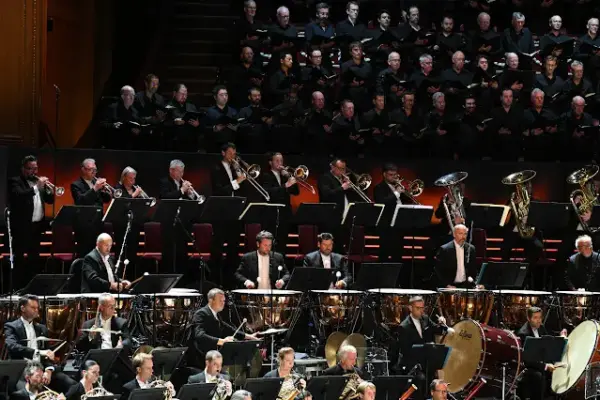
The evening began with a torrential atmospheric storm, during which conductor David Bates and the ENO Orchestra leaned forcefully into the percussion section to establish an immediate sense of impending doom and chaos. This tempestuous opening set the stage for the psychological turmoil that dominates Gluck’s dramatic arc.

However, a technical glitch during the early scenes momentarily disrupted the theatrical flow, forcing baritone Morgan Pearse (Thoas) to restart his opening aria and perform a significant portion of it enveloped in gloom due to a temporary lighting failure managed by designer Tim Mitchell. Despite this hurdle, the production quickly regained its footing, driven by Bates’s meticulous control over the orchestra. Eschewing mere bombast, Bates elicited a lean, muscular soundscape focused on long, fluid phrases and architectural beauty, ensuring that the orchestra remained a vital, breathing character throughout the performance.
The narrative unfolded through a series of sharply drawn psychological confrontations. Christine Rice’s Iphigénie anchored the production with a long, agonizing dramatic arc. From her opening nightmares—where she relives her mother killing her father, Oreste killing her mother, and finally her own imagined hand executing Oreste—to the agonizing climax where she is forced to preside over the ritual sacrifice of her unrecognized brother, Rice portrayed despair through gentle color and vocal suppleness rather than histrionics.
The emotional core of the evening intensified during the interactions between Imbrailo’s Oreste and Pritchard’s Pylade. Gluck and his librettist notably delayed the classic recognition scene until the opera’s final moments, forcing the characters to endure prolonged psychological agony. Imbrailo portrayed Oreste as deeply troubled and intensely physical, longing for death yet bound by visions of his sister. Meanwhile, Pritchard’s Pylade brought ethereal, floating lyricism to a role historically anchored in the French haut contre tradition. Their intense scenes—crackling with unexpressed, queer-coded devotion—elevated the production from a standard classical revival into a poignant exploration of loyalty and suppressed desire.

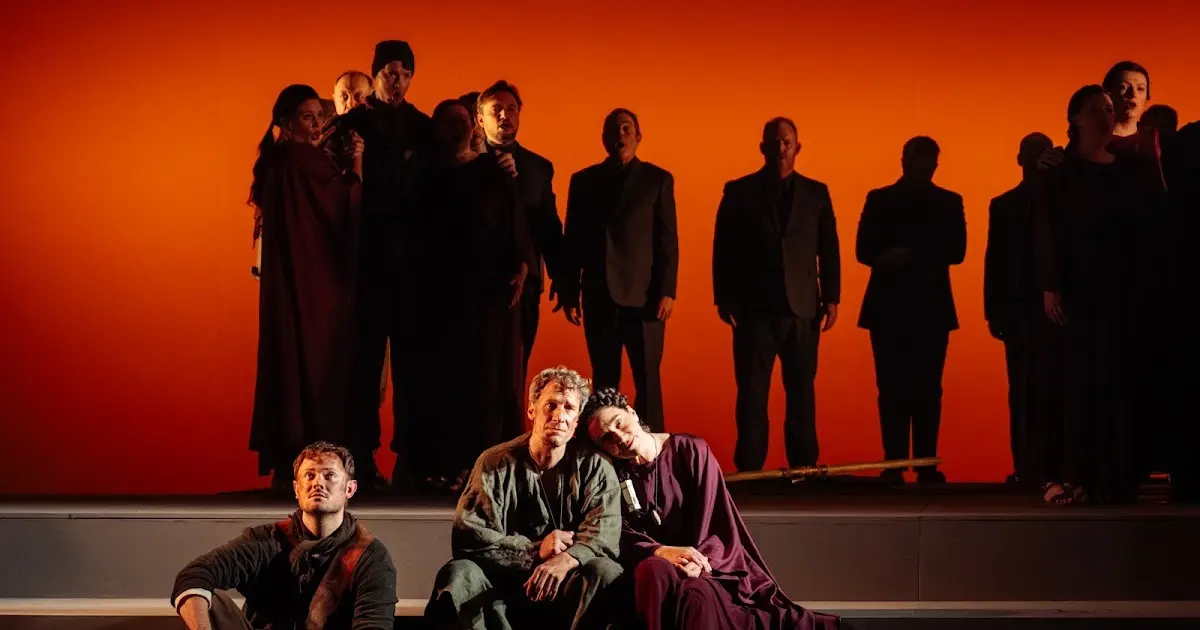
The evening concluded with Turner’s striking directorial signature: an intimate, grounding final tableau where the three principals—Rice, Imbrailo, and Pritchard—sat closely together in a quiet family group while the chorus thundered around them.
Supporting Context & Metrics: Production Architecture and Aesthetic Choices
Mounting an intimate, psychologically dense opera like Iphigénie en Tauride in a venue as grand as the London Coliseum poses a fundamental architectural challenge. Designed for spectacle, the Coliseum demands vocal heft that can sometimes overwhelm the delicate, reformist textures of 18th-century opera seria.
The Aesthetic Blueprint
- Direction: Lyndsey Turner (Known for theatrical work and ENO’s 2019 Noyes Fludde at Stratford East).
- Musical Direction: David Bates (ENO debut, artistic director of La Nuova Musica).
- Design & Lighting: Soutra Gilmore (Set/Costumes) and Tim Mitchell (Lighting).
- Language: Original French.
- Run: Four exclusive performances at the London Coliseum in November 2026.
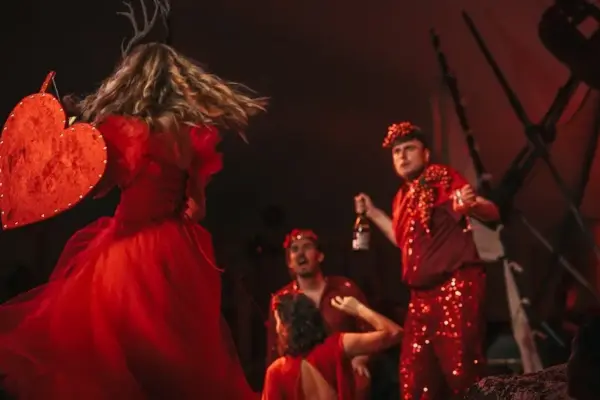
Turner and Gilmore wisely resisted the temptation to over-conceptualize the staging. The set design was resolutely abstract, shifting the heavy lifting of mood creation onto Mitchell’s dynamic lighting design. Costuming cleanly divided the demographic worlds of the stage: the female priestesses wore classical, softly draped garments interwoven with mundane daily rituals (such as sweeping and washing), while the male Scythians appeared in modern, besuited attire.

Crucially, Turner avoided traditional ballet elements or forced choreographic interludes. The most prominent directorial innovation occurred during Oreste’s Act One vision: rather than placing the Furies on stage, Turner introduced two children (portraying youthful versions of Iphigénie and Oreste) to haunt both Oreste and, later, Pylade in Act Three. This psychological internalization effectively externalized the trauma of the House of Atreus without resorting to grotesque theatrical tropes.
Official Statements and Artistic Perspectives
The production’s philosophy centered on respecting Gluck’s operatic reforms—which sought to strip away the excessive ornamentation of Baroque opera in favor of "noble simplicity and natural truth."
David Bates approached the score with an eye toward sculptural clarity, ensuring that the instrumental voice mirrored the vocal text. In reviews of his broader musical philosophy, Bates has frequently emphasized the importance of text-driven articulation, a trait that clearly influenced the ENO Orchestra’s performance.

The handling of the relationship between Oreste and Pylade has long been a focal point for modern directors. While the original libretto heavily utilizes the French concept of amitié (friendship), the intensity of their mutual willingness to die for one another has invited queer-coded interpretations for decades. Commentators noted that Turner, Imbrailo, and Pritchard navigated this dynamic with the restraint of a 1950s cinematic romance—steeped in undeniable, palpable devotion, yet remaining strictly unstated. This artistic choice prevented the drama from slipping into melodrama while maintaining the emotional stakes required to make the plot coherent.
Future Outlook: The ENO’s Contemporary Trajectory
The staging of Iphigénie en Tauride arrives at a crucial juncture for the English National Opera. The company’s 2026 autumn season has been characterized by a boldly uncompromising, contemporary streak. Alongside Gluck’s masterpiece, the season has featured Du Yun’s provocative Angel’s Bone, an upcoming new mounting of Tosca, and Kaija Saariaho’s challenging modern classic, Adriana Mater.
While mounting Iphigénie en Tauride in a 2,350-seat house like the London Coliseum rather than a more intimate lyric theatre presents persistent acoustic and stylistic challenges, the success of Turner and Bates’s production proves that the company can balance populist scale with high-art intellectual rigor. As the ENO navigates its ongoing institutional evolution and geographical transitions, productions that rely on "simplicity writ large"—allowing masterworks to speak clearly through superb casting and musical integrity—will undoubtedly serve as a vital blueprint for future classical revivals in the British capital.