Executive Overview
Few figures in modern electronic music command the mythos, reverence, and sustained mystique of Richard D. James, universally known as Aphex Twin. Born in Limerick, Ireland, and raised in the rugged coastal landscapes of Cornwall, James emerged from the incandescent heat of the early 1990s UK rave scene to fundamentally redefine the parameters of electronic composition. His career is a masterclass in perpetual reinvention, a restless oscillation between pristine, transcendent beauty and abrasive, mechanized chaos.
To approach the discography of Aphex Twin is to navigate an ever-shifting labyrinth of sound. Often lumped into the sterile, producer-rejected category of "Intelligent Dance Music" (IDM)—a moniker James has routinely dismissed as pretentious gatekeeping—his work transcends conventional genre boundaries. Instead, James operates as a sonic architect, wedding hyper-detailed, breakneck drum programming with lush, pastoral melodies and chilling ambient spaces.
As streaming algorithms, TikTok trends, and a sprawling digital youth culture continue to introduce his catalog to generations unacquainted with the original 1990s warehouse parties—pushing his monthly YouTube Music listeners past mainstream juggernauts like Taylor Swift—the cultural enigma of Aphex Twin only deepens. This retrospective dives deep into his foundational studio albums, exploring how a prankster-genius crafted an enduring blueprint for electronic music that remains as vital today as it was over three decades ago.
Detailed Chronology: The Studio Albums Ranked and Analyzed
Because James’s versatility yields such radically divergent sonic experiences, any ranking of his discography is inherently subjective. What serves as one listener’s sacred text might leave another cold. Yet, evaluating his core long-players reveals the evolutionary arc of an artist who refuses to stand still.
6. …I Care Because You Do (1995)
Following the cavernous, beatless expanse of 1994’s Selected Ambient Works Volume II, …I Care Because You Do marked a calculated return to rhythmic structures, albeit ones dripping with characteristic mischief and in-jokes. Track titles like Acrid Avid Jam Shred (an anagram of Richard D. James) and Ventolin (named after asthma medication and realized as one of the album’s most breathless, abrasive assaults) highlight James’s sardonic humor.
Musically, the record acts as a bridge between his early ambient depths and the forthcoming digital glitch era. Tracks like Alberto Balsalm (named after the budget shampoo) and Mookid offer warm, comforting synth textures, while Cow Cud Is A Twin leans into trip-hop inflections. In a 1995 interview with Paper Magazine, James admitted the rhythmic shift was intentional: "The tracks I chose were part of a conscious effort to be more conventionally accessible… I thought since the last one wasn’t [rhythmic], I’d make this one so it was." While it sits at the bottom of this specific ranking due to its transitional nature, it remains an essential document of analogue warmth meeting distortion-heavy beatwork.
- Best Track: Alberto Balsalm / Cow Cud Is A Twin
5. Selected Ambient Works Volume II (1994)
Clocking in at two and a half hours, Selected Ambient Works Volume II is Aphex Twin’s definitive ambient statement. Inspired by lucid dreams and synesthesia, this sprawling double album is a masterclass in minimalism, trading beats for eerie, spiritual soundscapes. Its low placement on this list is perhaps its most controversial aspect, as it is widely hailed as a career-defining ambient benchmark.
However, its sheer atmospheric weight makes it an intense commitment. It is less a casual listen and more an immersive environment. One moment delivers warm nostalgia via track #3 (affectionately dubbed Rhubarb by fans), while the next thrusts the listener onto a cold, desolate precipice with #4 or #24. The deliberate omission of traditional track titles forces the audience to surrender entirely to James’s meditative headspace, cementing its status as a monumental, if daunting, ambient experience.
- Best Track: #3 (Rhubarb)
4. Syro (2014)
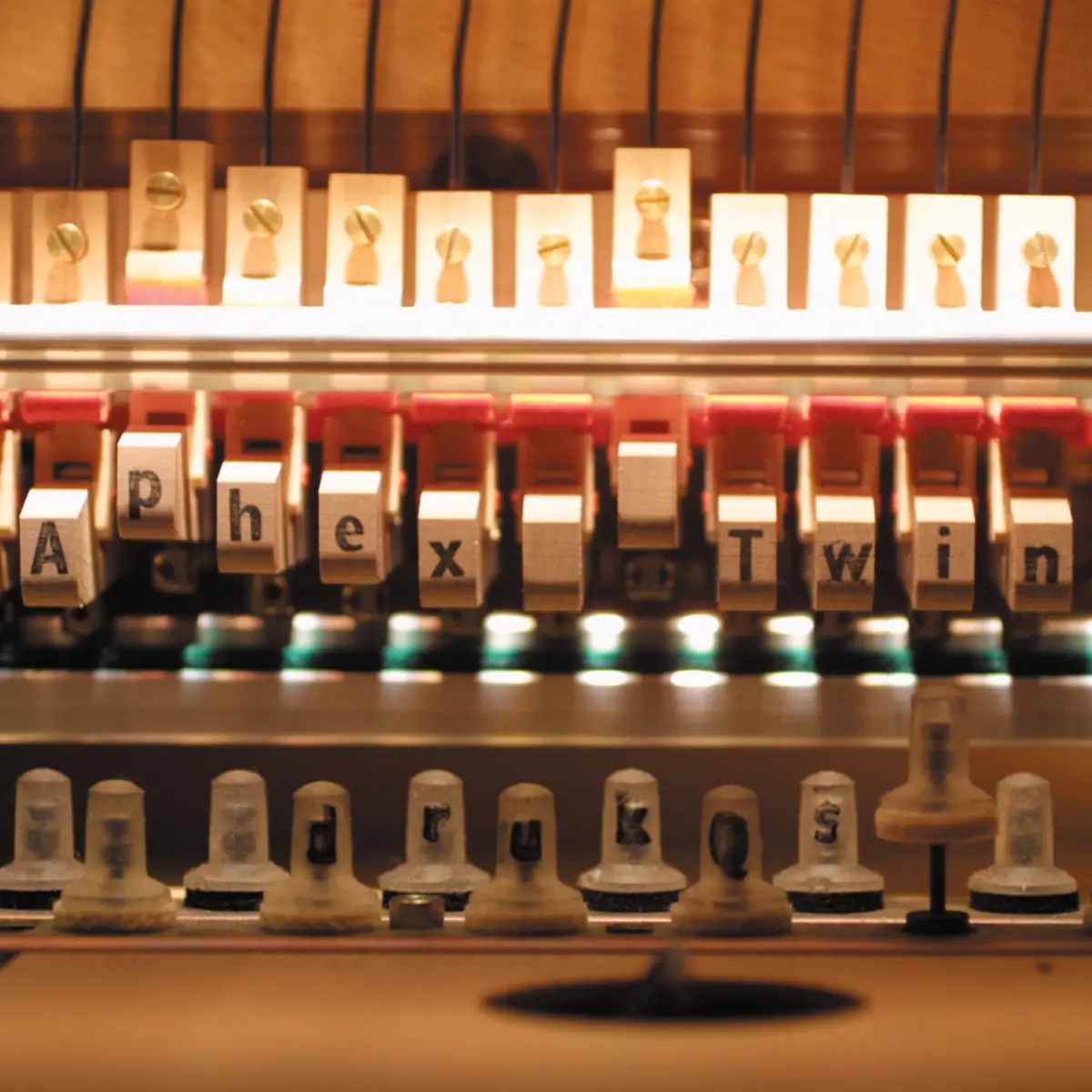
Breaking a thirteen-year studio silence following 2001’s Drukqs, Syro arrived to immense critical and fan anticipation. Unlike its more erratic predecessors, Syro presents a remarkably cohesive, groove-heavy, and danceable landscape rooted in electro and acid house, assembled across various studios over multiple years.
Uniquely, Syro stands as one of James’s most personal statements. The album features vocal contributions from his wife, his parents, and his two children, alongside James’s own vocoded vocals on the shimmering opener minipops 67 [120.2]. The album closes with aisatana, a devastatingly tender piano piece dedicated to his wife, Anastasia. Speaking to Pitchfork in 2014, James reflected on the pre-internet rave era that inspired the record’s raw energy: "I used to love jungle. I still think it’s the ultimate genre… There was only a couple of years where people didn’t know what they were doing, and you got all these samples that are just totally not related in pitch."
- Best Track: minipops 67 [120.2]
3. Richard D. James Album (1996)
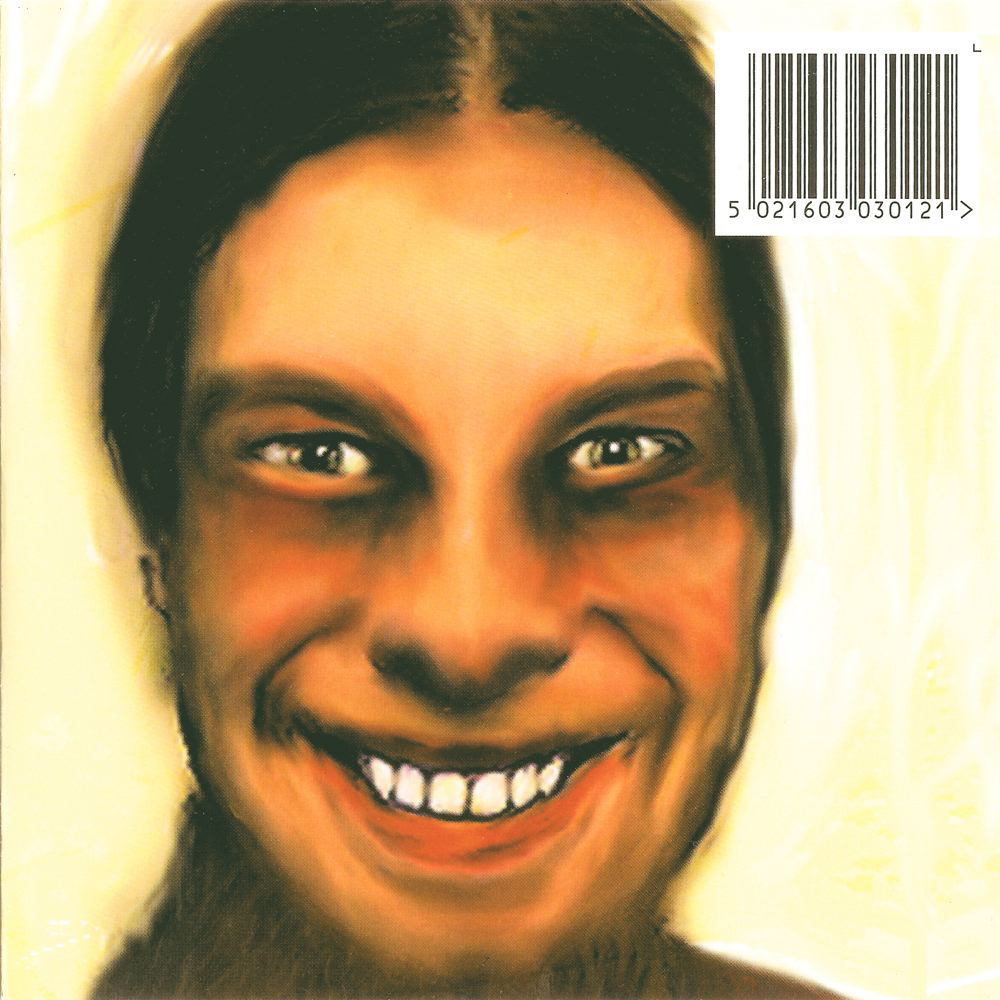
Lean, focused, and relentlessly inventive, the Richard D. James Album dispenses with filler across ten tracks and 32 minutes. Driven by fast-paced, hyper-syncopated breakbeats, this record stands as a foundational pillar of "drill and bass"—a subgenre James had already pioneered under his AFX pseudonym via the Hangable Auto Bulb EP.
The true genius of the record lies in juxtaposition. James pits frantic, high-speed, dizzying percussion against warm strings and fragile, pastoral melodies, most notably on Girl/Boy Song. It is a brilliant distillation of Aphex Twin’s unique duality: terrifyingly futuristic technical prowess married to deeply human, melancholic beauty.
- Best Track: Peek82454201
2. Drukqs (2001)
Often framed as James’s ultimate "showing off" record, Drukqs is a sprawling, 30-track, 100-minute epic that pushes every extreme of the Aphex Twin spectrum to its absolute limit. It offers jarring whiplash, moving seamlessly from the mutating, caustic IDM of Vordhosbn—which sounds like drum and bass experiencing a chemical ego-death—to the delicate, Erik Satie-esque minimalist piano composition Avril 14th.
Upon release, critics were divided; Pitchfork famously dismissed its ambient piano pieces as "languid noodlings" imitating 19th-century classical composers. History, however, has proven those critics wrong. Tracks like Avril 14th and QKThr have achieved staggering modern longevity, finding new life as viral audio staples across TikTok and internet meme culture. Drukqs captures an artist working at the absolute peak of his technical powers, unfettered by commercial expectations.
- Best Track: Vordhosbn / Avril 14th
1. Selected Ambient Works 85-92 (1992)
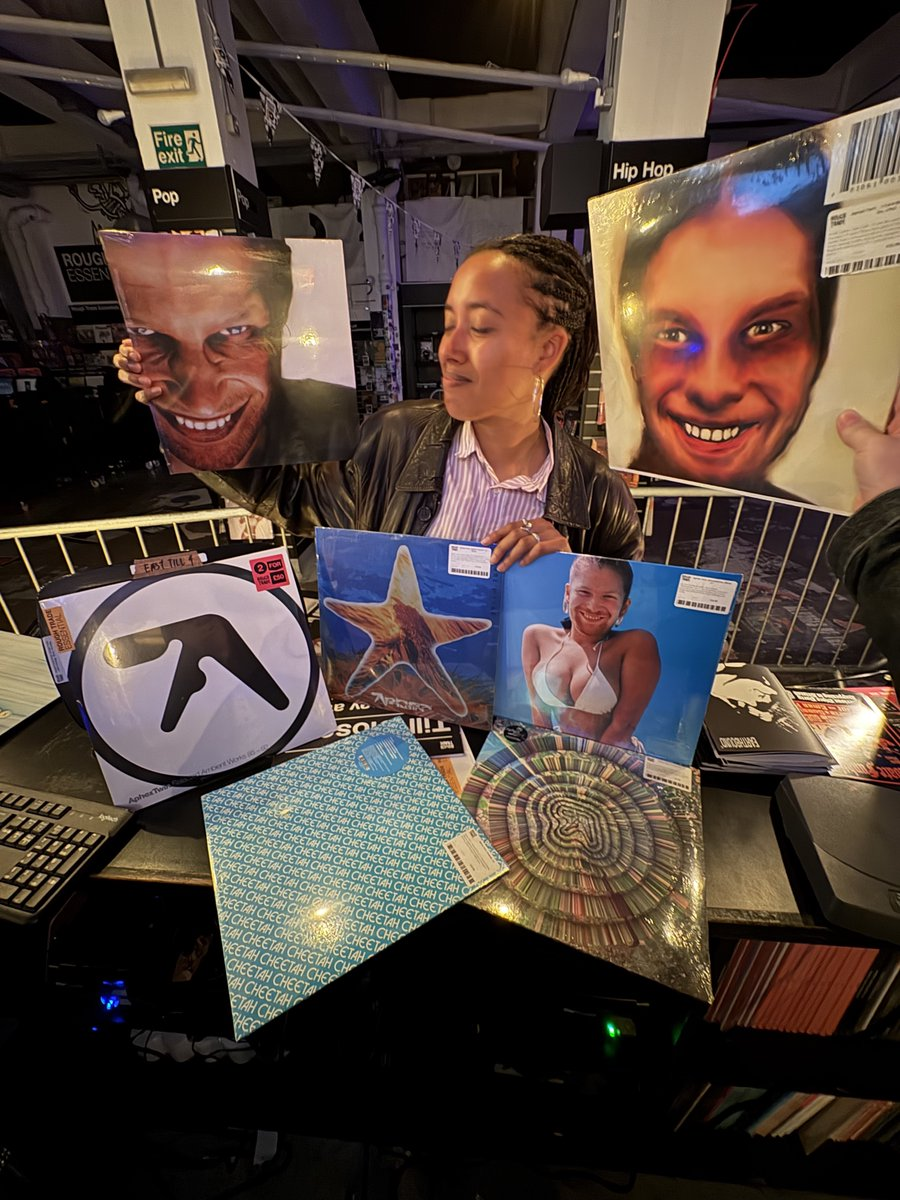
To understand Aphex Twin is to return to where the legend formally began. Selected Ambient Works 85-92 (SAW I) is the quintessential Aphex Twin album, perfectly encapsulating the gorgeous, expansive ambience that underpins his entire artistic identity. Compiled from tracks recorded over several formative years, the album balances ethereal, hypnotic masterpieces like Xtal, Tha, Pulsewidth, and We Are The Music Makers with the wicked, acidic squelch of Green Calx.
Beyond its timeless sonic architecture, this release cemented the visual mythology of Aphex Twin. It popularized the iconic, alien-like black-and-white ‘Aphex A’ monogram—designed by graphic designer and former rave dancer Paul Nicholson. Melding peerless electronic innovation with an unforgettable visual identity, SAW I remains an untouchable milestone in modern music.

- Best Track: Pulsewidth
Supporting Context & Metrics: The Mechanics of a Cultural Enigma
The enduring relevance of Richard D. James cannot be understood through traditional music industry metrics alone. While record sales and streaming figures tell part of the story, James’s impact is defined by a rare intersection of avant-garde composition, disruptive marketing, and organic internet virality.
Iconography and the Art of the Troll
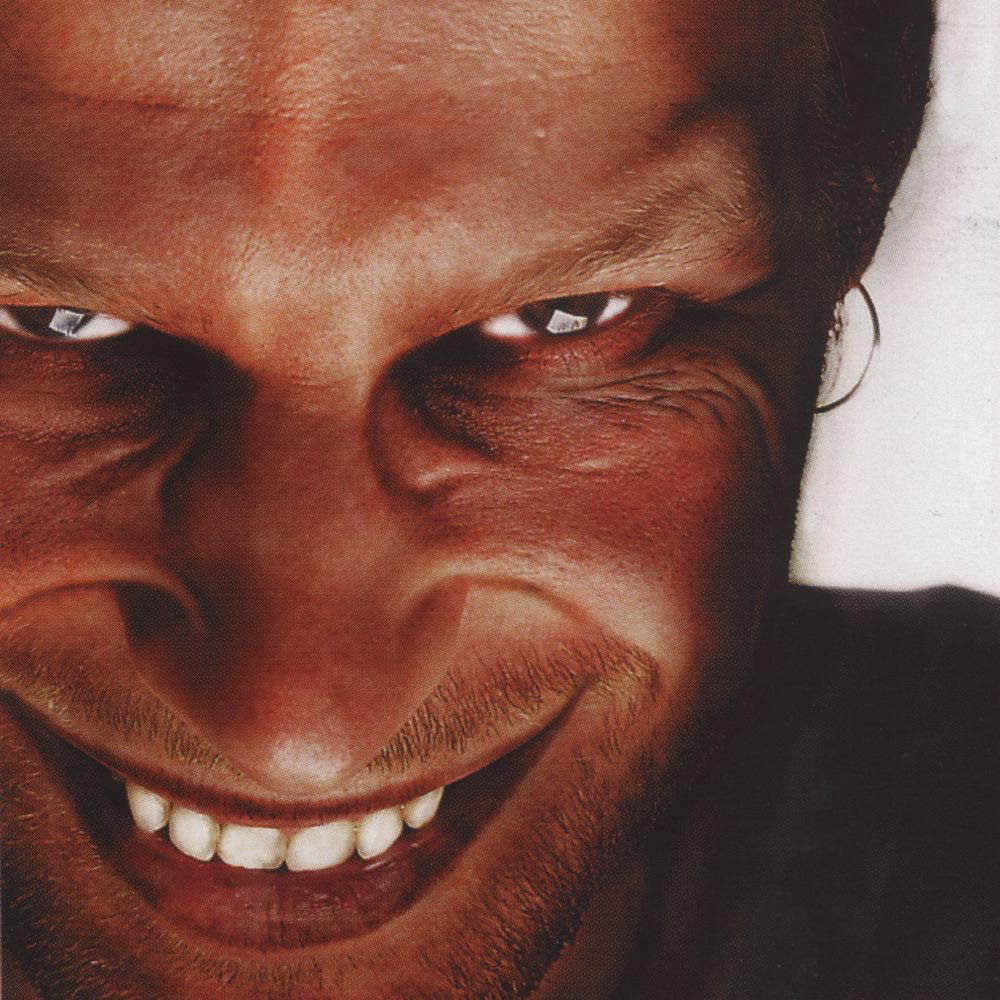
Long before music blogs dominated discourse, Aphex Twin’s iconography preceded his sonic reputation. Paul Nicholson’s 1991 logo, combined with the distorted, maniacal grin of Richard D. James splashed across album art, created an unsettling, body-horror-infused aesthetic. Music videos like Windowlicker and Come To Daddy—directed by Chris Cunningham and heavily rotated on MTV—terrorized and mesmerized mainstream audiences by digitally pasting James’s grinning face onto the bodies of dancers, children, and models.
Simultaneously, James cultivated a reputation as electronic music’s ultimate prankster. He fabricated absurd interviews, spread urban legends about living in a former bank vault, and executed surreal live stunts. Most famously, during a 1995 set at New York’s Knitting Factory, he concluded his performance by casually dropping a microphone into a spinning blender and a turntable needle onto a sheet of sandpaper.
The Algorithmic Resurgence
In an era where legacy acts often struggle to engage younger demographics, Aphex Twin has experienced a massive cultural renaissance. As Drukqs approached its 25th anniversary, tracks like QKThr, Avril 14th, and Jynweythek infiltrated short-form video platforms. This algorithmic rediscovery propelled James’s monthly streaming metrics to heights that surpassed mainstream icons like Taylor Swift on YouTube Music. This phenomenon underscores a vital truth: James’s music does not rely on nostalgia or contemporaneous context; its intricate, emotive structures speak fluently across generations of digital natives.
Official Statements & Archival Insights
Reflecting on his creative philosophy across decades, James has consistently rejected high-brow academic interpretations of his work while fiercely protecting his idiosyncratic creative process.
Addressing the conception of his rhythmic pivot on …I Care Because You Do, James noted in 1995:
"The tracks I chose were part of a conscious effort to be more conventionally accessible, featuring rhythm of some kind. I don’t really care, but I thought since the last one wasn’t [rhythmic], I’d make this one so it was."
Discussing the purity of the early rave movement in his 2014 Pitchfork interview, he emphasized the accidental brilliance of untrained creators:
"I used to love jungle. I still think it’s the ultimate genre, really, because the people making it weren’t musicians… There was only a couple of years where people didn’t know what they were doing, and you got all these samples that are just totally not related in pitch. I really hunt down those records."
These statements peel back the layers of mythology, revealing an artist driven not by institutional validation, but by an insatiable curiosity for textures, frequencies, and the joyous accidents of sound production.
Future Outlook: The Legacy of Richard D. James
As electronic music continues to fragment into hyper-niche micro-genres, the shadow of Aphex Twin looms larger than ever. Whether through his sporadic contemporary releases—such as the acclaimed 2023 EP Blackbox Life Recorder 21f / In a Room7 F760—or the endless excavation of his classic catalog by new generations of bedroom producers, Richard D. James remains the benchmark for uncompromising artistic vision.
The brilliance of Aphex Twin lies in his refusal to be pinned down. He is simultaneously the ambient mystic, the drill-and-bass terrorist, the commercial prankster, and the doting family man. For those embarking on a journey through his discography, the destination matters less than the disorientation. A full, deep listen to every album does not just explain a catalog; it decodes how a shy Cornish producer transformed himself into modern music’s most enduring cultural enigma.
Essential Further Listening
- Analogue Bubblebath (1991): Raw, acid-soaked techno released under the AFX alias, capturing the restless pulse of early ’90s rave culture.
- Come to Daddy EP (1997): A landmark in electronic music’s darker, most feral corners, pairing distorted vocals with crushing breakbeats.
- Windowlicker (1999): A futuristic, warped deconstruction of R&B and funky electro, paired with one of music history’s most disturbing visual accompaniments.