Executive Overview
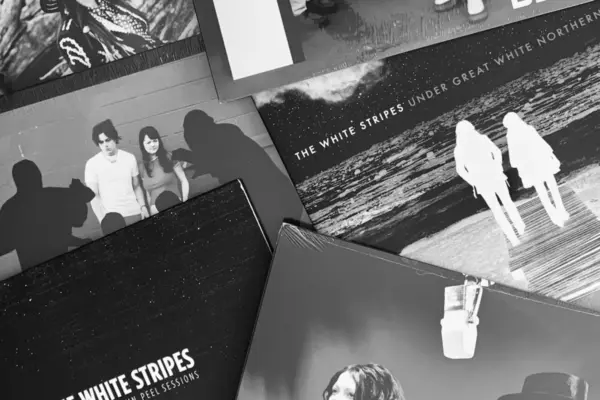
Over the past fifteen years, the global music landscape has undergone a profound tactile revolution. Long-playing (LP) vinyl records have not only sustained a remarkable, multi-year commercial resurgence but have decisively outperformed compact discs (CDs) in consumer preference and market valuation. Driven by an unlikely coalition—seasoned original-generation (OG) collectors expanding their heritage archives alongside a digitally native demographic discovering the ritualistic charm of analog sound—the economics of vinyl have transformed from a nostalgic niche into a thriving cultural bedrock.

Yet, this renaissance presents a distinct modern dilemma for friends, family, and partners: What do you buy the dedicated music lover who seemingly has every essential record neatly filed away on their shelves?
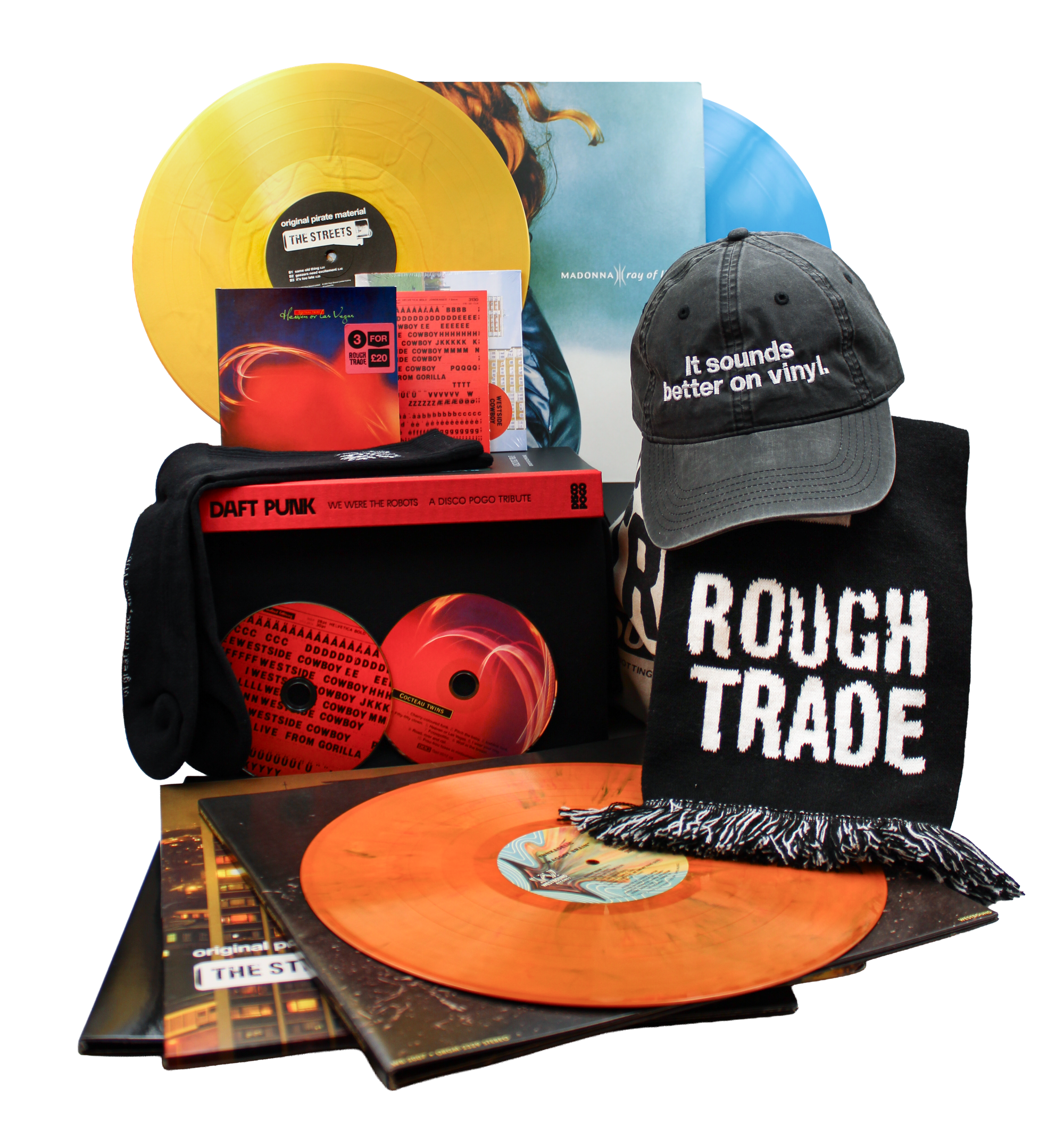
To solve this conundrum, this report explores the definitive 2026 curated gift guide compiled by legendary independent music institution Rough Trade. Moving far beyond standard commercial merchandising, the guide offers a comprehensive blueprint for holiday and year-round gift-giving, categorized by collector archetype—from the uninitiated "New Collector" and the fastidious "Setup Obsessive" to the hardcore "Devoted Fan" and the veteran "Crate-Digger." Featuring a meticulous breakdown of budget-conscious stocking stuffers, high-end turntables, boutique apparel collaborations, and critical literature, this analysis examines how modern retailers are servicing an increasingly sophisticated physical music market.

Detailed Chronology: The Evolution of the Modern Vinyl Boom
To understand the current retail landscape and the urgency behind specialized gift markets, one must trace the trajectory of the physical music revival over the last decade and a half:

- 2011–2015 (The Green Shoots of Recovery): Following a nadir in the late 1990s and 2000s dominated by digital file-sharing and compressed MP3 formats, independent record stores championed the establishment of Record Store Day. Vinyl sales began a modest, year-on-year climb, initially dismissed by major labels as a fleeting hipster fad.
- 2016–2020 (The Mainstream Pivot): As manufacturing plants struggled to keep up with surging demand, major commercial retailers like urban outfitters and supermarkets began stocking vinyl. The format crossed over from independent record shops into mainstream consciousness, proving that younger demographics valued physical ownership, gatefold artwork, and the deliberate act of album-listening.
- 2021–2023 (The Supremacy Shift): Industry data formally confirmed a historic milestone: vinyl revenues and unit sales officially surpassed those of CDs for the first time since the late 1980s. Supply chain disruptions during the pandemic paradoxically accelerated consumer desires for tangible, screen-free entertainment at home.
- 2024–2025 (The Diversification Era): The market matured beyond standard black wax into colored variants, picture discs, and eco-friendly recycled vinyl. Concurrently, heritage physical formats experienced a ripple effect; even CDs began witnessing a localized micro-revival among value-conscious consumers seeking high-fidelity uncompressed audio at a fraction of vinyl’s cost.
- 2026 (The Sophisticated Ecosystem): Today, the vinyl market operates as a multifaceted luxury-meets-counterculture ecosystem. Curated gift shops, high-performance audio setups, cross-industry designer apparel collaborations, and dedicated subscription clubs form an interdependent web designed to engage multi-generational music enthusiasts.
Supporting Context & Metrics: Decoding the Collector Archetypes
The modern consumer base for physical music is far from monolithic. According to retail data analysis from independent tastemakers, successful holiday and milestone gift-giving relies on identifying specific collector profiles. The 2026 gift taxonomy segments shoppers and recipients into four distinct operational tiers:
- The New Collector: Individuals who have recently acquired their first entry-level turntable and are aggressively building a foundational library. Their primary needs revolve around protective accessories (outer sleeves, inner anti-static sleeves, carbon-fiber cleaning brushes) and universally acclaimed foundational albums spanning grunge, Britpop, and contemporary alternative.
- The Serious Collector / Crate-Digger: Veterans of independent record shops who pride themselves on deep catalog knowledge. They possess the classics; thus, gifts must target curation—such as limited-edition indie exclusives, deep-dive electronic music tributes (e.g., Disco Pogo’s specialized volumes), and advanced audiophile upgrades like professional-grade slipmats and direct-drive turntable components.
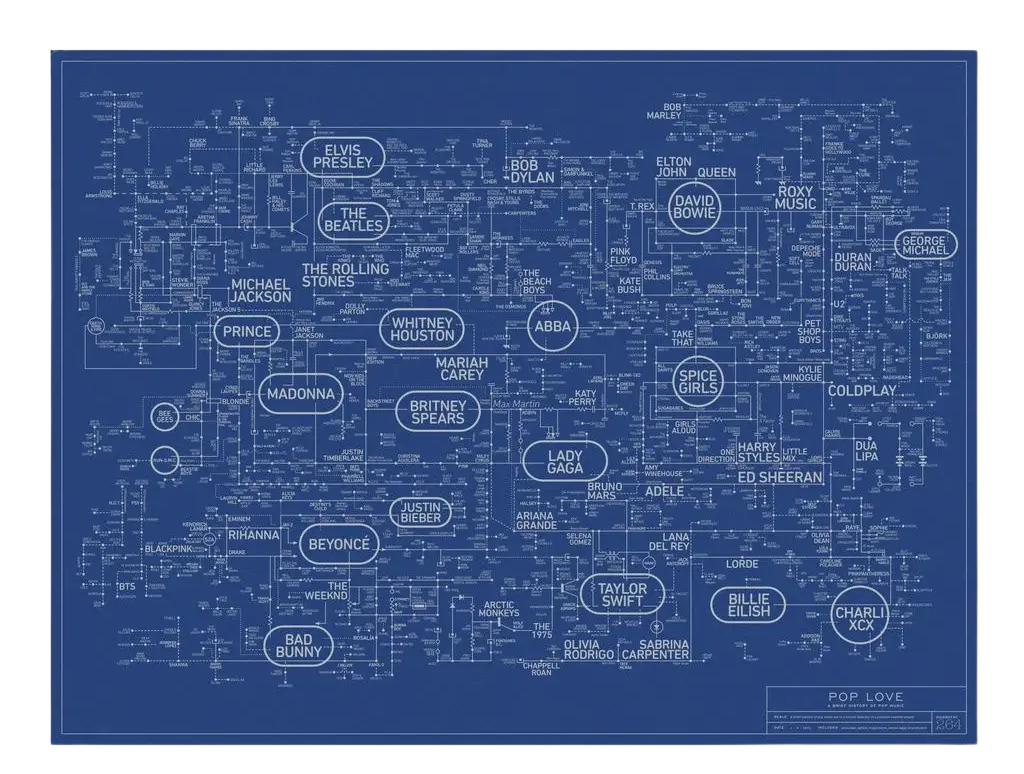
- The Devoted Fan: Hyper-engaged consumers emotionally anchored to specific artists or sub-genres. For this group, standard records are secondary to physical merchandise, museum-grade music history prints (such as Dorothy’s intricate architectural blueprints of pop and rock history), and long-term independent music magazine subscriptions.
- The Setup Obsessive: Audiophiles and gearheads focused on the signal path. Their gifts exist at the intersection of hardware and acoustics: active stereo bookshelf speakers, Bluetooth active noise-cancelling headphones, high-torque direct-drive decks, and portable retro-modern cassette players with integrated Bluetooth connectivity.
Budget-Tiered Gift Architecture: From Stocking Stuffers to Grand Statements
Navigating the financial spectrum of music retail requires strategic allocation. The 2026 market offers thoughtfully engineered options across four distinct monetary brackets:
1. Gifts Under £25: Small Tokens, Deep Appreciation
For casual exchanges or stocking fillers, budget constraints should never compromise cultural capital.
- Rough Trade Black Slipmat: A quintessential, low-cost turntable upgrade that reduces friction, protects vinyl labels, and adds a sleek aesthetic touch to any platter.
- Crew Sports Socks: An all-year-round novelty item enabling dedicated fans to literally wear their musical allegiance on their feet.
2. Gifts Under £50: Thoughtful Treats for Music Historians
- Dorothy Music Prints: Ranging between £30 and £50, these meticulously detailed screen-printed posters transform music-history obsessiveness into high-concept wall art, charting the intricate interconnections between foundational artists, producers, and genres.
3. Gifts Under £100: The Practical Heavyweight
- Embroidered Organic Cotton Sweatshirts: Crafted from soft, brushed 100% organic cotton, heavy-weight heather grey or black crewneck sweatshirts featuring subtle tonal embroidery offer long-term durability for gig-goers and couch-listeners alike.
4. Gifts £100 and Over: The Main Event
- Entry-Level Turntables: Models like the Audio-Technica AT-LP60XBT or the more robust AT-LP120XUSB (hovering around the £200 mark) represent the gold standard for reliable, high-value starter and intermediate decks, complete with USB ripping capabilities to convert analog wax into digital files.
- Analog Synthesizers: Instruments like the Stylophone Theremin bridge the gap between passive listening and active noise creation, making retro analog synthesis accessible to bedroom producers and curious novices.
Merchandising and Craftsmanship: The Intersection of Fashion and Sound
Physical record stores have increasingly expanded into lifestyle branding, recognizing that music culture bleeds seamlessly into fashion, home design, and daily utility.

The Art of Collaboration
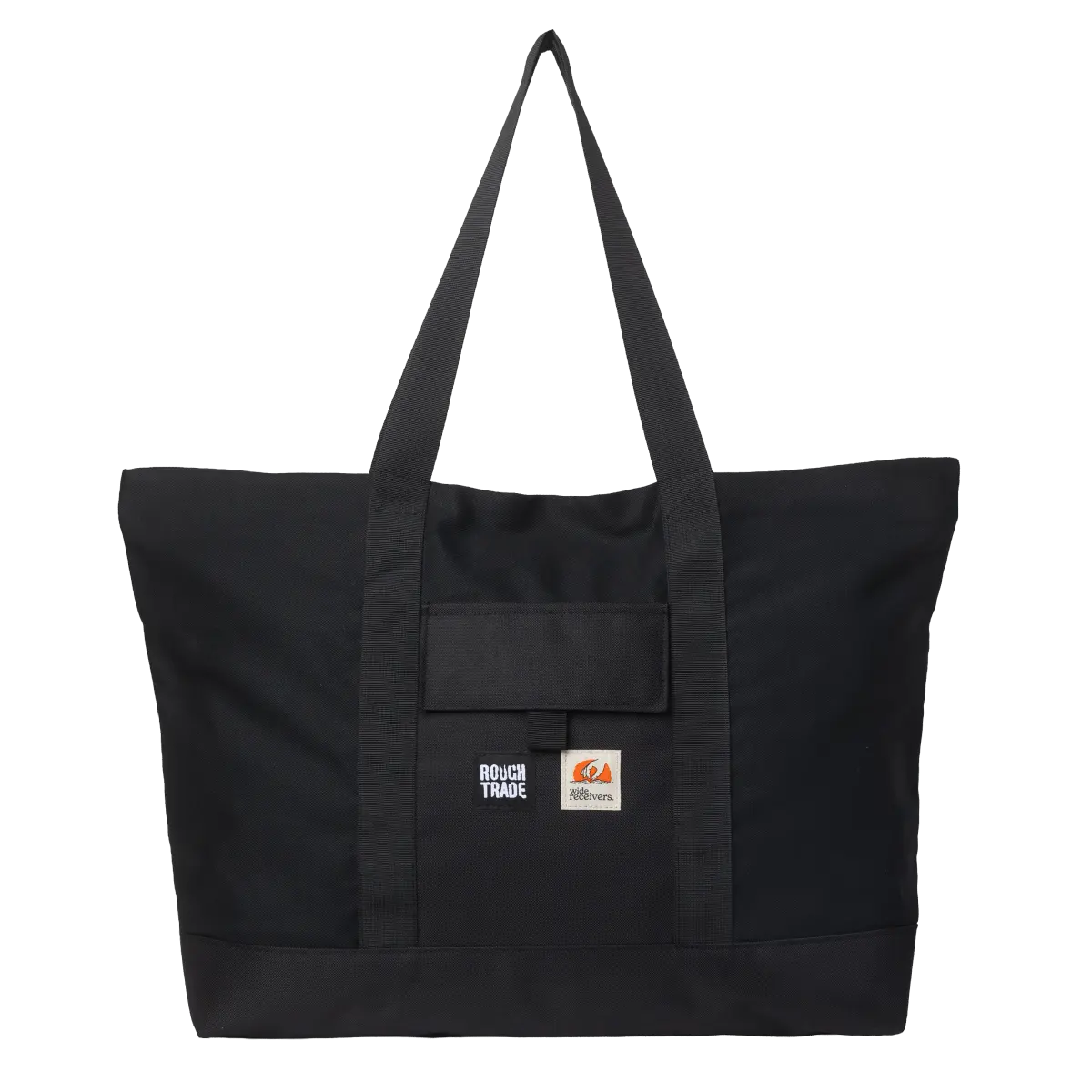
A prime example of modern retail curation is Rough Trade’s partnership with independent Scottish designer Albie Clark of Wide Receivers, based out of Leith. Celebrating milestone anniversaries, limited-edition runs—such as the handmade 50-50 Tote Bag constructed from heavy-duty cotton drill, water-resistant nylon, and custom honeycomb mesh lining—demonstrate extreme attention to detail. Designed specifically with interior compartments tailored to comfortably house standard 7-inch singles, these bags reflect functional utility built by crate-diggers, for crate-diggers.
Ethical Commerce and Mental Health Advocacy
Music retail in 2026 also underscores corporate social responsibility. Ongoing collaborations, such as the Rough Trade x CALM (Campaign Against Living Miserably) Listening Tote Bag, direct vital funds (£5 per bag sold) straight toward life-saving suicide prevention services. This blend of consumerism and community welfare highlights an industry maturing alongside its audience.

Lifestyle Enhancements
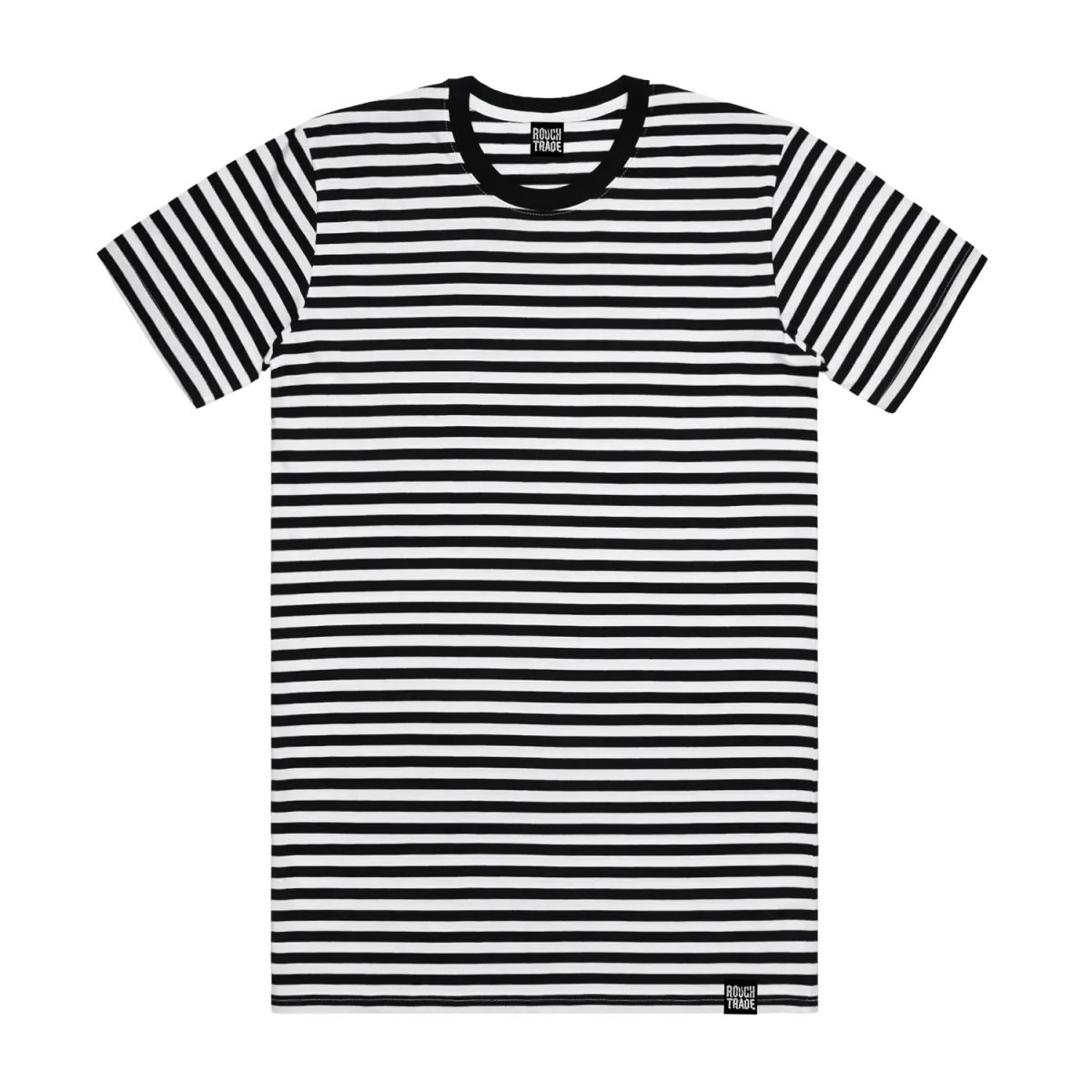
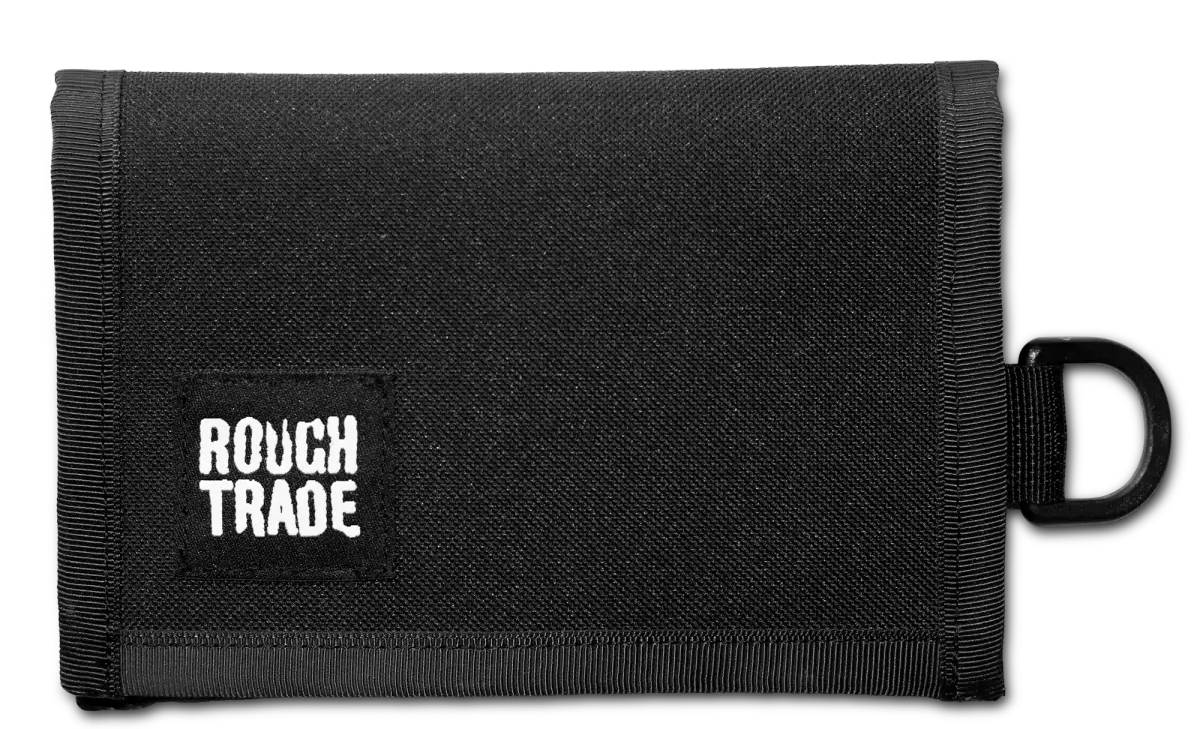
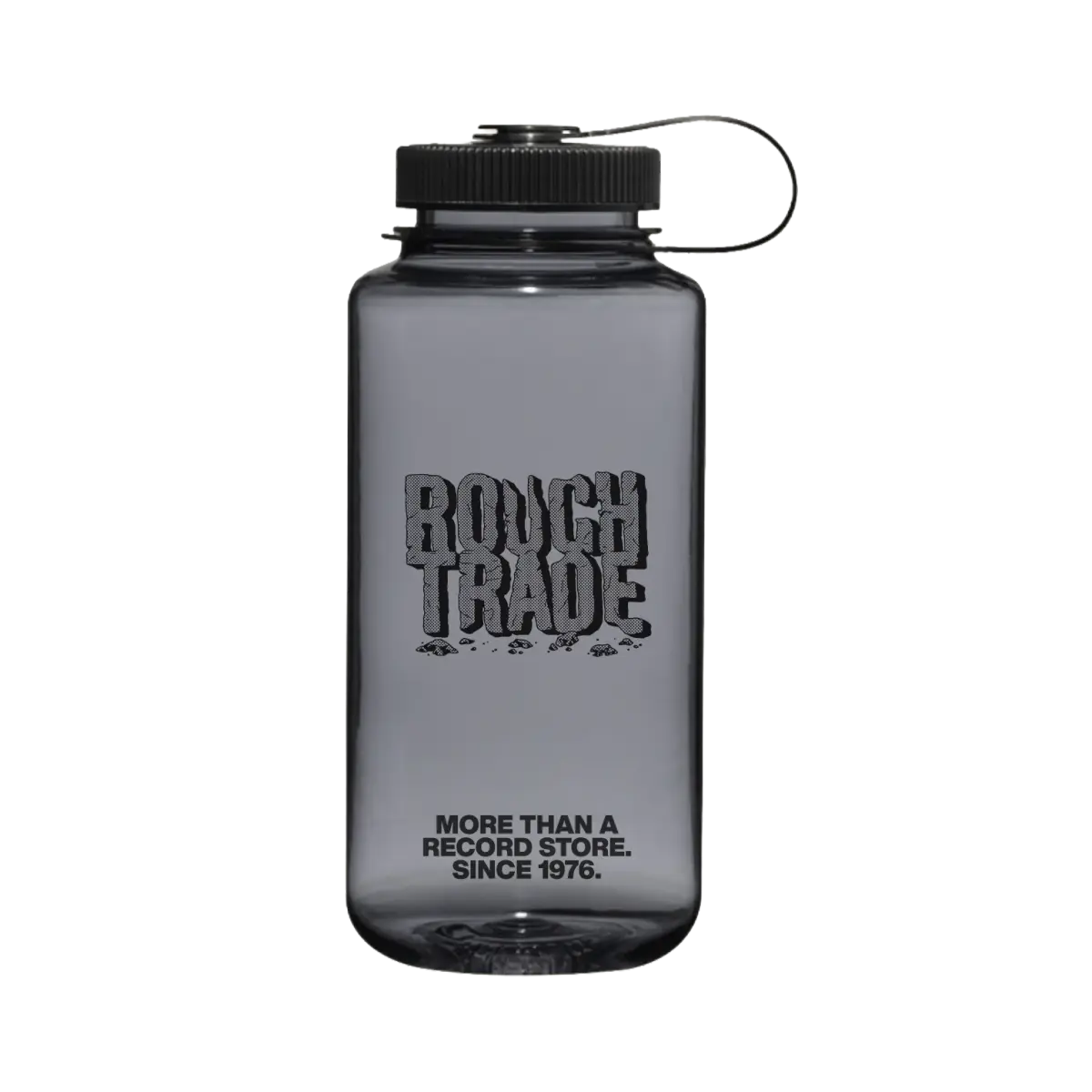
Beyond apparel and bags, physical curation extends into sensory home goods. Partnerships with entities like Very Goods Studio have birthed bespoke scented candles and incense sticks designed to complement the analog listening ritual. By pairing the auditory warmth of a spinning record with smoky, atmospheric ambient aromas, retailers are turning passive listening rooms into multisensory sanctuaries. Furthermore, everyday utility items—ranging from recycled-plastic Nalgene water bottles to vegan-leather bookmarks and heavy-weight organic cotton striped T-shirts—cater to the lifestyle of the modern music nomad.
Literature, Journalism, and Critical Discourse
As digital algorithms increasingly commodify background noise, physical print media dedicated to music criticism and discovery is experiencing a vital counter-movement. Gift-givers looking to enrich a loved one’s intellectual engagement with music have several robust avenues:

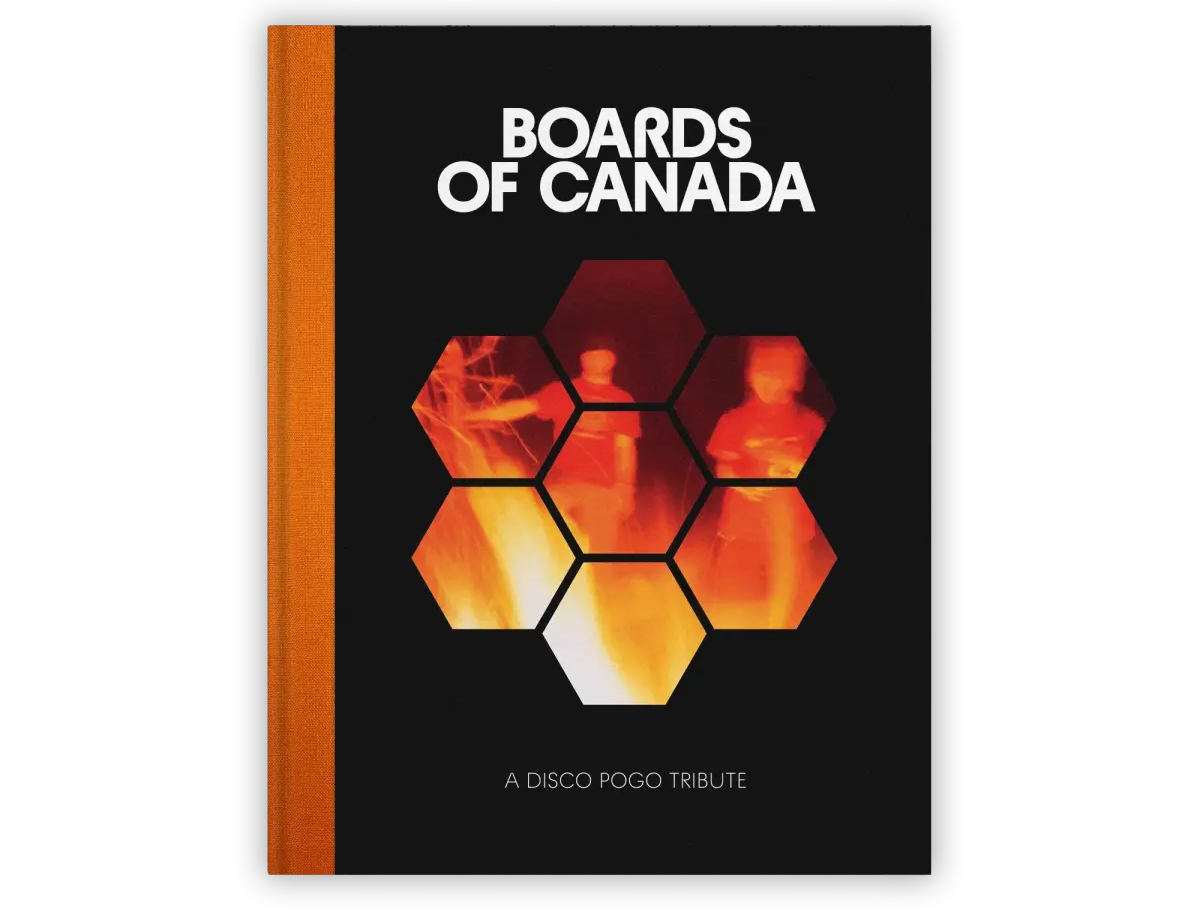
- Book Series and Tributes: Independent publishing houses continue to release comprehensive deep dives. Titles like A Disco Pogo Tribute to Boards of Canada—the fifth installment in an acclaimed series honoring electronic pioneers following volumes on Daft Punk, Aphex Twin, LCD Soundsystem, and Andrew Weatherall—provide essential contextual reading.
- Blueprint Cartography: Dorothy’s Pop Love Blueprint, mapping the evolution of pop music across the schematic of an iconic 1980s portable cassette player, charts over 1,200 influential artists from Louis Armstrong and Frank Sinatra to modern hyperpop innovators like Charli xcx and A.G. Cook.
- Independent Magazine Subscriptions: Supporter-funded journalism platforms such as Crack Magazine, the illustration-heavy So Young Magazine, and the legendary heritage archives of Uncut Magazine represent the ultimate gifts that keep on giving. Delivered in sustainable packaging, these subscriptions fuel critical discourse, spotlight essential emerging talent, and document the shifting paradigms of contemporary culture.
Hardware, Hi-Fi, and Retro-Modern Engineering
No vinyl or physical music gift guide is complete without addressing the hardware that brings the grooves to life. The 2026 market balances vintage aesthetic charm with state-of-the-art digital integration:
- Wireless and Active Amplification: British audio pioneers like Cambridge continue to redefine small-space listening with matched active stereo loudspeaker pairs (L/R S) that eliminate the need for bulky external amplifiers. Simultaneously, top-tier active noise-cancelling headphones, such as the Marshall Monitor III A.N.C., deliver thunderous low-end and crystal-clear highs for private, immersive listening sessions.
- The Cassette Renaissance: Hardware innovators like We Are Rewind have successfully resurrected portable cassette players, modernizing retro units with rechargeable lithium batteries (offering up to 12 hours of playback) and Bluetooth 5.1 connectivity. Users can effortlessly pair these vintage-styled mixtape players with modern wireless headphones, bridging a 40-year technological gap.
Future Outlook: The Enduring Value of the Physical Object
As we look toward the remainder of the decade, the sustained momentum of the physical music market signals a permanent cultural correction rather than a temporary economic anomaly. Consumers fatigued by frictionless, intangible streaming subscriptions are increasingly seeking permanence, ritual, and community.
Whether securing an all-inclusive subscription service like the Rough Trade Club Discovery—which grants members exclusive monthly colored vinyl pressings, year-round free shipping, and priority access to live events—or simply picking up a £15 cleaning kit to preserve a grandfather’s inherited jazz records, the physical music ecosystem is more robust than ever.

Ultimately, buying a gift for a record collector is an act of cultural validation. By investing in quality hardware, sustainable apparel, critical literature, and rare wax, gift-givers are not merely purchasing objects—they are actively sustaining the physical institutions, independent artists, and tactile rituals that keep modern music culture alive.