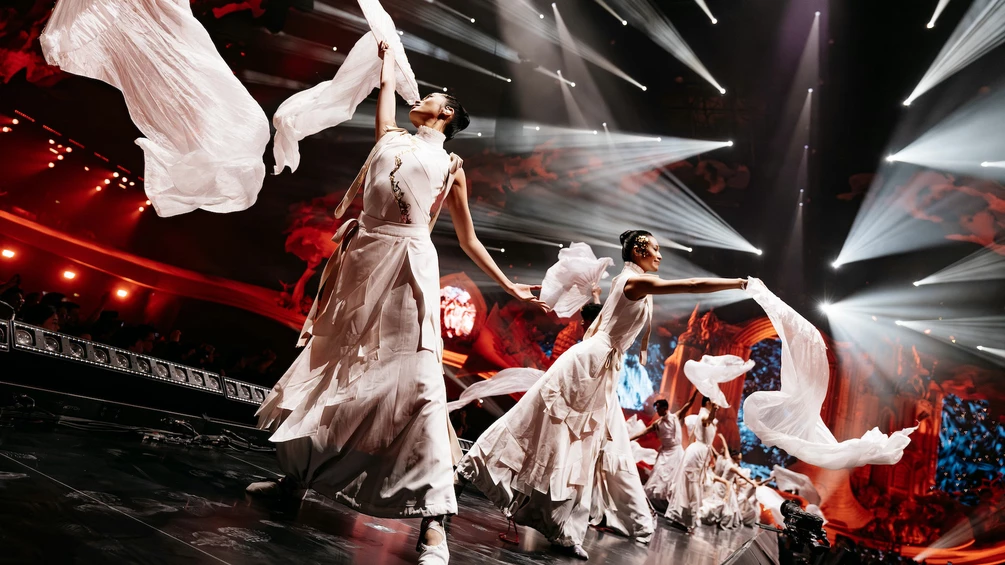
Executive Overview
For over two decades, the name Tomorrowland has been synonymous with the pinnacle of electronic dance music culture. Rooted in the verdant fields of Boom, Belgium, the festival has long transcended its geographical boundaries, evolving from a localized European weekender into an internationally revered cultural phenomenon. Today, the brand is orchestrating its most ambitious strategic pivot yet. By deepening its footprint across the Asian continent, Tomorrowland is no longer just exporting a festival; it is exporting a masterclass in immersive experiential entertainment.
The latest milestone in this global expansion is the official unveiling of the full, star-studded artist roster for the 2026 edition of The Magic of Tomorrowland in Shanghai, China. Following a triumphant inaugural run, the festival is returning to the iconic Hero Dome within Shanghai’s bustling Huangpu District. Crucially, the event is graduating from a single-day affair into an expansive, highly anticipated two-day weekender, scheduled for October 17th and 18th, 2026. This logistical and creative scaling up signals a profound vote of confidence in the Chinese electronic music market, reflecting a surging demand for world-class live production among the region’s passionate dance music demographic.
Yet, Shanghai is merely one piece of a much larger geopolitical and cultural chessboard. The announcement arrives on the heels of a banner year for the Belgian powerhouse. In the prestigious DJ Mag Top 100 Festivals poll, the flagship Belgian edition claimed the coveted No. 1 spot for an unprecedented sixth consecutive time, while The Magic of Tomorrowland debuted impressively at No. 93. Furthermore, Tomorrowland has continued its relentless march across Asia with the recent announcement of Martin Garrix and Swedish House Mafia as headline acts for the inaugural Tomorrowland Thailand, set to take place this December at Wisdom Valley.
This comprehensive report examines the anatomy of The Magic of Tomorrowland 2026 in Shanghai. We will dissect the meticulously curated artist line-up, explore the cutting-edge technological innovations transforming the Hero Dome, contextualize the festival’s meteoric rise within global rankings, and analyze what this dual-pronged Asian expansion means for the future of the global live events industry.
Detailed Chronology: The Evolution of The Magic of Tomorrowland 2026
The journey toward the second iteration of The Magic of Tomorrowland in Shanghai has been characterized by deliberate planning, technological enhancement, and an uncompromising commitment to artistic diversity. As the electronic music landscape in East Asia matures, festival organizers have recognized that replicating the legendary Belgian magic requires more than just booking global superstars; it demands an environment tailored to the sensory expectations of a digitally native, highly discerning audience.
The Genesis and Growth of the Shanghai Experience
When Tomorrowland first introduced The Magic of Tomorrowland to Shanghai, it served as a calculated probing of the Chinese market—a market historically rich in enthusiasm but complex in regulatory and logistical execution. The resounding success of that initial venture laid the groundwork for the 2026 expansion. Recognizing that a single day could not possibly contain the creative output or satisfy the overwhelming ticket demand, producers took the decisive step to expand the event into a two-day residency, locking in October 17th and 18th, 2026.
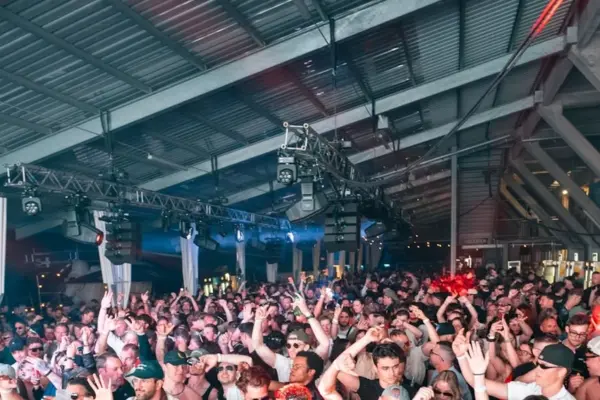
At the heart of this year’s physical staging is the Hero Dome, situated in the heart of Shanghai’s cultural and commercial pulse, the Huangpu District. Transforming a metropolitan indoor venue into a realm of fantasy is no small feat, but Tomorrowland’s production teams are renowned for their wizardry. For 2026, the venue has undergone a massive technological overhaul. The centerpiece of the interior transformation is an awe-inspiring 99-meter curved LED screen, designed to wrap the audience in dynamic, story-driven visual narratives that shift in real-time with the music. Complementing this monumental display are 80 newly installed ceiling screens, engineered to construct a fully realized, 360-degree immersive visual environment. Attendees will not merely watch a stage; they will find themselves enveloped inside a living, breathing digital tapestry.
A Masterclass in Line-Up Curatorial Balance
The unveiling of the 2026 artist roster highlights a sophisticated understanding of global dance music gravity combined with localized appeal. Across the weekend, the Hero Dome will host a staggering array of talent, bridging the gap between stadium-sized mainstage anthems and underground sonic explorations.
Saturday and Sunday Highlights
Headlining the weekend are some of the most enduring and influential figures in electronic dance music history. Tiësto, a titan of the global trance and house scenes whose influence spans decades, is slated to deliver a masterclass in crowd-manipulation. He will be joined by progressive house pioneer Axwell, whose melodic sensibilities have defined generations of festival memories.
The melodic techno surge is strongly represented by Miss Monique, whose hypnotic soundscapes have conquered both physical dancefloors and digital streaming platforms. Meanwhile, Belgian royalty Lost Frequencies brings his signature feel-good tropical and deep house vibes to Shanghai, creating a poignant bridge between Tomorrowland’s European roots and its Asian outpost. Rounding out the primary tier of headliners is Alison Wonderland, whose genre-defying bass music and electrifying stage presence guarantee a high-octane sensory overload.
The Undercard and Collaborative Masterpieces
Beyond the marquee names, the bill is packed with heavy hitters and innovative pairings designed to keep the energy relentless from doors-open to final curfew. International club favorites such as Joel Corry and Morton will command the stage with high-energy tech-house and commercial club crossovers. They are joined by a formidable roster of regional and international talent, including Mansun Lui, Linksa, DJ Sally, Evin King, and Hauzer.
One of the most anticipated elements of the 2026 line-up is the inclusion of high-profile back-to-back (B2B) collaborative sets, which promise unique, one-off musical journeys. The pairing of ARTBAT with R3HAB brings together cinematic melodic techno and high-octane mainstage EDM, creating a fascinating stylistic collision. Similarly, the deep, atmospheric worlds of Cassian and Kevin de Vries will intertwine in a back-to-back performance that is expected to be a masterclass in tension, release, and deep emotional resonance.
The Anchors: Multi-Day Performers
To maintain a continuous narrative thread across the two-day experience, several key artists have been locked in to perform on both Saturday and Sunday. This strategy helps build a cohesive community feel throughout the weekend. Artists stepping up for dual-day duties include the vibrant Brazilian selector Bhaskar, tastemaker and broadcaster Carly Wilford, the indispensable vocal and stage energy of MC Stretch, and the dynamic stylistic selections of Nosi. This day-to-day continuity ensures that regardless of which single day an attendee chooses—or if they secure the coveted full-weekend pass—they will experience the foundational heartbeat of the festival.
Supporting Context & Metrics: The Global Footprint and Industry Standing
To truly appreciate the weight of the Shanghai expansion, one must examine the broader economic, cultural, and competitive metrics that define Tomorrowland’s current global standing. The brand is operating at the absolute zenith of the live entertainment industry, a position reinforced by both critical acclaim and commercial dominance.
The DJ Mag Validation
In the fiercely competitive landscape of global electronic music festivals, validation often comes from peer recognition and public polling. In the DJ Mag Top 100 Festivals poll, Tomorrowland’s flagship Belgian edition achieved an unprecedented milestone, claiming the No. 1 spot for the sixth consecutive year. This unbroken streak of dominance is a testament to the festival’s unmatched production value, mythical theme development, and cult-like community loyalty.
More importantly for the Asian expansion, The Magic of Tomorrowland debuted at No. 93 in the same poll. For a regional brand extension to crack the global top 100 within its infancy is a rare feat. It proves that the "Tomorrowland DNA"—characterized by meticulous attention to detail, fairy-tale aesthetics, and uncompromising sonic curation—translates seamlessly across cultural and geographical divides.
The Asian Expansion Strategy: Shanghai and Thailand
The pivot toward Asia represents a calculated, aggressive growth phase for ID&T and the broader Tomorrowland parent entities. While western European and North American festival markets face increasing operational costs, regulatory hurdles, and market saturation, Asian territories—particularly China and Southeast Asia—represent dynamic, high-growth frontiers.
In tandem with the Shanghai announcement, Tomorrowland has officially locked in the inaugural edition of Tomorrowland Thailand, scheduled for December 2026 at Wisdom Valley. By securing global heavyweights Martin Garrix and Swedish House Mafia for the Thai debut, the festival is signaling that its Asian ventures are not secondary experiments, but primary pillars of its future empire.
This dual-market approach—urban indoor immersion in Shanghai paired with sprawling outdoor landscape integration in Thailand—allows Tomorrowland to test different operational models tailored to local climates, regulatory frameworks, and consumer tastes. In Shanghai, the focus is on architectural integration and high-tech visual wizardry inside the Hero Dome. In Thailand, the emphasis will likely lean into natural topography, expansive stage designs, and destination tourism.
Official Statements and Industry Perspective
While formal press releases from event organizers emphasize the seamless magic of the upcoming gatherings, industry insiders and cultural analysts note that the expansion into Shanghai is part of a sophisticated economic playbook.
"Tomorrowland is no longer just a music festival; it is a globally recognized intellectual property," notes a leading live-entertainment market analyst based in Singapore. "When they plant a flag in Shanghai’s Huangpu District, they are establishing a cultural embassy. The upgrade to a two-day format at the Hero Dome, coupled with a 360-degree LED canopy, proves they understand the sophisticated palate of the modern Chinese consumer. They are competing not just with other music festivals, but with high-end luxury entertainment, immersive digital art exhibitions, and tier-one nightlife."
Furthermore, artists involved in the 2026 bill have expressed deep reverence for the opportunity to perform under the Tomorrowland banner in Asia. In recent press communications, representatives for several headlining acts highlighted the distinct energy of Asian audiences—characterized by high digital engagement, profound music literacy, and an unmatched enthusiasm for melodic and progressive electronic music.
Future Outlook: The Next Era of Live Electronic Music
As we look toward the remainder of 2026 and beyond, the trajectory of Tomorrowland offers a fascinating case study in brand resilience and global scaling. The successful execution of a two-day festival in Shanghai this October, immediately followed by the inaugural launch in Thailand this December, will serve as the ultimate stress test for the brand’s international production framework.
Several key trends will dictate the success of these ventures and shape the future of the festival industry at large:
- Technological Convergence: The integration of 360-degree immersive environments, such as the 99-meter curved LED screen and ceiling displays at the Hero Dome, points toward a future where physical venues are digitally augmented to dissolve the boundaries between audience and stage. Expect future global iterations to lean even heavier into augmented reality (AR) and mixed-media storytelling.
- The Decentralization of Mega-Festivals: As travel costs rise and environmental scrutiny intensifies, the traditional model of flying hundreds of thousands of fans to a single field in Belgium is facing long-term sustainability questions. By establishing localized, hyper-produced satellite festivals in key global hubs like Shanghai and Thailand, Tomorrowland is pioneering a decentralized model that brings the magic directly to regional consumer bases.
- Cross-Cultural Musical Synthesis: As artists like ARTBAT, R3HAB, Miss Monique, and regional talents share stages across Asia, we are witnessing an acceleration in the cross-pollination of sub-genres. The stylistic boundaries between melodic techno, commercial mainstage house, and underground bass are blurring, fostered by audiences who consume music globally via digital streaming platforms long before experiencing it live.
In conclusion, The Magic of Tomorrowland 2026 in Shanghai is much more than a weekend of parties. It is a strategic declaration of intent. By marrying world-class musical curation with cutting-edge visual technology and aggressive international expansion, Tomorrowland is successfully future-proofing its legacy. As the doors of the Hero Dome swing open this October, the electronic music world will be watching—and the global empire of sound will undoubtedly write another legendary chapter in its storied history.