"Sun is in the sky, oh why, oh why, Would I wanna be anywhere else?"
— Lily Allen, LDN (2006)
Few urban landscapes have shaped the trajectory of modern popular music as profoundly or as persistently as London. For generations, the British capital has functioned as a vast, pressurized musical petri dish. Here, disparate cultural traditions, immigrant narratives, and socio-economic realities collide, ferment, and weave their roots together to generate entirely new sonic genres.
From the foundational reggae and sound-system cultures carried across the Atlantic by the Windrush generation—championed by pioneers like Sir Coxsone Outernational, Dr Alimantado, Jah Shaka, and Dennis Bovell—to the ferocious, anti-establishment punk explosion of the late 1970s (Sex Pistols, The Clash, The Damned, The Slits, X-Ray Spex, Siouxsie and the Banshees), London’s musical DNA is perpetually mutating. Integral to this evolution has been the city’s grassroots infrastructure: independent record stores, clandestine pirate radio transmitters, sweat-drenched clubs, and storied live venues.
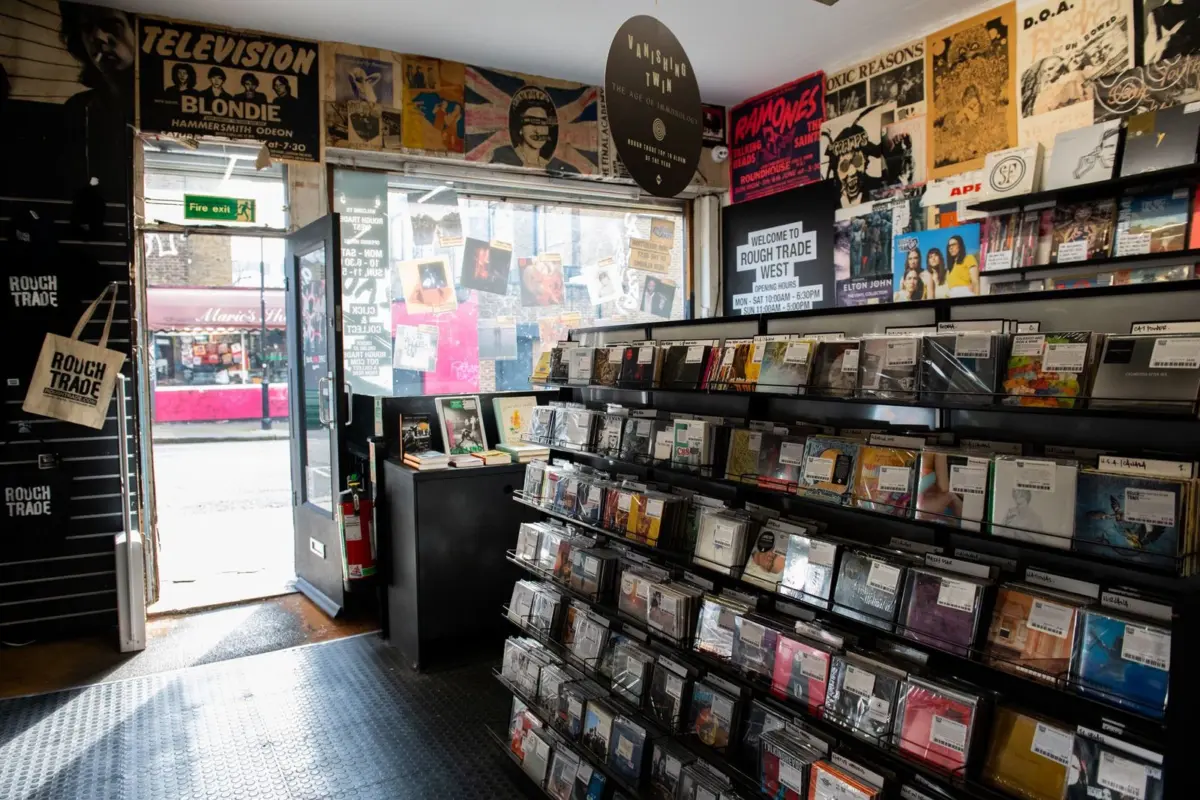
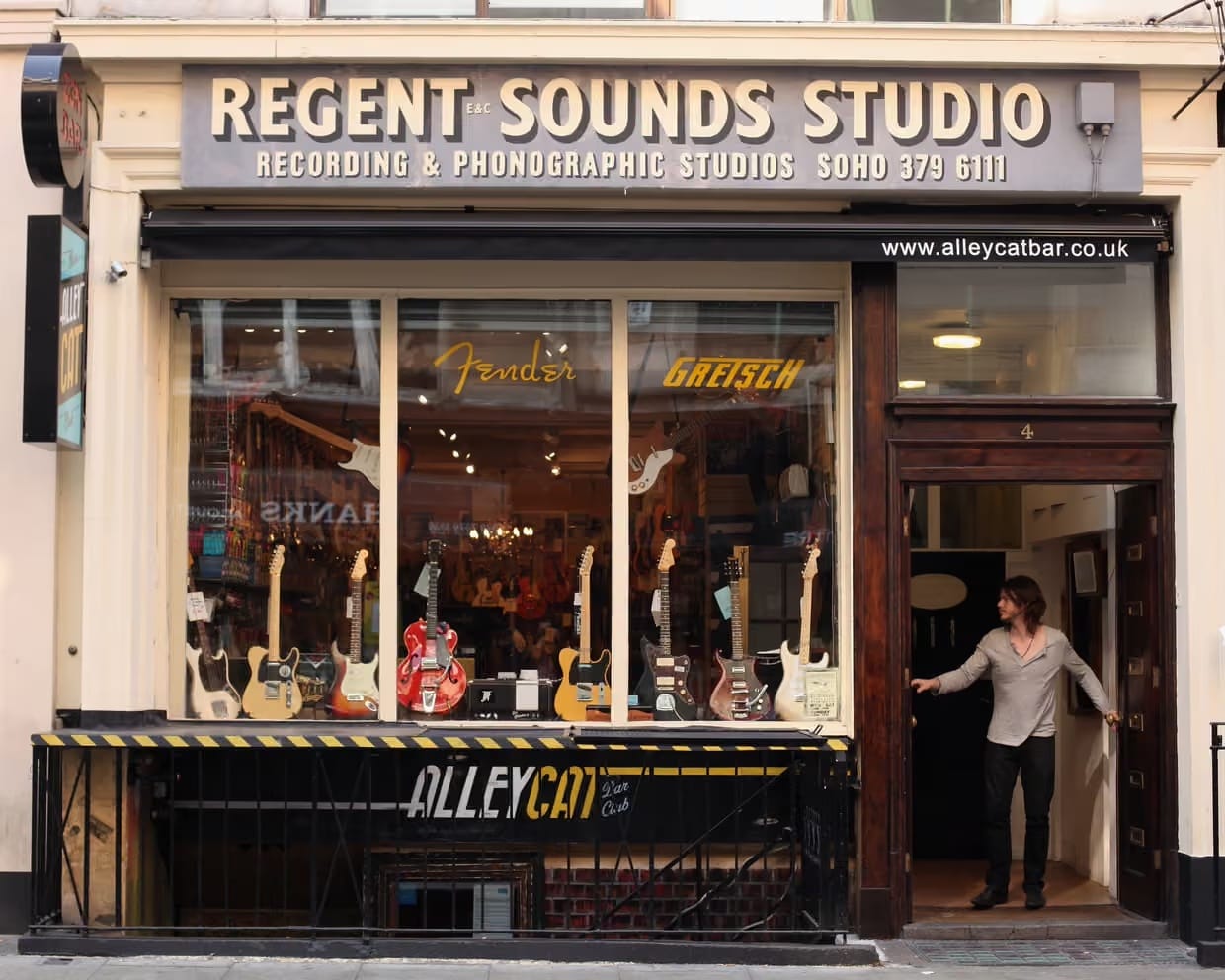
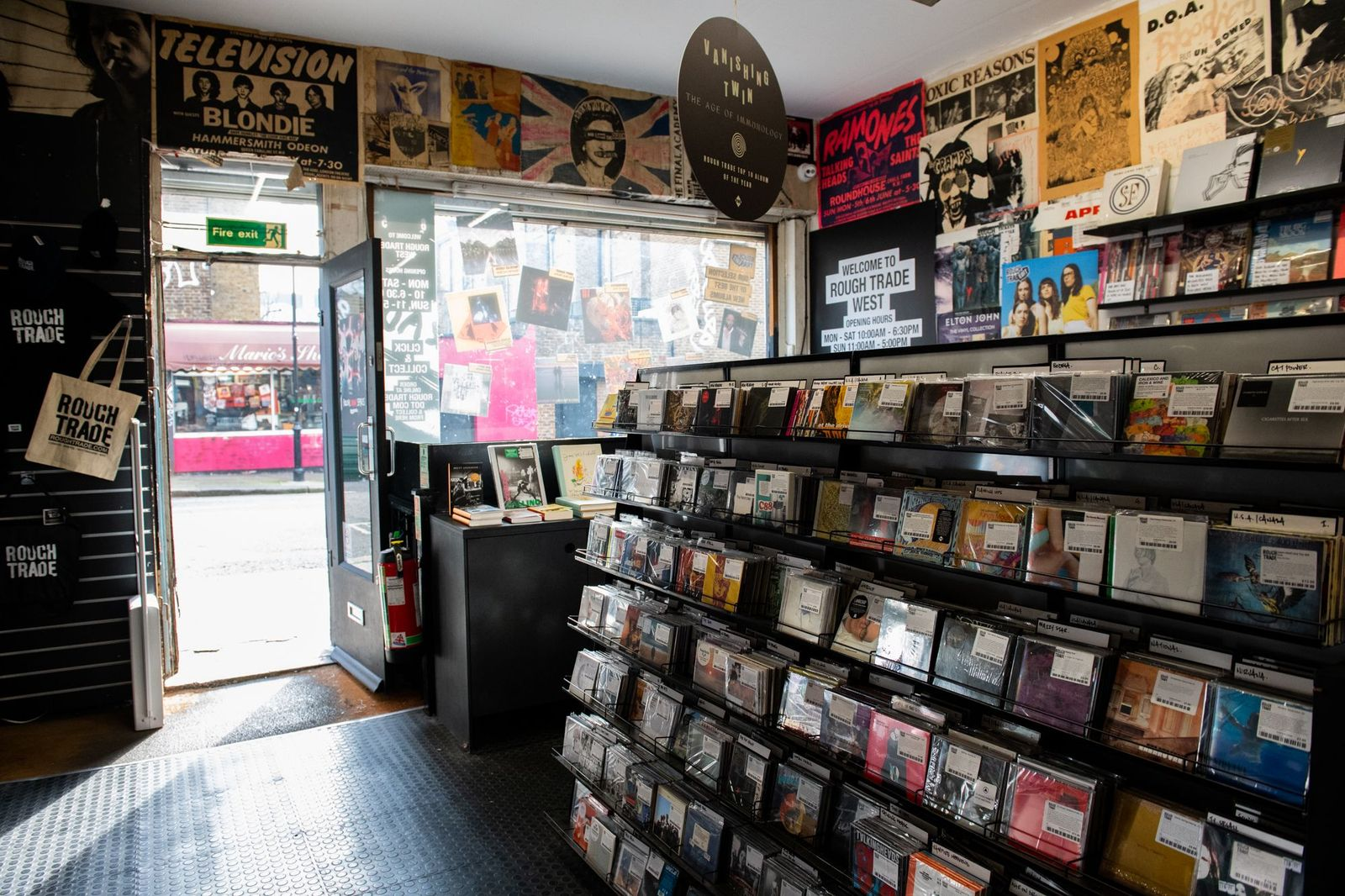
It was within this charged ecosystem that Rough Trade first opened its doors in West London in 1976, right at the epicenter of the punk earthquake. What began as a modest independent record shop on Kensington Park Road burgeoned into a global network of artists, labels, and passionate listeners. Nearly five decades later, Rough Trade’s expansion into Soho’s historic Denmark Street—affectionately dubbed ‘Tin Pan Alley’—cements a continuous lineage stretching from early twentieth-century music halls to contemporary hyperpop and jazz.
To capture this monumental cultural footprint, Rough Trade’s staff has curated a chronological compendium of 100 songs about London, spanning a century from 1924 to 2026. Available as a definitive playlist on platforms like Qobuz and Spotify, this collection maps the changing face, mood, and struggles of the capital through the eyes of its most astute musical chroniclers.
Executive Overview: The Metamorphosis of a Capital
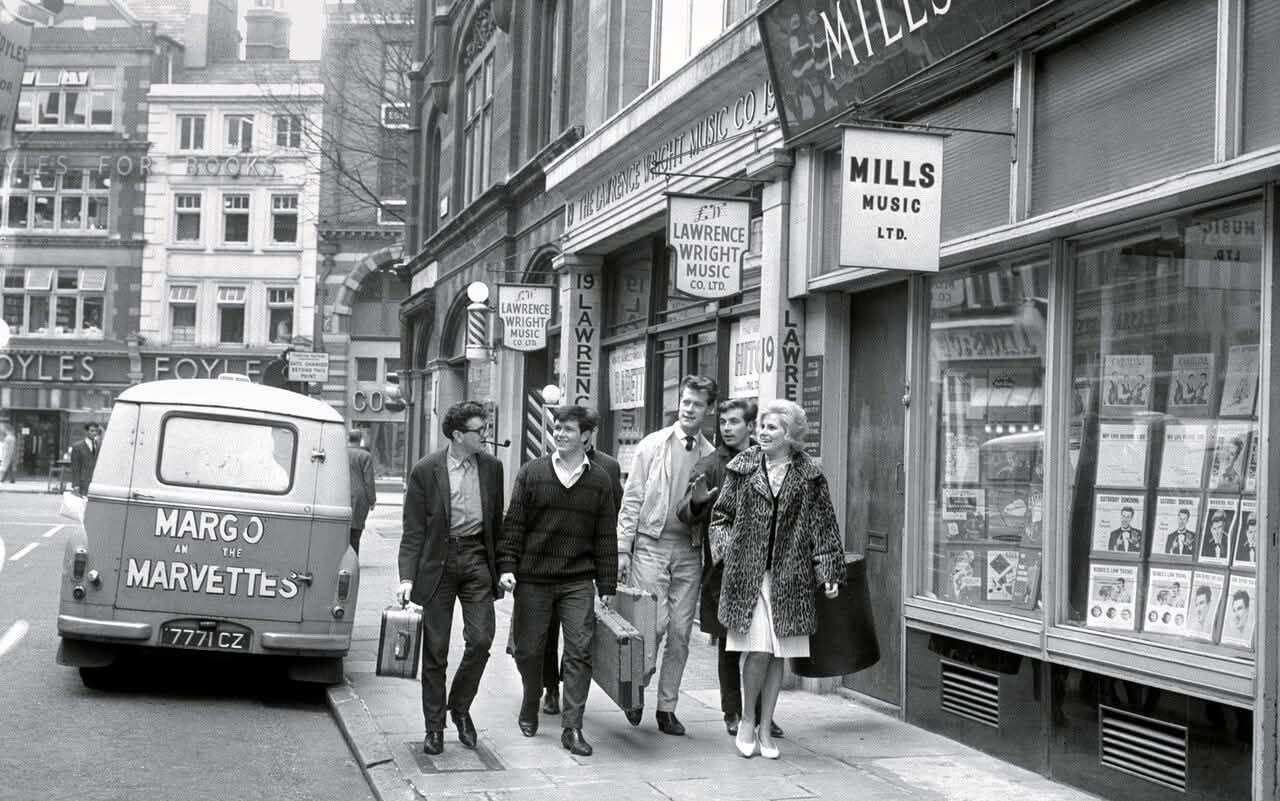
The story of London in music is fundamentally a story of migration, class friction, imperial decline, and artistic reinvention. In the interwar years, as captured by music hall veteran Stanley Holloway on 1924’s London Town (You Haunt Me), the city was a foggy, vaudevillian maze. By the wartime era, it was a site of romance under threat, immortalized by Vera Lynn’s haunting standard A Nightingale Sang in Berkeley Square (1940).
As the post-war decades unfolded, the influx of Caribbean immigrants transformed the city’s sonic palette. Lord Kitchener’s buoyant London Is the Place for Me (1948) celebrated the arrival of the Windrush generation, laying the groundwork for a multicultural metropolis. By the 1960s, London was swinging—producing the baroque pop of Donovan, the razor-sharp observational lyricism of The Ray Davies-led Kinks (Waterloo Sunset), and the psychedelic counterculture of Small Faces and Marianne Faithfull.
The economic anxieties and racial tensions of the 1970s and 80s birthed punk and dub-infused countercultures. The Clash turned social unrest into anthems like (White Man) In Hammersmith Palais and The Guns of Brixton, while Janet Kay made chart history as the first British-born Black female reggae artist to enter the top ten with the lovers-rock masterpiece Silly Games (1979).
As the decades marched forward into the rave-fueled 90s, the emergence of jungle, garage, grime, and modern UK hip-hop—championed by icons like Dizzee Rascal, Kano, Skepta, and Little Simz—redefined London not as a postcard city of red buses and royal palaces, but as a gritty, hyper-urban expanse of council estates, late-night transit, and unyielding resilience.
Detailed Chronology: A Century in Sound
The Interwar & Post-War Foundations (1924–1959)
Stanley Holloway – London Town (You Haunt Me) (1924): A vaudevillian relic of early 20th-century life, famously sampled decades later by The Caretaker.
Vera Lynn – A Nightingale Sang in Berkeley Square (1940): A sweeping, romantic standard chronicling a Mayfair love affair against the backdrop of global conflict.
Lord Kitchener – London Is the Place for Me (1948): A calypso anthem celebrating the optimism of the Windrush generation arriving in the UK.
Flanders and Swann – A Transport of Delight (1956): A breathless, tongue-in-cheek theatrical tribute to the iconic London red double-decker bus.
The Swinging Sixties & Mod Era (1960–1969)
Max Bygraves – Fings Ain’t Wot They Used t’Be (1960): Lionel Bart’s satirical Cockney musical number lamenting modernization.
Petula Clark – A Foggy Day (1965): A swinging, mod-inflected take on the Gershwin standard, set near the British Museum.
Donovan – Sunny Goodge Street (1965): A vivid lyrical snapshot capturing the simultaneous bohemian beauty and urban grit of Fitzrovia.
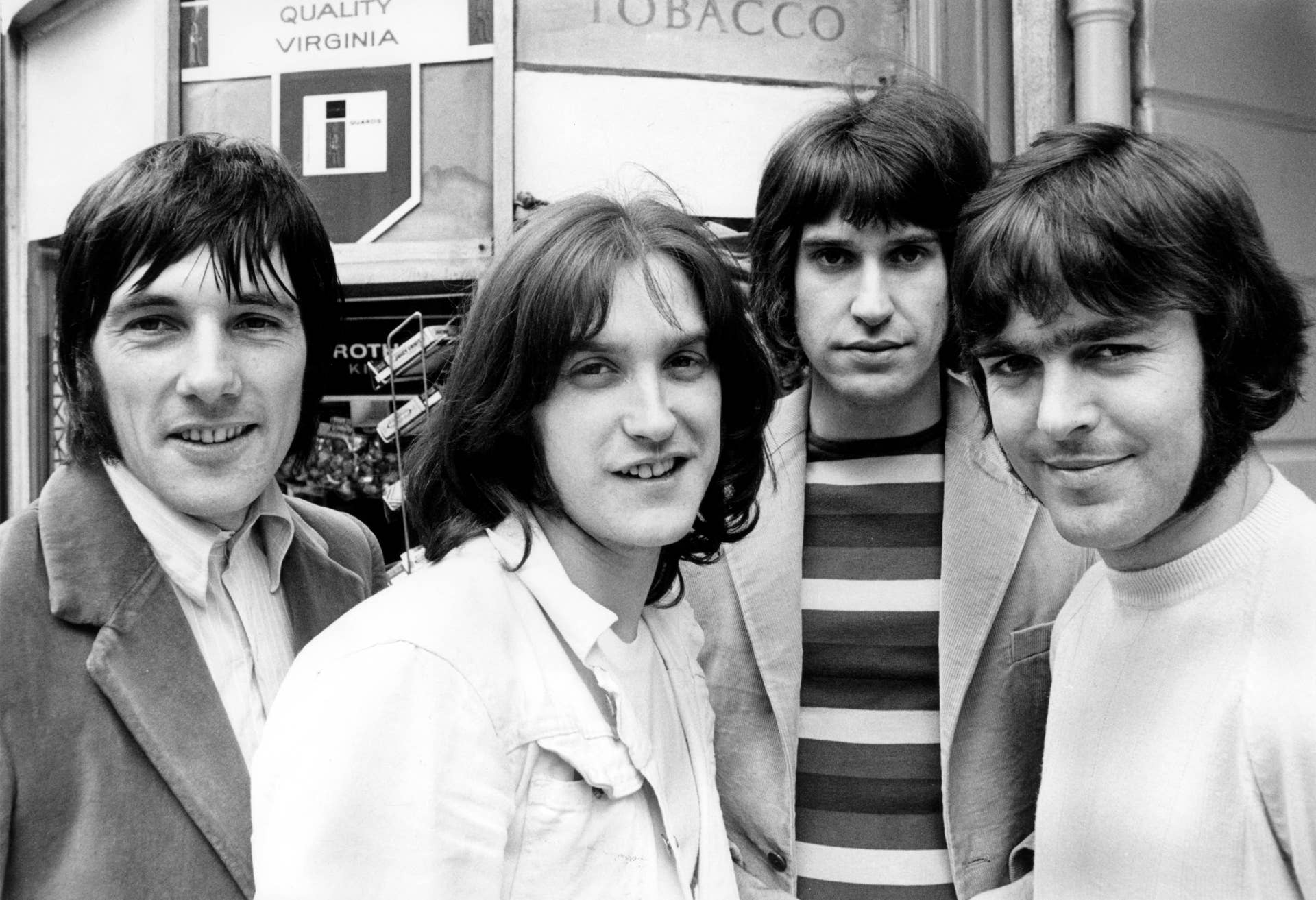
The Kinks – Waterloo Sunset (1967): Ray Davies’ immortal masterpiece, born from his childhood convalescence overlooking the Thames at St Thomas’ Hospital.
Small Faces – Itchycoo Park (1967): Steve Marriott’s psychedelic, East London-inspired ode to illicit youth liberation.
Blossom Dearie – I Like London in the Rain (1967): A cozy, jazz-infused embrace of British weather.
Marianne Faithfull – In the Night Time (1967): A baroque-psychedelic reimagining of Hampstead’s hazy nocturnal aura.
Billy Nicholls – London Social Degree (1968): A lost baroque-pop gem recorded at Olympic Studios with future members of Led Zeppelin and Small Faces.
Ram John Holder – Brixton Blues (1969): A poignant acoustic blues record documenting the immigrant experience in South London.
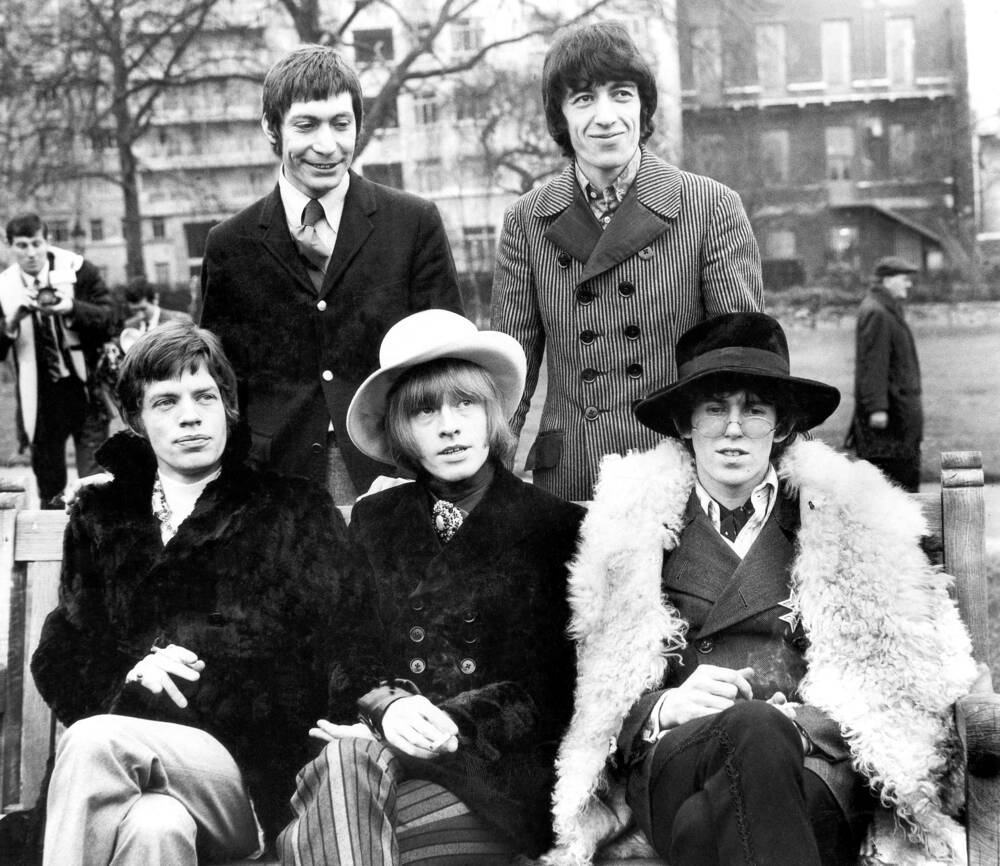
The Rolling Stones – You Can’t Always Get What You Want (1969): Immortalized by its opening lines referencing the legendary 3-story countercultural hub, the Chelsea Drugstore.
Punk, Dub, and Social Upheaval (1970–1989)
Mick Jagger – Memo from Turner (1970): The gritty theme song to the film Performance, colliding swinging 60s glamour with underground crime.
Faces – Debris (1971): Ronnie Lane’s working-class rummage through East London market culture.
Caetano Veloso – London, London (1971): Written in exile by the Brazilian tropicalia pioneer fleeing military dictatorship.
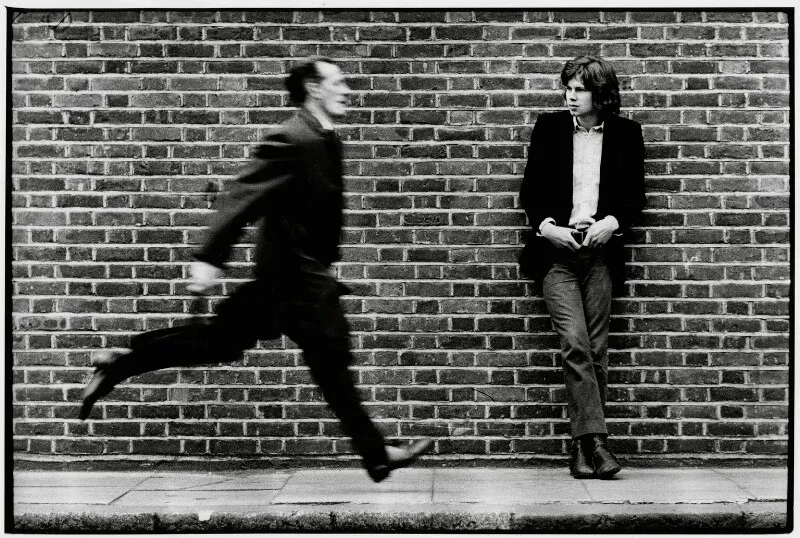
Nick Drake – Parasite (1972): A nocturnal, tube-line-referencing dispatch from Haverstock Hill.
Gavin Bryars – Jesus’ Blood Never Failed Me Yet (1975): An avant-garde minimalist composition built around the looped recording of a Waterloo rough sleeper.
Junior Murvin – Police and Thieves (1976): Reggae protest classic that became the soundtrack to the friction of the 1976 Notting Hill Carnival.
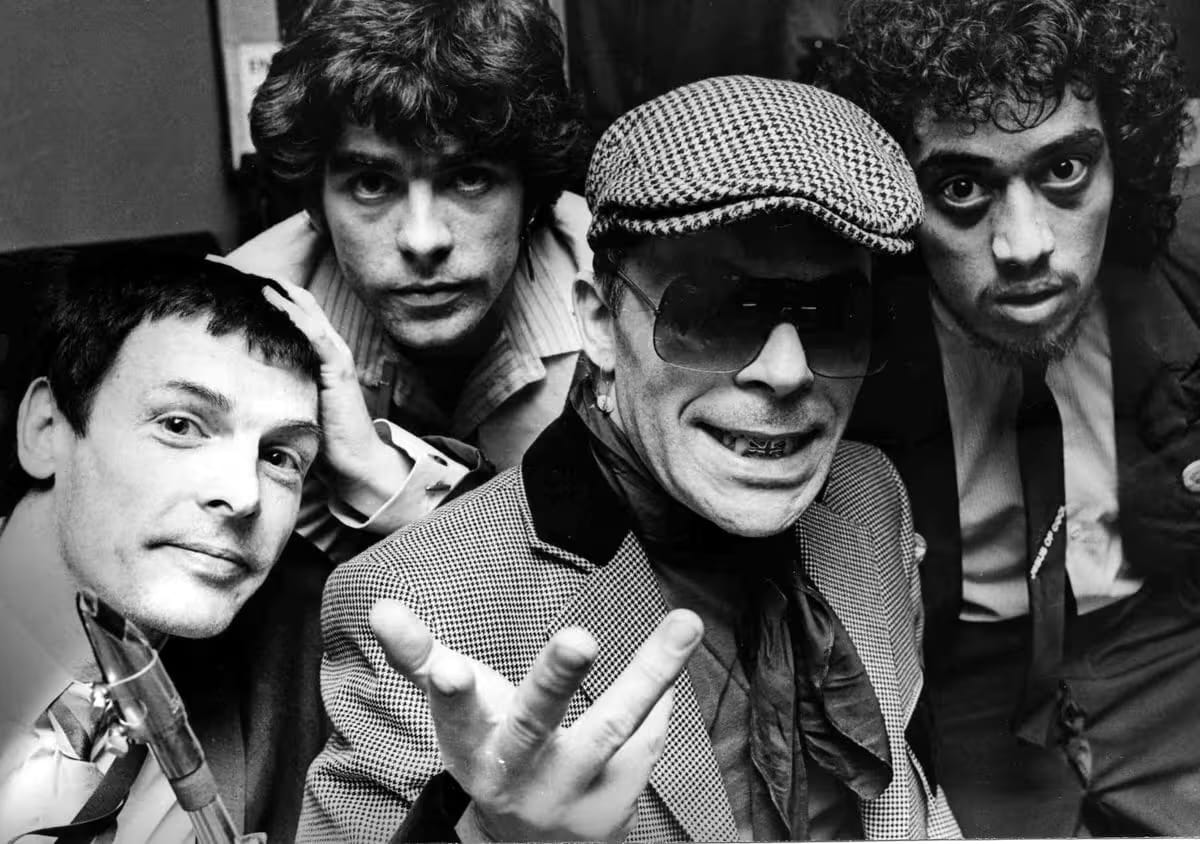
Ian Dury – My Old Man (1977): The quintessential Cockney character study from New Boots and Panties!!
Dire Straits – Sultans of Swing (1978): Deptford blues-rock excellence tracing the capital’s pub-gig circuit.
Television Personalities – Part-Time Punks (1978): A self-referential, witty indie-pop satire featuring a nod to Rough Trade itself.
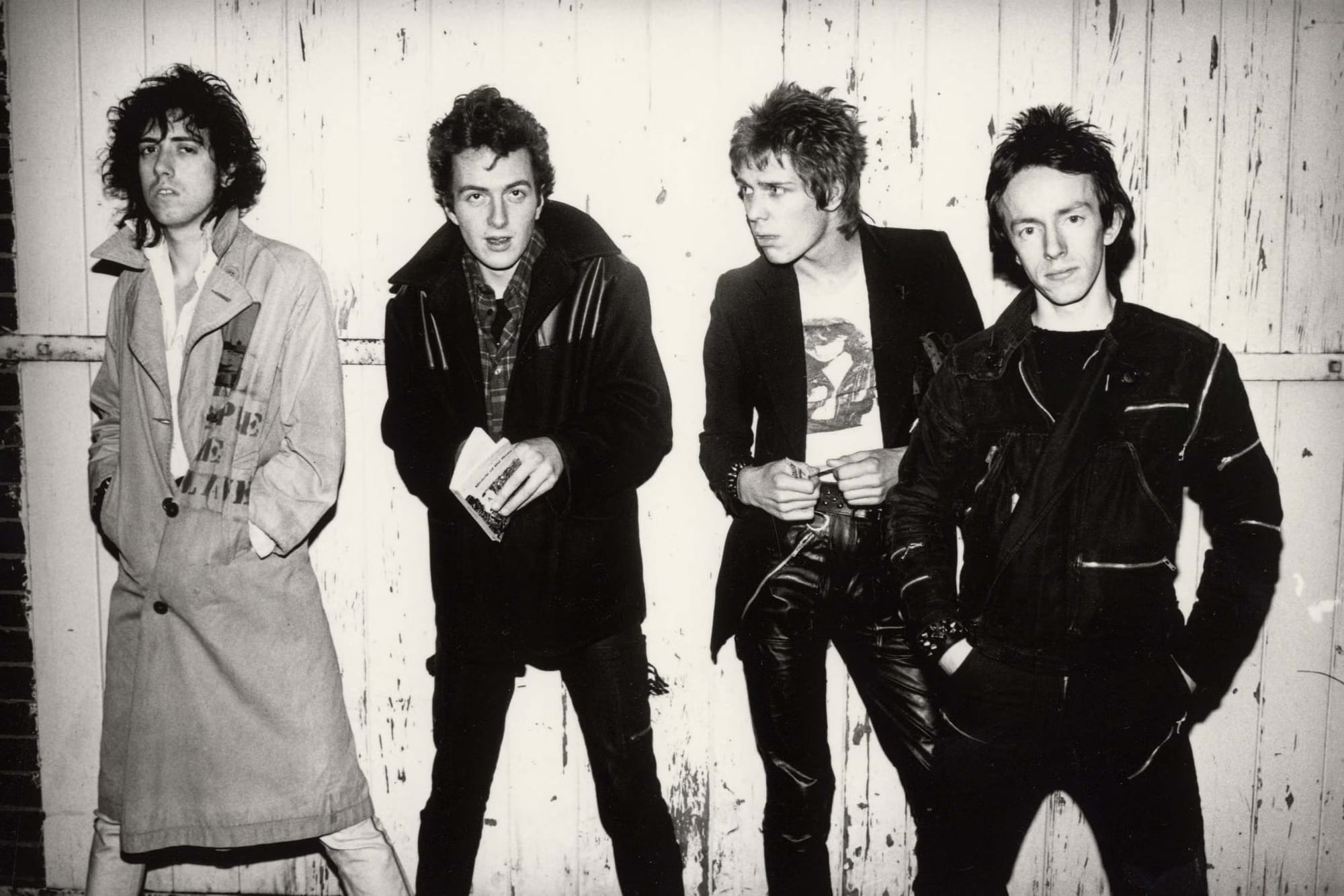
The Clash – (White Man) In Hammersmith Palais (1978) & The Guns of Brixton (1979): Masterclasses in political punk, immigrant solidarity, and mounting urban tension.
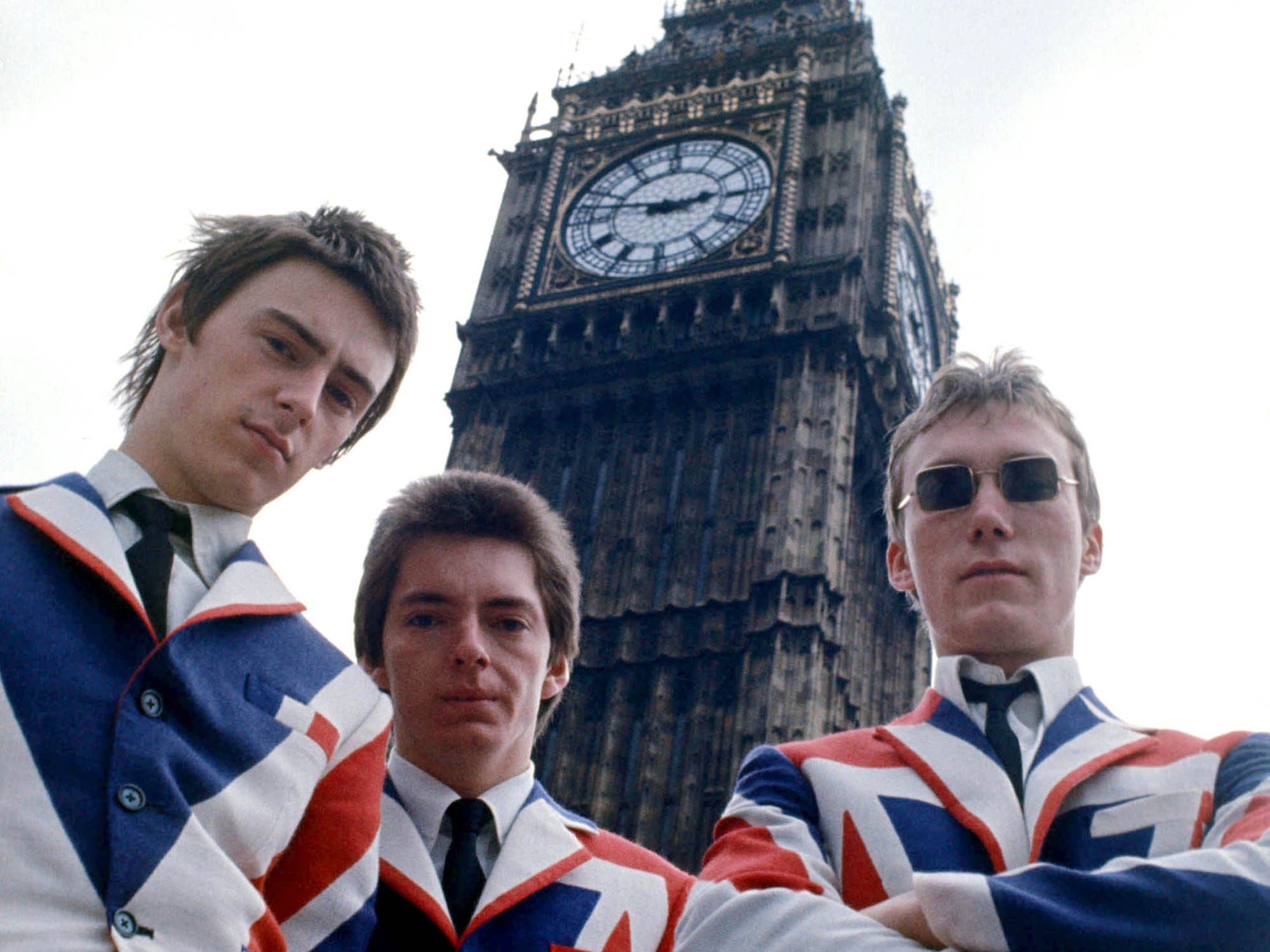
The Jam – Down in the Tube Station at Midnight (1978) & Strange Town (1979): Paul Weller’s claustrophobic cinematic vignettes of underground transit and urban alienation.
Warren Zevon – Werewolves of London (1978): A Chicagoan’s surreal, piano-driven romp through Westminster.
Janet Kay – Silly Games (1979): Produced by Dennis Bovell, this track made chart history as a foundational lovers-rock anthem sung by a British-born Black artist.
Eddy Grant – Electric Avenue (1982): An upbeat, politically charged response to working-class survival and civil unrest in Brixton.
Madness – Our House (1982): The quintessential pop-ska celebration of working-class domesticity.
Pet Shop Boys – West End Girls (1984): Synth-pop perfection exploring the vast socio-economic chasm between London’s classes.
Smiley Culture – Cockney Translator (1984): A brilliant dancehall-fusion track bridging Jamaican patois and traditional London dialect.
The 90s: Rave, Britpop, and Trip-Hop (1990–1999)
London Posse – How’s Life in London (1990): Groundbreaking British hip-hop pioneers establishing an authentic domestic rap cadence.
Sinéad O’Connor – Black Boys on Mopeds (1990): A stark, unflinching protest against state violence and police brutality on English streets.
Saint Etienne – London Belongs to Me (1991): Dream-pop romanticism that makes the capital feel sun-drenched and timeless.
Flowered Up – Weekender (1992): A sprawling, 17-minute indie-dance odyssey capturing the hedonistic peak of the early 90s club scene.
Kirsty MacColl – Soho Square (1993): A bittersweet, heartbreaking ballad tethered to a specific London park bench.
Blur – For Tomorrow (1993): Britpop melancholy sweeping across Primrose Hill.
Ice MC – Think About the Way (1994) & Pulp – Mile End (1996): Euro-dance and kitchen-sink drama immortalized by their association with Danny Boyle’s generation-defining Trainspotting.
Scott Garcia – A London Thing (1997) & Double 99 – Ripgroove (1997): The foundational blueprints of UK garage, born in pirate radio shacks and kitchen studios.
Godspeed You! Black Emperor – East Hastings (1998): Apocalyptic post-rock later used to soundtrack Jim’s desolate wander through an empty London in 28 Days Later.
The New Millennium: Grime, Indie Sleaze, and Modern Realism (2000–2026)
The Streets – Has It Come to This? (2001): Mike Skinner’s spoken-word garage manifesto mapping urban life from Mile End to Ealing.
The Libertines – Time for Heroes (2002): Chaotic, romanticized indie rock capturing bohemian youth culture.
M.I.A. – Galang (2003) & Dizzee Rascal – Sittin’ Here (2003): Grime and dancehall innovations that set the definitive tone for inner-city youth culture in the mid-2000s.
Amy Winehouse – You Know I’m No Good (2006): Camden soul and blues chronicling messy nightlife and classic late-night kebab runs.
Lily Allen – LDN (2006): A deceptively breezy ska-pop track hiding satirical observations underneath a sunny disposition.
Adele – Hometown Glory (2007): Written when she was just 16, this soulful ballad remains one of the most emotionally mature tributes to the city.
Skepta – Postcode Wars (2007) & Giggs – Talkin’ the Hardest (2007): Essential documents of the grime and street-rap explosion that permanently altered British music.
Joy Orbison – Hyph Mngo (2009): A seismic post-dubstep instrumental evoking rainy, late-night South London concrete landscapes.
Jamie T – Sticks ‘n’ Stones (2009): Cheeky, swaggering indie-folk-punk steeped in South London iconography.
Kano – T-Shirt Weather in the Manor (2016): A lyrical masterpiece celebrating the rare, euphoric days of a London heatwave amid changing neighborhoods.
Little Simz – 101 FM (2018): A nostalgic, reverent homage to pirate radio culture and early formative years in the capital.
Dave – Streatham (2019) & AJ Tracey – Ladbroke Grove (2019): Modern anthems defining the cultural dominance of South and West London in contemporary rap.
Yussef Dayes – Crystal Palace Park (2023): Jazz-fusion drumming and ambient keys paying tribute to South London green spaces.
Ninajirachi – London Song (2025) & RAYE – Nightingale Lane (2026): Recent additions showcasing the intersection of global hyperpop, heartbreak, and blues heritage.
Supporting Context & Metrics
To understand the weight of this 100-song timeline, one must examine the economic and cultural infrastructure that supports London’s music industry:
Venues & Retail: Despite gentrification and post-pandemic pressures, London maintains hundreds of independent grassroots music venues, anchored by historic retail hubs like Rough Trade’s flagships in West, East, and central London.
Genre Incubation: Over 60% of the tracks featured on the playlist represent genres either invented entirely within Greater London or uniquely hybridized there (e.g., Grime, UK Garage, Lovers Rock, British Punk, Jungle).
Geographic Spread: Every London postal district is represented, with South London (Brixton, Streatham, Camberwell) and East London (Hackney, Bow, Dalston) accounting for over half of the modern entries, reflecting shifts in cultural capital toward the city’s diverse peripheral boroughs.
Future Outlook
As London continues to grapple with housing crises, commercial rent hikes, and the ongoing aftershocks of Brexit, the role of music as a social adhesive and economic driver remains vital. Yet, the city’s landscape is shifting. Independent record shops, DIY spaces, and community radio stations face constant threats from property developers.
Despite these challenges, the creative pipeline remains unbroken. As demonstrated by recent releases from Wolf Alice, RAYE, and international exports adopting London as their muse, the capital’s capacity for reinvention is limitless. The sound of the smoke will keep evolving—fueled by new generations who find, in the bleakness and the beauty of the metropolis, a reason to pick up an instrument, fire up a sequencer, or sing out into the gray London sky.