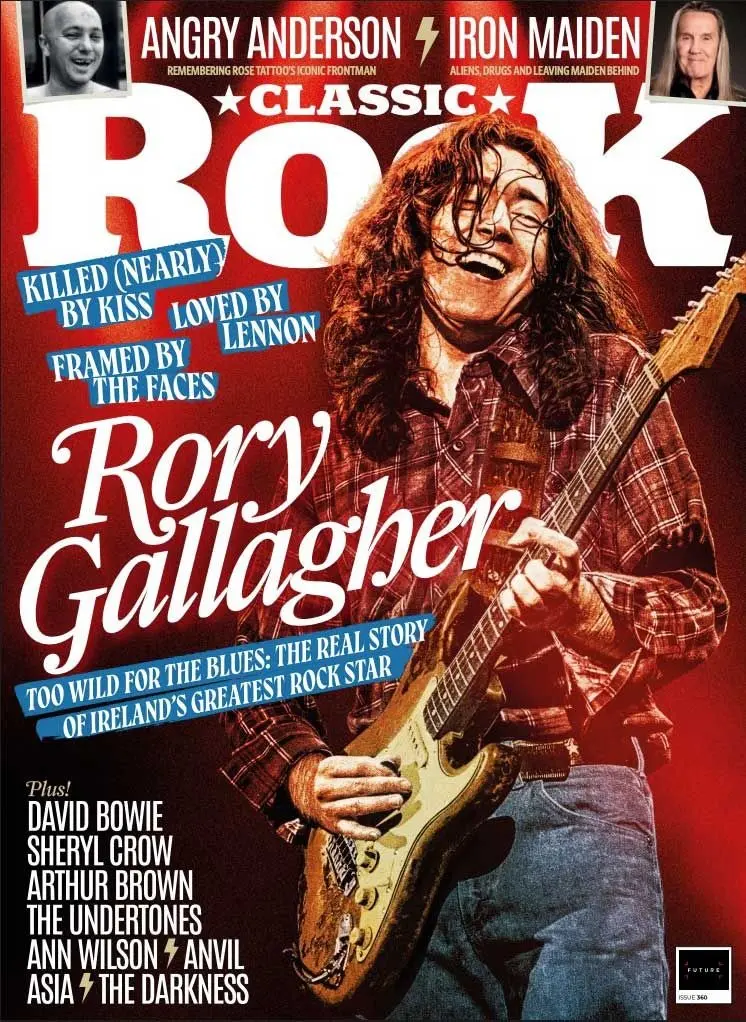
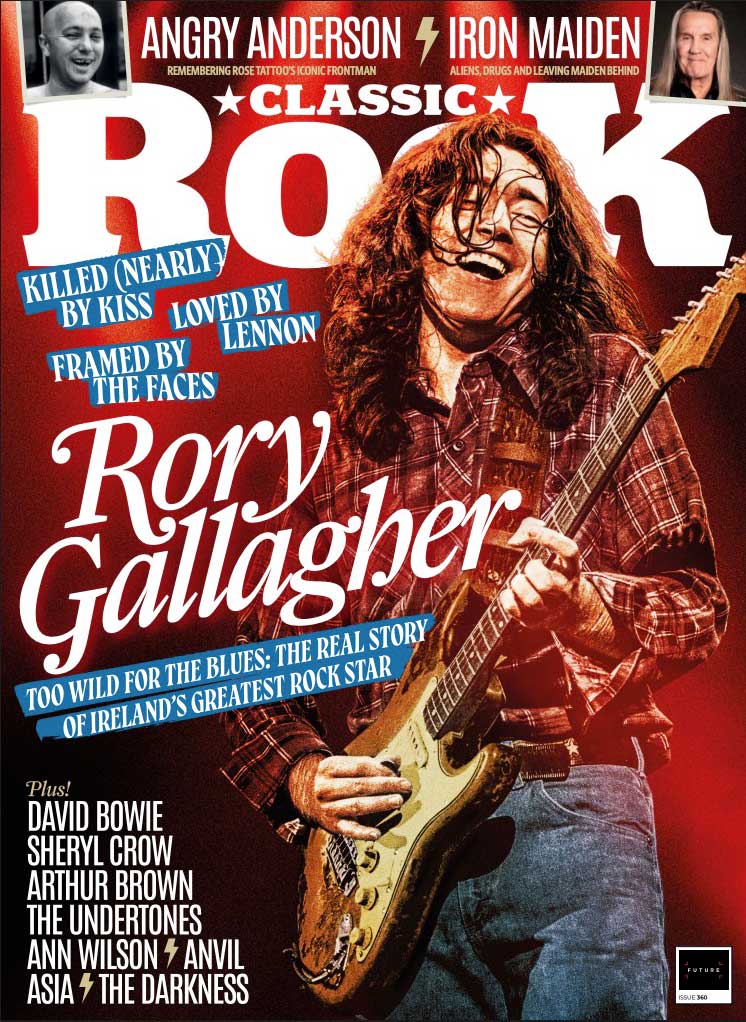
Few musicians in the history of rock and blues possess a legacy as pure, uncompromising, and revered as Rory Gallagher. Emerging from Ireland in the late 1960s first with the power trio Taste and subsequently as a solo artist, Gallagher redefined the parameters of electric blues guitar. Armed with his famously worn-to-the-wood 1961 Fender Stratocaster, a flannel shirt, and an extraordinary work ethic, he became an international symbol of musical authenticity.
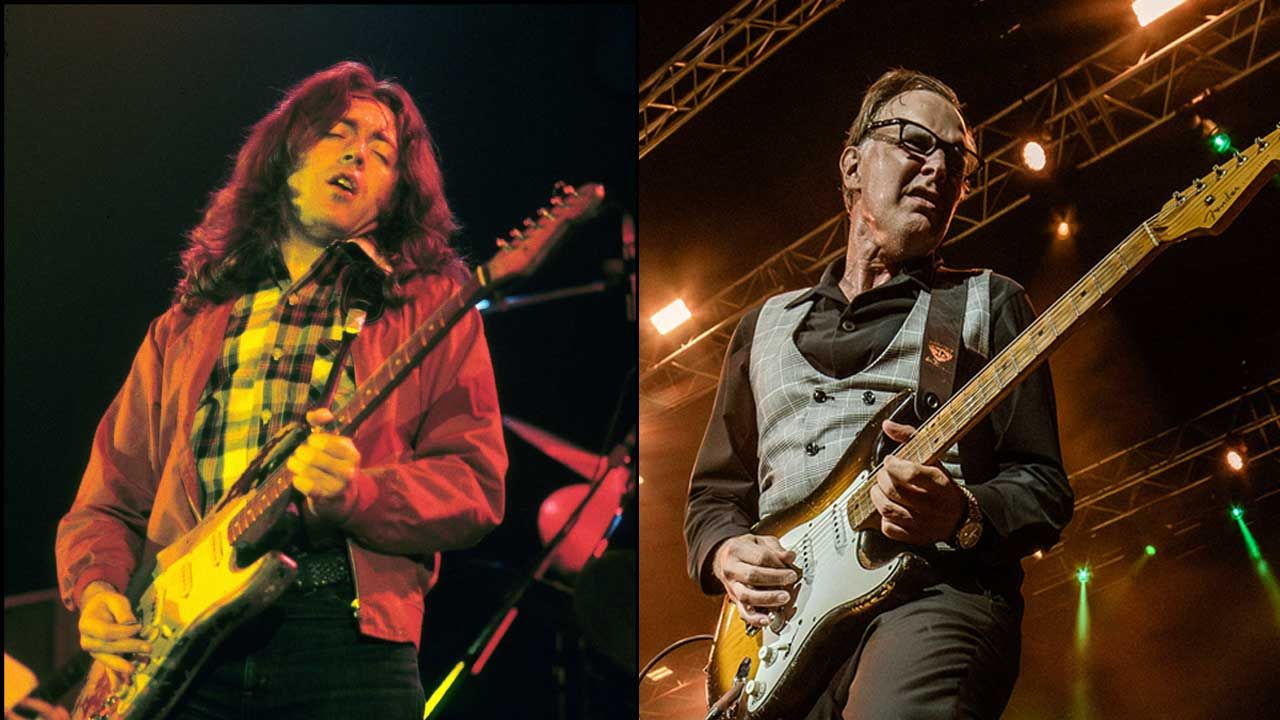
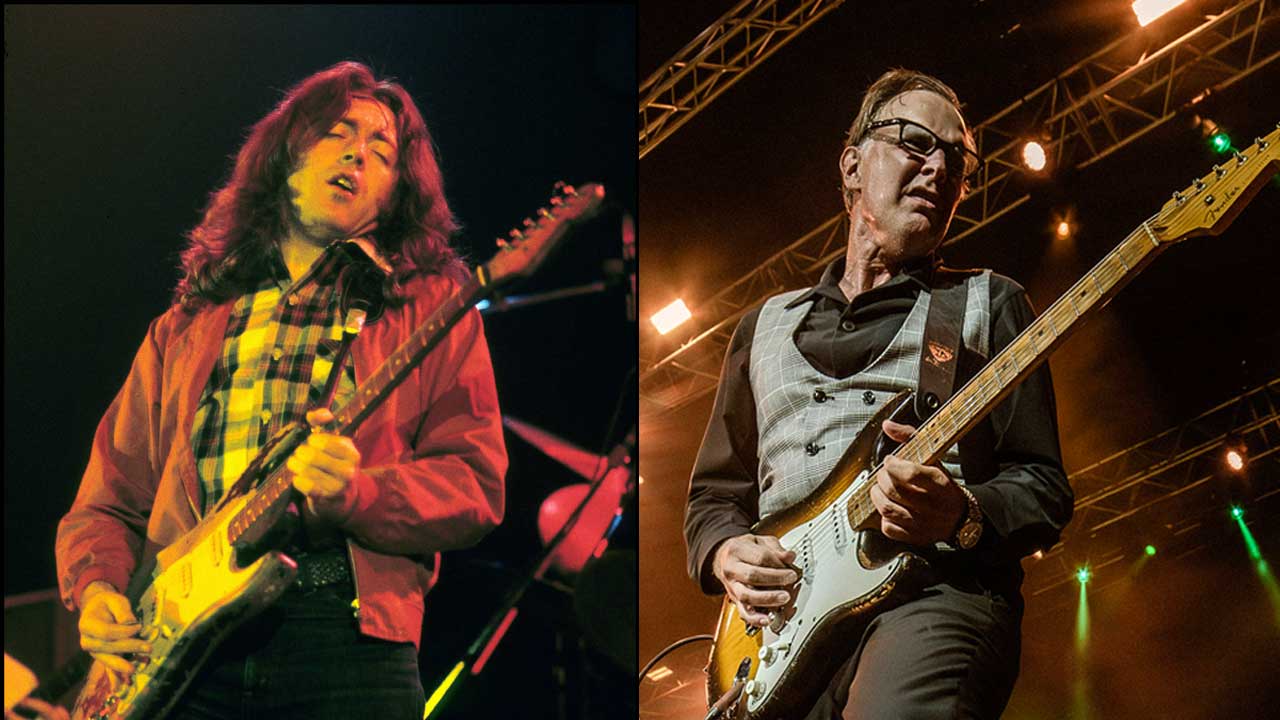
While American audiences often point to Stevie Ray Vaughan as the ultimate working-class guitar hero, for fans across the United Kingdom, Europe, and the rest of the globe, that mantle belongs unequivocally to Rory Gallagher. Modern guitar virtuoso Joe Bonamassa famously crystallized this distinction, designating Gallagher as "the Stevie Ray Vaughan of the rest of the world."
Gallagher’s impact extended far beyond musical virtuosity; he was a cultural force who bridged deep socio-political divides. During the height of "The Troubles" in Northern Ireland in the 1970s, when international acts routinely skipped Belfast, Gallagher regularly performed there, bringing Catholic and Protestant youth together under one roof. Today, decades after his untimely passing in 1995, Gallagher’s influence remains a cornerstone of modern blues-rock guitar. Through historical retrospectives, high-profile tributes, and the careful stewardship of his catalog by his brother and manager, Dónal Gallagher, the Irish maestro’s legacy continues to captivate old fans and inspire new generations of musicians.
Detailed Chronology: The Journey of an Uncompromising Maverick
+-----------------------------------------------------------------------------------+
|                               RORY GALLAGHER TIMELINE                             |
+-----------------------------------------------------------------------------------+
| 1948: Born in Ballyshannon, County Donegal, Ireland.                              |
| 1966: Forms the pioneering blues-rock power trio Taste in Cork.                   |
| 1970: Taste performs legendary set at Isle of Wight Festival; band disbands.      |
| 1971: Releases self-titled debut solo album, establishing a solo career.         |
| 1974: Embarks on historic Irish Tour during 'The Troubles'; releases live album.  |
| 1987: Performs acclaimed concert documented in 'Live at the Cork Opera House'.    |
| 1995: Tragically passes away in London on June 14, aged 47.                       |
| 2011: Joe Bonamassa performs with Gallagher's legendary 1961 Strat at Hammersmith.|
| 2024: Posthumous re-evaluations, tribute concerts, and biographies expand legacy. |
+-----------------------------------------------------------------------------------+
1948–1970: Formative Years and the Taste Era
Rory Gallagher was born on March 2, 1948, in Ballyshannon, County Donegal, and raised in Cork. Immersed in American folk, blues, and early rock ‘n’ roll broadcasts from Armed Forces Radio and Radio Luxembourg, Gallagher taught himself acoustic guitar before acquiring his iconic 1961 Sunburst Fender Stratocaster—the first of its kind imported into Ireland—for £100 second-hand.
After honing his craft in showbands across Ireland and Spain, he formed Taste in 1966. The power trio quickly earned acclaim for their fiery fusion of blues, rock, and jazz improvisations. By 1970, after supporting The Who and Blind Faith, Taste delivered a legendary performance at the Isle of Wight Festival alongside Jimi Hendrix. However, management disputes and creative tensions led to the group’s split later that year.
1971–1979: Solo Triumph and Irish Tour ’74
Gallagher launched his solo career in 1971 with a self-titled debut album, quickly followed by Deuce. His relentless touring schedule established him as one of Europe’s hardest-working live performers.
The high-water mark of this decade came in late December 1973 and early January 1974, during a tour of Ireland captured on the seminal album and documentary Irish Tour ’74. Performing at Belfast’s Ulster Hall amid heightening political violence, Gallagher defied safety warnings to perform for audiences on both sides of the sectarian divide. The tour sold over two million copies worldwide and established Gallagher as an irreplaceable icon of live rock music. Albums such as Tattoo (1973), Against the Grain (1975), and Calling Card (1976)—the latter co-produced with Deep Purple bassist Roger Glover—further cemented his commercial and critical authority.
1980–1995: Changing Eras, Health Challenges, and Untimely Passing
Throughout the 1980s, as mainstream rock shifted toward polished production and synth-heavy pop, Gallagher remained resolutely steadfast. He released hard-hitting records like Jinx (1982) and Defender (1987), continuing to tour relentlessly across Europe, Japan, and North America.
However, years of intense touring and a severe fear of flying led to a dependence on prescribed medication, combined with alcohol use, taking a heavy toll on his health. Despite deteriorating physical condition, he continued to perform. During his final European tour in late 1994, Gallagher fell ill. He underwent a liver transplant in London in early 1995, but died from post-operative complications on June 14, 1995, at the age of 47.
2011–Present: Posthumous Honors and Modern Tributes
In the decades since his passing, Gallagher’s stature has only grown. In 2011, blues-rock star Joe Bonamassa was invited by the Gallagher estate to play Rory’s original 1961 Stratocaster live on stage at the Hammersmith Apollo in London. Subsequent tributes, including Bonamassa’s homage album The Spirit Of Rory: Live From Cork, major archival reissues, and comprehensive biographical works authored by Dónal Gallagher alongside prominent music journalists, have solidified Gallagher’s standing among the upper echelon of rock and blues legends.
Supporting Context & Metrics: Anatomy of a Guitar Icon
+-----------------------------------------------------------------------------------+
|                        GALLAGHER VS. VAUGHAN: AT A GLANCE                         |
+-----------------------------------------------------------------------------------+
| METRIC                | RORY GALLAGHER            | STEVIE RAY VAUGHAN          |
+-----------------------+---------------------------+-----------------------------+
| Primary Weapon        | Heavily worn 1961 Strat   | Battered "Number One" Strat |
| Geographic Dominance  | UK, Europe, World         | United States, Americas     |
| Image Ethos           | Flannel shirt, anti-star  | Cowboy hat, flamboyant blues|
| Sonic Signature       | Raw, aggressive, Gibson-like | Heavy gauge, Texas shuffle|
| Acoustic Proficiency  | High (Country blues/slide)| Moderate (Focus on electric)|
| Cultural Impact       | Unified Northern Ireland  | Revived 80s US Blues Rock   |
+-----------------------------------------------------------------------------------+
The "Working-Class Hero" Paradigm
Joe Bonamassa’s framing of Rory Gallagher as "the Stevie Ray Vaughan of the rest of the world" underscores a key cultural distinction in blues-rock history. While Stevie Ray Vaughan captivated American audiences with Texas blues flair, Gallagher resonated deeply across Europe, South America, and Asia through a distinctly working-class, anti-superstar ethos.
Gallagher famously rejected corporate branding and theatricality. He performed in simple flannel shirts, jeans, and sneakers—the same attire he wore offstage. He regularly refused to release commercial "singles," preferring long-playing albums and live concerts as his expressive medium. This authenticity established a direct emotional bond with working-class fans across post-war Britain and Ireland.
                  +-----------------------------------+
                  |      RORY GALLAGHER'S SONIC       |
                  |            TRIFECTA               |
                  +-----------------------------------+
                                    |
         +--------------------------+--------------------------+
         |                          |                          |
         v                          v                          v
+------------------+       +------------------+       +------------------+
|   ELECTRIC DRIVE |       |  SLIDE PRECISION |       | ACOUSTIC ROOT    |
| Pushed Vox AC30  |       | Pitch-perfect    |       | Raw, heavy-handed|
| Dallas Rangemaster|      | Delta-style micro |      | Country blues    |
| Strat with Gibson |      | tonality without |       | influenced by    |
| warmth & power   |       | sharp/flat drift |       | Son House &      |
+------------------+       +------------------+       | Robert Johnson   |
                                                      +------------------+
Technical Mastery: The Stratocaster, Slide, and Acoustic Depth
Making a Fender Stratocaster Sound Like a Gibson: By plugging his 1961 Stratocaster into a Dallas Rangemaster treble booster and cranked Vox AC30 amplifiers, Gallagher bypassed the glassy treble common to Stratocasters, extracting a thick, warm overdrive usually associated with Gibson Les Pauls.
Micro-Tone Slide Intonation: Gallagher is widely considered one of rock’s most precise slide guitarists. Unlike many blues-rock players whose slide playing can drift out of tune, Gallagher maintained pitch-perfect intonation while singing dynamically over heavy rhythms.
Acoustic Roots: While renowned for high-octane electric performances, Gallagher was equally adept on acoustic guitar and mandolin. Influenced by Son House, Robert Johnson, and Blind Lemon Jefferson, his acoustic playing featured a heavy-handed, rhythmic style that integrated rock energy into traditional delta blues.
Official Statements and Artist Perspectives
In a series of retrospective interviews, contemporaries and modern guitar icons have reflected on Gallagher’s lasting influence, technique, and personal character.
Joe Bonamassa on Discovering Gallagher
Reflecting on his introduction to Gallagher’s music, Joe Bonamassa noted:
"It was my dad. I remember that he put on ‘Irish Tour ’74’. The American cover had Rory with that beat-up Strat, and me being the guitar geek to end all guitar geeks, I immediately fixated on that. My dad goes, ‘Well, check out this guy, he plays really well, and he’s from Ireland.’ From the moment you hear ‘Cradle Rock’—right from the first downbeat—you’re hooked. It was a special performance. It changed my world. I really liked that take on the blues—it was uptempo and raw, but there was melody to it."
+-----------------------------------------------------------------------------------+
|                        JOE BONAMASSA ON RORY GALLAGHER                            |
+-----------------------------------------------------------------------------------+
| "Rory had that nomadic working-class thing about him that endeared him to me.     |
| He was the guy who would just pour out of the van after driving 17 hours, set up  |
| his own amp, plug in, play the best show you’d ever seen in your life, pick up    |
| his amp and guitar, get back in the van, drive to the next city, and not blink     |
| an eye."                                                                          |
+-----------------------------------------------------------------------------------+
On Rory’s Authenticity
Addressing Gallagher’s refusal to compromise his image, Bonamassa observed:
"There wasn’t any put-on there. He dressed that way, in the flannel shirt, on and off the stage, take it or leave it, and he did it with conviction. That separates him from other blues icons in the sense that he never changed his image or his style, right from Taste to his very last day… Hell, I look back 10 years in my own career, and I was this awkward, geeky moron playing bad versions of Rory Gallagher songs… and now I’m still that guy, only dressed in a suit! But Rory Gallagher never changed."
On Handling Rory’s 1961 Stratocaster at Hammersmith
Describing the experience of holding and playing Gallagher’s primary guitar at the Hammersmith Apollo in 2011, Bonamassa recalled:
"They said, ‘We took Rory’s last set of strings off.’ So I put a new set on this thing. It hadn’t been played for almost 17 years. We plugged it in and it was just magic. Having owned a whole bunch of vintage Strats over the years, finding that magic one that has the right weight, balance, sound and dynamic, so that when you turn it up, it roars—that’s difficult. I could see why he loved it… There was a moment in time, for about 30 minutes before I went on, when it was just me and the guitar in the dressing room. It was like, ‘This is a big responsibility!’ It was the thrill of a lifetime."
Future Outlook: The Enduring Legacy of Ireland’s Blues Titan
Decades after his death, Rory Gallagher’s cultural footprint continues to expand rather than diminish. The management of his archive by his brother Dónal Gallagher has ensured that new releases—such as unreleased studio outtakes, remastered live recordings, and documentary footage—regularly introduce his catalog to younger generations.
                  +-----------------------------------+
                  |     PILLARS OF THE CONTINUING     |
                  |         GALLAGHER LEGACY          |
                  +-----------------------------------+
                                    |
         +--------------------------+--------------------------+
         |                          |                          |
         v                          v                          v
+------------------+       +------------------+       +------------------+
| ARCHIVAL DISCOVERY|      | ARTISTIC TRIBUTES|       | INSTRUMENT ICONS |
| Ongoing release  |       | Homage projects  |       | 1961 Stratocaster|
| of unreleased    |       | by modern titans |       | remains a top    |
| live shows and   |       | like Bonamassa   |       | historic rock    |
| studio outtakes  |       | and Slash        |       | artifact         |
+------------------+       +------------------+       +------------------+
Institutional Recognition and Cultural Heritage
Gallagher’s legacy is enshrined physically and culturally across Ireland and Western Europe:
Statues and Memorials: A life-sized bronze statue stands in his birthplace of Ballyshannon, while Cork features Rory Gallagher Place, along with a dedicated sculpture in tribute to his music.
Influence on Modern Icons: Guitarists ranging from Brian May (Queen) and Johnny Marr (The Smiths) to Slash (Guns N’ Roses) and Joe Bonamassa continue to cite Gallagher as a primary influence on their tone and live performance discipline.
The Instrument as Artifact: Gallagher’s 1961 Fender Stratocaster remains one of the most famous individual electric guitars in music history, alongside Jimi Hendrix’s Monterey Stratocaster and Eric Clapton’s "Blackie."
Rory Gallagher’s career stands as an enduring testament to what can be achieved when raw talent is combined with unwavering artistic integrity. He remains a benchmark for authenticity in guitar music—a nomadic, working-class musician who left everything on the stage, every single night.