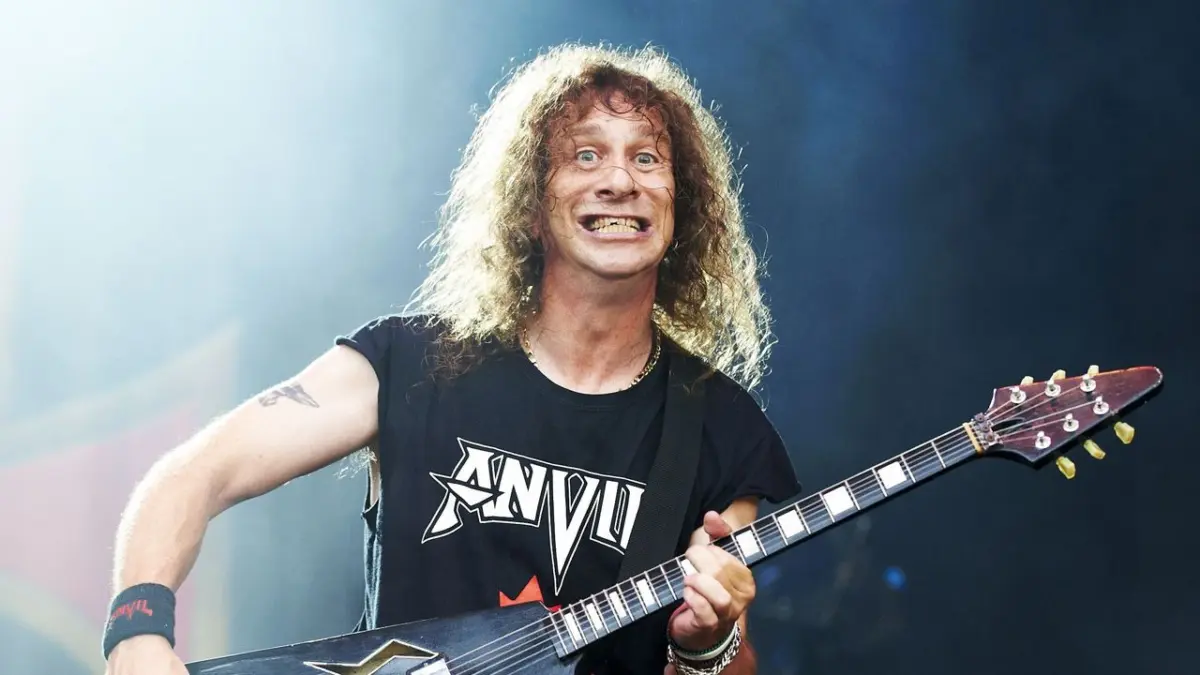
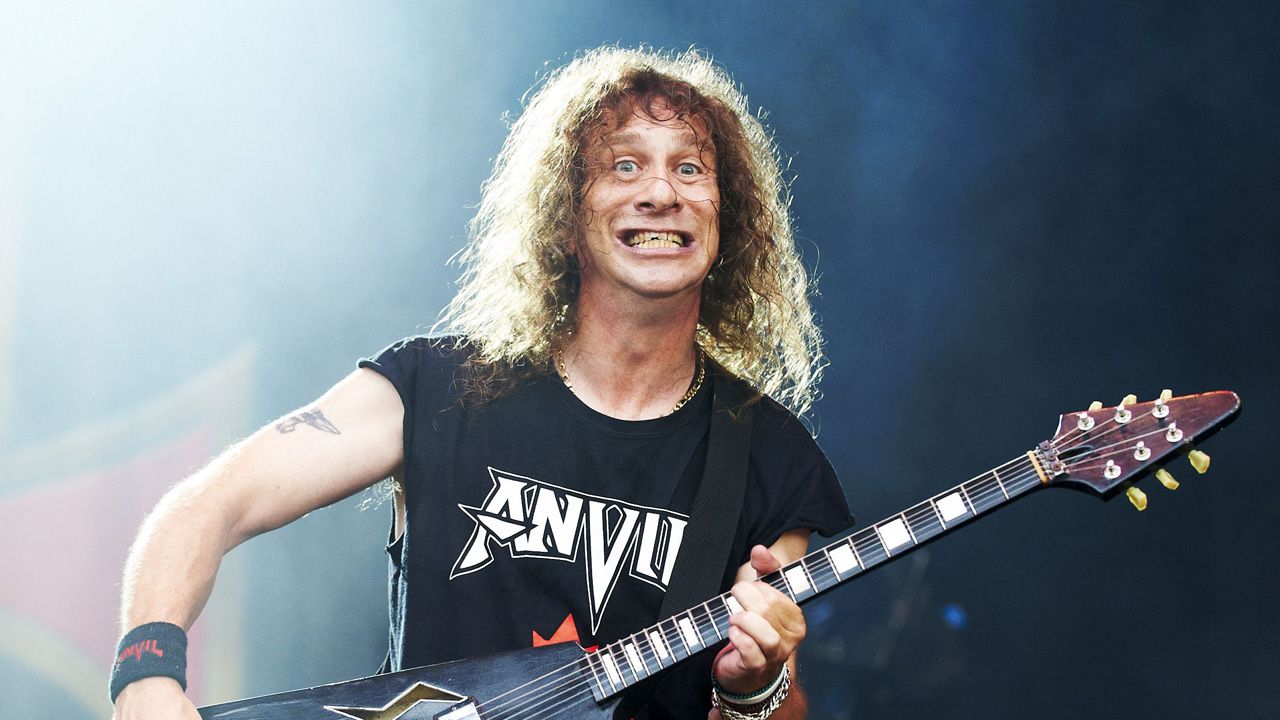
Few narratives in the history of popular music encapsulate the brutal friction between artistic persistence and commercial reality quite like that of Toronto heavy metal titans Anvil. Formed in the late 1970s by vocalist/guitarist Steve "Lips" Kudlow and drummer Robb Reiner, the band provided the foundational blueprint for speed and thrash metal, directly influencing future stadium-filling icons such as Metallica, Slayer, Megadeth, and Anthrax. Yet, while their disciples ascended to multi-platinum glory, Anvil slid into decades of obscurity, working blue-collar day jobs while stubbornly keeping the band alive on the underground circuit.
That trajectory experienced a paradigm shift with the release of Sacha Gervasi’s critically acclaimed 2008 documentary film, Anvil! The Story Of Anvil. The film offered an unvarnished, deeply moving look at aging rock musicians navigating financial hardship, failed European tours, and personal friction while refusing to relinquish their teenage dreams. At the time of filming, Kudlow was balancing band duties with delivering meals to school cafeterias.
Nearly two decades after the documentary brought Anvil back into the global spotlight, the band remains an active, prolific force in heavy music. As they launch a headline tour across the United Kingdom and Ireland—delivering retro setlists focused exclusively on their seminal early-1980s trilogy—Anvil stands as a case study in artistic survival. Kudlow’s reflections reveal a musician who has rejected corporate rock ambitions in favor of underground authenticity, club-level intimacy, and a multi-generational audience built through sheer perseverance.
Detailed Chronology
[1978] Lips Formed in Toronto by Steve "Lips" Kudlow & Robb Reiner
  │
[1981] Renamed Anvil; Debut Album "Hard 'N' Heavy" Released
  │
[1982] Release of Landmark Speed Metal Album "Metal On Metal"
  │
[1983] "Forged In Fire" Released; Band Plays Super Rock Festival in Japan
  │
[1986–2005] Label Disputes, Commercial Decline, Underground Survival & Day Jobs
  │
[2008] Release of Documentary "Anvil! The Story Of Anvil" Directed by Sacha Gervasi
  │
[2009–2023] Global Resurgence, Netflix Distribution, Prolific Album Output
  │
[2024] 20th Studio Album "One And Only" Released; UK Classic Album Tour Commences
The Early Golden Era (1978–1983)
Originally performing under the moniker Lips, the duo of Kudlow and Reiner established their signature style in Toronto, combining fast tempos, double-bass drum patterns, and theatrical guitar techniques. Rebranding as Anvil, they released their debut album, Hard ‘N’ Heavy, in 1981, followed rapidly by 1982’s groundbreaking Metal On Metal and 1983’s Forged In Fire. These three records served as essential listening for the emerging American thrash metal scene, establishing Anvil alongside the New Wave of British Heavy Metal (NWOBHM) acts as pioneers of modern heavy metal.
Decades in the Shadows (1984–2007)
Despite early momentum and a legendary performance at Japan’s Super Rock Festival alongside Whitesnake, Scorpions, and Bon Jovi, managerial troubles, distribution failures, and shifted record industry trends derailed Anvil’s commercial trajectory. As thrash metal exploded into a multi-million-dollar industry, Anvil drifted back into smaller venues and independent releases. To support his family and keep the band afloat, Kudlow took a job with a catering company, delivering meals to school children in Toronto, while Reiner worked in construction. Despite these hardships, the duo never stopped writing, recording, or touring.
The Documentary Renaissance (2008–Present)
In 2008, former Anvil roadie turned Hollywood screenwriter Sacha Gervasi released Anvil! The Story Of Anvil. The documentary premiered at the Sundance Film Festival to universal critical acclaim, earning a Peabody Award and capturing the hearts of both metal purists and general audiences. The film provided a second wind for the group, opening doors to major festivals, network television appearances, and global distribution deal opportunities. Since the film’s release, Anvil has maintained an astonishing release pace, culminating in their 20th studio album, One And Only, in 2024.
Supporting Context & Metrics
The post-documentary era transformed Anvil from a forgotten legacy act into a self-sustaining global phenomenon. The data below illustrates the band’s operational continuity and audience evolution over four decades.
Anvil Operational & Demographic Evolution
Metric / Parameter
Pre-Documentary Era (1984–2007)
Post-Documentary Era (2008–Present)
Primary Audience Profile
Aging 1980s speed metal purists
Multi-generational (60%+ first-time concertgoers)
Primary Day Job Requirement
Full-time manual labor / catering
Fully professional band / self-sustaining music enterprise
Studio Album Output
12 albums over 23 years
8 albums over 16 years (Total: 20 studio albums)
Primary Live Venues
Local dive bars, small regional clubs
Major global metal festivals, mid-tier European club tours
Cultural Footprint
Niche cult status
Global cinematic profile, streaming platform longevity
Audience Demographics and the "Netflix Effect"
One of the most striking outcomes of the 2008 documentary’s enduring presence on platforms like Netflix is the radical shift in Anvil’s live crowd demographics. Rather than relying solely on nostalgic fans from their early 1980s heyday, live attendance data and band observations indicate that approximately two-thirds of attendees at contemporary Anvil concerts are seeing the band live for the first time. The film served as an entry point for younger generations, who subsequently discovered the band’s extensive musical catalog.
                  TYPICAL ANVIL CONCERT DEMOGRAPHIC
    ┌────────────────────────────────────────────────────────┐
    │ [████████████████████████████████████] 65%             │
    │  New / Next-Gen Audience (Discovered via Documentary)  │
    ├────────────────────────────────────────────────────────┤
    │ [███████████████] 35%                                  │
    │  Legacy Fans (1981–1983 Era & Heavy Metal Purists)     │
    └────────────────────────────────────────────────────────┘
Official Statements
In an extensive dialogue ahead of Anvil’s 12-date tour of the UK and Ireland, frontman Steve "Lips" Kudlow reflected on the passage of time, the harsh truths of documentary filmmaking, artistic authenticity, and his uncompromising perspective on the music industry.
On the Passage of Time Since the Documentary
Reflecting on the nearly twenty-year gap since Anvil! The Story Of Anvil was filmed, Kudlow spoke frankly about the existential weight of time and the cinematic immortality the film grants to lost loved ones:
"That time came and went in the blink of an eye. I mean, what the hell happened? In the movie my son is ten years old, now he’s thirty. I know half a dozen people that are now dead. If I want to see my mother or Lemmy, I watch the movie."
On Audience Transformation and Cultural Impact
Kudlow addressed the unique dynamic between fans who know the band exclusively through cinema versus those rooted in their discography, noting how the film secured the band’s future across generations:
"We’ve become a phenomenon. Come to a show and for two-thirds of the audience it’s their first time seeing us. When I ask whether there are any old Anvil fans out there, few bald heads or grey hair are to be seen. The movie brought us the audience of today. Older fans bring along their kids. But it’s rewarding to know that the music has made it through generations."
On Unfiltered Honesty vs. Spinal Tap Comparisons
Addressing whether he harbored any regrets over allowing director Sacha Gervasi total access to the band’s private arguments and low points, Kudlow forcefully rejected the notion of curated public relations, drawing a direct line to real-world rock history:
"They had access to everything—the good, the bad and the ugly—and I’m glad about that. I have no shame. Show the arguments, show everything. I wanted pure honesty, not the candy-coated garbage that most bands would put out.
"I wanted a new band to witness our self-belief, because they will experience most of the things you see in the movie. Some compared it to This Is Spinal Tap. Well, Spinal Tap was based on real events. Harry Shearer went on the road with Saxon. Those things with the cucumber in silver foil and getting lost backstage really happened."
REALITY vs. FICTION IN ROCK DOCUMENTARIES

 Anvil Documentary Strategy           Standard Corporate Band Bio
 ┌───────────────────────────┐        ┌───────────────────────────┐
 │ • Full warts-and-all access│        │ • Heavily edited imagery │
 │ • Financial struggles shown│        │ • Polished backstage clips│
 │ • Authentic interpersonal │        │ • Curated press quotes    │
 │   conflict displayed      │        │ • Focus on record sales   │
 └───────────────────────────┘        └───────────────────────────┘
On Musical Eccentricity: The Vibrator Slide
One of Kudlow’s signature onstage antics—playing slide guitar using a battery-powered vibrator during the track "Mothra" (from 1982’s Metal On Metal)—was clarified not as a cheap shock tactic, but as an intentional acoustic innovation:
"We did right from the start. We were racking our brains for something that would make people never forget us, when it dawned on me: the sound of the motor coming through the pickups. Nobody had done that before. My original cost three dollars and the results were fantastic—you could rev it up or slow it down. Down the years I developed a section in ‘Mothra’ in which I use it musically. It’s not just a gimmick."
On Playing Clubs vs. Arenas and Opening for Stadium Acts
When pressed on whether he would accept a high-profile opening slot for arena-filling peers like Metallica—whose drummer Lars Ulrich famously praised Anvil in the documentary—Kudlow displayed an acute awareness of tour economics and expressed deep contentment with the intimate club scene:
"I love being crammed onto a small stage, sweating my balls off in my favourite country in the whole world—the UK. I love that shit, man. That’s where metal really, really thrives. Not in some massive concert arena. If you can’t look your audience in the eye, that isn’t the real deal. People say: ‘You never got big.’ Who gives a shit? Do I want to play places like that? No.
"For me, at seventy years old, is there a point? Am I buying onto this tour for fifty thousand quid that I don’t have? Have I sold a million records? No, I haven’t, and that’s what greases palms for a headline band whose overheads are millions of dollars per night… I know that I will never open for Metallica. And I have long since reached peace with that."
Future Outlook
As Anvil embarks on their 12-date tour across the United Kingdom and Ireland—supported by Belgian heavy metal veterans Killer—the band is executing a calculated artistic strategy. Rather than aggressively promoting their latest 2024 album One And Only, the trio is deliberately focusing their setlists entirely on their foundational early-1980s albums: Hard ‘N’ Heavy (1981), Metal On Metal (1982), and Forged In Fire (1983).
ANVIL DISCOGRAPHY & PRODUCTION TIMELINE

 1981–1983 Trilogy            Intermediary Era             Modern Renaissance
┌──────────────────────┐     ┌──────────────────────┐     ┌──────────────────────┐
│ • Hard 'N' Heavy     │     │ • 14 Studio Albums   │     │ • One And Only (2024)│
│ • Metal On Metal     │ ──> │   (1987–2022)        │ ──> │ • Studio Album #21   │
│ • Forged In Fire     │     │ • Underground Focus  │     │   (In Preparation)   │
└──────────────────────┘     └──────────────────────┘     └──────────────────────┘
   ▲                                                         │
   └───────────────── Retrospective Focus ───────────────────┘
This decision reflects a conscious effort to bridge the knowledge gap for younger fans who entered the band’s ecosystem through cinematic channels rather than record stores. By giving their 20th studio record room to breathe, Kudlow and Reiner are allowing new converts to ground themselves in the classic tracks that originally birthed the speed metal genre.
Simultaneously, the band is preparing to enter the studio to begin tracking their 21st full-length studio album. Refusing the comfortable retirement selected by many of their contemporaries, Anvil’s trajectory remains defined by relentless work ethic, unvarnished artistic integrity, and an unshakable devotion to the physical, visceral essence of underground heavy metal.