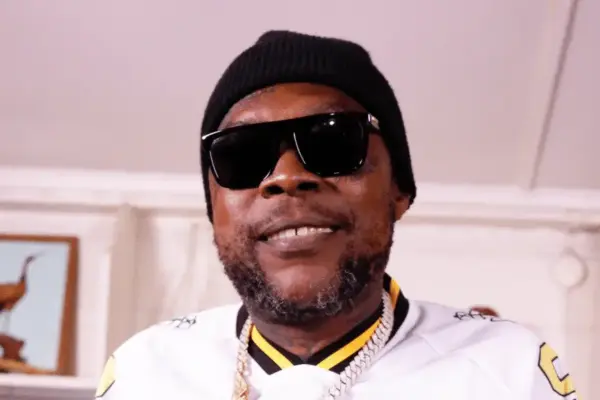
The trajectory of Carl Crawford is a masterclass in high-stakes pivots. For over a decade, Crawford was a household name in Major League Baseball, patrolling the left field for the Tampa Bay Rays, Boston Red Sox, and Los Angeles Dodgers. He earned four All-Star selections, a Gold Glove Award, and a Silver Slugger Award, cementing his legacy as one of the game’s premier outfielders during his 2002–2016 career.
Yet, the moment Crawford hung up his cleats in 2016, he immediately stepped into an entirely different kind of arena: the volatile, high-pressure world of the music industry. As the founder of 1501 Certified Entertainment, Crawford transitioned from chasing fly balls to scouting and cultivating foundational hip-hop talent in his native Houston, Texas.
Now, following years of high-profile triumphs, public friction, and legal storms—including a widely publicized 2023 legal battle with breakout superstar Megan Thee Stallion and the subsequent departure of artist Erica Banks—Crawford is scripting a calculated comeback. Enter Studio 1501, a state-of-the-art creative campus nestled in Houston’s historic Acres Homes neighborhood. Developed alongside studio partner Jarrod “Lacemode” Lacy after a grueling two-year construction process, the new facility represents more than just a real estate investment; it is the physical embodiment of Crawford’s athletic discipline applied directly to the craft of music production.
Designed to foster a fresh generation of Southern rap talent, Studio 1501 blends elite acoustical engineering with lifestyle amenities, offering a blueprint for modern artist development in an era dominated by bedroom producers and internet virality.
Detailed Chronology: From Big League Outfields to Houston’s Hip-Hop Underground
The 2016 Pivot: Transitioning Out of MLB
When Crawford exited the diamond in 2016, most professional athletes would have taken a prolonged sabbatical to enjoy the fruits of a lucrative MLB career. Instead, Crawford dove headfirst into music entrepreneurship, founding 1501 Certified Entertainment in Houston. Leveraging his capital, local credibility, and competitive drive, he set out to build a record label that could serve as a legitimate pipeline for regional rap talent to reach global stages.
The Rise of 1501 Certified Entertainment
In its early years, 1501 quickly established itself as a powerhouse in the Southern hip-hop scene. The label’s most notable triumph was championing Megan Thee Stallion, whose rapid ascent helped put Houston back at the epicenter of contemporary rap. Alongside artists like Erica Banks, 1501 carved out a reputation for unearthing raw, unfiltered talent and pushing them into the mainstream spotlight.
The 2023 Watershed Year
Every empire faces turbulence, and 2023 proved to be a defining watershed moment for Crawford’s enterprise. Following a protracted and highly publicized legal dispute with Megan Thee Stallion over contract terms and profit-sharing, Crawford stepped down as president of the label. Simultaneously, Erica Banks parted ways with 1501. Rather than folding under the weight of negative media attention, Crawford used the friction as a catalyst for introspection and structural rebuilding.
2024–2026: The Conception and Launch of Studio 1501
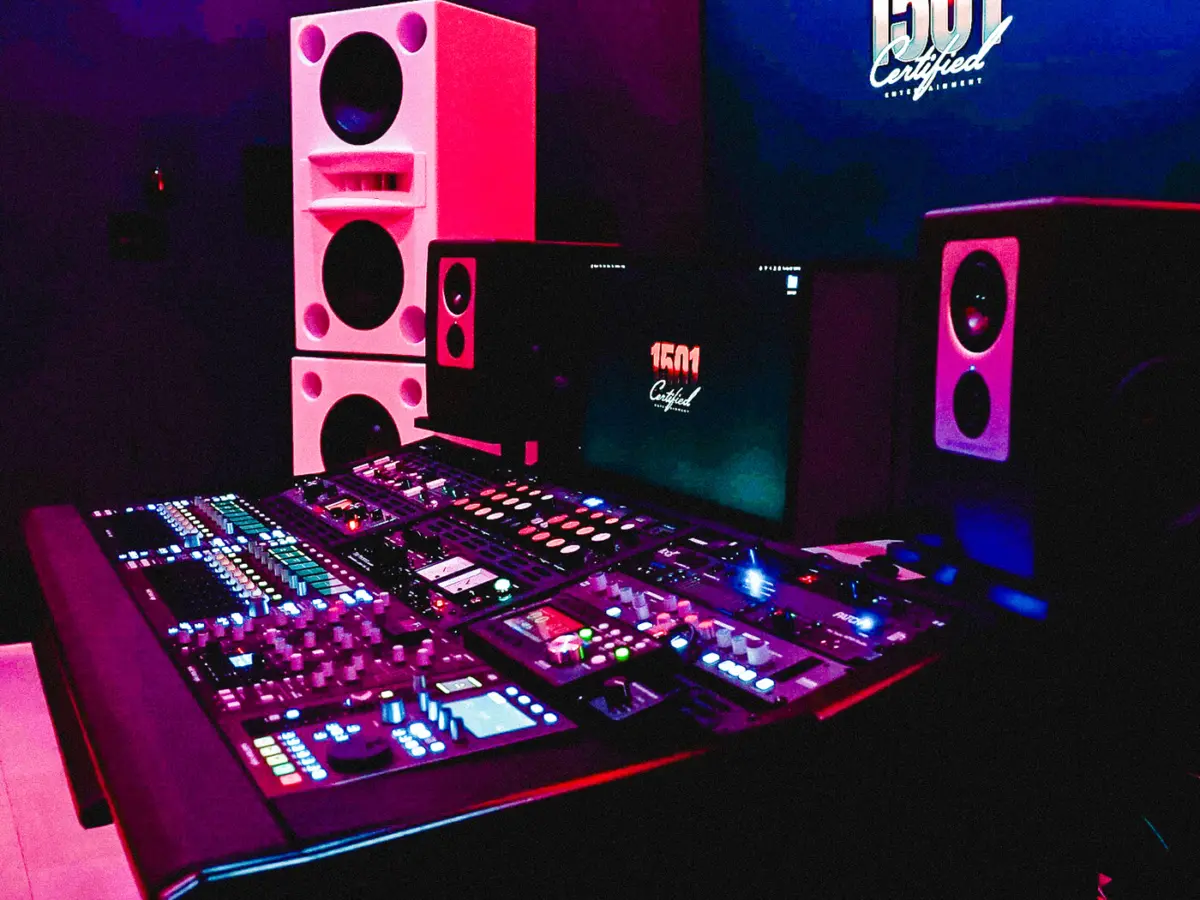
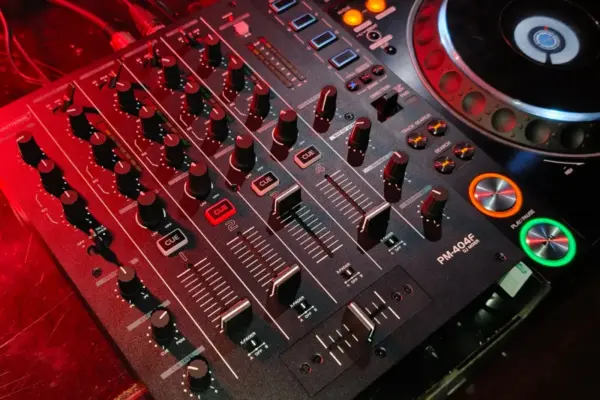
Parallel to the corporate restructuring, Crawford and his project manager, Jarrod “Lacemode” Lacy, embarked on a two-year construction odyssey to build a world-class creative campus in Acres Homes—Crawford’s home turf. Overcoming supply chain hurdles, contractor shifts, and unexpected expenditures, the duo finalized Studio 1501. Outfitted with bespoke acoustic treatments, custom Augspurger monitors, and a holistic lifestyle layout, the studio officially opened its doors to redefine how Houston artists develop their sound.
Supporting Context & Metrics: The Anatomy of Studio 1501
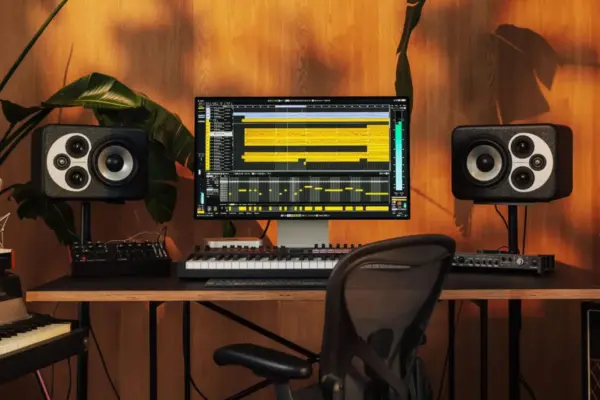
Building a recording studio in the mid-2020s requires confronting a fundamental industry shift: the rise of the "bedroom producer." With high-powered laptops, affordable interfaces, and algorithmic distribution, thousands of artists record hit songs in spare bedrooms. Yet Crawford remains steadfast in his belief that physical, high-end environments yield superior, enduring art.
+-------------------------------------------------------------------+
                   STUDIO 1501 ECOSYSTEM INFRASTRUCTURE
+-------------------------------------------------------------------+
 |
 +---> Recording & Tracking Booths (Fitted with custom acoustics)
 |
 +---> Mixing & Mastering Control Room (Anchored by Augspurger Duo12Vs)
 |
 +---> Networking & Content Creation Hub (Designed for influencer synergy)
 |
 +---> Fitness & Wellness Spaces (Physical conditioning for artists)
 |
 +---> Executive Meeting Rooms (Long-term business and branding strategy)
The Architecture of Accountability
Studio 1501 was conceptualized not merely as a room with expensive microphones, but as a comprehensive ecosystem. Located in Acres Homes to keep it directly anchored in the community that raised Crawford, the facility moves away from the traditional, isolated recording box model.
The Vision: A complete creative campus.
Amenities: Alongside traditional tracking and mixing spaces, the facility includes workout areas, content creation zones, and meeting rooms.
Philosophy: Artist development does not stop when the red recording light turns off. Crawford believes physical health, mental clarity, and networking capabilities are just as crucial to an artist’s longevity as a good vocal take.
Acoustical Engineering and Gear Highlights
The aesthetic appeal of Studio 1501—featuring custom lighting, fog glass doors, and luxury recliners designed to immediately shift an artist’s psychological state—is backed by serious heavy-duty gear:
Monitoring Systems: The Crown Jewel of the control room is a custom set of Augspurger Duo12V monitors paired with Sub212s. Selected under the insistence of J Lacy, these speakers offer uncompromising clarity and low-end accuracy.
Room Tuning: Dave Malekpour, President of Augspurger, personally collaborated on the final speaker placement and room tuning to optimize acoustic performance.
Future Ambitions: Crawford has expressed a desire to expand the hardware ecosystem by incorporating live instruments—drums, keyboards, guitars, and strings—to encourage organic, live-band energy during writing sessions.
Official Statements & Insights from Carl Crawford
In an in-depth interview regarding his transition from professional sports to music executive and studio owner, Crawford opened up about the philosophies guiding his next chapter.
On Athletic Discipline vs. Music Production
"Baseball taught me discipline, consistency, preparation, and how to recognise that ‘it factor.’ Talent will get you noticed, but discipline is what keeps you around. I carried that same mentality into music. You have to show up every day, put the work in, and understand that success doesn’t happen overnight. Sports also taught me how to build a team. You need the right producers, engineers, A&Rs, management, creatives, and artists all working toward the same goal."
On Scouting and Artist Authenticity
"I’m looking for authenticity before anything else. Everybody can rap and make music now, but can you make people believe you? Do you have your own identity? Can I hear you on one record and immediately know it’s you? Work ethic is just as important as talent. I’ve seen artists with less talent outwork everybody else and become stars."
On Bedroom Studios vs. Professional Facilities
"For me, it goes back to preparation. I want my artists practising and writing wherever they are. Come up with ideas at home. Record demos if you need to. But when it’s time to make the record, it’s game time. I want them prepared before they walk into the studio because that’s where you’re working with producers, engineers, and other artists at the highest level. Can a bedroom record become a hit? Absolutely… but I spent way too much money building this studio to send out a record made in a bedroom."
On Public Perception and Social Media
"I’ve learned to stay hands-on with my company. I check in with my artists more. It’s important not to make emotional decisions or react on impulse, especially in this business. I’ve learned to expect the unexpected. Probably the biggest lesson was understanding the power of social media. I went from being viewed as a hometown hero and World Series champion to becoming one of the most talked-about people in hip-hop almost overnight. Whether people agreed with me or not, I learned that perception moves fast online."
"I’ve spent years rebuilding parts of my public image while continuing to build the business. Now I’m much more intentional about what I say, what I post, and how I move. Every decision has an impact, and that’s something I understand a lot better today."
Future Outlook
As Studio 1501 opens its doors for its next chapter, Carl Crawford stands at an intriguing crossroads. The hurdles of the past—ranging from multi-million-dollar legal disputes to intense public scrutiny—have not broken his entrepreneurial spirit; rather, they have forged a more calculated, mature executive.
The strategy moving forward is clear: rebuild the label’s roster from the ground up with a renewed emphasis on work ethic, authenticity, and holistic artist development. By offering local Houston talent access to a world-class facility equipped with elite Augspurger monitoring, creative workspaces, and wellness amenities, Crawford is bridging the gap between grassroots hustle and corporate longevity.
In many ways, Crawford is playing the long game once again. Just as he once stood in the outfield waiting for the ball to drop into his glove with practiced precision, he is now waiting for the next wave of hip-hop greats to step up to the plate at Studio 1501—fully prepared for whatever comes next.