Executive Overview
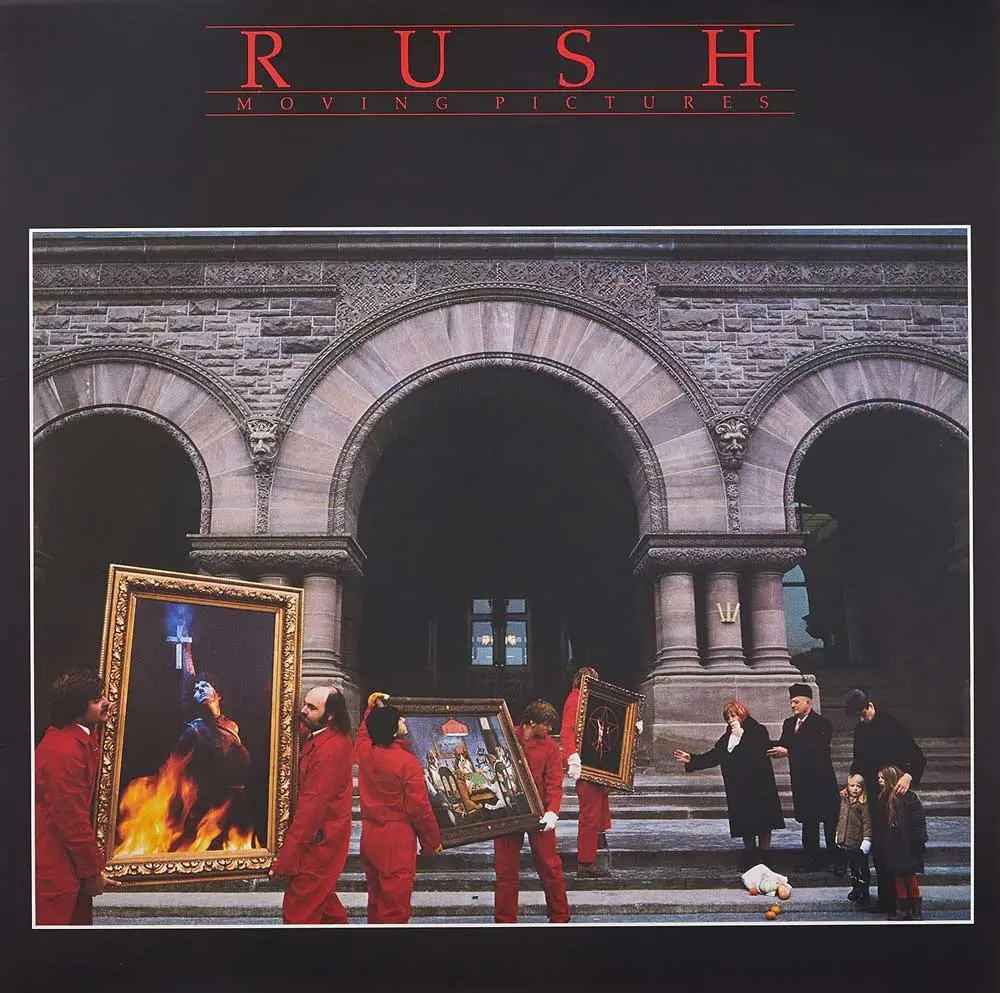
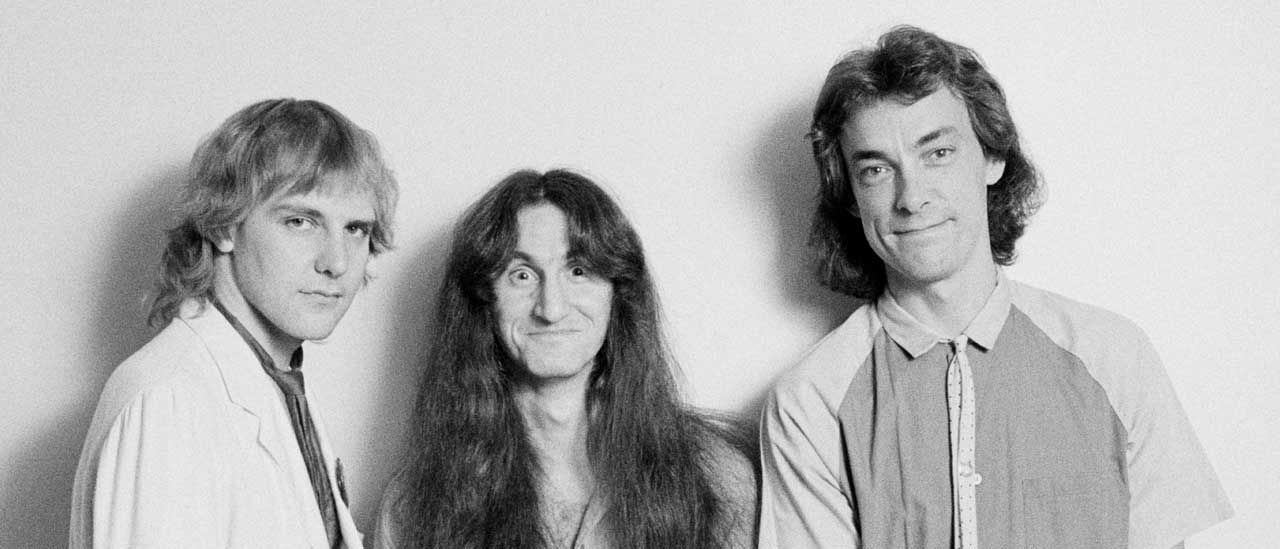
In February 1981, Canadian rock trio Rush—bassist/vocalist Geddy Lee, guitarist Alex Lifeson, and drummer/lyricist Neil Peart—released Moving Pictures, an album that would permanently alter the landscape of progressive rock and mainstream rock music. Serving as the band’s eighth studio recording, the album represented a synthesis of high-concept technical virtuosity and accessible, radio-friendly songwriting. Moving Pictures demonstrated that a power trio could preserve complex time signatures, philosophical lyrical narratives, and intricate instrumental arrangements while yielding massive commercial success.
Recent archival reviews and retrospective evaluations by music publications, alongside fan community metrics from the Album of the Week Club, confirm the record’s enduring status as a benchmark in rock history. Securing a community aggregate score of 9.14 out of 10 across 142 panel votes (accumulating 1,298 total points), Moving Pictures continues to be heralded as the pinnacle of Rush’s discography. This exhaustive report examines the recording history, technical architecture, critical metrics, and cultural legacy of an album that continues to resonate across generations of musicians and listeners.
Detailed Chronology: From Quebec Sessions to Mainstream Superstardom
+----------------------------------------------------------------------------------+
|                              MOVING PICTURES TIMELINE                            |
+----------------------------------------------------------------------------------+
|  1976–1978   | Era of High-Prog Epics (2112, A Farewell to Kings, Hemispheres)  |
|  Jan 1980    | Permanent Waves released; transition to shorter compositions     |
|  Aug–Nov 1980| Writing & Pre-production at Timberkirk & Le Studio               |
|  Nov–Dec 1980| Five months of recording/mixing at Le Studio (Morin-Heights, QC)  |
|  Feb 12, 1981| Official release of Moving Pictures; global chart success         |
|  2010–2011   | Time Machine Tour: Album performed live in its entirety in full  |
+----------------------------------------------------------------------------------+
The Shift in Sound (1979–1980)
Throughout the late 1970s, Rush built a formidable reputation on side-long conceptual sagas and complex extended suites, exemplified by 1976’s 2112 and 1978’s Hemispheres. However, as the decade turned, the band recognized the need to adapt without sacrificing musical integrity. The release of Permanent Waves in January 1980 signaled the beginning of this evolution, introducing concise arrangements and incorporating subtle New Wave influences.
By late 1980, the band members, all in their late twenties (aged 27 and 28), converged on rural Quebec to craft their next effort.
The Le Studio Sessions (Late 1980 – Early 1981)
The band spent five grueling months writing, recording, and mixing at the secluded Le Studio in Morin-Heights, Quebec, alongside co-producer Terry Brown. The sessions were demanding, marked by precise sound engineering and meticulous attention to tone.
                                  [SIDE A]
                  +-----------------------------------+
                  |  1. Tom Sawyer           (4:34)   |
                  |  2. Red Barchetta        (6:10)   |
                  |  3. YYZ                  (4:26)   |
                  |  4. Limelight            (4:20)   |
                  +-----------------------------------+
                                    |
                                    v
                                  [SIDE B]
                  +-----------------------------------+
                  |  5. The Camera Eye      (11:01)   |
                  |  6. Witch Hunt           (4:36)   |
                  |  7. Vital Signs          (4:47)   |
                  +-----------------------------------+
Side One: The Golden Standard of Rock Songwriting
- "Tom Sawyer": Conceived with co-lyricist Pye DuBois, the album opener posed severe production hurdles. Balancing the low-end frequency of Geddy Lee’s Oberheim OB-X synthesizer with Alex Lifeson’s heavy guitar riffing required extended mixing adjustments. Lifeson’s soaring guitar solo and Neil Peart’s iconic, polyrhythmic drum fills were captured after numerous takes, eventually coalescing into the band’s definitive signature track.
- "Red Barchetta": Inspired by Richard S. Foster’s short story A Nice Morning Drive, the track was recorded largely live off the floor. It seamlessly mapped a futuristic narrative of illicit motoring onto cinematic, shifting musical movements.
- "YYZ": Derived from the Morse code signal for Toronto Pearson International Airport (
-.-- / -.-- / --..), the rhythm was adapted into a $5/4$ time signature instrumental showcase, highlighting synchronized bass-and-guitar unison lines and Peart’s percussive precision. - "Limelight": Designed as an autobiographical reflection on fame, privacy, and isolation, the track featured melodic hard-rock riffing balanced by one of Lifeson’s most expressive guitar solos.
Side Two: Progressive Exploration Meets Modern Textures
- "The Camera Eye": Clocking in at 11 minutes, this composition served as the band’s final grand-scale epic of the era. Inspired by author John Dos Passos, the track offered a musical travelogue contrasting the urban rhythms of New York City and London.
- "Witch Hunt (Part III of ‘Fear’)": Opening with mob chatter recorded in the freezing outdoor air outside Le Studio, the track utilized atmospheric synthesis, menacing guitar chords, and brooding percussion to deliver a stark warning against mass paranoia and groupthink.
- "Vital Signs": Positioned as the album closer, the song introduced heavy syncopation, reggae-esque guitar rhythms, and sequenced synthesis. This track provided a direct stylistic blueprint for Rush’s mid-1980s synth-driven era, culminating in 1982’s Signals.
Supporting Context & Metrics
The critical and commercial impact of Moving Pictures stands out within 20th-century rock discographies. Upon release, the album reached No. 3 on the Billboard 200 chart and went on to earn quadruple-platinum certification in the United States, selling over four million copies domestically.
Critical Consensus Evaluation Matrix
| Source / Publication | Primary Analytical Focus | Key Critical Insights |
|---|---|---|
| Rolling Stone | Songwriting & Efficiency | Praised the band’s ability to compress high-prog ambition into four-minute, radio-ready frameworks without compromising technical virtuosity. |
| AllMusic | Stylistic Diversity | Highlighted "Witch Hunt" and "Vital Signs" as visionary compositions that successfully merged New Wave, reggae, and progressive metal. |
| Pitchfork | Cultural Significance | Recognized "Tom Sawyer" as a cultural manifesto, commending its seamless blend of analog synthesizer technology and heavy guitar performance. |
Fan Panel Data & Review Distribution
An analysis of the Album of the Week Club survey data underscores the album’s universal acclaim across diverse listener profiles:
- Total Votes Cast: 142
- Cumulative Score Point Total: 1,298
- Weighted Aggregate Score: 9.14 / 10
- Statistical Distribution: Over 85% of participants awarded the album a score of 9.0 or higher, with unanimous praise focused on the flawless sequencing of Side A.
       [ALBUM OF THE WEEK CLUB - VOTING DISTRIBUTION]

  10/10  |========================================= (72%)
   9/10  |======== (15%)
   8/10  |==== (8%)
  <=7/10 |== (5%)
         +-----------------------------------------
Official Statements & Historical Reflections
Reflecting on the grueling production process and the unprecedented commercial breakthrough that followed, the band members and contemporary music critics have provided candid context regarding the album’s creation.
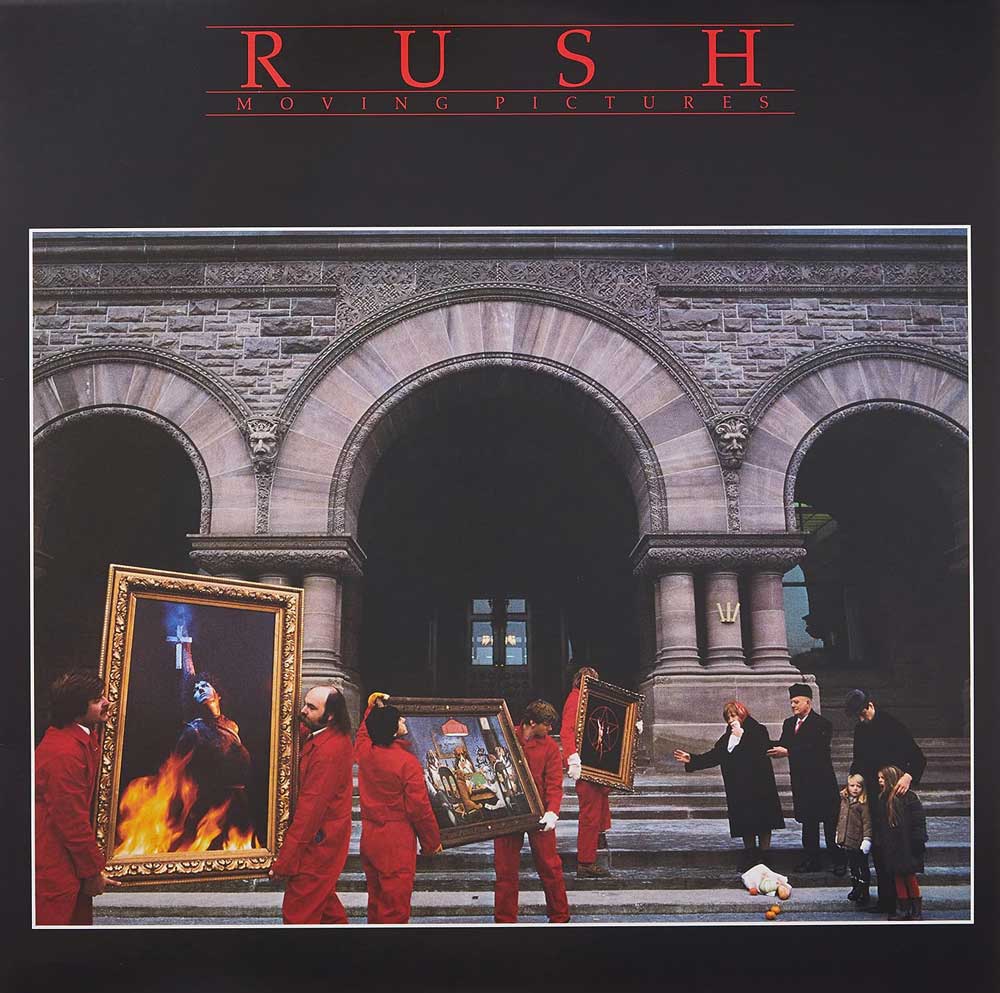
In an archival conversation with Prog Magazine, bassist and frontman Geddy Lee detailed the intense atmosphere surrounding the Quebec sessions:
"Moving Pictures was such a huge record for us. That level of success was like nothing we had ever experienced before. But we had a lot of ‘moments’ with that record—it was a tough one to finish.
Two songs came together pretty smoothly: ‘Limelight’ and ‘Red Barchetta’, which was such a great thing to play live, off the floor. ‘Tom Sawyer’ was the opposite, a late bloomer. We had so much trouble getting the guitar solos down and balancing the bottom end. But after a lot of struggling, we nailed it, and it was so powerful. We were going, ‘Shit, where did that come from?’"
Retrospective reviews from panel critics further contextualize the album’s place in history:

- On the Cultural Endurance of the Music: "To write a manifesto is folly; songs become manifestos. Such is the case with ‘Tom Sawyer’. Rush’s signature song embraces technology without succumbing to its dazzle." — Pitchfork Retrospective Analysis
- On Technical Execution: "Geddy Lee, Alex Lifeson, and Neil Peart peaked with this 1981 release… Geddy Lee’s ability to lay down rich, complex bass parts while singing and triggering keyboard pedals simultaneously live remains astounding." — Album of the Week Panel Retrospective
Future Outlook & Cultural Legacy
Decades after its 1981 release, Moving Pictures remains a foundational text in rock music history. The album’s impact extends far beyond its initial chart success, continuing to influence new generations of progressive rock, heavy metal, and alternative musicians.
+----------------------------------------------------------------------------------+
|                            ENDURING CULTURAL IMPACT                              |
+----------------------------------------------------------------------------------+
|  1. Production Blueprint  | Audio standard for mixing hard rock and analog synths|
|  2. Live Milestone       | Performed in full on 2010–2011 Time Machine Tour     |
|  3. Media Integration    | Featured extensively in cinema, TV, and video games  |
|  4. Lyrical Relevance    | Themes of fame, technology, and isolation endure     |
+----------------------------------------------------------------------------------+- The Production Standard: The engineering achieved at Le Studio by Rush and Terry Brown established an industry standard for combining high-volume guitar work with analog synthesizers. Sound engineers continue to cite the album’s low-end balancing as a masterclass in mix architecture.
- The "Time Machine" Revival: In 2010 and 2011, Rush embarked on the Time Machine Tour, where they performed Moving Pictures live in its entirety for the first time in their history. The tour reaffirmed the album’s stage sustainability, proving that compositions like "The Camera Eye" and "Vital Signs" retained their modern edge.
- Lyrical and Thematic Foresight: Neil Peart’s lyrics across tracks like "Limelight" (examining the parasocial dynamics between public figures and admirers) and "Witch Hunt" (warning against manipulation via fear) have grown increasingly relevant in the era of digital media and social networks.
- Permanent Canonization: Whether measured by sales metrics, critical acclaim, or community retrospective voting, Moving Pictures stands as a peak artistic achievement. It bridged the gap between complex progressive rock and mainstream rock, earning a permanent place in the pantheon of modern music history.