Executive Overview
For decades, the standard 33 1/3 rpm 12-inch long-playing vinyl record has served as the gold standard for artistic expression in popular music. Since Columbia Records first introduced the format in the late 1940s—swiftly superseding the brittle, heavy, single-song 10-inch 78 rpm discs—musicians and producers have grappled with the structural architecture of the album. While cultural lore often dictates that a masterpiece must be an unbroken chain of sonic brilliance, music history reveals a more nuanced reality.
Enter the "duff track"—that awkward, experimental, or seemingly misplaced song residing quietly on an otherwise revered record. Far from being accidental errors or lapses in judgment, these flawed tracks are essential components of musical history. They provide dynamic contrast, fuel decades of impassioned pub debates, and establish the very narrative tension that makes a great album memorable.
This deep dive investigates the cultural significance of the album’s weakest link, examining legendary misfires by The Beatles, David Bowie, Lou Reed, The Fall, and others. We explore how imperfection elevates art, why uniformity can drain a record of its character, and what these controversial tracks reveal about the creative psychology of rock’s greatest architects.
Detailed Chronology: The Evolution of the Long-Player and Its Discontents
The Golden Age and The Fab Four Blueprint
The evolution of the album format underwent its most radical metamorphosis in the hands of The Beatles during the early 1960s. Prior to their cultural dominance, albums were largely collections of radio-friendly hit singles padded out with uninspired cover versions and instrumental filler. The Fab Four transformed this paradigm, turning the long-player into an elevated art form. The progression from Rubber Soul to Revolver, culminating in the undisputed "Big Daddy" of modern conceptual art, Sgt. Pepper’s Lonely Hearts Club Band, effectively invented the modern album-as-experience.
However, in their relentless pursuit of innovation, The Beatles inadvertently pioneered another enduring tradition: the divisive "duff track" on an otherwise immaculate record.
Take, for instance, George Harrison’s sitar-heavy epic, "Within You Without You," housed on Sgt. Pepper. For years, purists and casual listeners alike viewed the track as a jarring speed bump interrupting the album’s psychedelic flow. Similarly, Harrison’s melodic masterwork "Something" faced generational friction; detractors complained that his nasal, melancholic delivery marred what they felt should have been a pristine vocal showcase for a powerhouse interpreter like Shirley Bassey. Yet, time has proven that these polarizing choices gave the Beatles’ catalog its human texture. Without friction, there is no friction-burn of genius.
David Bowie and the Art of the Strategic Misfire
If The Beatles established the template, David Bowie perfected the strategic deployment of the questionable track. Bowie’s early-70s run yielded what many consider the definition of a "perfect album" in Hunky Dory. Yet, even among devoted fans, tracks like "Eight-line Poem" or the vaudevillian cover "Fill Your Heart" often induce polarizing reactions.
Bowie’s penchant for inserting questionable material reached its zenith on The Rise and Fall of Ziggy Stardust and the Spiders from Mars. Lurking at the tail end of side one is "It Ain’t Easy," a Ron Davies cover that critics and fans have debated for over half a century. While defenders argue that the track acts as a crucial narrative breather within the sci-fi rock opera, the logical counter-argument remains: given the sheer volume of unstoppable, career-defining bangers Bowie was effortlessly churning out at the time, could he not have tried just a bit harder?
Yet, removing "It Ain’t Easy" would fundamentally alter the listening experience. The duff track acts as shade in a painting, giving the bright neon highlights room to glow.
Lou Reed, The Velvets, and Interchangeable Imperfections
No artist leaned into the aesthetic of the flawed track quite like Lou Reed, both solo and with The Velvet Underground. Consider the Velvets’ masterwork Loaded, an album so balanced that its weakest tracks practically feel interchangeable, particularly on side two. For many listeners, "I Found a Reason" once held the crown of the album’s misfire—until repeated listens revealed the sheer lyrical audacity of Lou singing about "walking hand in hand with myself." Later, the mantle shifted to "Lonesome Cowboy Bill," a breezy narrative once erroneously mythologized as a high-concept tribute to William S. Burroughs, only to be unmasked as a lighthearted throwaway about a cowboy named Bill.
Lou’s solo career is a masterclass in challenging audience expectations. From "Wagon Wheel" on Transformer to "A Gift" on Coney Island Baby, "Disco Mystic" on The Bells, and "Leave Me Alone" on Street Hassle, Reed actively courted listener alienation. Purists might even point to avant-garde experiments like "Lady Godiva’s Operation" (White Light/White Heat) or "The Murder Mystery" (The Velvet Underground) as deliberate structural roadblocks. These tracks are testaments to an artist’s refusal to pander, ensuring that the listener must earn the right to enjoy the hooks.
Post-Punk Eccentricity and The Fall
Moving into the post-punk era, master iconoclasts like Mark E. Smith of The Fall understood the strategic placement of musical speed bumps better than almost anyone. Smith was a musical trainspotter who weaponized dissonance.
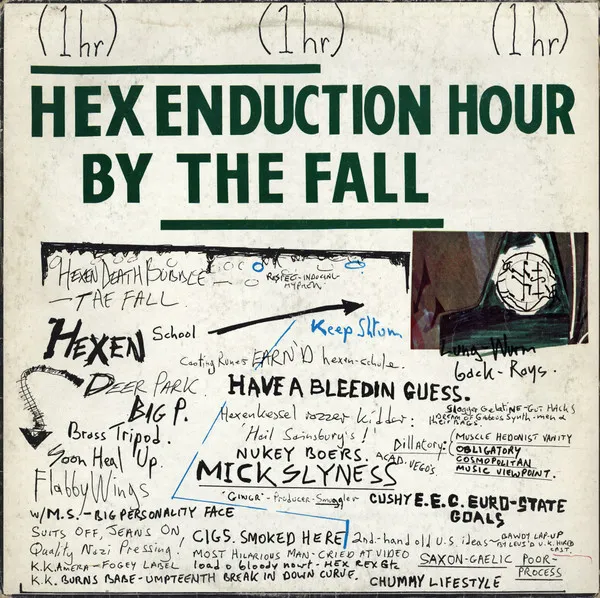
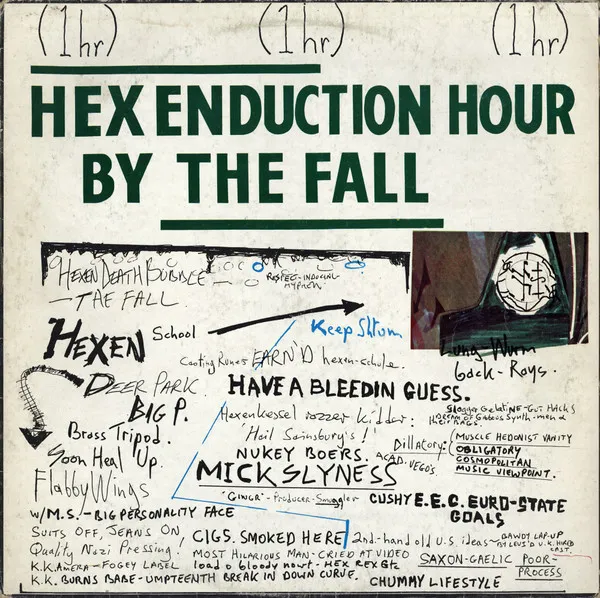
On the classic 1980 album Grotesque (After the Fact), the track "W.M.C. Blob 59" wears its experimental awkwardness proudly in the title alone. Meanwhile, Hex Enduction Hour features "And This Day," a slab of relentless, monotonous industrial-concrete hangover that tests the patience of even the most dedicated Fall fan. These tracks are not accidental; they are protective armor, keeping casual listeners at bay while rewarding the initiated with a badge of endurance.
Supporting Context & Metrics: The Psychology of the Flawed Masterpiece
Why do we cling so tightly to the flaws in our favorite records? Cultural analysts and musicologists point to several psychological and structural factors:
- The Narrative Arc and Pacing: An album is an emotional journey. If every track is a soaring, radio-ready anthem (the "all killer, no filler" philosophy), ear fatigue sets in quickly. Dynamic range requires valleys just as much as it requires peaks.
- The Social Currency of Critique: Music fandom is fundamentally communal. Debating the worst track on an otherwise legendary album—such as picking apart the weak links on The Beatles’ White Album—generates engagement, nostalgia, and passionate discourse that uniform perfection rarely inspires.
- The Authenticity Paradox: Flaws prove human authorship. In an era increasingly dominated by algorithmic perfection and polished streaming playlists, the unpolished, awkward track reminds us that real people made the art, complete with eccentricities and misfires.
Official Industry Perspectives and Conceptual Extremes
The debate over the necessity of the duff track has even drawn the attention of avant-garde conceptualists and radical producers.
The late, legendary indie producer Steve Albini once pondered a radical thought experiment during the pre-internet physical downloading era: Instead of pressing an album containing a mix of brilliant songs and necessary compromises, why not take a single 12-inch vinyl record and press the exact same masterpiece track on it fourteen times?
While Albini’s proposition appeals to purists seeking pure, unadulterated optimization, it ultimately strips away the narrative journey. As cultural commentators note, even if you populated an album with twelve consecutive iterations of David Bowie’s "Starman," you would still intuitively crave an awkward placeholder like "It Ain’t Easy" to make the journey worthwhile. The imperfection provides the context that validates the genius.
Future Outlook: The Playlist Era and the Survival of the Album Journey
As the music industry continues its migration toward streaming platforms, individualized playlists, and algorithmic shuffle modes, the traditional album format faces an existential crossroads. Listeners can now curate their own personal sonic universes, effortlessly excising every single duff track, historical misfire, and avant-garde experiment from their listening habits.
Yet, this hyper-curation risks losing the narrative texture of music history. The enduring appeal of vinyl revivals and full-length album listening parties suggests a growing counter-movement: a collective desire to experience art on the artist’s terms, warts and all.
As long as musicians continue to take bold creative risks, push boundaries, and occasionally misfire, the duff track will remain an indispensable feature of the musical landscape. It reminds us that true greatness is rarely a straight line—it is a winding, unpredictable road full of surprising turns, challenging detours, and unforgettable imperfections.