Executive Overview
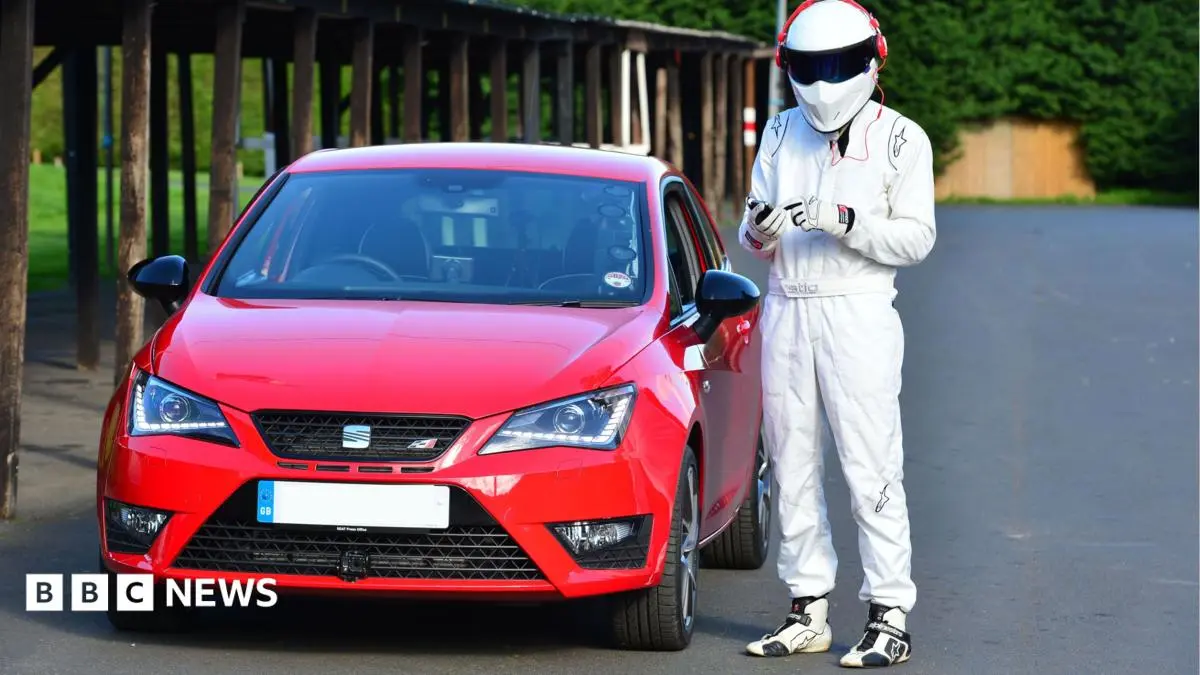
Nearly two years after the high-profile accident involving former co-host Andrew "Freddie" Flintoff that brought the BBC’s crown-jewel motoring franchise to an abrupt and indefinite halt, the British Broadcasting Corporation has officially confirmed that Top Gear is returning to television screens.
Speaking at the prestigious Edinburgh TV Festival on Thursday, the BBC’s Director of Entertainment, Ed Havard, broke the long silence surrounding the show’s future. While addressing media speculation, industry insiders, and anxious fans alike, Havard delivered the definitive confirmation: "There has been a lot of speculation about this and we can confirm that Top Gear is coming back."
The announcement marks a pivotal turning point for one of the most successful and culturally influential factual entertainment formats in television history. Originating in 1977 as a straightforward, regional motoring magazine show, Top Gear evolved over nearly five decades into a global powerhouse, broadcast to over 200 territories worldwide and commanding a massive, multi-demographic audience. However, the path to this revival has been fraught with unprecedented challenges, profound safety reckonings, and sensitive corporate negotiations.
While Havard’s confirmation has ignited immediate excitement across the automotive and entertainment landscapes, the BBC remains tight-lipped regarding the creative direction, format adjustments, and—most crucially—the personnel who will step behind the wheel. When pressed about prospective presenters, including comedian Jimmy Carr and rugby star-turned-reality television personality Joe Marler, Havard remained intentionally guarded: "I’m not going to talk about talent today."
This comprehensive report examines the structural anatomy of the Top Gear revival, the legacy of the franchise, the terrifying catalyst that led to its suspension, and the road ahead as the BBC attempts to resurrect its most lucrative motoring institution.
Detailed Chronology: From Golden Eras to the Brink of Cancellation
To understand the magnitude of the BBC’s decision to bring back Top Gear, one must trace the winding and often turbulent timeline of the brand. Its history is divided into distinct eras defined by shifting cultural mores, monumental commercial successes, and catastrophic off-screen crises.
The Genesis and the Golden Age (1977–2015)
For the first two decades of its existence, Top Gear was a traditional, albeit respected, regional consumer advice show focusing on car reviews, road safety, and motoring laws. It was not until the format was entirely reimagined in 2002 by executive producer Andy Wilman and presenter Jeremy Clarkson that the show transformed into the global juggernaut we recognize today.
Pairing Clarkson with Richard Hammond, and later welcoming James May in 2003, the trio injected irreverent humor, cinematic production values, highly competitive challenges, and unbridled camaraderie into the motoring genre. This "Golden Era" turned the presenters into global superstars and generated astronomical revenues for BBC Worldwide through international syndication, merchandise, live arena tours, and print publications.
However, the Clarkson-led era was perpetually dogged by controversy, culminating in March 2015 when the BBC decided not to renew Clarkson’s contract following an unprovoked physical altercation with a producer. Hammond and May subsequently departed alongside Wilman, launching a mass exodus that left the BBC facing the daunting task of reinventing a format inextricably linked to its departing hosts.
The Transitional Era and the Flintoff Resurgence (2016–2022)
In the wake of the original trio’s departure, the BBC attempted several revamps. Radio broadcaster Chris Evans took the helm for a critically panned single series in 2016 before stepping down. He was succeeded by a more stable pairing of Matt LeBlanc, Chris Harris, and Rory Reid, which gradually stabilized viewing figures.
By 2018, the BBC struck gold once more by assembling a fresh, synergistic trio: cricket legend Andrew "Freddie" Flintoff, comedian Paddy McGuinness, and automotive journalist Chris Harris. This lineup successfully recaptured the buoyant chemistry of the Clarkson era, winning over skeptical audiences and breathing new life into the franchise across multiple critically acclaimed series.
The Catastrophic Accident and Indefinite Suspension (December 2022)
The momentum came to a shuddering halt on December 13, 2022. While filming a high-speed segment for the show at the BBC’s Dunsfold Park aerodrome test track in Surrey, Freddie Flintoff and a co-driver were involved in a severe crash.
Flintoff was driving an open-top, three-wheeled Morgan Super 3 sports car when the vehicle flipped over. Unlike conventional cars equipped with roll cages and safety cells, the Morgan Super 3 offered limited protection, resulting in horrific injuries to the former England cricket captain.
In the aftermath, the BBC launched an internal health and safety investigation. By March 2023, the corporation announced that it had decided to rest the show for the foreseeable future, stating that it would be "inappropriate" to continue production under the circumstances. Subsequent independent health and safety reviews commissioned by the BBC highlighted critical systemic shortcomings in production protocols, forcing the corporation to overhaul its entire approach to high-risk stunt filming.
Supporting Context & Metrics: The Anatomy of a Global Brand
The financial and cultural stakes of the Top Gear revival cannot be overstated. Before its suspension, the franchise was a cornerstone of the BBC’s commercial and public service portfolios.
Economic Impact and Viewer Demographics
During its peak years under Clarkson, Hammond, and May, Top Gear was estimated to generate upwards of £50 million annually for BBC Worldwide. While viewership figures shifted with the fragmentation of linear television in the late 2010s and early 2020s, the Flintoff-McGuinness-Harris era regularly commanded consolidated audiences in excess of 4.5 to 5 million viewers per episode in the UK alone, outperforming many primetime drama slots on rival commercial networks.
Internationally, the brand licensed local versions of the format to countries including the United States, China, South Korea, France, and Italy. The digital footprint was equally staggering: the official YouTube channel accumulated over 10 million subscribers and billions of cumulative views, serving as a vital funnel for younger demographics who rarely consumed traditional television.
The Human Toll: Unpacking the Dunsfold Crash
The financial metrics, however, must be contextualized against the human cost of the production. The severity of Flintoff’s accident became starkly apparent when the star detailed his ordeal in a Disney+ documentary released last year.
Flintoff described being dragged face-down underneath the Morgan Super 3 car for approximately 50 meters along the tarmac. "I thought I was dead," he confessed in the documentary, offering a harrowing glimpse into the terrifying reality of the crash.
The physical and psychological trauma led to a protracted recovery process for Flintoff, who suffered facial injuries, broken ribs, and severe psychological distress. The BBC formally apologized to Flintoff and subsequently reached a financial settlement, reportedly valued at £9 million, settled out of court through BBC Studios. The incident served as a watershed moment for the British television industry, triggering intense scrutiny regarding the duty of care owed to talent participating in hazardous stunts.
Official Statements and Industry Reactions
The confirmation delivered by Ed Havard at the Edinburgh TV Festival has sent ripples through the British media landscape. By officially acknowledging that the show is returning, the BBC has signaled its confidence in the franchise’s ability to reinvent itself once more—albeit within a vastly different regulatory and safety framework.
Ed Havard’s Edinburgh Address
While Havard’s primary announcement was unequivocal—"Top Gear is coming back"—his careful deflection regarding the hosting lineup underscored the delicate nature of the production’s current phase.
"There has been a lot of speculation about this and we can confirm that Top Gear is coming back. I'm not going to talk about talent today... Jimmy would be a great host but I won't be discussing that today. We will have more information on Top Gear shortly."
— Ed Havard, BBC Director of Entertainment
The mention of comedian Jimmy Carr reflects industry rumors that the BBC is exploring a more comedic, studio-centric approach, potentially pivoting away from the high-risk, death-defying vehicular stunts that defined the previous eras. Carr, known for his acerbic wit and sharp delivery, would represent a distinct tonal shift from the sports-and-pub-lad camaraderie of Flintoff and McGuinness.
The Rumor Mill: Joe Marler and Beyond
Adding fuel to the speculation fire are reports connecting England rugby star and Celebrity Traitors breakout personality Joe Marler to the potential presenting lineup. Marler’s larger-than-life personality, unvarnished humor, and physical presence mirror the populist appeal that made Flintoff such a natural fit for the role.
Industry analysts suggest that the BBC is likely to adopt a multi-host ensemble model once again, balancing automotive journalism expertise with mainstream comedic and entertainment talent. Names such as Chris Harris—who remains closely tied to the motoring world and has maintained a cordial relationship with the BBC—are also rumored to be in discussions for a potential advisory or core presenting role, ensuring continuity for purist fans of the show’s car-testing credentials.
Future Outlook: Navigating a Post-Flintoff Automotive Landscape
As the BBC prepares to roll cameras on a new era of Top Gear, the production team faces a series of monumental challenges and existential questions. The television landscape has changed dramatically since the show was suspended in late 2022, and the motoring world itself is undergoing a generational transformation.
1. The Safety Paradigm Shift
First and foremost, the resurrected Top Gear will operate under an entirely new governance model regarding health, safety, and stunt execution. The independent reviews ordered after the Flintoff crash have imposed rigorous oversight protocols on BBC factual entertainment productions. The days of spontaneous, high-risk vehicular challenges filmed without exhaustive risk mitigations are definitively over. The new series must find ways to deliver adrenaline-fueled entertainment without compromising the physical safety of its presenters and crew.
2. The Electric Transition
The automotive industry is in the midst of the most profound technological revolution since the invention of the internal combustion engine. The rapid transition toward electric vehicles (EVs), autonomous driving software, and sustainable synthetic fuels presents both a challenge and an opportunity for a motoring show.
Historically, Top Gear thrived on the visceral roar of supercharged V8 engines, burning rubber, and petrol-head romanticism. Translating that high-octane theatricality to a fleet of silent, torque-heavy electric hypercars will require considerable creative ingenuity from the incoming production team.
3. The Digital and Streaming Imperative
Linear television viewing figures continue to decline among the core demographics that historically drove Top Gear’s success. To survive and thrive, the revived franchise must be designed from the ground up as a cross-platform ecosystem. Seamlessly integrating linear broadcast slots on BBC One or BBC Two with high-engagement digital content on BBC iPlayer, YouTube, TikTok, and global streaming partnerships will be essential for capturing a younger, globally dispersed audience.
Conclusion
The return of Top Gear is much more than the revival of a television show; it is the reactivation of a cultural institution. By confirming its comeback, the BBC has demonstrated its belief in the enduring resilience of the brand. However, the ghost of the Dunsfold crash will loom large over the production.
As the BBC prepares to announce the official presenting lineup and release further production details in the coming weeks, all eyes will be on how the corporation balances the high-octane expectations of millions of fans with a renewed, unshakeable commitment to safety and modern relevance. One thing is certain: the wheel is turning once again, and the journey ahead will be closely watched by the entire entertainment world.