Executive Overview
As cinematic landscapes continue to grapple with the seismic psychological shifts left in the wake of the 21st century’s early crises, visionary director Sir Ridley Scott returns with The Dog Stars, a haunting exploration of survival, isolation, and precarious hope. Slated for release in UK cinemas on August 28, the film weaves a sobering narrative against a backdrop that feels uncomfortably close to home. Set in the 2030s, the story unfolds in a world decimated by a hyper-lethal flu, leaving behind only an isolated fraction of humanity who possess natural immunity.
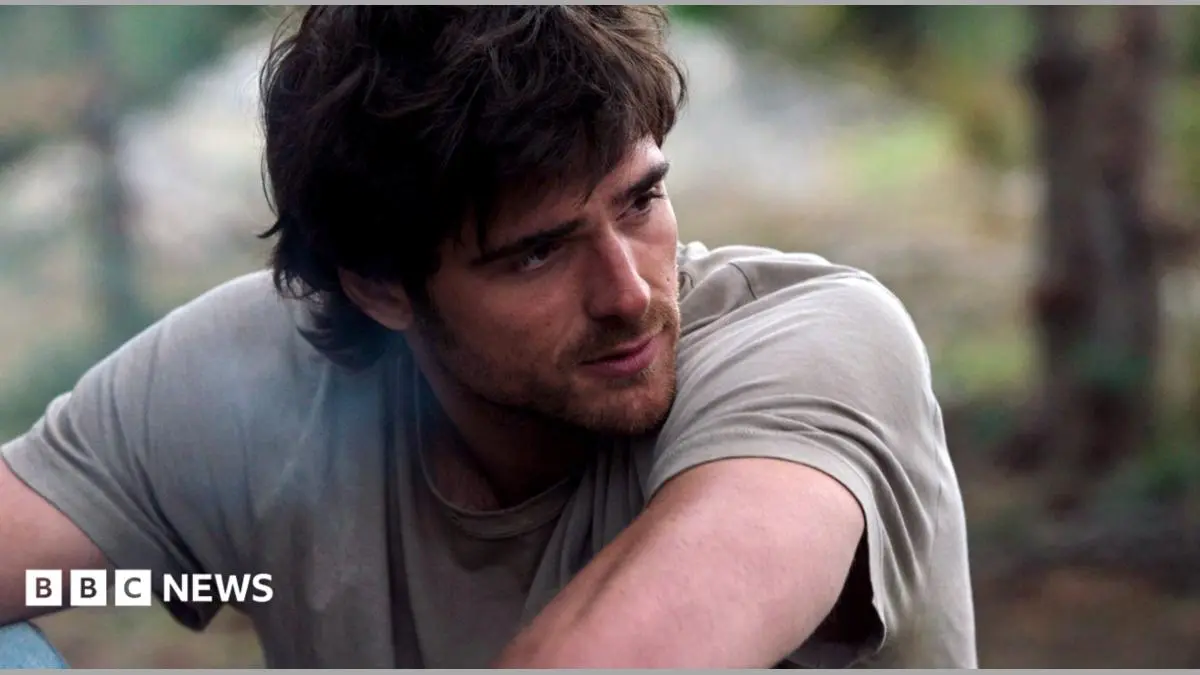
Featuring a star-studded ensemble cast including Jacob Elordi, Guy Pearce, Margaret Qualley, and Josh Brolin, The Dog Stars immediately evokes the harrowing memories of the global COVID-19 pandemic. Its cinematic DNA is steeped in aerial vistas of desolate metropolises, protracted hunts for dwindling resources like medical supplies and non-perishable food, and a pervasive atmosphere of psychological claustrophobia. Yet, beneath its post-apocalyptic veneer, the project serves as a deeply personal vehicle for its cast and director, drawing directly from lived traumas, historical catastrophes, and the fragile nature of modern civilization.
Critical reception has been notably polarized, reflecting the film’s deliberate, meditative pacing and its thematic ambitions. While reviewers debate whether the movie successfully bridges the gap between survivalist thriller and existential drama, the creative forces behind the camera maintain that the film’s true value lies in its mirror-like reflection of our current societal vulnerabilities. From the scorching, wildfire-scarred landscapes that mirror the climate anxieties of modern Australia to the foundational memories of wartime deprivation shared by its veteran director, The Dog Stars is more than mere science fiction—it is a timely cautionary tale about the thin veneer of human order.
Detailed Chronology and Narrative Framework
The narrative architecture of The Dog Stars pivots around Hig, a survivor whose daily existence is a monotonous, high-stakes routine of scavenging and maintaining vigil against unseen threats. The plot accelerates when Pops—played by veteran actor Guy Pearce—crash-lands his erratic aircraft near Hig’s fortified homestead. This unexpected collision of two isolated lives shatters the protagonist’s solitary equilibrium, forcing a reluctant partnership built on mutual survival and deep-seated existential exhaustion.
The Genesis of a Modern Apocalypse
Director Sir Ridley Scott has noted that the thematic blueprint of the film is a hybrid creation, drawing inspiration both from the contemporary trauma of the COVID-19 pandemic and the socio-economic destabilization of the 2008 global financial crisis.
"If you put those two together, you’ve got a great combination of chaos," Scott remarks. "If you have chaos, you get panic and anarchy, and away you go."
This methodical layering of systemic collapse is mirrored in the film’s visual language. The hauntingly familiar aerial sequences of abandoned urban centers evoke the eerie quietude of global lockdowns, instantly grounding the speculative fiction in a reality audiences understand all too well. The production design deliberately avoids the polished sheen of traditional blockbuster sci-fi, favoring a raw, weathered aesthetic where infrastructure is crumbling and nature is violently reclaiming its territory.
The Theatrical Release and Early Industry Response
As the film prepares for its August 28 UK theatrical window, the cinematic community has engaged in a vigorous debate regarding its execution. Early reviews highlight a distinct divergence in how audiences and critics interpret Scott’s directorial choices.
- The Critics’ Verdict: Benjamin Lee of The Guardian offered a three-star critique, classifying the film as a "limp and lethargic" entry that occasionally frustrates viewers by withholding clear narrative resolutions. Conversely, David Rooney of The Hollywood Reporter adopted a more favorable stance, praising the project as a "muted but never dull" experience that offers an "appealingly mellow watch" despite its grim subject matter.
- Thematic Ambition vs. Execution: Empire’s Helen O’Hara awarded the film two stars, noting that while the narrative valiantly attempts to dissect the chasm between merely surviving and genuinely thriving, it occasionally stumbles under the weight of its own philosophical questions. Meanwhile, Tim Robey of The Telegraph granted three stars, drawing attention to the film’s sporadic action sequences—which he described as "more nonsensical than scary"—noting that they inject necessary bursts of energy into Scott’s campfire apocalypse.
Despite the mixed critical consensus, the film’s journey from page to screen represents a monumental collaboration between Hollywood royalty and contemporary cinematic icons, anchored by Elordi’s career-defining transition into large-scale dramatic filmmaking.
Supporting Context & Metrics: Environmental Parallels and Real-World Trauma
One of the most striking elements of The Dog Stars is its visceral depiction of an environment ravaged by ecological collapse. The film features sweeping vistas of scorched earth, cracked riverbeds, and ashen horizons—imagery that bears an unsettling resemblance to the aftermath of severe wildfires seen across the globe in recent years. This visual motif is not merely a stylistic choice; it represents a convergence of the filmmakers’ personal histories and escalating global climate realities.
Geographic and Personal Resonance
Both Ridley Scott and leading man Jacob Elordi share a profound connection to the Australian landscape, a region that has borne the brunt of catastrophic bushfires and extreme weather anomalies over the past decade.
- Guy Pearce’s Perspective: Having previously collaborated with Scott on the 2012 sci-fi epic Prometheus, Pearce brought a mature, reflective gravity to his role as Pops. Raised in Australia—with his home state of Victoria suffering severe ecological damage earlier this year—Pearce views the film’s environmental commentary as an urgent reality check.
"I’ve been in Australia when there’s been serious bushfires," Pearce notes. "All around the world now, there’s just more and more effects of climate change, so it’s pretty terrifying that a lot of those things are not far away."
- Jacob Elordi’s Counter-Narrative of Regrowth: Hailing from Brisbane, Elordi offers a nuanced counterweight to the bleakness of the setting. While acknowledging the terror of climate disasters, he points out that the film intentionally incorporates moments of ecological resilience. He highlights scenes set four or five years after humanity’s nadir, where lush expanses of greenery, thick grass, and wildflowers sprout directly out of decaying ruins.
"It’s an idea of regrowth—that in this abyss… the trees are full, the grass is thick, and the flowers are growing out of the decay," Elordi observes. He relates this cinematic visual to the natural cycles of real-world wildfires, emphasizing that nature inevitably rebuilds itself even after total devastation.
The Psychology of Abundance and Modern Discontent
Beyond physical survival, The Dog Stars probes the psychological malaise of modern existence. Elordi, who earned critical acclaim and his first Oscar nomination earlier this year for his work in Frankenstein, finds a deep personal resonance in his character’s internal struggle to achieve genuine contentment.
In a modern society characterized by material abundance, the actor reflects on the strange paradox of human neurosis:
"Everything is sweet for us—we’re able to walk around on the street, go to the shops, go to the park, have dinner with each other, and we still go to bed and think, ‘What else is there?’, ‘What am I missing?’, ‘What’s wrong?’—and nothing is."
Pearce echoes this sentiment, acknowledging the immense privilege embedded in daily routines that billions of people across the globe are systematically denied. By contrasting the trivial anxieties of contemporary life with the life-or-death calculus of a post-flu world, the film forces viewers to re-evaluate what they take for granted—from basic access to supermarkets to the simple comfort of waking up beside family.
Official Statements and Production Insights
The production of The Dog Stars was marked by a profound sense of historical irony and generational reverence. Bringing together a cast of rising modern talent and veteran cinematic titans created a unique dynamic on set, particularly as the cast navigated fictional simulations of global catastrophe while living in the shadow of recent historical trauma.
Directorial Reflections on Historical Apocalypses
For Sir Ridley Scott, whose cinematic career spans decades of defining modern science fiction (Alien, Blade Runner, Gladiator), constructing a virus-stricken world was informed by memories far more foundational than the recent COVID-19 pandemic.
"I was a war baby, so I can remember incendiary bombs dropping on me, and we’d have to shelter under the stairs," Scott recalls, reflecting on his childhood during the Second World War. "So the Second World War to me was apocalyptic."
This personal familiarity with systemic societal breakdown allowed Scott to imbue The Dog Stars with an authentic sense of dread. Rather than relying purely on CGI spectacle or hollow genre tropes, the director leaned into the psychological nuances of isolation, paranoia, and the fragility of human empathy under duress.
Jacob Elordi on Overcoming Creative Apprehension
Despite his rapidly ascending star power and recent critical accolades, Jacob Elordi admitted to harboring initial reservations about stepping into the realm of high-budget, action-heavy studio filmmaking. The 29-year-old actor confessed to a baseline apprehension regarding "large movies and things packed with action set pieces."
However, any hesitation was immediately placated by the opportunity to work alongside Scott, whom Elordi reveres as an industry pioneer.
"I would have done any movie he sent through for me to make," Elordi states. "It’s a privilege to get to work with a pioneer of our industry in my lifetime—it’s kind of unfathomable."
Describing his time on set, Elordi noted the surreal nature of performing make-believe quarantine scenarios while the real-world implications of global health crises and environmental degradation lingered just beyond the perimeter of the studio lot.
"There were a few moments I remember looking around and thinking it’s strange to be doing this make-believe, when the reality is just behind us and just in front of us," he reflects.
Future Outlook
As The Dog Stars prepares to make its theatrical debut in the UK on August 28, its cultural footprint extends far beyond traditional box-office projections. The film arrives at a critical juncture in cinematic history, where audiences are increasingly demanding narratives that bridge high-concept entertainment with genuine philosophical inquiry.
Critical Legacy and Audience Reception
While early reviews suggest that the film will continue to divide critics regarding its pacing and narrative delivery, its overarching significance remains secure. By refusing to offer easy Hollywood resolutions or comforting moral binaries, Scott and his creative team have crafted a work that invites prolonged debate. Whether viewed as a meditative character study disguised as a survival thriller or as an urgent environmental warning, the film challenges viewers to examine their own relationship with the natural world and civil societal structures.
The Path Forward for Post-Apocalyptic Cinema
The Dog Stars signals a potential evolution in the post-apocalyptic genre. Moving away from the hyper-stylized, action-heavy nihilism that characterized much of late-20th-century sci-fi, modern narratives are increasingly turning inward. They focus on the psychological toll of isolation, the ethics of resource distribution, and the delicate interplay between human anxiety and ecological recovery.
As climate change accelerates and the memory of global health emergencies recedes into the history books, films like The Dog Stars serve as vital cultural touchstones. They remind us that the abyss is never as far away as we might hope—yet, much like the wildflowers breaking through the ash in Scott’s visionary landscape, the capacity for human endurance and ecological renewal remains stubbornly, beautifully persistent.