Executive Overview
In the early hours of Sunday, August 30, what was intended to be a night of community, electronic music, and unbridled joy turned into an unimaginable nightmare. A peaceful, underground-style techno rave held at a horse-racing track in Aarau—located just outside Switzerland’s financial capital of Zurich—was violently disrupted by gunfire. The targeted attack resulted in the tragic death of 22-year-old Italian national Maria Spinelli and left five other attendees nursing injuries ranging from minor cuts to critical, life-threatening trauma.
Following a high-stakes, 24-hour manhunt that mobilized regional and national law enforcement agencies, Aarau cantonal police successfully apprehended a 43-year-old male suspect in the early hours of Monday, August 31. The swift arrest brought a brief sigh of relief to a shaken local community and a devastated electronic music scene, yet left profound psychological scars across the continent’s tight-knit rave culture.
Switzerland, globally recognized for its remarkably low violent crime rates, stringent gun ownership traditions, and reputation as a sanctuary of safety and stability, has been left reeling by the incident. Mass shootings or targeted acts of gun violence at cultural and musical gatherings are exceptionally rare within Swiss borders. This unprecedented breach of security at an electronic music event has instantly ignited urgent nationwide conversations regarding public safety, private event security, the oversight of temporary venues, and the psychological vulnerabilities inherent in open-air public gatherings.
This in-depth investigative report examines the chronology of the tragic events at the Aarau horse-racing track, reviews the official statements issued by authorities and event organizers, analyzes the broader sociological impact on Switzerland’s cultural landscape, and explores the systemic changes likely to emerge in the wake of this national tragedy.
Detailed Chronology of the Incident
To fully understand the gravity of the assault, law enforcement and investigative journalists have pieced together a precise timeline of the events that transpired on the night of August 30 and into the morning of August 31.
Saturday, August 29 – Sunday, August 30: The Gathering
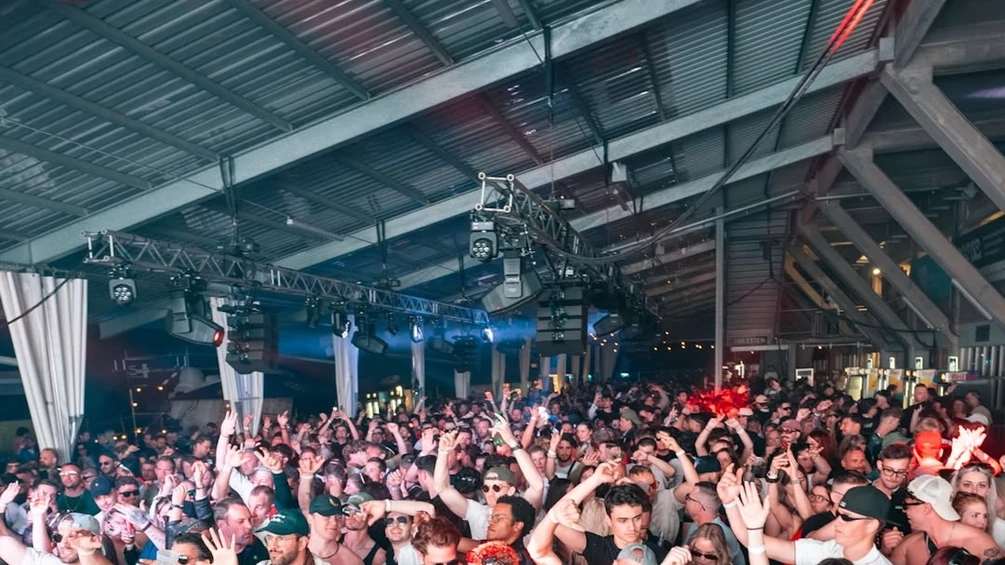
The event, organized by the prominent local collective known as Aarauer Rave, had been heavily promoted within regional underground dance music circles. Choosing the historic Aarau horse-racing track (Schachen) as the venue, organizers aimed to provide an immersive, open-air industrial techno experience. Hundreds of enthusiastic music lovers, largely consisting of young adults in their early twenties, gathered at the location to celebrate the late-summer weekend.
Atmospheric reports from attendees depict a vibrant, peaceful environment. The production featured professional lighting rigs, heavy bass sound systems, and a communal atmosphere characteristic of modern European rave culture—a space historically designed as an inclusive countercultural haven free from judgment and hostility.
2:30 AM (Local Time): The Sound of Gunshots
As the night reached its peak energy levels around 2:30 AM on Sunday, August 30, absolute chaos erupted near the central dance floor area. According to preliminary findings released by the Aarau cantonal police and corroborating reports from the BBC, a lone armed individual bypassed or breached the perimeter security, drew a firearm, and opened indiscriminate fire into the crowd.
Witness accounts describe an initial moment of utter confusion. Amidst the deafening percussion of heavy techno basslines, many attendees initially mistook the sharp cracks of gunfire for pyrotechnics, special effects, or speaker distortion. Within seconds, however, the horrifying reality set in as people dropped to the ground, screamed, and scrambled desperately toward emergency exits and perimeter fences.
The gunman reportedly fired multiple rounds before fleeing the scene into the surrounding darkness, leaving behind a chaotic scene of panic, injury, and profound shock.
The Immediate Aftermath and Emergency Response
First responders—including multiple units of the Aarau cantonal police, paramedics, and emergency medical technicians—arrived at the horse-racing track within minutes of the initial emergency calls. Triage stations were immediately established outside the venue perimeter to treat the wounded.
Tragically, 22-year-old Maria Spinelli, an Italian citizen visiting or residing in the region, sustained fatal wounds during the shooting. Despite the rapid intervention of medical personnel on-site, she succumbed to her injuries at the scene.
Five other individuals—four men and one woman, ranging in age from 24 to 27—suffered varying degrees of gunshot wounds. Emergency medical services rushed the victims to nearby hospitals. Their injuries spanned a terrifying spectrum: while some victims suffered localized tissue damage and non-life-threatening trauma requiring immediate surgical intervention, others were admitted to intensive care units in critical condition.
The 24-Hour Manhunt: August 30 – August 31
With the perpetrator at large, the Aarau cantonal police launched an immediate, multi-jurisdictional manhunt. Security cordons were established around the Aarau region, public transport hubs were monitored, and specialized tactical units were deployed to track down the armed suspect.
The operation involved extensive forensic sweeps of the horse-racing track, the gathering of digital and physical evidence, and the urgent processing of eyewitness testimonies. Police leadership appealed to the public for dashcam footage, mobile phone videos, and any identifying details that could lead to the gunman.
The intensive pressure yielded results in the early hours of Monday, August 31. Aarau police confirmed that a 43-year-old man had been successfully identified, located, and arrested without immediate reports of further bloodshed. The suspect was taken into custody for formal interrogation, marking the conclusion of an intensely stressful 24 hours for Swiss security forces.
Supporting Context & Metrics: Crime, Culture, and Security in Switzerland
The Rarity of Gun Violence in Switzerland
To appreciate the national shock caused by the Aarau rave shooting, one must examine Switzerland’s unique relationship with firearms and public safety. Switzerland maintains one of the highest per-capita rates of civilian gun ownership in the world, largely driven by its historic militia-based national defense system, where citizen-soldiers keep government-issued rifles at home.
However, despite widespread firearm ownership, Switzerland boasts exceptionally low rates of violent street crime and mass shootings. According to data from the United Nations Office on Drugs and Crime (UNODC) and Swiss federal statistical agencies, homicides involving firearms are statistically rare occurrences. Public mass shootings—particularly targeting unprovoked crowds at cultural or music events—are virtually unprecedented in modern Swiss history. Consequently, the incident in Aarau has challenged deep-seated societal assumptions regarding everyday safety and public security.
The Rise and Culture of Aarauer Rave
Electronic music culture in Switzerland has experienced a vibrant renaissance over the past decade. Collectives like Aarauer Rave have worked diligently to legitimize underground dance music, transforming it from illicit warehouse parties into professionally managed cultural happenings that contribute positively to the local economy and social fabric.
Raves and electronic music festivals in Central Europe pride themselves on fostering environments of radical inclusion, peace, and mutual respect. The ethos of the global techno community is historically rooted in anti-violence and escapism. When an act of senseless violence penetrates this sanctuary, it strikes a devastating blow to the collective psychological safety of the community, turning a space intended for healing and release into a crime scene.
Official Statements and Community Reactions
The tragedy immediately elicited emotional responses from local authorities, federal representatives, and international music communities.
The Voice of the Organizers
Hours after the shooting, Aarauer Rave utilized their official Instagram Stories to address the catastrophe. The statement, which was rapidly translated and shared globally across electronic music platforms such as Resident Advisor, conveyed deep sorrow and disbelief:
"The vicious attack on the guests of the Aarauer Rave has broken our hearts," the organizers stated. "A rave should always be a place of joy and love. Never a place where people are killed, injured, and left in fear."
The collective extended their deepest sympathies to the victims and their families, explicitly mentioning their profound grief for Maria Spinelli and the injured attendees. Furthermore, the organizers expressed their unreserved cooperation with law enforcement:
"Our thoughts are with the victims and their families and friends. We offer our sincere condolences. Our thanks go to the police and emergency services. As organizers, we will do everything in our power to support the police in their work."
Law Enforcement and Political Response
Aarau cantonal police representatives maintained a measured, highly professional communication stance throughout the 24-hour manhunt. While withholding specific details regarding the suspect’s identity, motive, and background to preserve the integrity of the ongoing judicial investigation, police officials emphasized that public safety remained their utmost priority.
Local political figures in the Aargau canton expressed their profound shock, extending condolences to the family of Maria Spinelli and vowing to provide psychological support services to the survivors and witnesses who experienced the trauma firsthand.
Future Outlook and Systemic Implications
As the dust settles on the immediate aftermath of the August 30 tragedy, the Swiss electronic music and event-planning industries face an intense period of self-reflection and regulatory scrutiny. Several critical questions and structural changes are expected to shape the future of nightlife in Switzerland:
1. Overhaul of Private Event Security Protocols
Historically, open-air underground raves and alternative music gatherings in temporary venues have relied on lightweight security measures—often prioritizing community self-policing, friendly door staff, and low-profile barrier management over rigorous access control. The Aarau shooting serves as a grim wake-up call. Moving forward, municipal authorities and licensing boards are expected to demand enhanced security frameworks, including professionalized private security personnel, bag checks, perimeter fencing, and emergency communication protocols for all public gatherings, regardless of their countercultural or underground aesthetic.
2. The Question of Motive and Mental Health
As the 43-year-old suspect undergoes formal interrogation and psychological evaluation by Swiss judicial authorities, the central question remains: What was the motive? Investigators will probe deeply into whether the shooter had a personal grievance against specific attendees, organizers, or staff, or if the act was an instance of random, indiscriminate violence driven by acute psychological distress. The outcome of these psychological evaluations will heavily influence Swiss political debates concerning threat assessments, mental health interventions, and the tracking of at-risk individuals.
3. International Repercussions for Tourism and Cultural Exchange
With the fatality being an Italian national, the incident has drawn international diplomatic attention. Switzerland has long marketed itself as a premier, ultra-safe destination for international tourists, digital nomads, and cultural travelers. Incidents of this magnitude, while isolated, risk casting a shadow over Switzerland’s pristine safety reputation. Italian consular officials are reportedly working closely with Swiss authorities to support the repatriation of Maria Spinelli’s remains and to assist her grieving family.
4. Healing the Scene
Ultimately, the electronic music community in Aarau and across Switzerland faces a long, painful road toward emotional recovery. Vigils, memorial fundraising campaigns, and community support circles are already being organized by fellow DJs, promoters, and ravers to honor the memory of Maria Spinelli. The overarching sentiment within the community is one of defiance against fear: while security measures will inevitably change forever, artists and organizers remain resolute in their belief that music must continue to serve as a beacon of unity and resilience against senseless tragedy.