Executive Overview
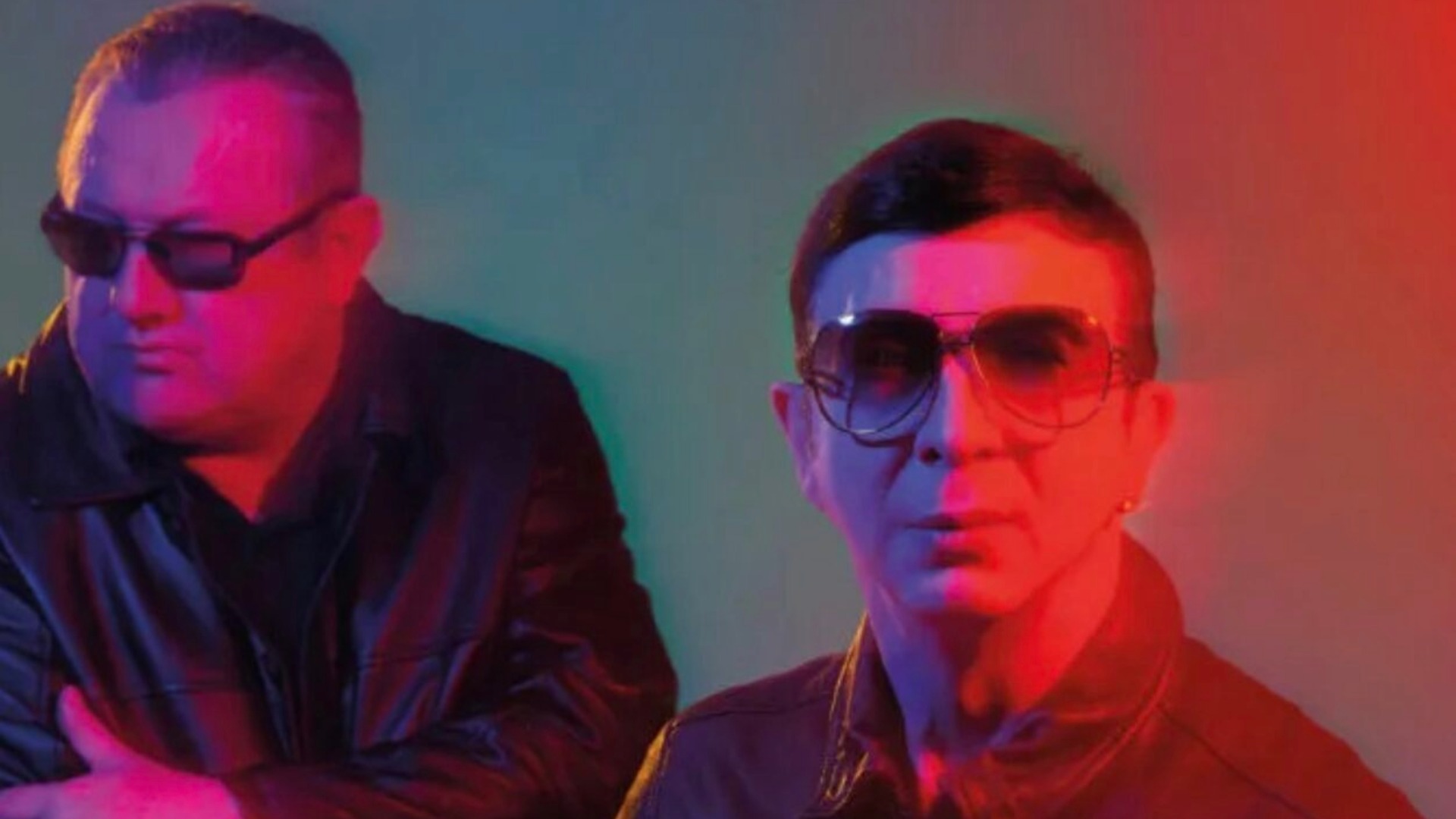
Electronic pop pioneers Soft Cell have offered a poignant glimpse into their final chapter with the release of their latest single, “The Rainbow Room.” The brooding, mid-tempo track serves as another evocative preview of their upcoming, highly anticipated final studio album, Danceteria, slated for release on September 25.
The upcoming album carries profound emotional weight for both the band’s remaining members and their global fanbase. Danceteria represents not only the definitive closing statement of Soft Cell’s storied career, but also a poignant monument to the late Dave Ball. The legendary synthesizer player and co-founder passed away last year at the age of 66, tragically dying just days after putting the finishing touches on the record.
For frontman Marc Almond, this final body of work is a bittersweet celebration of the formative years that shaped the duo both creatively and personally. As Almond has unequivocally confirmed, Danceteria will mark the absolute end of the road for new studio material. Without Ball, the architecture of Soft Cell simply cannot exist.
This comprehensive report explores the genesis of “The Rainbow Room,” the nostalgic pull of New York City’s 1980s underground scene, the tragic passing of Dave Ball, and what Danceteria means for the enduring legacy of one of synth-pop’s most influential acts.
Detailed Chronology: From 1980s New York to the Final Masterpiece
To fully appreciate the narrative weight of Danceteria and its precursor singles, one must trace the winding trajectory of Soft Cell across four decades of musical innovation.
The Crucible of New York City
Long before they became household names via era-defining synth-pop anthems, Almond and Ball were navigating the gritty, vibrant, and experimental landscape of early-1980s New York City. During this formative era, the duo spent significant time in Manhattan, absorbing the sights, sounds, and hedonistic counterculture of the metropolis. It was an environment that deeply influenced their artistic sensibilities.
New York provided the raw material for their earliest albums and served as the backdrop for their meteoric rise to chart-topping success. Decades later, as Almond and Ball reunited in the studio to construct what would become their swan song, those indelible memories of Manhattan’s nocturnal underworld flooded back.
The Post-Comeback Era
Soft Cell’s journey back to the studio in recent years surprised and delighted critics and loyalists alike. Following their triumphant 2022 comeback record, *Happiness Not Included, the duo leaned into a renewed creative synergy. This momentum carried forward into the companion piece *Happiness Now Completed, re-establishing their distinct sonic footprint in the modern electronic landscape.
Building upon this creative renaissance, the pair set to work on what they knew would be their definitive final studio project: Danceteria. Capturing the spirit of the legendary Manhattan nightclub and the era that birthed it, the album gradually took shape over months of meticulous studio craft.
The Tragic Loss of Dave Ball
As the recording sessions for Danceteria wrapped up, joy quickly turned to profound sorrow. Dave Ball completed his monumental work on the album, only to pass away just days later at the age of 66. His death sent shockwaves through the global music community, robbing the electronic music world of an architectural genius who helped define the dark, cinematic texture of synth-pop.
Yet, Ball left behind a parting gift of extraordinary magnitude. By finishing Danceteria before his passing, he ensured that Soft Cell’s final artistic statement would be delivered entirely on their own terms—uncompromised, deeply personal, and brilliantly executed.
Supporting Context & Metrics: The Anatomy of Danceteria
Danceteria is structured as a 14-track odyssey through memory, mood, and electronic mastery. The album bridges the gap between the sleek, modern production values of the 21st century and the shadowy, decadent atmosphere of the 1980s club scene that originally forged the band’s identity.
The Singles Leading the Charge
Before the unveiling of “The Rainbow Room,” Soft Cell rolled out a carefully curated series of teasers that established the sonic palette of the album:
- “The Space Inside”: An escapist pop anthem that showcased the duo’s knack for blending infectious rhythm with introspective lyricism.
- “In Heaven (When I Dance With You)”: A second taste of the album that delivered atmospheric textures and danceable melancholy.
- “Danceteria” (Title Track): The pulsating centerpiece of the campaign, serving as an explicit homage to the iconic venue and the era of uninhibited nocturnal exploration.
Tracklist Analysis
The complete 14-track running order of Danceteria reveals a thematic journey through the highs and lows of urban nightlife, introspection, and socio-political observation:
- Elusive
- Danceteria
- The Space Inside
- Times Square
- Two Of A Kind
- The Rainbow Room
- In Heaven (When I Dance With You)
- Decadence Is Hard Work
- Crackland
- What Is Your Morality
- Losing Yourself
- After Hours
- Wave To America
- Out Come The Freaks
Formats and Availability
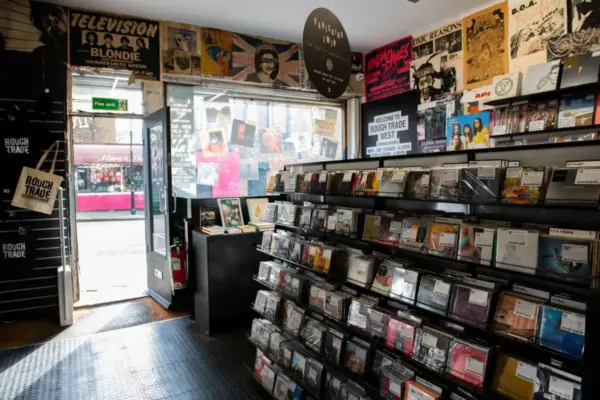
Anticipation for the September 25 release has triggered massive demand across major physical and digital retailers. Fans have rushed to secure pre-orders through primary outlets, including Amazon, HMV, Rough Trade, and Townsend Music, reflecting the historic significance of the release.
Official Statements and Industry Reflections
The gravity of Soft Cell’s impending farewell has drawn profound reflections from Marc Almond, who has spoken candidly about the emotional toll and artistic finality of the project.
Marc Almond on Dave Ball and the New Era
Reflecting on the overarching theme of Danceteria and the deep bond he shared with his late bandmate, Almond offered a deeply moving assessment:
"The period we spent in New York shaped us both as artists and people. To celebrate this period is a fitting farewell to Dave Ball and the final Soft Cell studio album."
The process of bringing the album to life was uniquely tied to their shared history. However, the physical and creative reality of Ball’s passing means that Soft Cell, as a recording entity, has officially reached its terminal point. Almond was unequivocal when addressing the prospect of future music:
"There can be no more recordings of Soft Cell without Dave, it would not be possible. The sad reality is that Dave Ball was half of Soft Cell, and live work aside, I can’t write Soft Cell songs without him."
This definitive boundary emphasizes the sacred nature of their partnership. While live performances in the future may honor the band’s vast catalog, the studio door is now firmly and permanently closed.
Future Outlook: Cementing an Immortal Legacy
As the September 25 release date for Danceteria approaches, the music world prepares to bid a formal farewell to one of the most daring and influential partnerships in pop history.
From their groundbreaking 1981 chart-conquering rendition of “Tainted Love” to the cinematic, reflective soundscapes of Danceteria, Soft Cell consistently defied conventional pop boundaries. They brought the shadows into the mainstream, infusing electronic music with theatricality, grit, and uncompromised artistic integrity.
“The Rainbow Room” and its accompanying tracks ensure that this final chapter will not be marked solely by grief, but by a vibrant commemoration of creativity. Dave Ball’s final musical arrangements stand as a testament to his genius, while Marc Almond’s vocals carry the weight of a lifetime of shared memories.
When Danceteria finally hits shelves and streaming platforms, it will do more than close out a legendary discography—it will immortalize the unique, irreplaceable alchemy of Marc Almond and Dave Ball, ensuring that the spirit of Soft Cell echoes through the corridors of electronic music history forever.