Throughout human history, the boundary between the sanctuary of the home and the perils of the outside world has been fortified by more than just locks, mortar, and timber. Across epochs and continents, societies have turned to the occult, mysticism, and folk magic to safeguard their dwellings, gardens, and inhabitants. While modern sensibilities often relegate these practices to the realm of superstition or folklore, recent interdisciplinary research by historians, archaeologists, and anthropologists reveals a persistent, universal human impulse: the use of magical architecture, protective plants, mystical symbols, and apotropaic objects to alleviate anxiety and secure a psychological sense of safety.
From the fire-scarred towns of early modern Europe—where combustible timber homes fostered a pervasive terror of "incendiary witchcraft"—to the protective geomancy of imperial China and the folk traditions of the British Isles, domestic magic has served as a low-key form of supernatural self-defence. This comprehensive investigation explores the multifaceted visual culture of spells, illusions, and protective talismans. By examining historical grimoires, archaeological finds, and contemporary revivals, we uncover how physical environments have long been charged with invisible defenses, offering insights into the enduring human quest to tame misfortune and restore order to a chaotic world.
Detailed Chronology: The Evolution of Domestic Protection
The deployment of magical defenses within residential spaces is not a localized anomaly but a deeply rooted historical practice spanning millennia. Tracing its trajectory reveals how shifting societal anxieties manifested in physical rituals.
[Antiquity & Medieval Era]
  └── Demon tiles and masonry guides used in China to ward off evil spirits.
[1533 – Early Modern Europe]
  └── Incidents like the Schiltach fire outbreak cement fears of "incendiary witchcraft," focusing domestic magic on chimneys and hearths.
[17th – 18th Century]
  └── Culpeper’s "Complete Herbal" codifies botanical defenses; grimoires outline star symbols in mortar; witch bottles peak in popularity across Europe.
[19th – Early 20th Century]
  └── Hag stones, bibles under pillows, and circled crosses on Irish farm walls remain commonplace measures against nightmares and fairies.
[Contemporary Era]
  └── Modern esoteric practitioners and gardeners revive ancient traditions, such as rowan trees and hag stones, bridging historic anxieties with modern psychological comfort.
The Crucible of Early Modern Europe (1500s–1700s)
The early modern era in Europe was marked by an acute vulnerability to natural disasters, epidemics, and fires. In 1533, the harrowing destruction of the German town of Schiltach—widely attributed by contemporaries to "incendiary witchcraft" and fire-starting demons—crystallized a terrifying reality: homes were catastrophically combustible.
This period saw the intensification of apotropaic (evil-repelling) magic concentrated around domestic vulnerabilities, specifically chimneys and hearths, which served as portals between the domestic interior and the unpredictable outdoors. Grimoires—magical instructional manuals such as the 1622 Booke of Experiments housed in Oxford’s Bodleian Library—provided explicit blueprints for inscribing protective stars and geometric symbols into mortar and timber to repel hostile forces and overcome enemies.
The Industrial Transition and Folklore (1800s–1900s)
Even as the scientific revolution advanced, everyday reliance on protective magic persisted well into the 19th and early 20th centuries. Across rural Britain and Ireland, households routinely deployed physical talismans. Sleeping with a Bible under the pillow, hanging naturally perforated "hag stones" from bedposts, and burying sealed "witch bottles" filled with personal effigies and pins were standard domestic protocols. On the Channel Island of Jersey, protruding stones known as "witches’ seats" were maintained on chimneys to placate rather than provoke passing spirits. These practices demonstrated a continuous lineage of folk magic that adapted to modernizing societies without losing its core apotropaic function.
Supporting Context & Metrics: Forms of Magical Defense
To understand the mechanics of domestic protection, scholars categorize these practices into distinct methodological frameworks. Below is an examination of the primary modalities utilized across global cultures.
Category
Typical Materials
Historical Region / Culture
Primary Intent
Protective Plants
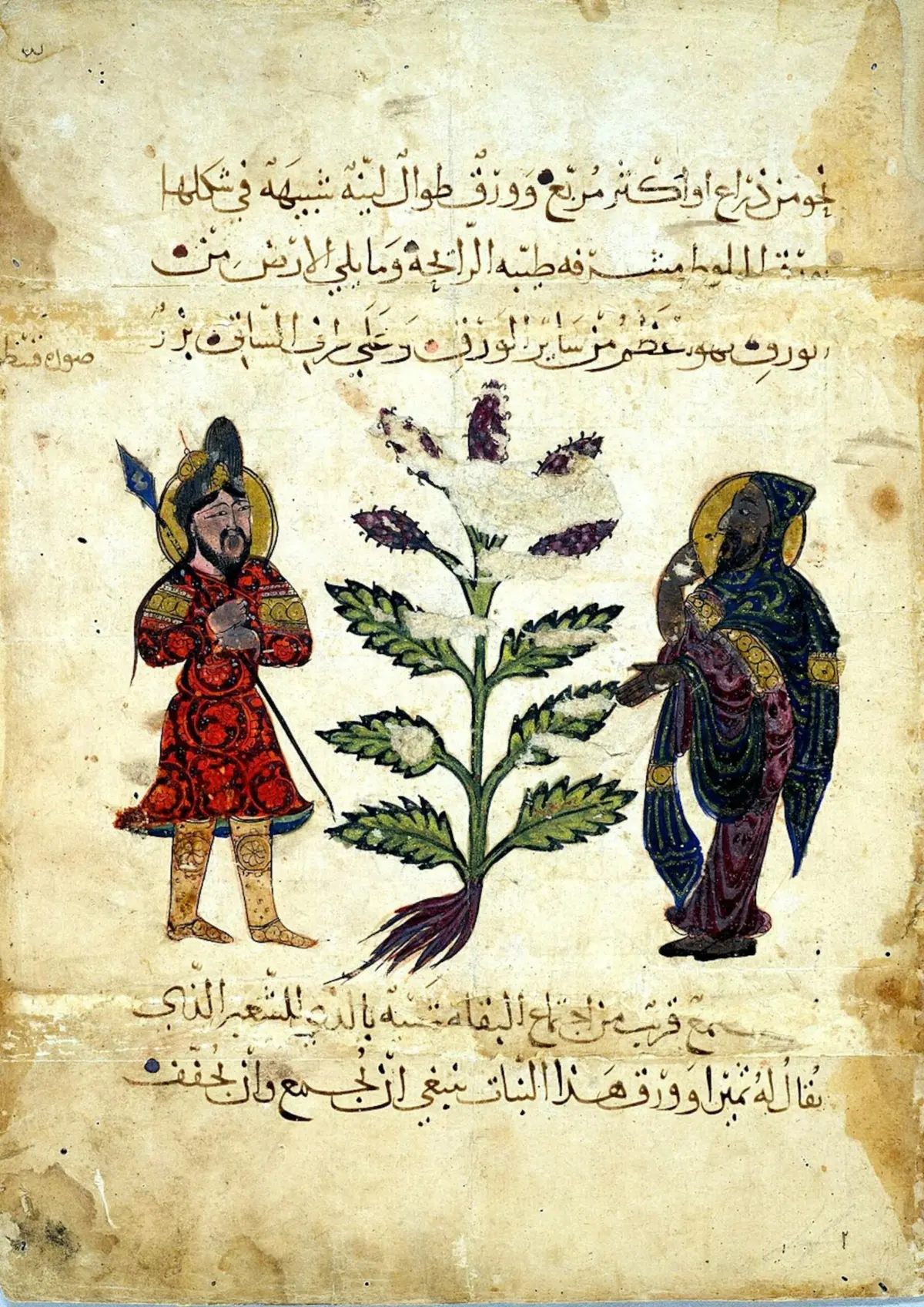
Rowan trees, Bay leaves, Betony, Rosemary, Chilli peppers
British Isles, Europe, Americas
Repel the "evil eye," trap night witches, ward off lightning and disease.
Trap or counter-attack bewitchments; force malevolent spellcasters to reveal themselves.
Apotropaic Stones
Shigandang stones, Hag stones (holed flints)
China (Shandong), Britain
Anchor protective energy (Mount Tai concept), prevent bad dreams and misfortune.
Religious Objects
Hilyas, Bibles, Circled crosses
Ottoman Empire, Britain, Ireland
Invoke divine protection against fairies, nightmares, and harmful supernatural forces.
Botanical Defenses and the Garden Sanctuary
Plants have long functioned as living sentinels for the home. In his seminal 1653 work, Complete Herbal, English botanist Nicholas Culpeper asserted that maintaining a bay tree in one’s garden offered absolute protection against witchcraft, the devil, and lightning strikes. Similarly, betony and bittersweet nightshade were credited with shielding households from epidemics and harmful sorcery.
In the British Isles, planting a rowan tree near a boundary line remains a time-tested method for repelling a neighbor’s "evil eye." Meanwhile, rosemary bushes planted near entryways were historically believed to entangle night-wandering witches, forcing them to count every individual leaf until dawn dispelled their malevolent powers. Across the Americas, chilli peppers have similarly been affixed to doors to intercept and neutralize negative energies.
Architectural Geometry and Esoteric Symbols
The physical structure of historic buildings frequently bears silent witness to mystical intent. Hexafoils—geometric patterns made of six intersecting ellipses often called "daisy wheels"—and interlocking "V" symbols (potentially referencing Virgo Virginum, the Virgin of Virgins) are regularly found carved into timber beams and stone lintels near chimneys and doorways. While architectural historians debate whether these represent utilitarian mason’s marks or decorative flourishes, their concentrated placement at vulnerable architectural junctures strongly suggests an apotropaic purpose.
Global architecture exhibits parallel traditions. Medieval Chinese masonry traditions mandated the installation of demon tiles and fierce figurines to deter both physical intruders and incorporeal spirits. In the mountainous Aragon region of Spain, intricate geometric patterns etched onto 17th- and 18th-century chimney flutes were designed to visually disorient and confuse malicious witches attempting to descend into the home.
Official Statements & Expert Insights
Recent scholarship highlights the intersection of material culture, archaeology, and human psychology in interpreting these phenomena.
"Virtually all cultures and epochs fizz with magic. You might call it a secret ingredient of human life, because magic takes so many forms and serves so many functions."
— Dr. S. Hoppes, Historian and Author of Magick: Decoding the Visual Culture of Spells, Illusions and Psychic Powers
Reflecting on the psychological dimensions of these historical practices, contemporary researchers emphasize that apotropaic magic was—and remains—a profoundly practical mechanism for anxiety reduction.
"Even today, people living comparatively safe and comfortable lives still use special objects and occult techniques to allay their anxieties and increase their sense of security. Magic takes many forms. Yet in everyday life, it is often a low-key form of supernatural self-defence, soothing anxieties and taming troubles—psychologically, if not literally."
Archaeological excavations across the UK and Europe continue to unearth concealed artifacts, such as early 19th-century witch bottles from Lincolnshire, demonstrating that tangible rituals provided communities with a vital sense of agency in the face of uncontrollable illness, crop failure, and interpersonal conflict.
Future Outlook: The Modern Renaissance of Domestic Magic
As we navigate an increasingly digitized and fast-paced world, the historical impulse to secure the domestic sphere through esoteric means is experiencing a surprising cultural renaissance. Far from vanishing into obscurity, ancient practices are being re-examined and readapted by contemporary populations.
The Esoteric Revival
Modern esoteric practitioners, urban gardeners, and heritage conservationists are increasingly embracing historical protective magic. The crafting and collection of hag stones, the cultivation of traditional apotropaic herbs like rosemary and rowan, and the preservation of historic "witches’ marks" in old buildings are gaining mainstream visibility. Crucially, contemporary magical practitioners overwhelmingly focus on positive, protective, and restorative magic, consciously distancing themselves from the historical persecution associated with witch trials while honoring the psychological comfort of their forebears.
Psychological Relevance in the 21st Century
Ultimately, the study of domestic magic transcends historical curiosity. It serves as a mirror reflecting the fundamental human need for sanctuary. Whether through the installation of a security system, the planting of a protective garden rowan, or the ceremonial cleansing of a living space, the modern homeowner shares an unbroken psychological continuity with the medieval mason, the early modern cottager, and the ancient geomancer. As long as the home remains our primary refuge against an unpredictable world, the invisible architecture of magic will continue to find a place in our hearts and hearths.