Executive Overview
Long before the advent of in vitro fertilization, fertility clinics, and modern reproductive endocrinology, the human struggle with childlessness was as profound, emotionally raw, and socially fraught as it is today. In the medieval period, reproduction was not merely a private, biological milestone; it was a cornerstone of socioeconomic stability and a primary objective of matrimony demanded by both extended family networks and the Church. Couples who failed to conceive found themselves navigating an intricate and often overwhelming labyrinth of societal scrutiny, unsolicited advice, herbal remedies, and divine appeals.
Recent historical research into medieval reproductive disorders illuminates how people of the 12th through 14th centuries conceptualized fertility and the lengths to which they went to enhance it. Far from being passive sufferers, medieval couples actively sought solutions from a diverse ecosystem of practitioners. They engaged licensed physicians, consulted female folk healers, wore prayer-inscribed belts, altered their diets according to ancient medical theory, and performed acts of profound charity to win divine favor.
While the medical paradigms—rooted heavily in Greek and Arabic humoral theory—and the theological frameworks differ vastly from modern biomedicine, the emotional topography of the medieval infertile couple feels startlingly familiar. The pressure from well-meaning relatives, the financial and emotional toll of seeking treatments, the dichotomy between medical advice and spiritual faith, and the silent grief of unmet expectations bridge the centuries, linking modern families to their medieval predecessors.
Detailed Chronology: Historical Case Studies and Medical Evolution
To understand how medieval society addressed reproductive struggles, historians look to surviving personal letters, ecclesiastical records, and hagiographies. These documents trace a historical continuum of how couples sought cures across generations.
The 12th Century: The Spiritual Crisis of Godric of Finchale
In late 12th-century England, the emotional weight of reproductive failure is vividly captured in the accounts surrounding Godric of Finchale, a renowned hermit. According to the records kept by his biographer, Reginald of Durham, a married couple traveled great distances to seek the hermit’s intercession after suffering through a devastating sequence of miscarriages and stillbirths.
The historical record notes that the couple was "both deeply distressed and felt that God’s judgment was standing over them in a dreadful way." This case highlights an era where reproductive loss was immediately internalized as a spiritual indictment, forcing grieving couples to seek the intercession of holy figures to lift perceived divine curses.
The 14th Century: The Datinis of Prato
A much clearer, day-to-day picture emerges from 14th-century Italy through the remarkably well-preserved correspondence of Francesco and Margherita Datini, a wealthy merchant couple. After several years of marriage, the couple remained childless, making them the target of constant commentary from their social circle.
In a letter to Francesco, a family friend offered backhanded praise for the merchant’s vast financial accumulations, dryly remarking: "I would rather see [Margherita] become fatter by making children than in gathering money."
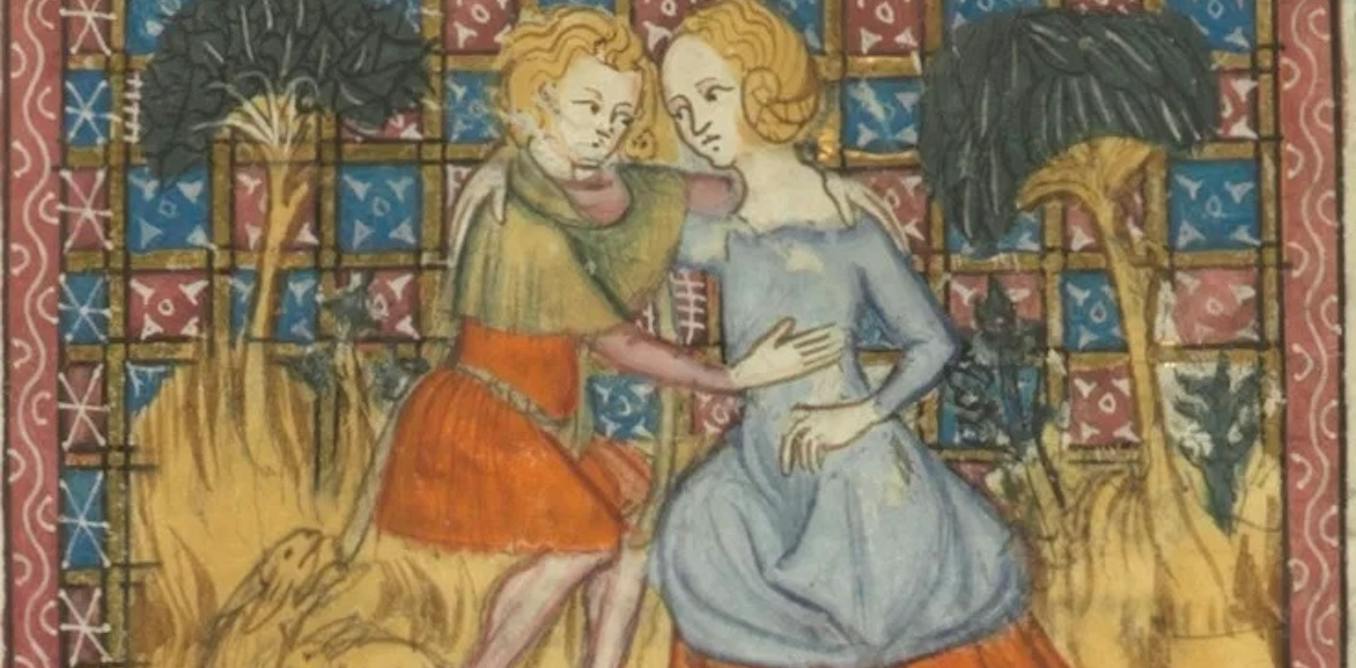
Despite their wealth, the Datinis struggled quietly. Their letters reveal that they consulted a professional physician—a costly endeavor reserved for the elite. However, professional medicine was only one prong of their strategy. Margherita’s sister intervened by offering to purchase a specialized poultice—a concoction of herbs and fats applied directly to the stomach—sold by a local female healer who claimed a high success rate among other local women. The sister also recommended a protective belt inscribed with sacred prayers.
Concurrently, Margherita’s brother-in-law chimed in with theological counsel, advising that the couple should direct their efforts toward appeasing God through generous charitable giving. Despite utilizing this multi-layered approach of medicine, folk remedies, sacred amulets, and charity, the Datinis never had children together—though records indicate Francesco fathered illegitimate children with other women, placing the full social burden of childlessness squarely on Margherita.
The Evolution of Medical Frameworks
Underpinning these historical episodes was a sophisticated, if scientifically obsolete, medical framework. Medieval European physicians did not invent their reproductive theories from scratch; rather, they inherited, translated, and expanded upon classical knowledge.
- The Hippocratic and Galenic Foundation: Between the 11th and 13th centuries, medical texts originating from ancient Greece, via the Arabic-speaking world, were translated into Latin. This created a standardized European medical curriculum taught in burgeoning universities.
- The Humoral System: Central to this medical tradition was the theory of the four humors (blood, phlegm, yellow bile, and black bile) and their associated qualities: heat, cold, moisture, and dryness. Infertility was frequently diagnosed as a malady of excessive "coldness" in either the male or female reproductive organs.
- Therapeutic Interventions: To combat this physiological coldness, physicians and apothecaries prescribed "hot" remedies. Patients were encouraged to consume warming spices such as cinnamon and ginger, wear heavy woolen garments, and adjust their diets to restore internal humoral balance.
Supporting Context & Metrics: Explaining the Unexplained
Medieval society relied on two primary, yet complementary, explanatory models to make sense of infertility: the medical-humoral model and the theological-providential model.
+-----------------------------------------------------------------+
                    EXPLANATIONS FOR INFERTILITY
+---------------------------------+-------------------------------+
|       MEDICAL / HUMORAL         |     THEOLOGICAL / BIBLICAL    |
+---------------------------------+-------------------------------+
| • Roots: Hippocratic/Galenic    | • Roots: Scriptural narratives|
| • Mechanism: Imbalance of heat, |   (Sarah, Rachel, Hannah).    |
|   cold, moisture, and dryness.  | • Mechanism: Divine will,     |
| • Focus: Excessive "coldness"   |   testing of faith, or        |
|   preventing conception.        |   preparation for a miracle.  |
| • Treatment: Warming spices     | • Treatment: Prayer, charity, |
|   (cinnamon, ginger), diet.     |   pilgrimages, saint relics.  |
+---------------------------------+-------------------------------+
The Theological Lens
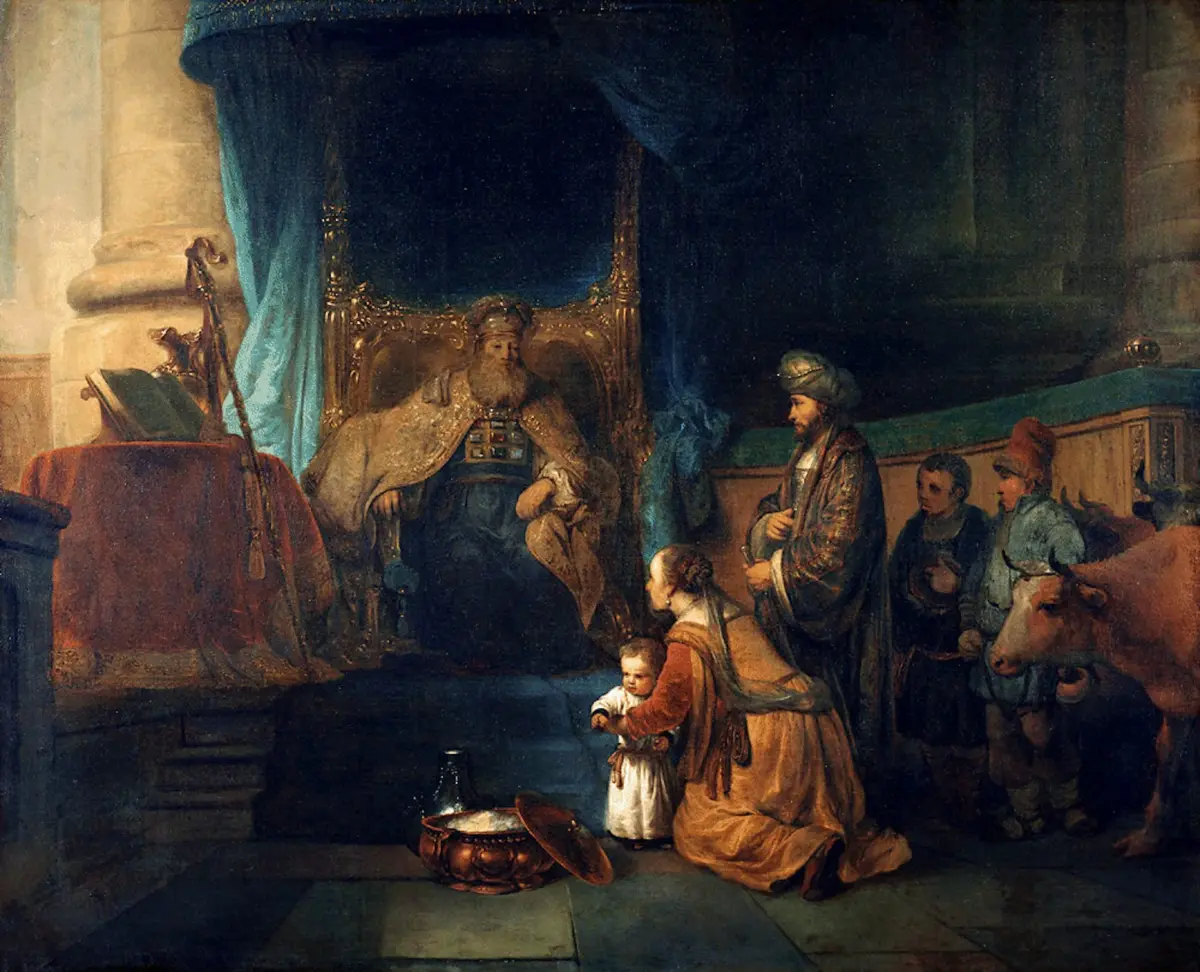
The Bible served as an essential historical blueprint for understanding barrenness. Scriptural narratives featured prominent matriarchs—such as Sarah, Rachel, Hannah, and Elizabeth—who experienced prolonged infertility before miraculously conceiving special children, often in advanced age.
Consequently, medieval theologians and preachers emphasized that God held absolute sovereignty over the womb. While this belief could occasionally curdle into moral condemnation—implying that a childless couple must have sinned to incur divine wrath—mainstream churchmen offered a more comforting perspective.
The Golden Legend, a massively popular 13th-century compilation of saint biographies across medieval Europe, encapsulated this theological nuance: "God punishes not nature, but sin, and therefore when he closes a woman’s womb, he does this in order to open it miraculously later on."
The Synergy of Faith and Science
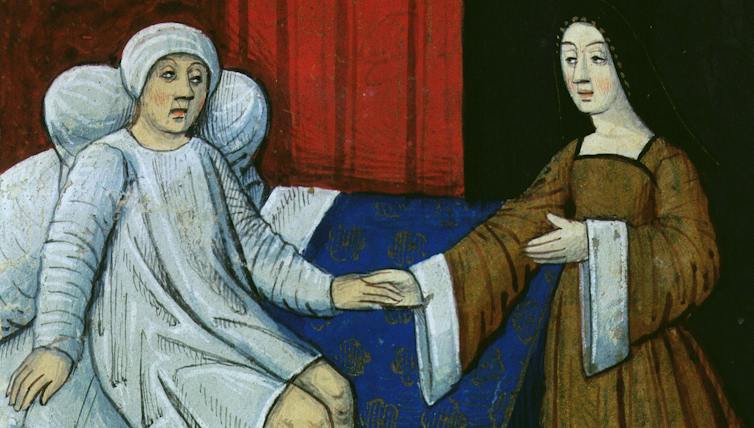
Crucially, medieval people did not view medical treatments and religious devotion as mutually exclusive paths. A physician might prescribe warming herbal draughts while simultaneously advising a patient to pray to Saint Margaret or make a pilgrimage to a local shrine.
However, historical metrics regarding the success of these treatments remain heavily skewed. Just as modern medical literature highlights clinical triumphs, surviving medieval archives—hospital records, miracle books, and physician logs—overwhelmingly documented successful conceptions attributed to specific saints or remedies. The quiet tragedies of couples whose treatments failed entirely were rarely recorded, leaving modern historians to read between the lines of tax censuses, inheritance disputes, and surviving personal letters.
Official Statements & Scholarly Perspectives
Recent academic reassessments of medieval reproductive health challenge the long-held modern assumption that pre-modern people were fatalistic or entirely superstitious regarding fertility.
Historians specializing in medieval gender and medicine emphasize that the domestic sphere was an active negotiation zone. Dr. Jenite Rowe, a prominent researcher focusing on medieval churchmen and reproductive disorders, notes:
"When medieval couples faced the crushing reality of childlessness, they did not simply sit back and accept it as fate. They actively synthesized information from multiple authorities—learned physicians, female folk healers, family matriarchs, and local clergy. They curated a personalized regimen of care that spanned the material and the metaphysical."
Furthermore, ecclesiastical authorities worked overtime to regulate the boundaries of acceptable fertility practices. While the Church officially condemned magical practices, sorcery, or invocations of unauthorized spirits, it enthusiastically endorsed orthodox spiritual remedies. The use of inscribed prayer belts, holy water, saintly relics, and charitable endowments were fully sanctioned channels through which desperate couples could petition heaven.
Sociological analyses of the period underscore that the public nature of marriage made infertility a community crisis. Because lineages, property rights, and political alliances depended on legitimate heirs, the whole community—from local parish priests to wealthy merchant syndicates—felt heavily invested in the reproductive output of married couples. This created an intense psychological pressure cooker for those unable to conceive.
Future Outlook & Modern Parallels
As historical investigations into pre-modern medicine and bodily autonomy expand, the study of medieval infertility offers profound reflections on the human condition. Modern fertility patients navigating the complex, expensive, and emotionally draining world of assisted reproductive technology (ART) can find a surprising mirror in the historical experiences of the Datinis and countless anonymous medieval couples.
Key Parallels Between Past and Present:
- The Information Overload: Just as medieval couples sifted through contradictory advice from physicians, relatives, and folk healers, modern patients must navigate an overwhelming sea of medical data, alternative wellness trends, and internet forums.
- The Emotional Toll: The silent grief, social stigma, and unsolicited commentary from well-meaning friends and family remain an unyielding hallmark of the infertility experience across millennia.
- The Intersection of Hope and Intervention: Whether consuming medieval warming spices or undergoing modern hormonal therapies, humans have continually demonstrated an infinite capacity to seek out hope through intervention when faced with biological barriers.
Ultimately, exploring the medieval approach to reproduction strips away the illusion that our current anxieties are entirely unprecedented. By examining how medieval society balanced empirical medicine with deep spiritual faith in the face of heartbreak, contemporary observers gain a richer, more empathetic appreciation for an enduring, universal human struggle: the deep-seated desire to create and nurture new life.