By the mid-2000s, the global music ecosystem was hurtling through an unprecedented era of acceleration. The traditional gatekeepers of record labels, terrestrial radio stations, and print-media tastemakers were suddenly forced to share power with an explosive, decentralized network. Discovery became instantaneous, regional scenes dissolved borders, and unsigned artists could cultivate rabid audiences on the opposite side of the planet before ever playing a ticketed show in their hometowns.
The internet transformed from a disruptive, wild-west novelty into the beating heart of music culture. It radically reshaped not only how audiences consumed sound, but how they surfaced records, debated aesthetics, and built personal identities around niche subcultures.
As physical formats like CDs gave way to peer-to-peer sharing, early iPods, and the nascent infrastructure of legal digital streaming, independent music entered a golden age of limitless possibility. This comprehensive retrospective examines the decade between 2006 and 2015—a defining transitional epoch when algorithms met analog passion, independent blogs minted global stars overnight, and record stores like Rough Trade fought to keep tangible, community-driven music culture alive in an increasingly portable world.
Detailed Chronology: The Decade That Changed Everything (2006–2015)
The trajectory of modern alternative, electronic, and hip-hop music cannot be understood without mapping the specific milestones that defined each year between 2006 and 2015. Through the lens of landmark releases curated by Rough Trade’s 50th Anniversary Editions, this ten-year window reveals a continuous loop of technological disruption and artistic reinvention.
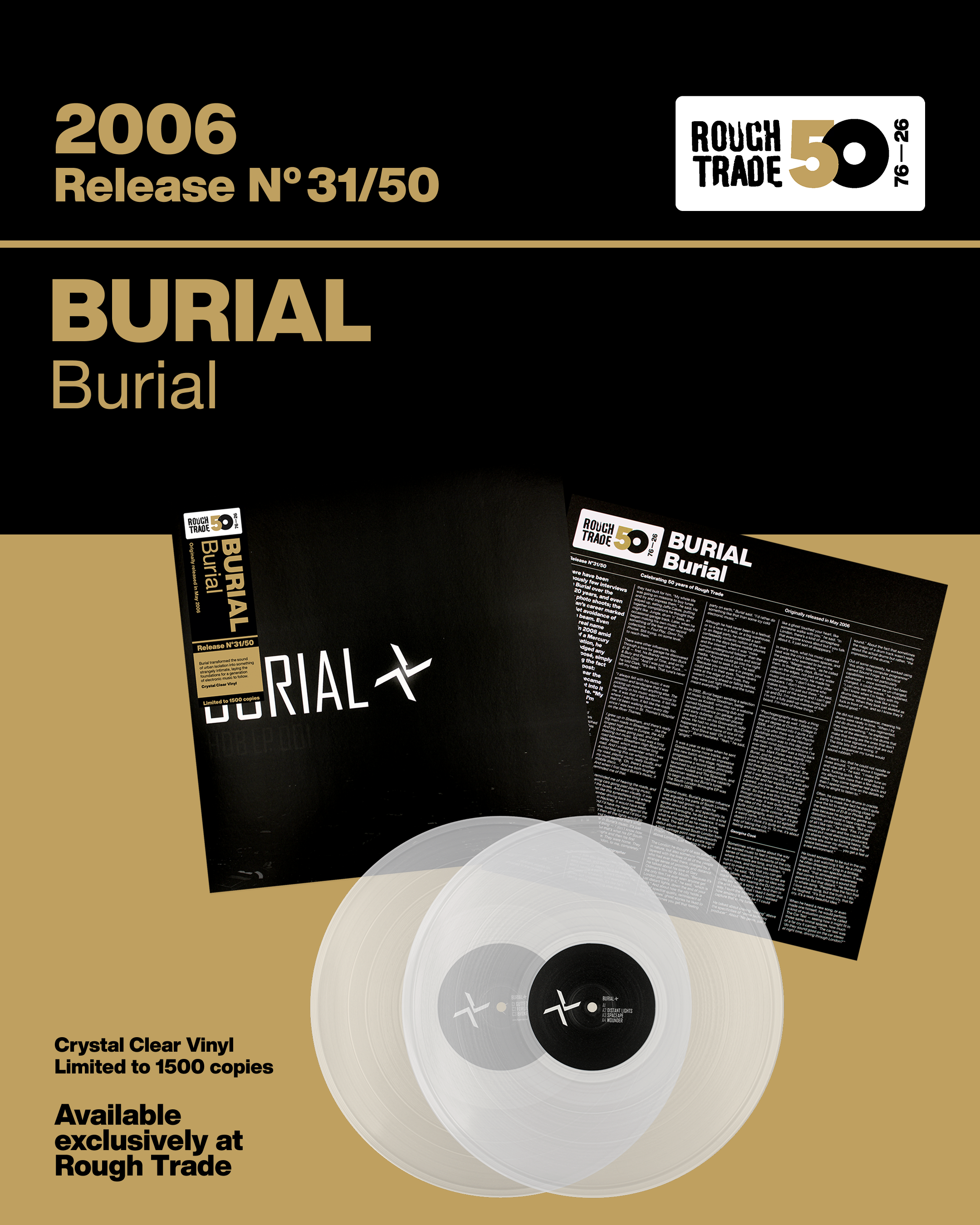
2006: Burial – Burial (Hyperdub)
Released on May 15, 2006, through Kode9’s Hyperdub imprint, William Bevan’s self-employed moniker Burial delivered an understated masterwork that permanently altered the DNA of UK bass music. Emerging from the shadowed embers of London’s early dubstep underground, the album traded club-ready bombast for rain-slicked atmosphere, vinyl crackle, pitch-shifted vocal samples, and an eerie, palpable solitude. Cultural theorist Mark Fisher famously encapsulated its enduring resonance: "This album is London after the rave and still sounds just as modern as it did two decades ago." It proved that electronic music could be deeply cinematic, intimate, and profoundly psychological.
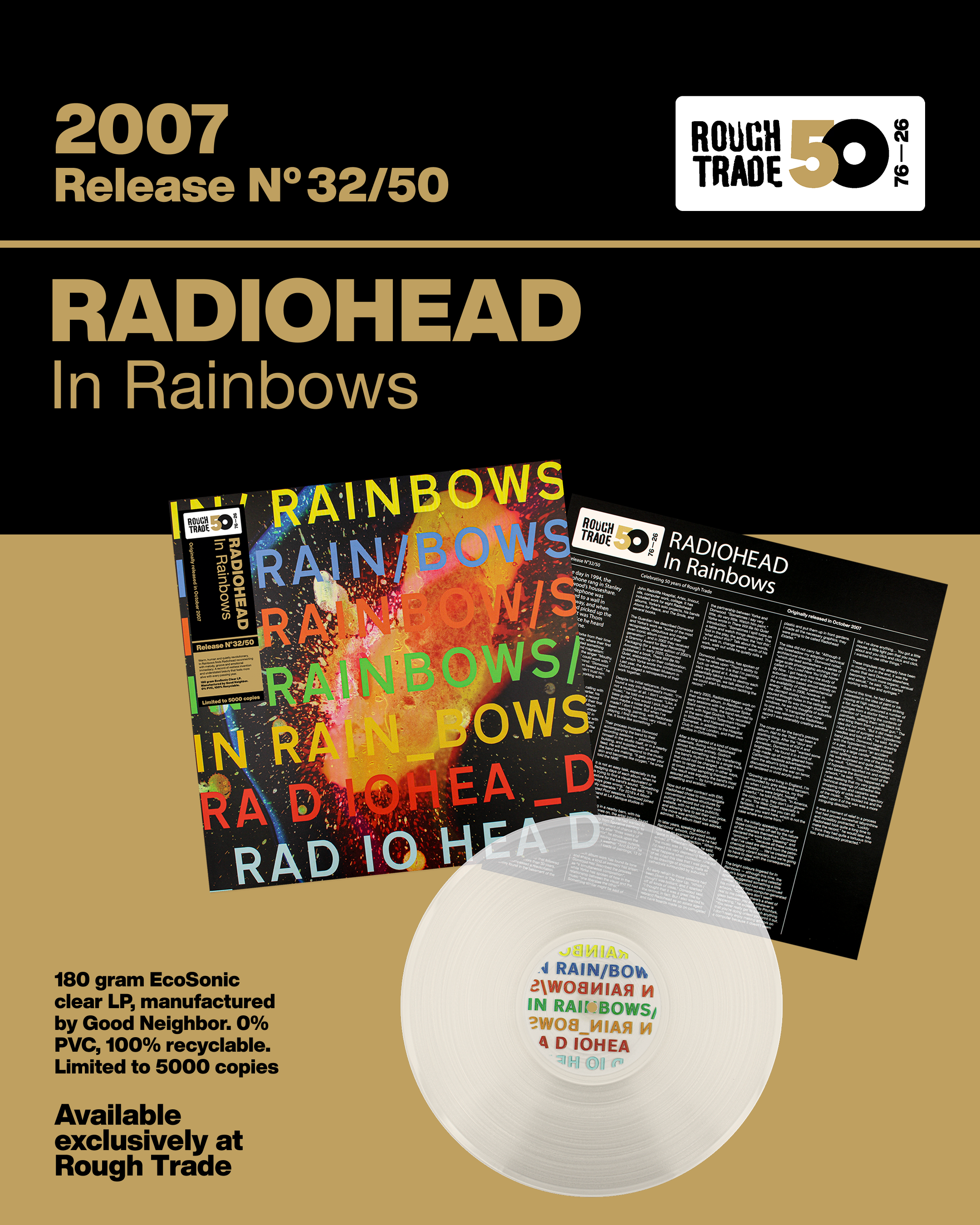
2007: Radiohead – In Rainbows (Self-Released)
As the mid-2000s music industry bled revenue to internet piracy and plummeting compact disc sales, alt-rock titans Radiohead executed the most disruptive promotional gamble in modern music history. They offered their seventh studio album, In Rainbows, via a revolutionary "pay-what-you-want" digital download model. The industry fractured: detractors worried it devalued recorded art for up-and-coming acts, while optimists praised a radical bridge between artist and fan. Stripped of corporate anxiety, In Rainbows revealed itself as a holy grail of modern composition—an album of staggering scope, organic warmth, and stark, uncomplicated beauty. As Thom Yorke crooned on "Weird Fishes/Arpeggi": "In the deepest ocean / The bottom of the sea / Your eyes / They turn me."
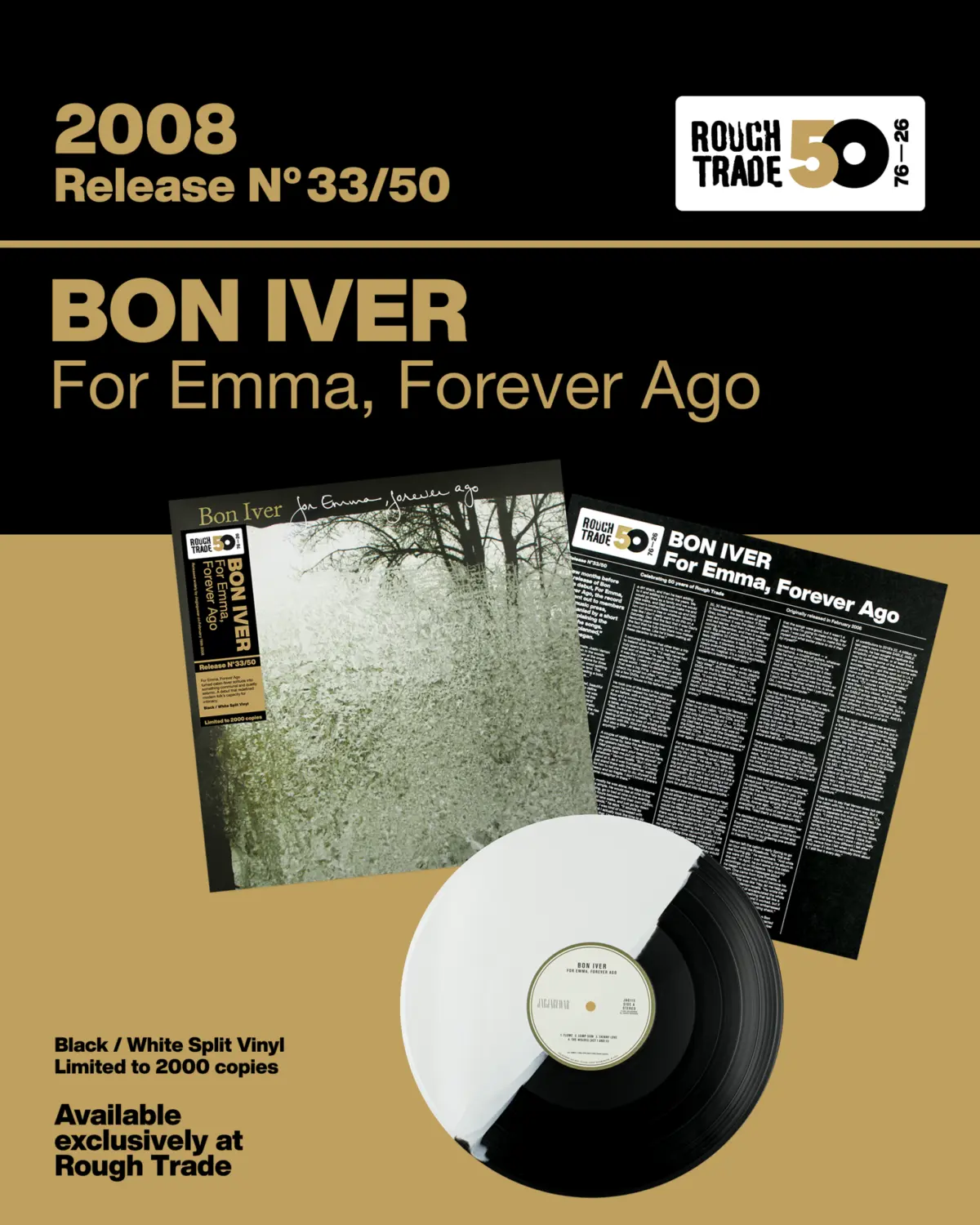
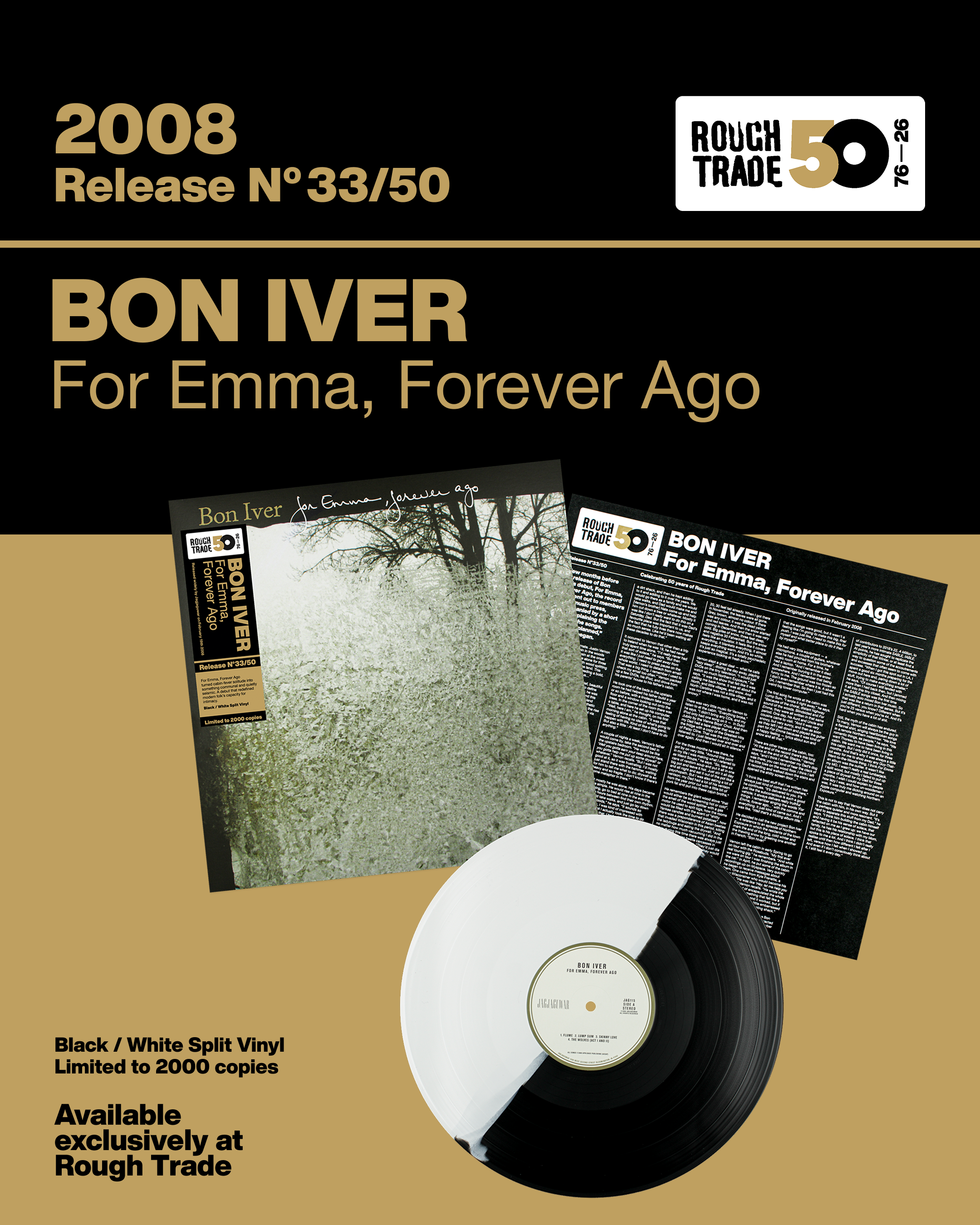
2008: Bon Iver – For Emma, Forever Ago (Jagjaguwar)
Winter melancholy pressed permanently into vinyl, Justin Vernon’s For Emma, Forever Ago redefined the parameters of indie-folk intimacy. Created over three months of profound physical and emotional isolation inside his father’s remote Wisconsin hunting cabin—amid bouts of illness and heartbreak—Vernon multitracked his falsetto and acoustic guitar into a breathtaking monument of solitude. Initially self-released in 2007 before a widespread 2008 re-release via Jagjaguwar, the record proved that profound emotional desolation could find a mass, devoted global audience via the connective tissue of the web.
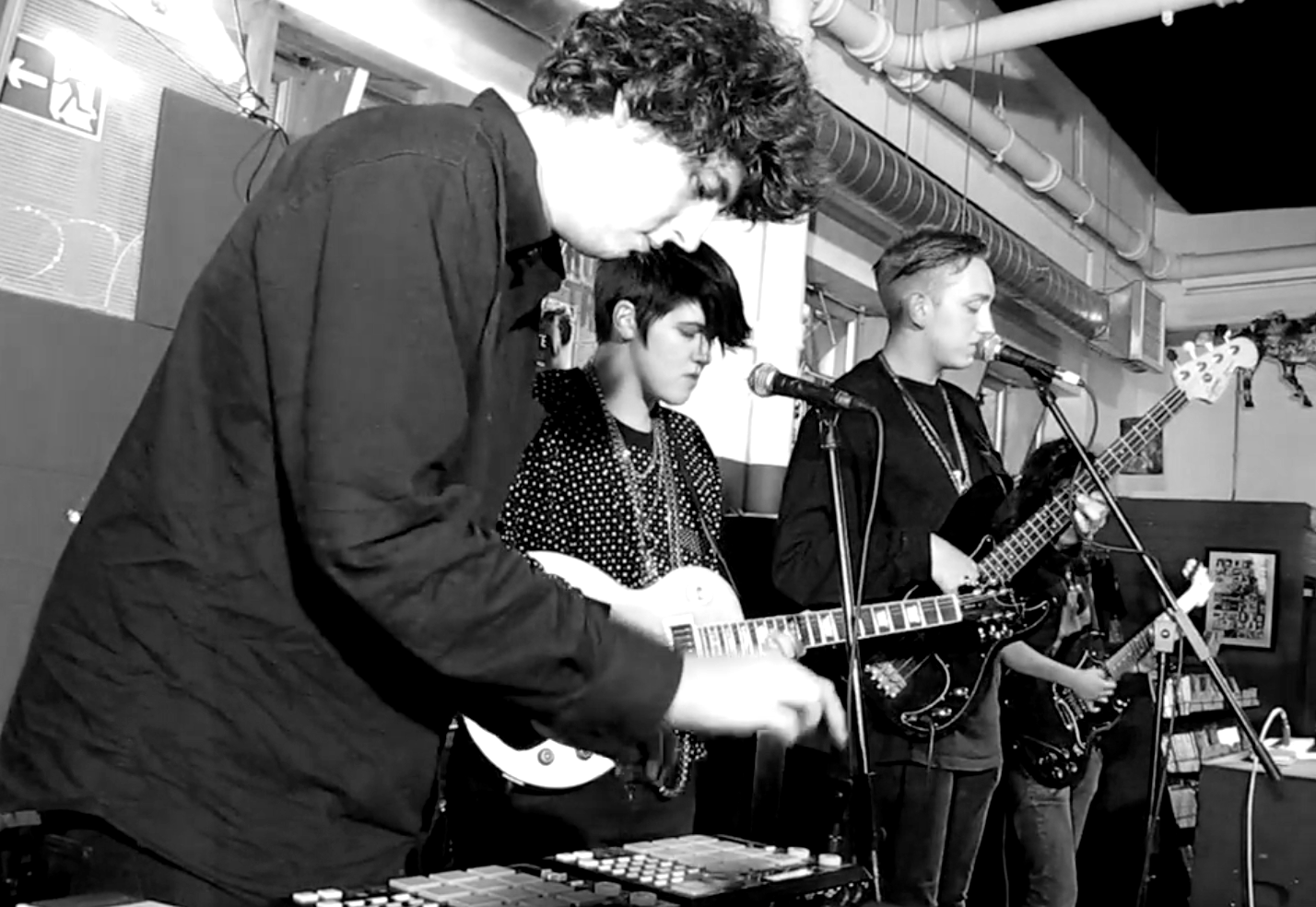
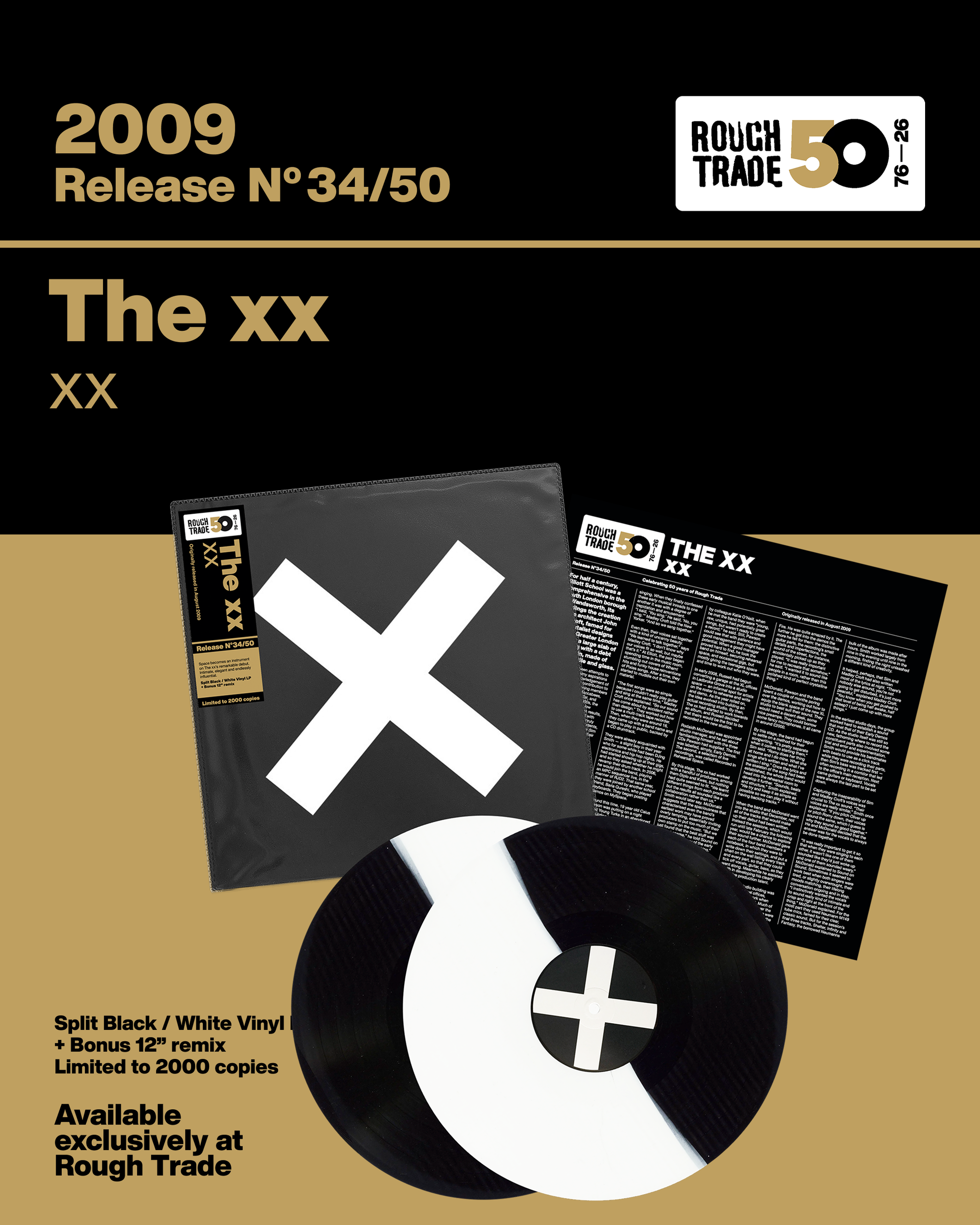
2009: The xx – xx (Young Turks)
In 2009, when mainstream electronic music and indie rock were locked in an arms race of escalating loudness, a young London quartet named The xx did the exact opposite. Their mercury-minimalist debut, xx, deliberately left negative space for songs to breathe, turning whisper-quiet restraint into a muscular, magnetic force. Tracks like "Crystalised," "VCR," and "Islands" became immediate touchstones, while the instrumental "Intro" evolved into one of the most widely sampled and recognizable cues of the modern era. For years, xx stood as Rough Trade’s single biggest-selling release, cementing the power of hushed nocturnal intimacy.
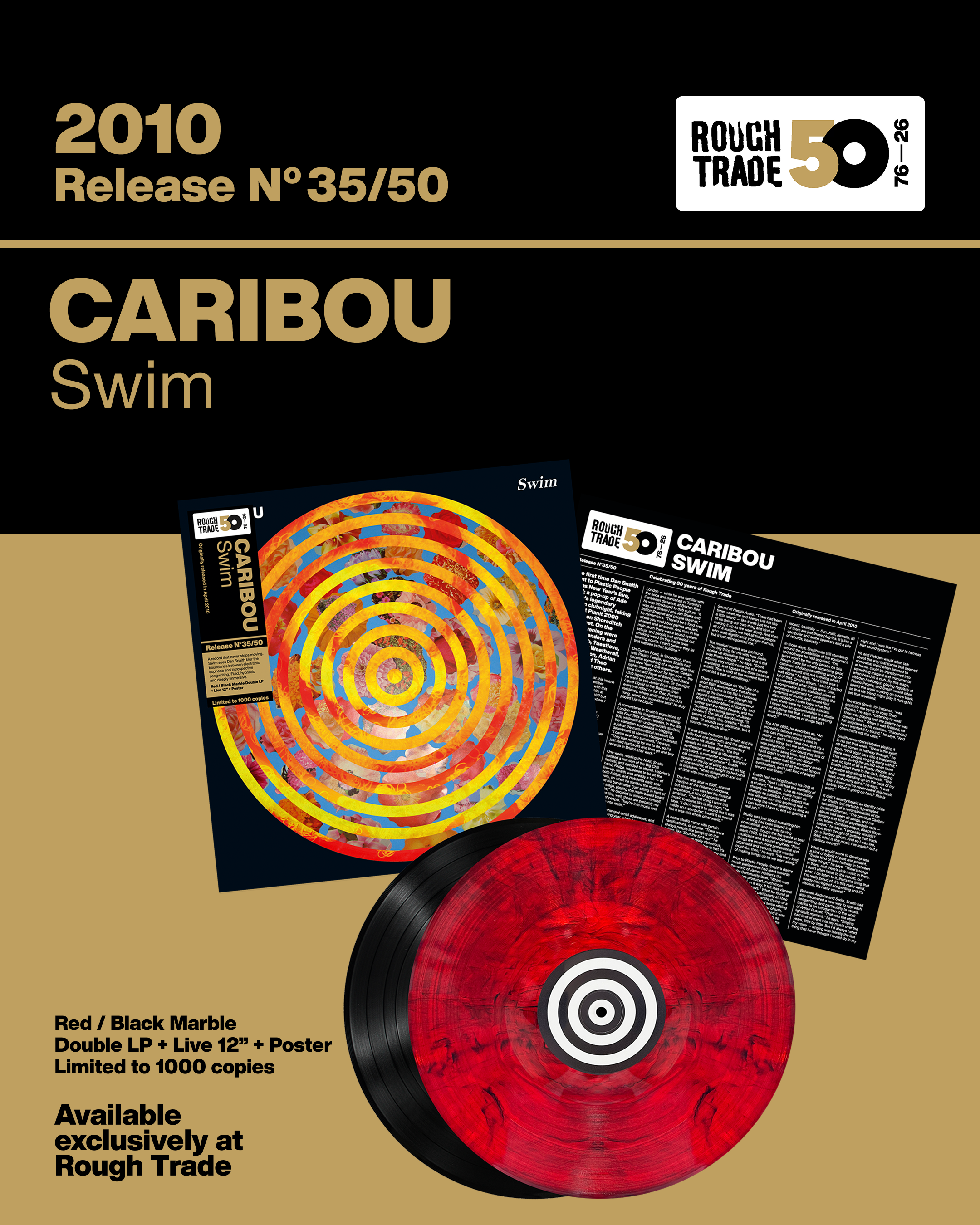
2010: Caribou – Swim (Merge / City Slang)
While much of the 2000s electronic and indie crossover had been tethered to the dark, sticky floors of metropolitan club nights, Dan Snaith stepped up as Caribou in 2010 to throw open the windows. Swim dragged club-oriented electronica out into wide-open, sun-drenched fields. Boasting hypnotic polyrhythms, multi-dimensional mixing, and lush, organic textures, the album took listeners on a sensory voyage of unshackled bliss. Its boundary-pushing synthesis of dance music infrastructure and indie songwriting earned it the coveted #1 spot on Rough Trade’s Albums of the Year list in 2010.
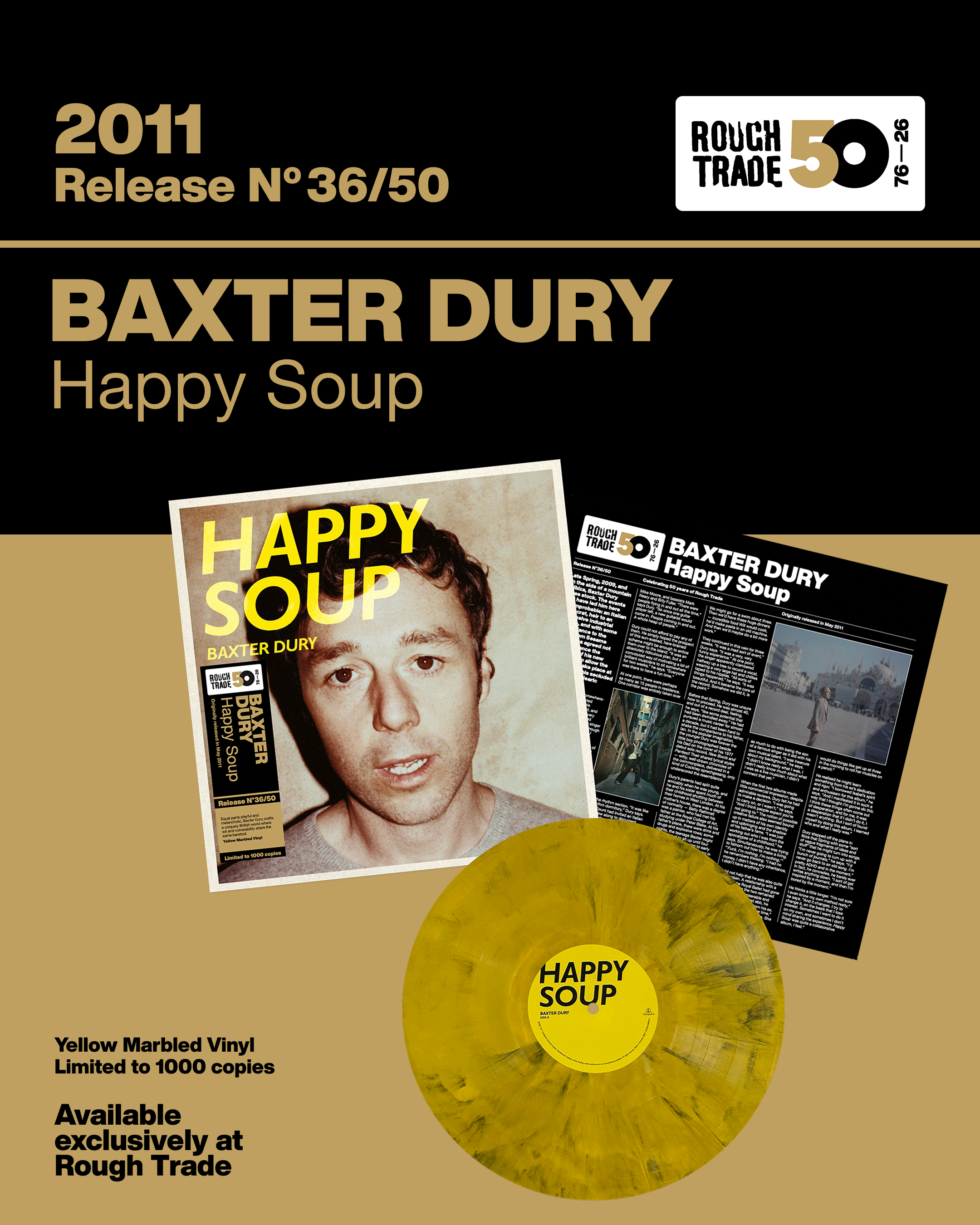
2011: Baxter Dury – Happy Soup (Rough Trade)
British songwriter Baxter Dury carved out a singular lane in 2011 with Happy Soup, a record defined by infectious electro-pop foundations and a distinctly dry, deadpan lyrical wit. True to its title, the album functions as a kaleidoscopic sonic soup of vintage synthesizers, spoken-word cadence, and what can only be described as "seaside psychedelia"—balancing melancholic British observational humor with buoyant, danceable arrangements.
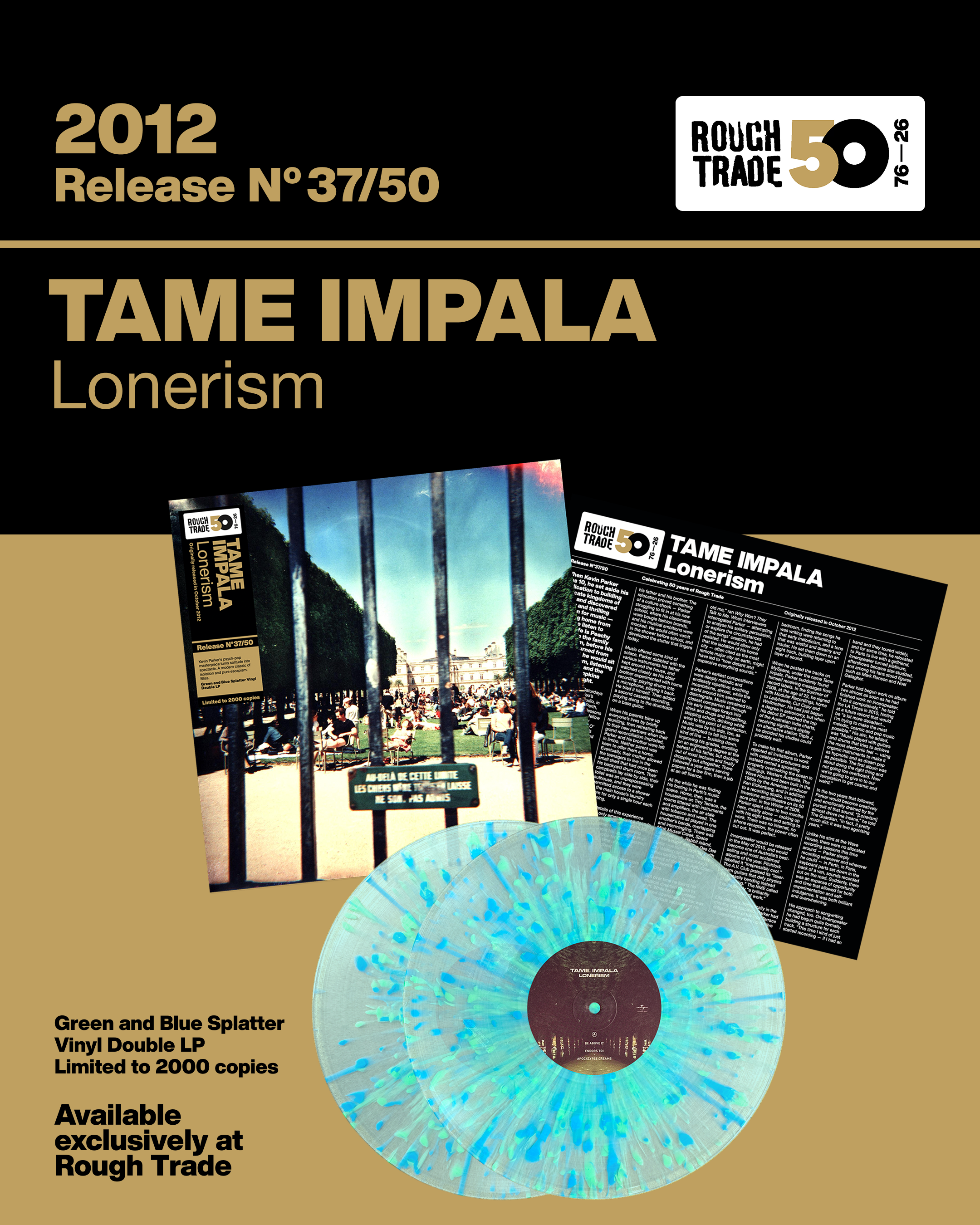
2012: Tame Impala – Lonerism (Modular)
Spearheaded by multi-instrumentalist Kevin Parker, Western Australia’s psych-rock torchbearers Tame Impala captured lightning in a bottle with their sophomore LP, Lonerism. Expanding past their garage-psych roots, the album married massive, punchy drum breaks with expansive, head-spinning analog synth hooks on anthems like "Elephant" and "Feels Like We Only Go Backwards." Capturing the exact moment an artist’s internal, insular world scales up to universal adoration, Lonerism served as the vital, kaleidoscopic stepping stone toward the band’s global festival-headlining dominance.
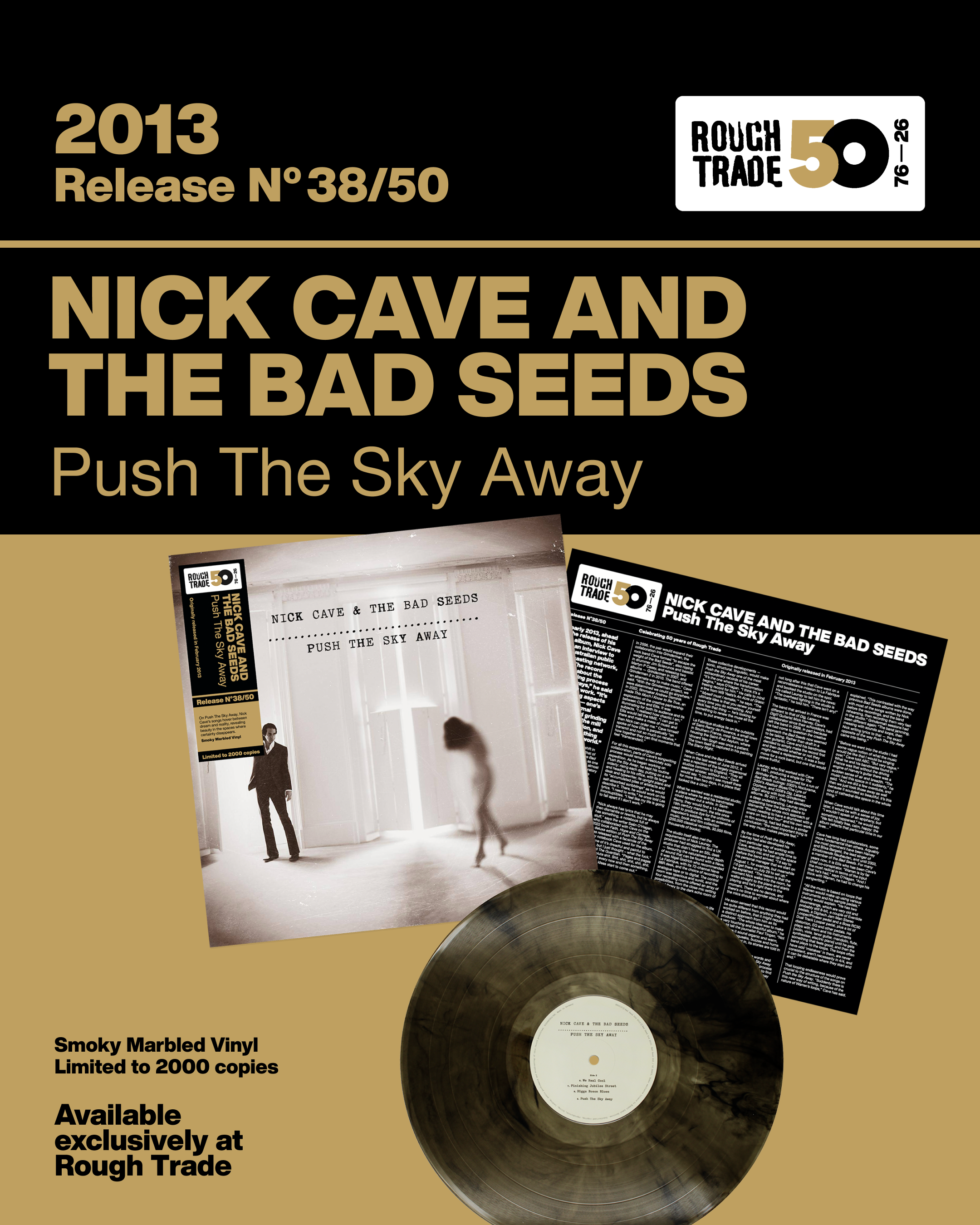
2013: Nick Cave & The Bad Seeds – Push The Sky Away (Bad Seeds Ltd.)
Sandwiched between the gritty garage-rock snarl of Dig, Lazarus, Dig!!! and the lush, spoken-word-oriented orchestrations of their later career, Nick Cave & The Bad Seeds delivered arguably the finest artistic statement in their legendary catalog. Push the Sky Away balances nerve and emotional weight without descending into melodrama. Lyrically, Cave abandoned orthodox biblical grimness for a sweeping, metaphysical spirituality, perfectly mirrored by the record’s spacious, airy instrumentation.
2014: Mac DeMarco – Salad Days (Captured Tracks)
Canadian slacker-pop royalty Mac DeMarco defined the lo-fi aesthetic of the mid-2010s with Salad Days. Written in the breathless wake of an unrelenting touring schedule, the album is a masterclass in easygoing, slightly janky, yet deeply intricate songwriting. Wrapped in a warm, tape-saturated haze, its melancholic lyricism captured the bittersweet pangs of youth, late-night reflection, and the universal ache of longing for a bygone summer.
2015: Father John Misty – I Love You, Honeybear (Sub Pop)
Josh Tillman’s second outing as Father John Misty arrived as a brilliant, chaotic collision of modern neurosis and grand romanticism. Described as the sound of "falling hopelessly in love while having an existential crisis in the supermarket," I Love You, Honeybear weaponized biting sarcasm alongside sweeping orchestral arrangements. From the dark, biting humor of "Bored in the USA" to "True Affection’s" plea to put down screens and re-engage with humanity, the record stands as a definitive alternative-pop masterpiece of the decade.
Supporting Context & Metrics: The Architecture of Digital Discovery
To fully comprehend the seismic shift in music consumption between 2006 and 2015, one must examine the structural mechanics of the internet during this golden age.
Before algorithms dictated what users heard next, human tastemakers ruled supreme. Blogs and independent web publications—such as Pitchfork, Stereogum, Gorilla vs. Bear, and the aggregator Hype Machine—formed a hyper-efficient ecosystem. A single glowing review or a downloadable MP3 link could propel an unknown band from a damp basement rehearsal space onto major international festival bills within a 48-hour window. This democratization of hype bypassed traditional gatekeepers, allowing niche subgenres to organize and scale globally with zero radio airplay.
Direct-to-Fan Platforms and the Death of Geography
MySpace fundamentally rewrote the rules of artist branding by transforming musicians into their own publicists. For the first time, an unsigned artist could showcase tour dates, stream entire demos, and converse directly with fans worldwide. As Facebook, Twitter, and eventually Instagram matured, they added vital layers of direct connection and visual storytelling, ensuring that an artist’s personal narrative was just as accessible as their recorded output.
From Peer-to-Peer Networks to the Streaming Era
The wild-west era of LimeWire, Napster, and illegal downloading taught listeners that every recorded song in human history should theoretically be available at the click of a button. While this devastated legacy physical manufacturing revenue, it inadvertently conditioned listeners to expect an infinite musical library. As Spotify and competing streaming platforms consolidated market share toward the end of the decade, the industry stabilized. Barriers to entry dropped to historic lows, granting independent artists global distribution infrastructure while putting a virtually limitless record collection into the pocket of every consumer.
Official Statements and Industry Perspective
The tension between digital democratization and the preservation of tangible music culture sparked intense debate across the industry. Record retail institutions like Rough Trade found themselves at the epicenter of this cultural tug-of-war.
"Amid the relentless rise of algorithms and frictionless streaming, the fundamental human desire to connect with music in a tangible, meaningful way has remained entirely unchanged. Our mission has always been to champion artists pushing culture forward while providing a physical sanctuary for discovery far beyond increasingly portable, glowing screens."
— Rough Trade Editorial Archive
Industry analysts observed that while streaming solved the distribution crisis, it created an "attention economy" where physical record stores and independent tastemakers became more vital than ever.
As music journalist and cultural observers noted during the 2012–2014 vinyl resurgence, the physical LP transformed from a mere playback medium into a sacred cultural artifact—a deliberate antidote to the fleeting, disposable nature of algorithmic playlists.
Future Outlook: The Enduring Legacy of the Digital Transition
Looking back from the vantage point of today, the decade spanning 2006 to 2015 established the foundational operating system of the contemporary music industry.
Hybrid Discovery Models: While algorithms now drive initial mainstream engagement, the underground music economy still relies heavily on the digital-community networks forged during the blog era. Independent artists routinely leverage TikTok, Bandcamp, and independent Discord communities to replicate the grassroots momentum once generated by MySpace and Hype Machine.
The Resilience of Physical Retail: Far from being rendered obsolete by the cloud, vinyl records and physical formats experienced a multi-decade renaissance. Music consumers quickly realized that digital convenience does not equal emotional ownership. Specialty initiatives—such as Rough Trade’s 50th Anniversary Editions—demonstrate that fans remain deeply hungry for curated physical packaging, exclusive liner notes, and tangible community hubs.
Genre Fluidity as the New Normal: The fearless genre-hopping pioneered by artists in this era (blurring the lines between electronic production, guitar-driven indie rock, hip-hop sampling, and soulful instrumentation) permanently dismantled strict radio format boundaries. Today’s artists operate in a completely borderless sonic landscape—a direct inheritance of the internet’s early promise that scenes should be defined by shared aesthetic passion rather than geographic coordinates.
Ultimately, the digital coming-of-age between 2006 and 2015 proved that technology does not inherently kill music culture; rather, it radically decentralizes it, handing the keys of discovery back to the artists and the fans.