Executive Overview
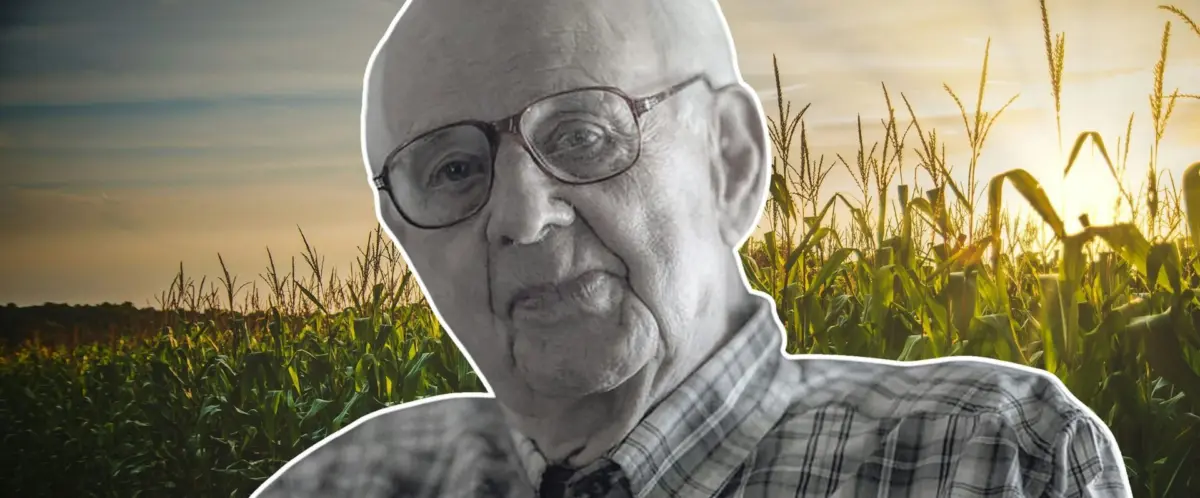
The death of American farmer, novelist, and poet Wendell Berry on August 31, 2026, at the age of 92, marks the passing of one of the twentieth and twenty-first centuries’ most uncompromising agrarian intellectuals. For more than four decades, Berry lived and farmed in Port Royal, Kentucky, embodying a seamless integration of physical labor and literary output. Through foundational works such as The Unsettling of America: Culture and Agriculture (1977), Why I Am Not Going to Buy a Computer (1987), and The Mad Farmer Poems (2008), Berry launched a sustained critique of modern consumer culture, industrial agriculture, and the relentless pursuit of economic growth at the expense of ecological health.
Berry’s philosophy was anchored in a profound respect for small-scale agriculture, community resilience, and ecological humility. He challenged humanity to see itself not as the master of the natural world, but as an interconnected thread within a wider web of life. In doing so, Berry inadvertently became the spiritual godfather of a burgeoning literary and ecological movement: the modern "eco-georgic."
As global agriculture grapples with the severe environmental externalities of intensive industrial farming—ranging from biodiversity loss and soil degradation to greenhouse gas emissions and antimicrobial resistance—society is increasingly turning back to the soil, and back to the page. This article explores Berry’s monumental legacy, the historical evolution of the georgic literary genre, and the contemporary renaissance of regenerative farming and "climate storytelling" that seeks to bridge the gap between human survival and planetary care.
Detailed Chronology
To understand the intellectual and physical weight of Wendell Berry’s life, it is essential to trace the arc of his career alongside the parallel evolution of industrial agriculture and environmental consciousness:
- 1932: Wendell Berry is born in Henry County, Kentucky, deeply immersing himself in the rural landscape, cultural traditions, and agrarian history that would define his life’s work.
- Late 1950s–1960s: Berry begins publishing poetry and fiction while pursuing academic and writing fellowships, establishing early concerns regarding the rapid industrialization of rural America.
- 1965: Berry returns to his native Kentucky, buying a hillside farm in Port Royal and committing himself to a life of manual farming, local community building, and writing.
- 1973: Publication of Manifesto: The Mad Farmer Liberation Front, featuring iconic lines urging readers to reject the rat race, love the world, and recognize that their "main crop is the forests that you did not plant / that you will not live to harvest."
- 1977: Landmark publication of The Unsettling of America: Culture and Agriculture, a searing critique of industrial farming practices and the cultural displacement of the American farmer.
- 1980s: Berry serves as a contributing editor for publications such as New Farm Magazine and Organic Gardening and Farming, bridging the gap between practical agronomy and cultural critique.
- 1987: Release of Why I Am Not Going to Buy a Computer, cementing Berry’s reputation as a thoughtful technological skeptic who prioritized human presence over digital detachment.
- 2008: Publication of The Mad Farmer Poems, compiling decades of satirical, poignant, and deeply philosophical verse directed against modern consumerism.
- 2011–2021: Academic frameworks officially catch up to the cultural shift; scholars coin and expand upon terms such as "eco-georgic," "new georgic," and "radically future-oriented georgic," anchoring contemporary environmental humanities in classical literary traditions.
- August 31, 2026: Wendell Berry passes away at the age of 92 in Port Royal, Kentucky, leaving behind an enduring blueprint for agrarian stewardship and ecological poetry.
Supporting Context & Metrics: The Crisis of Industrial Agriculture and the Agroecological Turn
Berry’s warnings against industrial agriculture were not merely philosophical exercises; they were urgent responses to a rapidly degrading global ecosystem. Throughout the twentieth and twenty-first centuries, the intensification of food production has exacted a heavy toll on the planet:
- Biodiversity Collapse: The excesses of industrial farming have triggered catastrophic declines in wildlife. In the United States, intensive pesticide use has decimated insect populations, a trend famously flagged decades ago by Rachel Carson in Silent Spring. Similar crises are documented globally, including alarming declines in farmland bird populations across the UK and Europe.
- Deforestation and Land Use: Industrial agriculture remains a primary driver of large-scale deforestation, notably in the Amazon rainforest in Brazil, where pristine ecosystems are routinely cleared to accommodate monoculture crops and cattle ranching.
- Disease and Public Health: High-density industrial livestock production has been repeatedly linked by agencies such as the United Nations Environment Programme (UNEP) to the zoonotic spread of diseases between animals and humans. Furthermore, the routine use of prophylaxis antibiotics in factory farming contributes heavily to the global crisis of antimicrobial resistance (AMR).
- Greenhouse Gas Emissions: Food systems account for a substantial percentage of global anthropogenic greenhouse gas emissions, driving climate instability that threatens the very foundation of global food security.
The Rise of Agroecology
In direct defiance of these trends, a global movement toward agroecology and regenerative farming has gained momentum since the 1980s. These practices—often small-scale, community-led, and place-based—aim to balance human nutritional needs with ecological restoration. Projects are flourishing across the globe, from Berry’s native United States to Brazil, Spain, Australia, and parts of South Asia.
In the United Kingdom, state-backed incentives are increasingly pushing the agricultural sector to "farm for nature." Programs such as the Landscape Recovery scheme, the Sustainable Farming Incentive, and the Countryside Stewardship scheme provide vital financial backing for farmers willing to transition toward environmentally restorative land management.
Official Statements and Literary Perspectives
The resonance of Berry’s work extends far beyond his essays and poems; it has fundamentally reshaped how scholars and writers conceptualize humanity’s relationship with the land.
The Eco-Georgic Resurgence
Classical "georgic" literature—derived from Virgil’s Georgics, written around 29 BC—was a didactic genre offering practical advice on animal husbandry, ploughing, fruit growing, and beekeeping. While the form faded in English literature by the late 18th century as agricultural science shifted toward prose treatises, the twenty-first century has witnessed a remarkable revival.
Contemporary writers, poets, and critics have expanded the definition of the georgic to encompass modern environmental writing:
- Terry Gifford identifies three distinct streams of contemporary georgic non-fiction: "traditional instructional georgic" (such as gardening manuals or television broadcasts like Countryfile), memoirs (such as John Connell’s The Cow Book: A Story of Life on an Irish Family Farm), and "radically future-oriented georgic," exemplified by rewilding literature like Isabella Tree’s Wilding.
- Pippa Marland has championed the concept of the "new georgic," where farmers are cast not merely as extractors of resources, but as active producers of nature itself, pointing to works like James Rebanks’ English Pastoral.
Though the term "eco-georgic" was only coined in 2011, Wendell Berry’s entire life’s work aligns seamlessly with its principles. As a didactic writer who sought to teach readers how to coexist harmoniously with the earth while feeding local communities, Berry proved that the pen can be every bit as mighty as the plough.
Future Outlook: Climate Storytelling and the Road Ahead
The climate crisis is, at its core, a communications crisis. Humanity is routinely confronted with alarming data regarding rising temperatures, melting ice caps, and ecosystem collapse, yet these warnings often generate paralyzing fear rather than constructive action.
The legacy of Wendell Berry—and the broader cultural movement of climate storytelling—offers a vital antidote. By wedding art with science, writers, poets, and agriculturalists are demonstrating that it is possible to imagine and build a better world. Berry’s call to "think little," to care for one’s immediate community, and to view forests as crops planted for future generations provides a timeless framework for survival.
As policy shifts toward regenerative agriculture and readers continue to devour literature that honors the interconnectedness of life, Berry’s voice remains a guiding light. The flourishing of the eco-georgic genre proves that our appetite for stories about living in harmony with nature is insatiable. Moving forward, the challenge for humanity will be to translate these powerful narratives into systemic action—ensuring that our stewardship of the earth matches the eloquence with which we write about it.