Throughout human history, the boundary between the sanctuary of the home and the perils of the outside world has been fortified not merely by timber, stone, and mortar, but by the immaterial armor of magic and mysticism. While contemporary society largely relegates the occult to the realms of fiction, folklore, and fringe subcultures, a growing wave of research among historians, archaeologists, and anthropologists reveals that defensive magic was once a foundational pillar of human survival.
Far from being isolated to malicious hexes or performance wizardry, domestic magic historically functioned as a low-key, everyday technology of supernatural self-defense. Across diverse epochs and cultures, individuals utilized botanical shields, geometric symbols, concealed "witch bottles," architectural quirks, and sacred texts to mitigate existential anxieties. From the terrifyingly combustible dwellings of early modern Europe—where towns were frequently rumored to be consumed by incendiary witchcraft and fire-starting demons—to modern-day suburban gardens protected by rowan trees, the human impulse to secure one’s hearth against unseen forces remains remarkably resilient. This investigation explores the intricate visual culture of spells, illusions, and psychic powers, examining how domestic architecture and material culture became physical manifestations of human psychological need.
Detailed Chronology: The Evolution of Defensive Domestic Magic
To understand how humans have historically protected their homes, one must trace the shifting paradigms of magical defense across millennia, noting how societal fears directly shaped the physical environment.
Ancient Antiquity to the Middle Ages: Early architectural traditions globally incorporated apotropaic (evil-repelling) features. In East Asia, foundational texts and masonry guides mandated the placement of demon tiles, protective figurines, and stone stelae—such as the formidable Shigandang stones evoking Mount Tai—to anchor spaces and deter malevolent spirits or burglars. Concurrently, across the Mediterranean and Middle East, botanical remedies and geometric carvings began appearing on thresholds.
The Early Modern Period (1500–1700): Fuelled by devastating urban fires, religious turbulence, and widespread belief in active malevolence, early modern Europe experienced a peak in structural magical protection. Reports of towns like Schiltach, Germany, being systematically burned by "incendiary witchcraft" in 1533 cemented the fear of fire-starting demons. Consequently, magical defense focused intensely on vulnerabilities: chimneys, hearths, and entryways. Grimoires—such as the 1622 Booke of Experiments held in Oxford’s Bodleian Library—circulated instructions on inscribing five- and six-pointed stars into wood and mortar to overcome enemies and repel witches.
The 18th and 19th Centuries: Domestic protective rituals evolved into deeply ingrained folk customs. In Britain and Ireland, "hag stones" (naturally perforated flints) were hung from bedposts or barn beams to ward off bad dreams and witchcraft, while Bibles were routinely slipped beneath pillows. On the Channel Island of Jersey, protruding stones on cottage chimneys—initially designed to catch rainwater—were reinterpreted as "witches’ seats," designed to placate rather than provoke flying sorcerers. Simultaneously, the creation of "witch bottles" filled with hair, fingernails, bent pins, and urine reached a zenith as a counter-magic technique to trap or break active curses.
The 20th Century to the Present: As industrialization and secularization advanced, formal belief in traditional sorcery receded, yet the psychological comfort of protective symbolism persisted. In recent decades, esoteric practices have witnessed a noticeable renaissance. Modern practitioners, neo-pagans, and heritage enthusiasts actively revive historic apotropaic traditions—such as crafting hag stones or planting rowan trees—not out of medieval terror, but as a deliberate reclaiming of historical folk culture and a mindful method of soothing contemporary psychological anxieties.
Supporting Context & Metrics: The Material Culture of Protection
The physical evidence of historical domestic magic is vast, spanning several distinct categories of material culture identified by modern archaeological surveys.
1. Botanical Shields
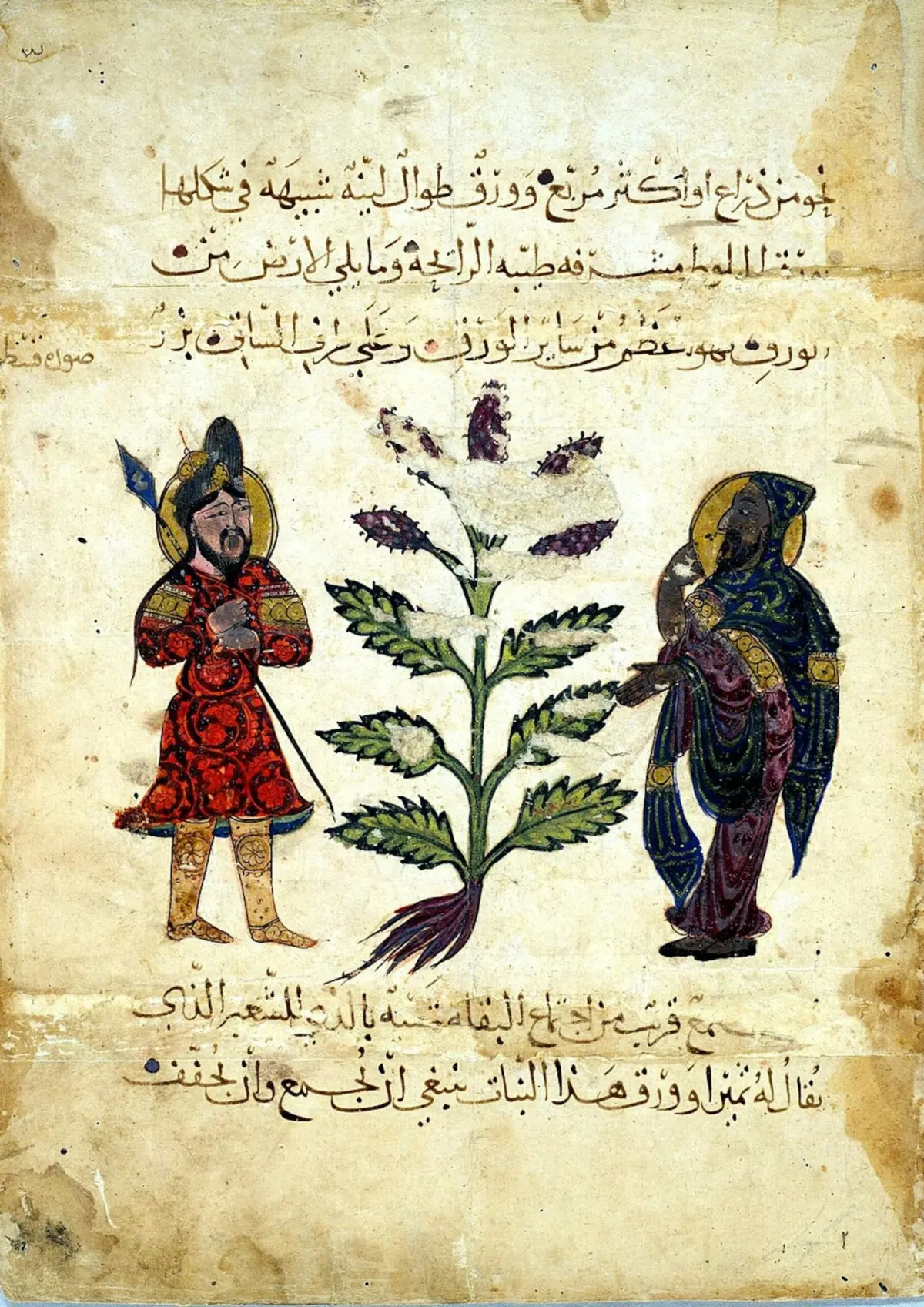
Plants have long bridged the gap between practical utility and supernatural defense. Seventeenth-century botanist Nicholas Culpeper asserted in his landmark Complete Herbal (1653) that the bay tree (Laurus nobilis) could successfully shield a garden from witchcraft, lightning, and demonic interference. Similarly, betony (Betonica officinalis) was celebrated as a panacea against epidemics, liver disease, and sorcery, while bittersweet nightshade (Solanum dulcamara) was deployed to intercept harmful magic. In Britain and Europe, rosemary bushes served a dual purpose as culinary herbs and temporal traps; folklore dictated that night-wandering witches would be compelled to count every single leaf, effectively trapping them until dawn dissolved their powers. Across the Americas, the apotropaic qualities of chilli peppers led to their frequent attachment to doors to repel malignant forces.
2. Mystical Symbols and Mason’s Marks
Historic buildings across Europe frequently bear cryptic inscriptions. Hexafoils (daisy wheels constructed from six overlapping ellipses), interlocking "V" marks (historically linked to Virgo Virginum, or the Virgin of Virgins), and pentagrams or hexagrams are regularly etched into timber beams, stone door jambs, and plaster mortar. While architectural historians often debate whether these represent utilitarian mason’s marks or decorative flourishes, their stubborn concentration near high-risk zones—such as fireplaces, chimneys, and thresholds—strongly indicates an intentional apotropaic function.
3. Magical Architecture and Structural Quirks
Architecture itself has frequently been co-opted for defense. In the Aragon region of Spain during the 17th and 18th centuries, elaborate geometric shapes were carved onto chimney flutes specifically designed to visually confuse and entrap malicious witches. On Jersey, "witches’ seats" served as architectural diplomatic gestures. Globally, the inclusion of demon tiles in China and Shigandang stones in East Asia demonstrates a universal architectural recognition that the physical threshold of the home must be metaphysically reinforced.
4. Witch Bottles
Representing perhaps the most visceral form of counter-magic, witch bottles were stoneware or glass vessels buried beneath thresholds, boiled, or concealed up chimneys across Europe from the early modern era into the 20th century. Typically containing biological matter from the afflicted individual (urine, hair, fingernails) alongside iron pins, thorns, and cloth hearts, these bottles were engineered to afflict the sorcerer’s bladder, forcing them to reveal themselves or breaking their power entirely. The absolute rule of the practice was absolute secrecy: uttering a word about the bottle’s existence would instantly neutralize the counter-spell.
5. Sacred Texts and Relics
Religious objects frequently doubled as apotropaic talismans. In 19th-century rural Britain, placing a Bible beneath one’s pillow was a standard prophylactic against nightmares and nocturnal entities. In Ireland, protective circle-enclosed crosses were inscribed into farm mortar to deter capricious fairies—euphemistically termed the "good people." Meanwhile, within the Ottoman Empire, master calligraphers produced intricate hilyas—illuminated scrolls detailing the physical and spiritual virtues of the Prophet Muhammad—which were housed in protective lockets or hung upon walls to secure domestic tranquility.
Official Statements & Academic Perspectives
Scholarly consensus increasingly recognizes that domestic magic cannot be dismissed as mere superstition; rather, it represents a sophisticated historical framework for managing risk and psychological well-being.
Dr. Ceri Houlbrook, a prominent folklorist and cultural historian specializing in historic graffiti and concealed objects, emphasizes the deeply human dimension of these practices:
"The historical record shows us that people living in constant vulnerability—whether to disease, fire, or social friction—sought tangible agency over the uncontrollable. These marks and hidden objects are physical manifestations of hope, fear, and the enduring human desire to draw a line in the dirt against misfortune."
Archaeologists working with the Portable Antiquities Scheme in the United Kingdom have similarly highlighted that the discovery of witch bottles and apotropaic marks within domestic structures challenges modern secular assumptions about the past.
Furthermore, psychological anthropologists note that the therapeutic value of these rituals remains potent. Whether an individual plants a rowan tree to repel a neighbor’s "evil eye"—a practice observed by researchers in regions as diverse as North Yorkshire and the broader British Isles—or hangs a modern hag stone, the underlying mechanism is self-soothing. As contemporary studies on ritual behavior indicate, performing deliberate protective actions significantly lowers perceived stress and grants individuals a sense of psychological mastery over their environment.
Future Outlook: The Resurgence of Esoteric Self-Care
As society navigates an era defined by rapid technological disruption, economic uncertainty, and ecological anxiety, the ancient impulse to secure the domestic sphere is undergoing a fascinating digital and physical renaissance.
Far from disappearing into the archives of the Bodleian Library, the visual culture of magic is being re-evaluated through the lenses of folk heritage, mindfulness, and contemporary wellness. Modern esoteric practitioners, neo-pagans, and heritage tourists are actively engaging with historical grimoires and preservation societies to map, document, and replicate historical protective magic. Historic property trusts across Europe are increasingly incorporating the interpretation of "witches’ marks" into their public tours, transforming once-stigmatized superstitions into celebrated cultural heritage.
Ultimately, whether expressed through the ancient Chinese placement of Shigandang stones, the historical European concealment of a witch bottle, or the modern suburban trend of cultivating apotropaic flora, the fundamental truth of domestic magic endures. Magic takes myriad forms because human anxiety takes myriad forms. In a world that often feels unpredictable and overwhelming, the act of fortifying one’s home—physically and metaphysically—remains a timeless, deeply human method of taming troubles and reclaiming peace of mind.