Executive Overview
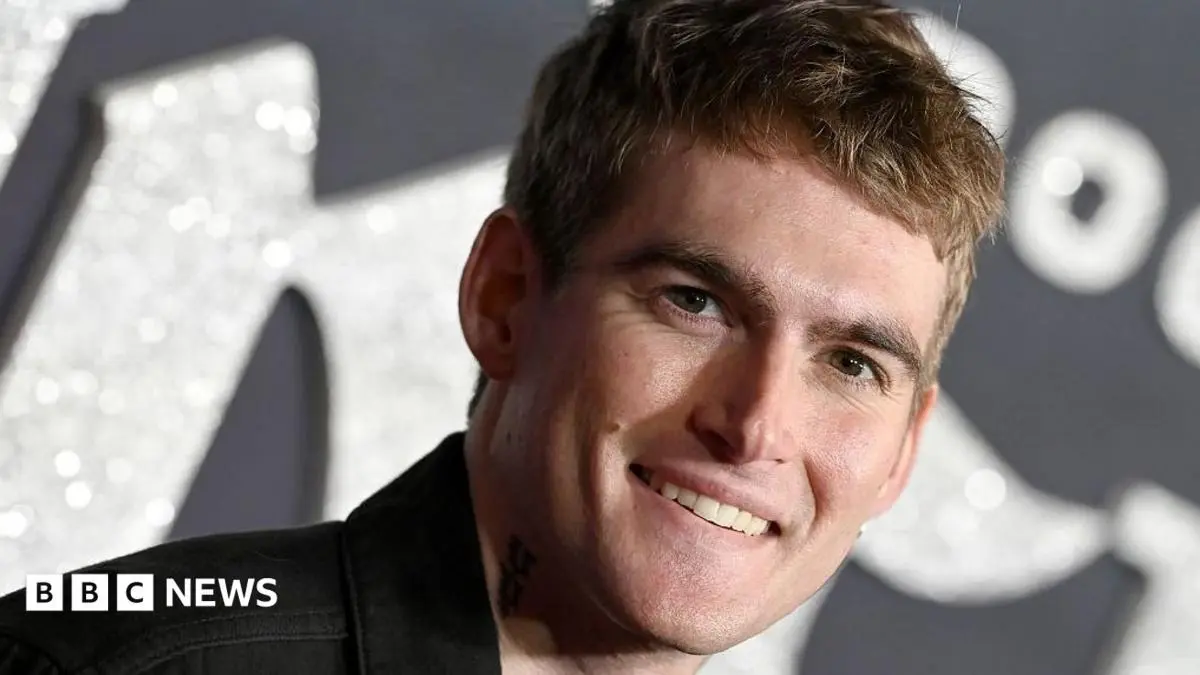
The fashion world and one of Hollywood’s most prominent families are in deep mourning following the untimely passing of Presley Gerber, the model and son of supermodel icon Cindy Crawford and prominent businessman Rande Gerber. Presley, who carved out a notable career of his own on international runways before grappling publicly with mental health struggles and addiction, died on Sunday at a rehabilitation facility in Southern California. He was 27 years old.
According to preliminary records filed by the Los Angeles County Medical Examiner, the precise cause of death remains unlisted, pending further investigation and toxicology reports. The sudden and profound loss has sent shockwaves through the entertainment industry, prompting an outpouring of condolences from fellow designers, models, and public figures who watched Presley grow up under the relentless glare of the global media spotlight.
Representatives for the family have confirmed the tragedy, requesting that the public and media respect their privacy as they navigate an unfathomable grief. The loss hits a family long celebrated for its tight-knit dynamics, philanthropic endeavors, and commercial success. Presley, along with his younger sister Kaia Gerber, represented the next generation of fashion royalty, having inherited the striking features and undeniable poise of their legendary mother. Yet, beneath the veneer of privilege, high-fashion campaigns, and jet-set lifestyles, Presley’s life was increasingly defined by a courageous, highly public battle against internal demons—a struggle that ultimately underscored the indiscriminate and devastating nature of addiction and mental health crises.
Detailed Chronology
Early Life and Ascent in the Fashion Industry
Born into the upper echelons of pop culture and high fashion on July 2, 1996, Presley Walker Gerber grew up surrounded by the architects of the 1990s supermodel phenomenon. As the firstborn child of Cindy Crawford and Rande Gerber, he and his sister Kaia spent their formative years shielded from the most intrusive aspects of celebrity culture in Malibu and Los Angeles, though exposure to the industry was inevitable.
Presley’s entry into the fashion industry occurred organically. Possessing classic good looks, piercing blue eyes, and an effortless, youthful cool, he made his high-profile runway debut at the age of just 16 for the Italian luxury label Moschino, walking in their vibrant, star-studded Milan presentation. The debut signaled the arrival of a compelling new face in menswear.
Throughout his late teens and early twenties, Presley’s career gained significant momentum. He quickly became a fixture during international fashion weeks, securing prestigious bookings across Milan, Paris, and New York. His portfolio grew to include campaigns and runway appearances for some of the world’s most recognizable luxury houses, including:
- Burberry: Showcasing the brand’s quintessential British heritage collections.
- Dolce & Gabbana: Participating in high-profile millennial-focused runway shows alongside other prominent celebrity offspring.
- Bottega Veneta: Exemplifying the refined, understated luxury synonymous with the Italian leather goods powerhouse.
Beyond modeling, Presley’s lineage connected him deeply to the intersecting worlds of entertainment and business. His father, Rande Gerber, is a self-made nightlife entrepreneur and businessman who famously co-founded Casamigos Tequila alongside Academy Award-winning actor George Clooney, a venture that further cemented the family’s status within elite cultural circles.
The Turning Point: Public Struggles and Vulnerability
As Presley transitioned into young adulthood, the pressures associated with high-profile modeling, identity formation, and private struggles began to mount. In recent years, he transitioned from a silent participant in the celebrity ecosystem to an open advocate for mental health awareness, using his platform to address the realities of depression and substance abuse.
In a poignant 2023 appearance on the Studio 22 podcast, Presley spoke candidly about his personal journey through darkness, expressing a desire to use his own pain as a vehicle for helping others:
"Having struggled with mental health, depression and some other things that come along with that, I think that whether I help one person or a hundred people get out of that place that I was in at one point in my life, that’s all I need to do."
This transparency resonated deeply within a cultural moment that increasingly demands accountability and honesty regarding the mental health toll exacted by modern celebrity culture.
The gravity of these challenges was further illuminated just weeks before his passing. In a revealing interview published in American Vogue, his sister Kaia Gerber spoke openly about the profound impact her brother’s struggles with addiction had on their family dynamic. Kaia reflected:
"When something like that happens in a family, it kind of levels everyone. I think that’s also why I started to self-identify as the easy one and never wanted to ask for help."
The Final Days
According to records obtained from the Los Angeles County Medical Examiner, Presley Gerber passed away on Sunday while residing at a specialized rehabilitation facility in the Los Angeles area. He was actively seeking treatment and working toward recovery at the time of his passing. Law enforcement and medical examiners have initiated standard protocols to determine the exact sequence of events leading to his death, with toxicology and autopsy reports expected to take several weeks to clear administrative and scientific reviews.
Supporting Context & Metrics
The Broader Crisis: Addiction in the Public Eye
Presley Gerber’s passing highlights a sobering reality that transcends socio-economic status, fame, and privilege: the escalating crisis of substance use disorders and mental health challenges globally, and particularly within the United States.
Public health metrics from the Centers for Disease Control and Prevention (CDC) and the Substance Abuse and Mental Health Services Administration (SAMHSA) consistently demonstrate that substance-related mortality has reached unprecedented levels over the past decade. While celebrity deaths often capture media attention, they serve as tragic reminders of a systemic issue affecting millions of families regardless of background.
+-----------------------------------------------------------------+
|               KEY CONTEXTUAL METRICS & FIGURES                  |
+-----------------------------------------------------------------+
| Age at Passing:              27 Years Old                       |
| Primary Industry:            High-Fashion Modeling              |
| Notable Brands:              Moschino, Burberry, Dolce & G.     |
| Key Support Arena:           Mental Health & Addiction Advocacy |
| Jurisdiction of Incident:    Los Angeles County, California     |
+-----------------------------------------------------------------+
Experts in behavioral health note that individuals navigating the intersection of public visibility, high-stress careers, and genetic predisposition to addiction face unique hurdles. The pressure to maintain a pristine public image often delays timely intervention, making structured environments like rehabilitation facilities critical, albeit sometimes insufficient against advanced dependencies.
The Impact on the Modeling and Fashion Ecosystem
The fashion industry has faced mounting scrutiny over the past decade regarding the welfare, psychological support, and lifestyle pressures imposed upon young models. Agencies and luxury houses have increasingly implemented wellness initiatives, mental health resources, and age-verification protocols to protect minors and young adults entering the fast-paced world of international fashion.
Presley’s career, though brief, mirrored the evolution of modern male modeling—where social media footprint, personal narrative, and vulnerability often intersect with traditional aesthetic requirements. His willingness to speak out about his internal battles shifted public perception of him from a stoic clotheshorse to a deeply relatable young man fighting an invisible war.
Official Statements
The global reaction to Presley Gerber’s death has been characterized by profound sorrow, respect for the family’s privacy, and tributes from across the cultural landscape.
Family Representative Statement
In the immediate aftermath of the medical examiner’s filing, Allie Jenkins, an official representative speaking on behalf of Cindy Crawford and Rande Gerber, issued a brief yet poignant statement to the BBC’s US news partner, CBS:
"The family is asking for privacy during this very difficult and painful time."
Friends close to the family have emphasized the raw nature of their grief, noting that Cindy Crawford and Rande Gerber have always been intensely devoted parents who prioritized the well-being and emotional grounding of both Presley and Kaia, despite the complexities of raising children in the international spotlight.
Industry Tributes
As news spread across social media and wire services, figures from the fashion, entertainment, and design communities offered their condolences:
- Design Houses: Several brands for which Presley walked issued statements acknowledging his warmth, professionalism, and the light he brought to fittings and backstage environments.
- Colleagues and Peers: Fellow models and industry insiders flooded digital platforms with tributes highlighting his generosity, humility, and sharp wit, remembering him far beyond his physical appearance or lineage.
Future Outlook
Navigating Grief and Honoring a Legacy
As the Gerber family prepares to lay Presley to rest, the immediate future will undoubtedly be defined by private mourning and the arduous process of coming to terms with an unimaginable loss. In the coming weeks, as the Los Angeles County Medical Examiner releases final autopsy and toxicology findings, public curiosity may linger, but the core narrative remains rooted in human tragedy rather than administrative detail.
A Lasting Conversation on Mental Health
In the long term, Presley Gerber’s legacy may well be defined not only by his editorials and runway walks, but by the courage with which he confronted his vulnerabilities. By breaking the silence surrounding depression and addiction—both through his own podcast admissions and via the reflective vulnerability of his sister Kaia in recent journalistic profiles—he contributed to an ongoing cultural shift that de-stigmatizes mental health struggles.
For an industry and a society that often prioritizes perfection, Presley’s openness serves as an enduring reminder of the fragility of human life and the critical need for empathy, accessible treatment, and continuous support systems. As his family, friends, and fans move forward, the conversation he helped champion—one emphasizing healing over concealment—will endure as a vital part of his impact on the world.