Executive Overview
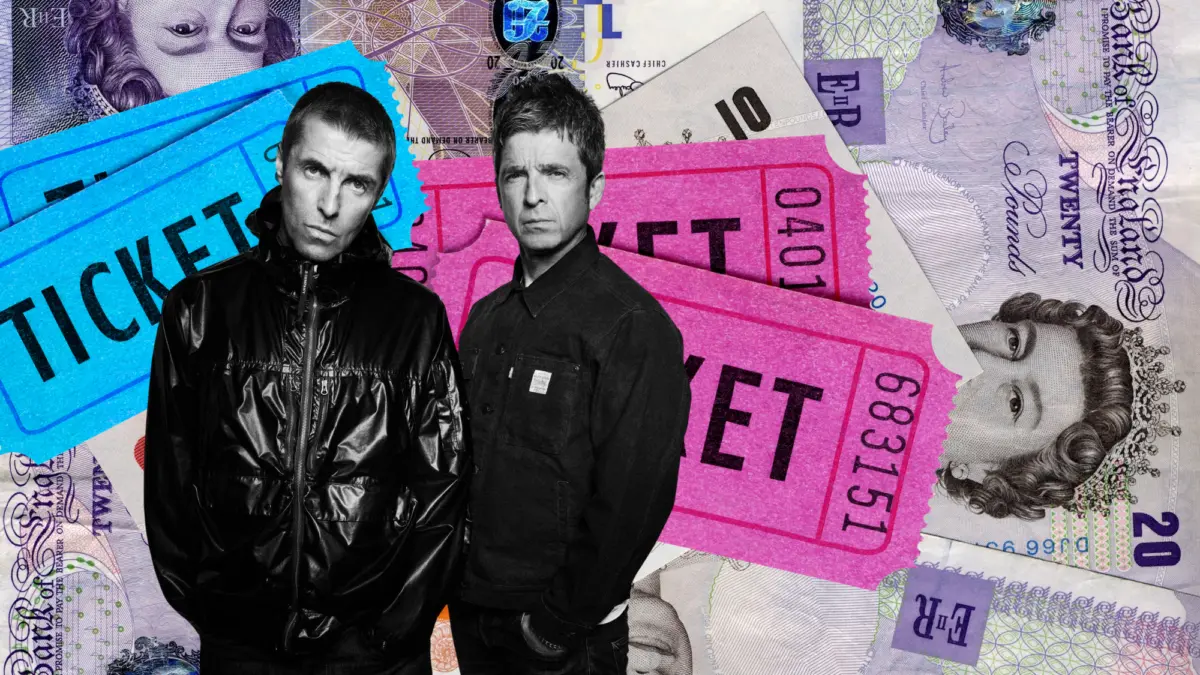
The live music landscape in the United Kingdom is facing a seismic reckoning. Following the chaotic ticket release for the newly announced 2027 Oasis tour—where primary platform Ticketmaster was overwhelmed and tickets instantly vanished—a fierce spotlight has once again been thrust upon the predatory practices of secondary ticket-reselling platforms. As desperate fans watched thousands of tickets appear on secondary markets bearing exorbitant mark-ups of nearly £3,000 per seat, the incident has catalyzed long-awaited political action.
The British government, propelled by a renewed sense of urgency from Prime Minister Andy Burnham and Culture Secretary Lisa Nandy, is aggressively ramping up work on landmark legislation designed to finally outlaw for-profit ticket resale in the UK. Reports from The Guardian reveal that the Department for Digital, Culture, Media and Sport (DCMS) has assembled a dedicated "bill team" of civil servants tasked with drafting robust legislation and closing loopholes, such as offshore reselling operations.
While primary stakeholders, artists, and anti-touting campaigns like the FanFair Alliance praise the government’s swift pivot toward a fairer ticketing ecosystem, secondary behemoths like Viagogo remain defiant. Insisting that resale is currently legal, regulated, and ultimately beneficial to fan choice, Viagogo has actively encouraged disappointed concertgoers to look past primary sell-outs and warnings of ticket cancellations. This high-stakes collision between exhausted music fans, defiant secondary brokers, and a politically motivated government sets the stage for a transformative battle over the future of British live entertainment.
Detailed Chronology: From Primary Sell-Outs to Offshore Loopholes
The latest chapter in the ongoing war against ticket touting began over the weekend when primary ticketing giant Ticketmaster opened sales for the highly anticipated 2027 Oasis reunion tour. As expected, millions of eager fans flooded the platform, resulting in virtual queues stretching into the hundreds of thousands and an immediate sell-out across all dates.
Almost simultaneously, however, secondary ticketing websites—most notably Viagogo—began listing thousands of Oasis tickets at staggering speculative prices. By Friday, the Manchester Evening News reported that individual tickets for the band’s hometown concerts in Manchester were being aggressively hawked for close to £3,000.
In response, the band’s management and promoters moved quickly to deter profiteering, issuing a stern warning that any tickets found on secondary websites would be strictly liable to cancellation without refund. This dynamic created an unprecedented game of high-stakes chicken between the promoters, who hold the power to void digitized barcodes at the turnstile, and secondary platforms encouraging fans to ignore the warnings.
Behind closed doors in Westminster, the chaos served as the final catalyst for bureaucratic acceleration. Although the Labour government initially floated plans to eradicate for-profit ticket touting back in November, the timeline for implementation had remained frustratingly vague. This year’s King’s Speech—which outlines the legislative agenda for the parliamentary session—offered little more than a commitment to "draft legislation," implying a protracted wait before any actual ban could be codified into law.
However, the political calculus shifted dramatically with the elevation of Andy Burnham. Known for his fierce advocacy of Manchester’s cultural heritage and his deep ties to the local music scene, Burnham’s ascent has injected personal passion into the policy. Culture Secretary Lisa Nandy confirmed this shift during a parliamentary session earlier in the month, noting that the Prime Minister regards ticket touting as a personal crusade and that the legislation would be fast-tracked to receive the parliamentary priority it deserves.
By the weekend, The Guardian broke the story that the DCMS had transitioned from conceptual planning to concrete execution by assembling a sizable "bill team." This specialised unit of civil servants is not only drafting the core prohibitions against commercial scalping but is also meticulously engineering mechanisms to mitigate the risk of touts migrating offshore—setting up virtual shop in foreign jurisdictions to bypass British consumer protection laws.
Supporting Context & Metrics: The Human and Economic Cost of Scalping
The economic injury inflicted by unregulated ticket touting is not merely a matter of frustrated consumer sentiment; it represents a systematic extraction of wealth from the live music ecosystem. According to fresh data published by the FanFair Alliance—an anti-touting campaign coalition dedicated to restoring fairness to the secondary market—Manchester’s live music economy alone loses millions of pounds annually to predatory intermediaries who add zero creative or logistical value to the touring infrastructure.
The mechanics of modern ticket touting have evolved far beyond the traditional image of a scalper standing outside a stadium with a wad of paper tickets. Today, sophisticated operators deploy automated scraping scripts, proxy servers, and bulk-account creation tools to bypass primary ticket limits on platforms like Ticketmaster. These bots sweep up inventory in fractions of a second, starving genuine fans of face-value access and immediately fundling the inventory onto platforms where prices can be inflated by 1,000% or more.
The human cost of this exploitation was sharply summarized by legendary Smiths drummer Mike Joyce, who threw his full weight behind the FanFair Alliance campaign last week. Speaking on the staggering valuations attached to Manchester concerts, Joyce remarked:
"Seeing tickets for shows being resold for thousands of pounds is outrageous. Fans pay more, artists gain nothing and venues see none of the benefit. That’s not supporting live music, it’s taking money away from the scene that made Manchester what it is."
Joyce’s condemnation underscores a fundamental systemic imbalance: while artists invest months in the studio and physical labor on the road, and while local venues absorb operational costs, insurance, and security overheads, commercial touts extract pure profit without contributing a single penny to the foundational ecosystem that birthed the talent. By backing the campaign for a fairer ticketing market, Joyce and other industry veterans hope to permanently close the loophole that allows parasitic entities to siphon wealth away from grassroots music culture.
Official Statements and Industry Dispatches
The war of words between consumer advocates, artists, and secondary ticketing executives reached a fever pitch over the weekend, punctuated by direct public relations maneuvers from Viagogo attempting to quell consumer panic.
In a statement published via Contact Music, a Viagogo spokesperson advised fans who missed out on the initial Oasis wave not to despair, asserting that "the initial on-sale isn’t your only opportunity to buy." While technically true in a broader philosophical sense—as fans unable to attend can legally resell tickets at face value via authorized channels like Ticketmaster or Twickets closer to the event dates—Viagogo’s operational intent was markedly different.
The platform’s official guidance urged consumers to "keep checking trusted resale platforms as the event approaches," implicitly directing traffic back to its own commercial exchange. Viagogo further argued that the currently inflated prices—such as the £3,000 Manchester listings—would inevitably drop as the tour date approached next May, attempting to frame its marketplace as a natural economic barometer rather than an engine of artificial scarcity.
When pressed by the Manchester Evening News regarding the legality of these listings and the very real threat of promoter cancellations, a defiant Viagogo spokesperson doubled down on the status quo:
"Resale is legal in the UK… Viagogo is a safe, secure and regulated marketplace and is fully compliant in the UK."
This defensive posture culminated in a broad philosophical defense of the secondary model. In its closing statement to regional media, Viagogo articulated its opposition to any legislative restrictions:
"We oppose anti-competitive actions taken by event organisers to restrict purchasing and resale options to certain platforms, as they ultimately harm fans by limiting their choice, flexibility and access. We will continue to advocate for access, transparency and open marketplaces for event lovers."
In stark contrast, consumer groups, primary platforms, and artist managements view this rhetoric as a smoke screen designed to protect predatory business models. Authorized face-value exchange platforms, which cap prices at the original purchase amount, prove that secondary markets can exist to serve fans rather than exploit them—provided the profit motive is stripped away.
Future Outlook: Will the Ban Beat the Tour Bus?
As the political spotlight intensifies during this week’s Labour Party Conference, all eyes are fixed on Westminster to see if Prime Minister Andy Burnham will deliver a firm, immutable timeline for the implementation of the anti-touting legislation. With his political capital directly tethered to the cultural vitality of Manchester and his well-documented fandom of bands like Oasis, the pressure to deliver a legislative victory has never been higher.
The timeline moving forward presents a fascinating race against the clock. The Oasis 2027 tour is slated to kick off next May. For-profit ticket resale remains technically legal in the United Kingdom today, giving secondary platforms and touts a temporary window of operational legitimacy. However, if the DCMS bill team maintains its current breakneck pace, and if ministerial resolve remains as ironclad as Lisa Nandy has indicated, the legal landscape could undergo a radical transformation before the first chord of the reunion tour is struck.
Should the legislation successfully pass through Parliament with provisions sturdy enough to withstand offshore relocation tactics by rogue platforms, the live entertainment landscape in the UK will experience a watershed moment. It would signal the end of an era where software bots and speculative brokers could hijack cultural milestones for personal enrichment. Until then, fans holding high-priced tickets purchased through secondary channels must weigh the psychological thrill of securing entry against the very real, institutional threat of promoter cancellations. One thing is certain: the days of unchecked ticket touting in Britain are facing their final, most formidable curtain call.