Executive Overview
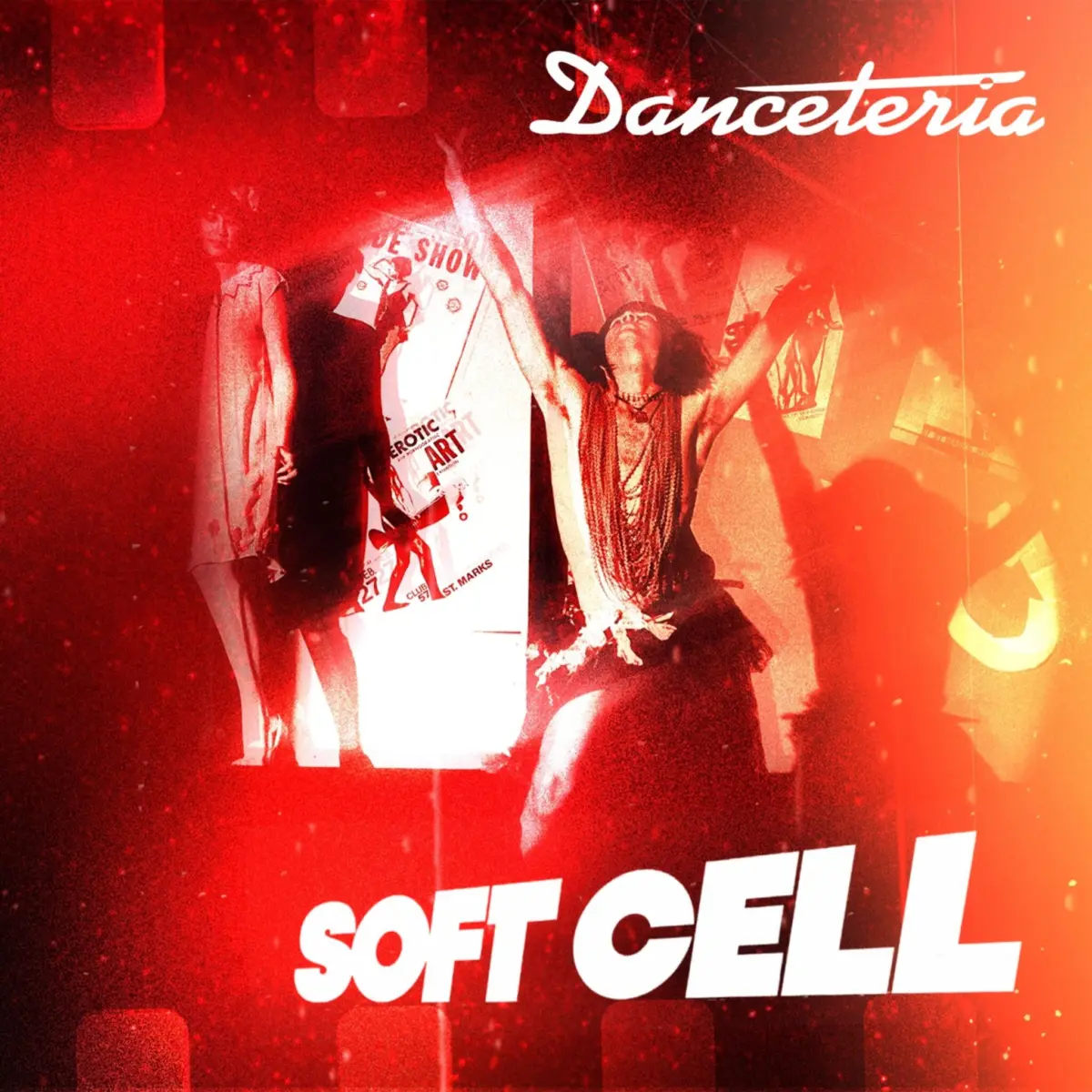
For synth-pop pioneers Soft Cell, the arrival of Danceteria—their sixth and final studio album—carries a profound emotional weight. Named after the iconic, multi-floor New York nightclub that defined an era of downtown grit and glamour, the record arrives almost a year after the passing of multi-instrumentalist and sonic architect Dave Ball. Having completed work on the project just days before his death, Ball left behind a masterpiece that brings the duo’s storied career full circle.
Frontman Marc Almond has been unequivocal in his declarations: Danceteria represents the definitive end of the Soft Cell journey. In interviews accompanying the album’s announcement, Almond firmly stated that without Ball, continuing the moniker is an impossibility. "The sad reality is that Dave Ball was half of Soft Cell, and live work aside, I can’t write Soft Cell songs without him," Almond affirmed.
Rather than viewing the project through a lens of pure mourning, Danceteria functions as a triumphant, uninhibited retrospective. Inspired by the duo’s formative experiences in New York City during the early 1980s—the very crucible where they recorded their global breakthrough hit, "Tainted Love"—the album pairs evocative, storytelling-driven lyrics with a hedonistic, driving synth-pop production. It is a dual-purpose creation: a vibrant celebration of a golden age of countercultural excess and a poignant, definitive farewell from one of electronic music’s most influential partnerships.
Detailed Chronology: From Soho’s Underbelly to Manhattan’s Neon Glow
To fully appreciate the narrative arc of Danceteria, one must trace the geographic and thematic trajectory of Soft Cell’s discography. Their 1981 debut album, Non-Stop Erotic Cabaret, stands as a monumental concept piece rooted in the seedier, nocturnal corners of London’s Soho. Fueled by illicit affairs, urban squalor, dark voyeurism, and sex work—its very title lifted from a strip club sign—it birthed immortal classics such as "Bedsitter" and "Say Hello, Wave Goodbye." It painted a picture of British working-class melancholy drenched in synthesizer arpeggiators and sleaze.
Conversely, Danceteria transports listeners across the Atlantic to Downtown Manhattan. Here, the sonic palette expands to mirror a world where punk, nascent dance music, and the burgeoning LGBTQ+ underground collided. During their early 1980s sojourns in New York, Almond and Ball rubbed shoulders with luminaries like Andy Warhol and Madonna, absorbing a culture that prioritized sensory overload and creative freedom.
The stage is set immediately with the album’s opening track, "Elusive." The song features an authentic archival sample of Anita Sarko, the legendary Danceteria DJ, reminiscing about the venue’s glory years. Her philosophy underscores the ethos of the record: a commitment to living entirely in the present. As Sarko notes in the sample, "When we were doing our thing in the ’80s, we didn’t sit there and go, ‘Oh, this is going to be remembered.’"
Yet, remembered it was. Across the tracklist, Almond acts as a master chronicler of the night. On the title track, he paints a vivid mural of the personalities that populated the club scene. "The Space Inside" offers a penetrating glimpse into the minds of those who emerge only after the sun sets, while "Decadence is Hard Work" celebrates the sheer, exhausting stamina required to sustain a lifestyle of total excess.
Supporting Context & Metrics: Inside the Sound and Stories of Danceteria
Musically and lyrically, Danceteria does not shy away from the duality of nightlife—the ecstatic highs balanced precariously against the dangerous, self-destructive lows.
On "In Heaven (When I Dance With You)," Almond highlights the great equalizer of the underground club circuit: music as a unifying force for the marginalized and the misfit. The track swells with emotive chords as he sings:
“Here it is where we belong / Now, on the dance floor, who could ask for more?”
However, the album refuses to sanitize the era. Manhattan in the 1980s was as perilous as it was exhilarating. "Crackland" confronts the darker realities of the downtown drug culture with an upbeat, driving tempo that mimics the frantic heartbeat of addiction. Almond unblinkingly details the transactional nature of the scene:
“Need to know a trick if you wanna get a hit / We’re going to Crackland – baby say ‘please’.”
As the runtime progresses, Danceteria mirrors the natural progression of a long night out. The bulk of the album takes place in the dark, frantic hours of peak hedonism, but the final sequence of tracks captures the inevitable arrival of morning. Much like any marathon night of excess, a trilogy of songs—"What Is Your Morality," "Losing Yourself," and "After Hours"—finds Almond confronting the harsh light of day. Rather than wallowing in regret, the overarching consensus leans toward acceptance and defiance. In a lyric destined to become iconic among fans, Almond concludes:
“Losing yourself… is better than finding yourself.”
The album’s penultimate moments feature "Wave to America," before transitioning into a masterclass of a cover: Was (Not Was)’s "Out Come the Freaks." Bolstered by soaring backing vocals from soul and R&B icon Nona Hendryx, the track serves as an apt post-credits encore. What elevates this final moment from a standard cover to a legendary historical artifact is the vocal contribution of Dave Ball himself. Closing out the record, Ball delivers the definitive final line:
“Woodwork squeaks and out come the freaks.”
With that final utterance, Ball effectively hands the baton to future generations of electronic music creators, signing off on a career that permanently altered the DNA of pop music.
Official Statements & Industry Impact
The announcement of Danceteria sent ripples through the international music community, prompting tributes from peers, critics, and devoted fans alike. The loss of Dave Ball in late 2024 left a chasm in the British electronic landscape, making this final LP a sacred text for followers of synth-pop, new wave, and industrial music.
In a comprehensive statement released alongside the album’s rollout, Marc Almond reflected on the deeply personal nature of their final creative partnership:
"Dave and I spent decades exploring the margins—finding beauty in things that mainstream society deemed too dark, too strange, or too unconventional. When we walked into those New York clubs in the early eighties, we weren’t just tourists; we were sponges soaking up an attitude that changed our lives forever. Danceteria is our love letter to that time, and to each other. Finishing this record after Dave left us was the hardest thing I have ever had to do. Every synth patch, every drum machine beat, and every vocal take carries his spirit. When people listen to this album, I want them to feel the electricity of the dance floor, but also the unbreakable bond of two mates from Blackpool who somehow managed to capture lightning in a bottle."
Music critics have already begun evaluating the record as a watershed moment in late-career artistic integrity. Unlike legacy acts that return with diluted, uninspired material, Soft Cell’s final statement matches—and in some ways emotionally transcends—the raw urgency of their 1981 output. By anchoring the album in real historical touchstones (Sarko’s voice, the homage to the physical Danceteria space, and the raw recounting of personal trials), the duo managed to avoid mere nostalgia, crafting a living, breathing contemporary electronic record.
Future Outlook: Preserving the Legacy of Soft Cell
With Danceteria officially out in the world, the chapter on new studio recordings from Soft Cell is permanently closed. Almond has maintained absolute consistency on this front: the artistic entity known as Soft Cell was inextricably linked to the creative chemistry between himself and Dave Ball. Without Ball’s signature knack for combining mechanical, abrasive electronic soundscapes with infectious pop sensibilities, any future attempt at writing under the Soft Cell banner would be an exercise in imitation.
Yet, the legacy of the duo is secure and expanding. Cultural preservation projects, vinyl reissues, and scholarly retrospectives are increasingly positioning Soft Cell not merely as 1980s chart-toppers (best known for their era-defining cover of Gloria Jones’s "Tainted Love," which famously spent a record-breaking number of weeks on the US Billboard charts), but as profound social commentators who brought queer narratives, fetish culture, and urban realism into the living rooms of mainstream households.
Furthermore, Danceteria ensures that Dave Ball’s final artistic statement is one of unbridled vitality. Rather than bowing out in silence or fading away, Ball worked tirelessly until his final days to ensure his musical legacy was complete, leaving behind a sonic monument that celebrates human resilience, nocturnal community, and the unyielding power of the synthesizer.
As clubs around the world spin the tracks from Danceteria into the late hours, the message remains clear. The physical spaces may fade, the nights eventually give way to morning, and artists may pass on, but the music forged by Marc Almond and Dave Ball will forever echo in the spaces where the marginalized, the dreamers, and the freaks belong.