Executive Overview
For decades, the global music landscape has viewed the rise of African music through a distorted lens. Western markets, historically accustomed to operating as the gatekeepers and architects of global pop culture, have frequently framed the explosive global footprint of Afrobeats as a sudden "discovery"—a serendipitous flash-in-the-pan born of viral algorithms and fortunate social media moments.
However, this reductive narrative ignores a profound truth: Afrobeats is not a newly uncovered genre; it is a rich, self-sustaining, deeply rooted cultural movement that has spent decades building its own internal machinery.
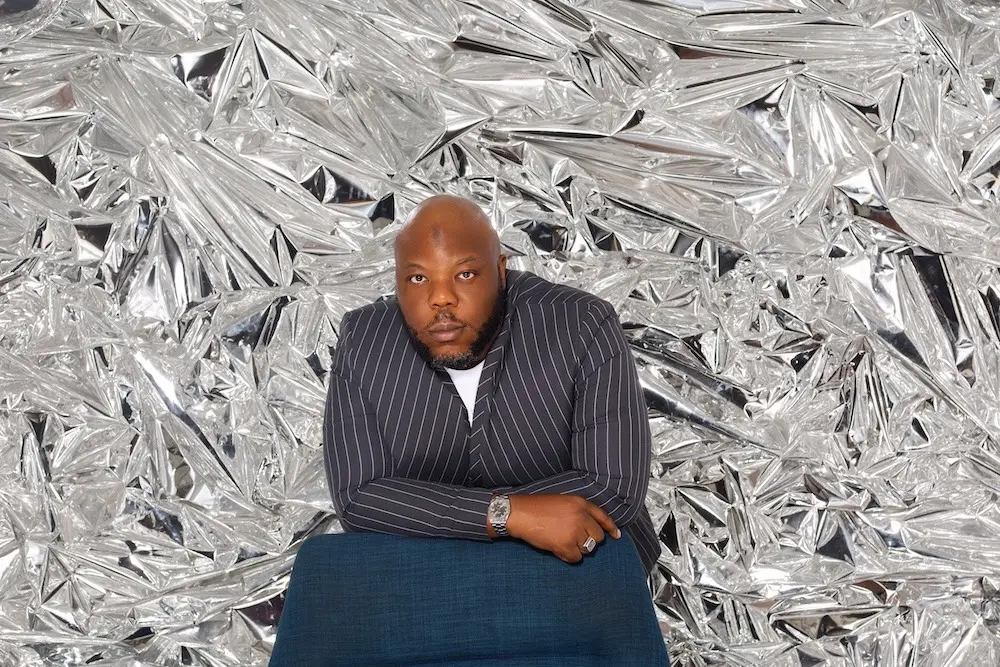
At the center of this paradigm shift stands Bizzle Osikoya, one of the most astute and forward-thinking music executives and talent managers operating within the global entertainment ecosystem. As the co-founder of The Plug—a sprawling, multifaceted entertainment powerhouse operating across music management, publishing, live events, and sports—Osikoya has spent over a decade dismantling Western misconceptions from the inside out. His fingerprints are all over the modern golden age of African music, having provided strategic guidance to breakout stars like Victony while helping to establish the formidable frameworks that support global heavyweights such as Davido, Tems, and Oxlade.
Osikoya’s professional philosophy is both straightforward and uncompromising: viral moments mean nothing without the structural scaffolding to support them. Whether he is scaling the Mainland BlockParty into a continent-crossing live event phenomenon or advocating for fair and equitable representation within the Recording Academy, Osikoya’s life’s work centers on the imperative of building self-sustaining ecosystems.
In this comprehensive exploration of the African entertainment economy, we unpack Osikoya’s insights regarding Western misconceptions, the delicate balance between cultural authenticity and global commercial appeal, the absolute necessity of infrastructural longevity, and why the next phase of the African musical renaissance belongs strictly to local ownership and long-term asset cultivation.
Detailed Chronology: The Evolution of The Plug and the Rise of Afrobeats Infrastructure
To truly understand where the African entertainment industry is heading, one must examine the painstaking chronology of how its foundational institutions were built. The current global dominance of African music did not happen overnight; it was engineered by visionary executives who refused to wait for permission from traditional Western gatekeepers.
Phase One: The Pre-Streaming Era and the Struggle for Local Validation (Early–Mid 2010s)
Before Spotify playlists, global DSP algorithms, and stadium tours across North America and Europe, the Nigerian and broader West African music industries operated largely within a localized, physical, and heavily pirated market. Record labels in Lagos and Accra functioned primarily as promotion agencies rather than structured corporate entities. Artists funded their own videos, relied on radio pluggers, and looked to corporate sponsorships for survival.
During this formative era, executives like Bizzle Osikoya recognized that digital disruption was coming. Operating as digital strategists and early A&R forces, these pioneers began organizing the digital distribution pipelines. They understood that if African artists were ever going to compete on the world stage, they needed to own their master recordings, understand publishing rights, and establish professional management teams that could protect them from exploitative international contracts.
Phase Two: The Birth of The Plug and Diversification (Late 2010s)
Recognizing that individual talent management was insufficient without a broader corporate framework, Osikoya, alongside his partners, founded The Plug. The vision was expansive: build an ecosystem that did not merely manage artists, but actively curated the culture across multiple verticals.
The Plug evolved into a multifaceted holding company encompassing:
- The Plug Music Management: Guiding the careers of top-tier African talent.
- The Plug Publishing: Securing songwriting and catalog rights to ensure long-term generational wealth for creators.
- Live Events: Launching culturally transformative properties like the Mainland BlockParty, which transformed from a localized Lagos street party into a multi-city, continent-spanning youth movement.
- Sports Management: Expanding the company’s footprint beyond music to capture the rising tide of African athletic talent.
This period was marked by the realization that physical infrastructure—venues, festivals, legal firms, and accounting agencies specializing in intellectual property—had to be cultivated locally to prevent the industry from relying entirely on Western partners for validation.
Phase Three: The Global Infiltration and the Era of the Megastar (2020–Present)
The arrival of the 2020s shattered old geographic boundaries. Fueled by TikTok, global streaming partnerships, and major label investments in Africa, artists like Davido, Burna Boy, Wizkid, and Tems achieved unprecedented mainstream success in the US and Europe.
However, this hyper-growth introduced new vulnerabilities. As Western labels rushed to sign African acts, the risk of cultural dilution skyrocketed. This is where Osikoya and his peers stepped up as protective guardians of the culture. By refusing to soften the sonic DNA of their artists, they proved that global audiences did not want watered-down pop music; they wanted the uncompromising, authentic rhythm, cadence, and language of Lagos, Accra, and Johannesburg.
Supporting Context & Metrics: Dismantling the "Discovery" Narrative
The Fallacy of the "Discovery" Lens
For years, Western media and legacy record labels have approached African music through a patronizing "discovery" lens. This perspective suggests that African artists are merely waiting in the wings for a Western A&R executive to unearth them, hand them a beat, and catapult them into global stardom.
Osikoya forcefully dismantles this myth:
"The biggest misconception is that African talent just needs a moment, a viral record, a co-sign, a festival slot, and the infrastructure will follow. In reality it works the other way around. The infrastructure has to exist before the moment or the moment gets wasted."
When a viral TikTok trend or a surprise guest feature leads to millions of streams overnight, the unprepared artist faces a logistical nightmare. Without robust publishing administrations, international touring agencies, sync licensing teams, and legal representation well-versed in cross-border taxation and copyright law, those millions of streams translate into very little sustainable career growth.
Metrics of the African Music Boom
To put the necessity of this infrastructure into perspective, consider the exponential growth of the African music market over the past five years:
- Streaming Revenue Growth: According to data from the International Federation of the Phonographic Industry (IFPI), Sub-Saharan Africa has consistently registered some of the fastest-growing recorded music revenues globally, with streaming acting as the primary growth engine.
- Global Chart Dominance: The introduction of dedicated Billboard charts (such as the Billboard U.S. Afrobeats Songs chart) and the inclusion of African categories in major award shows like the MOBOs, BET Awards, and the Grammy Awards reflect structural institutional recognition that took years of coordinated lobbying to achieve.
- Live Event Scaling: Properties like Mainland BlockParty have demonstrated that the domestic and intra-continental touring market is a multi-million-dollar industry in its own right, proving that African audiences are primary consumers, not secondary afterthoughts.
Official Statements & Industry Insights: Authenticity vs. Strategic Compromise
One of the most delicate challenges facing modern African music executives is navigating the treacherous waters of international crossover appeal. When an artist is invited into rooms with top-tier American producers, British rappers, and Caribbean superstars, the pressure to conform to Western radio formats is immense.
Osikoya offers a masterclass in how elite management teams handle this pressure:
"Authenticity and strategic play aren’t opposing forces, and the best outcomes happen when the strategy serves the authenticity rather than the other way around. Davido, Tems and Oxlade didn’t reach global audiences by softening what they did. They got there because the ecosystems around them figured out how to translate their sound without diluting it, and that is the actual skill."
Case Studies in Uncompromised Global Success
- Tems: When Tems’ distinctive vocal tone and phrasing captured the attention of Drake, Future, and Rihanna, her team did not attempt to mold her into a traditional American R&B balladeer. Instead, her placement strategy evolved to insert her unique artistic persona directly into the centers of global gravity. Her vocal pocket, language mix, and rhythmic cadence remained fiercely Nigerian, yet the world adapted to her—not the other way around.
- Davido: Rather than altering his music to fit archaic Western radio loops, Davido doubled down on meticulous visual and cultural rollouts. By controlling the narrative of how his music was introduced to international markets, he ensured that his sound arrived on its own terms, at massive scale.
Osikoya emphasizes that global audiences have grown increasingly sophisticated:
"Global audiences have gotten more sophisticated and they can tell the difference. If you have the right international team, you don’t need to compromise the sound to get the reach."
Future Outlook: The Next Phase of Ownership and Generational Wealth
As we look toward the horizon of the African entertainment ecosystem, the conversation is shifting decisively from access to ownership. For decades, African creators generated immense cultural value while a disproportionate share of the economic upside leaked out to foreign multinational entities.
Under the guidance of architects like Bizzle Osikoya, the current generation of African executives is rewriting the rules of engagement. The focus has pivoted toward three critical pillars for the future:
1. Institutionalizing Publishing and Intellectual Property Rights
For a long time, African artists treated publishing rights as an afterthought, focusing primarily on performance fees and endorsement deals. Today, companies like The Plug Publishing are aggressively securing writers’ rooms, catalog acquisitions, and global publishing administrator deals. This ensures that when an Afrobeats song is sampled, played in a Hollywood film, or streamed billions of times, the generational wealth remains firmly anchored within the African continent.
2. Building End-to-End Domestic Ecosystems
The ultimate goal for African entertainment leaders is to reduce reliance on Western infrastructure entirely. This means building world-class recording studios, legal firms specializing in intellectual property, state-of-the-art ticketing platforms, and localized touring circuits that can support stadium-level productions without requiring foreign logistical intervention.
3. Expanding into Multi-Vertical Entertainment Economies
Music is merely the vanguard. As demonstrated by The Plug’s expansion into sports management and large-scale lifestyle events, the future of African entertainment lies in creating an interconnected cultural grid. By merging sports, fashion, film, and live events, African executives are building self-sustaining economies that can weather global economic shifts and dictate terms to the rest of the world.
Conclusion
The global triumph of African music is not a historical accident, nor is it a fleeting internet trend. It is the calculated, hard-fought victory of resilient creators, visionary managers, and infrastructural architects who refused to let their culture be marginalized.
Through the tireless work of leaders like Bizzle Osikoya and institutions like The Plug, the African entertainment ecosystem has proven that authenticity is the ultimate currency. By prioritizing robust local infrastructure, demanding equitable global partnerships, and refusing to dilute their cultural DNA, these architects of the culture are ensuring that the global dominance of African entertainment is not just a moment—it is a permanent, foundational shift in the history of global pop culture.
For the complete, unedited conversation with Bizzle Osikoya, along with an extensive archive of deep-dives into the architects of global music and culture, visit the official Viper Substack.