Executive Overview
In the high-stakes, hyper-secretive world of reality television, few formats guard their narrative integrity quite as fiercely as The Traitors. Combining psychological warfare, clandestine roundtables, and high-production manipulation, the BBC juggernaut relies entirely on suspense. However, that veil of secrecy nearly suffered a catastrophic breach courtesy of Irish comedian Joanne McNally.
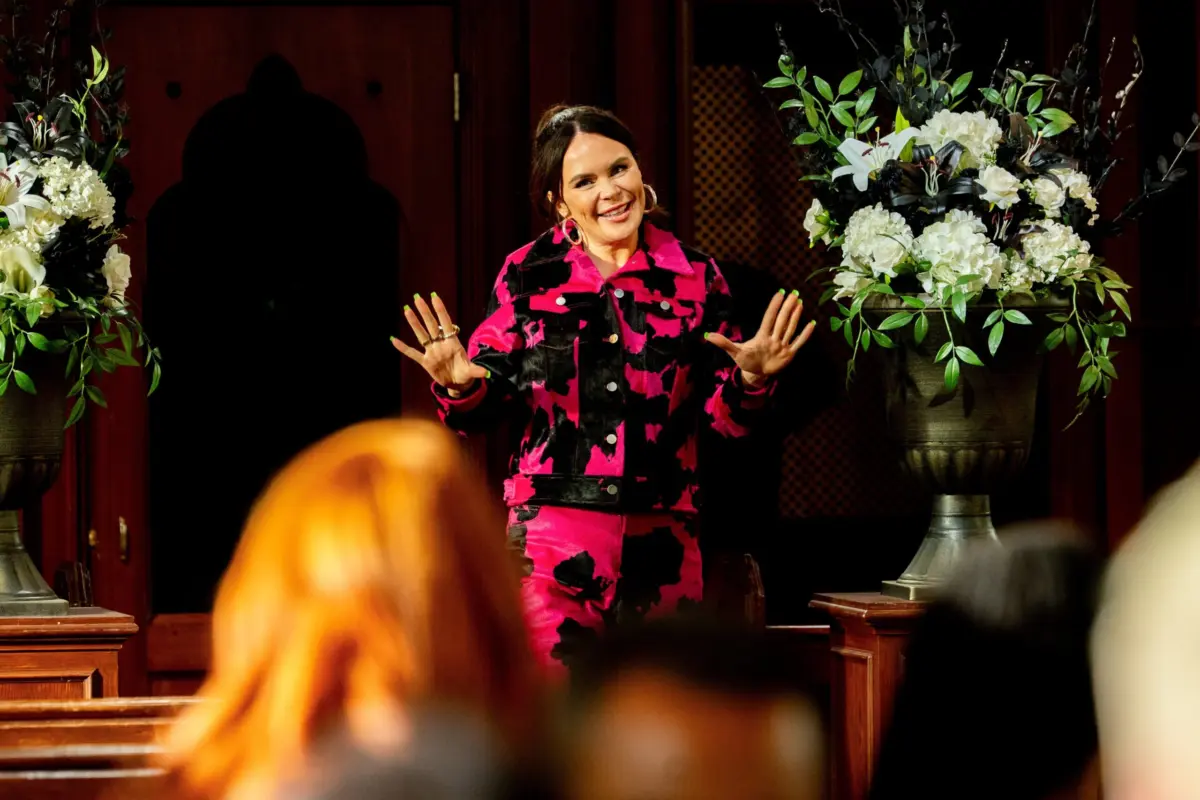
Fresh off a compelling run as a Faithful on the latest series of The Celebrity Traitors—where she was banished just one agonizing step away from the grand finale—McNally intended to give her legions of fans an unfiltered, unvarnished look behind the castle curtain. She recorded a comprehensive, "tell-all" bonus episode of her hit podcast, My Therapist Ghosted Me, alongside co-host Vogue Williams and producer Joe Attewell.
The episode promised to be a goldmine of insider gossip, candid post-mortems, and the raw truth of living under intense psychological surveillance in a Scottish Highlands fortress. Instead, it became the subject of a swift, eleventh-hour intervention by the BBC.
Faced with stark reminders of ironclad non-disclosure agreements (NDAs) and potential contractual breaches, the podcast team was forced to pull the episode mere hours before its scheduled Sunday release. While the hosts leaned into the comedy of the ordeal—joking about being bundled into the back of BBC vans and hauled off to the gallows—the incident highlights the uncompromising legal and operational frameworks television networks use to protect their intellectual property.
This deep dive explores the anatomy of the canceled podcast, the strict ecosystem of reality TV NDAs, how other contestants have navigated the murky waters of post-show publicity, and the broader implications for celebrity culture in the age of over-sharing.
Detailed Chronology: How a "Juicy" Episode Vanished into Thin Air
To understand how a major media mishap unfolded, one must retrace the frantic timeline of the first week of November.
Friday Afternoon: The Recording Session
Following her dramatic banishment in the penultimate episode of The Celebrity Traitors, Joanne McNally was a woman ready to speak her mind. On Friday afternoon, the production team for My Therapist Ghosted Me gathered to record what was billed as an essential companion piece for fans of the show.
Co-host Vogue Williams, despite nursing a severe hangover, had spent hours drafting probing questions and structuring an interview designed to extract maximum value from McNally’s firsthand experiences.
"I had spent ages on the research and the questions and I was finally getting to interview McNally and I was very dusty, hungover, but I was still there smiling," Williams recalled during the subsequent, scaled-back Wednesday release.
Producer Joe Attewell worked at breakneck speed, editing the sprawling, candid conversation into a slick, fast-paced bonus episode. By late Friday, the audio file was locked, loaded, and scheduled to drop for millions of eager listeners on Sunday morning.
Friday Night: The BBC Intervenes
The excitement, however, was short-lived. Late on Friday evening, reality caught up with the comedy duo. According to Attewell, the BBC made its presence felt in no uncertain terms, reviewing the scope of the recorded material and determining that it trampled all over the legal boundaries of McNally’s participant contract.
In a classic piece of podcast hyperbole on the following Wednesday show, Attewell joked about the severity of the network’s intervention:
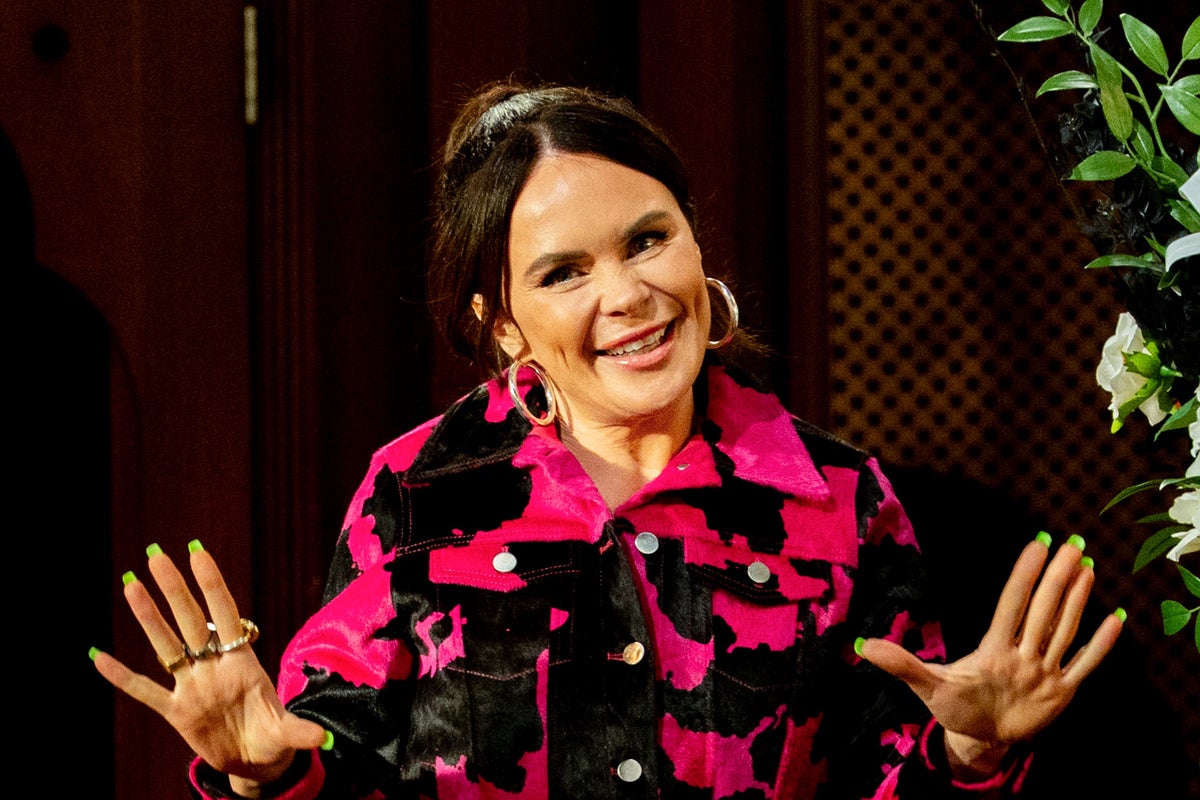
"Then late on Friday evening, I was bundled roughly into the back of a BBC van. They told me in no uncertain terms that just about everything that had been spoken about on the podcast was a violation of contracts that had been signed."
McNally chimed in with her signature self-deprecation: "We’d be taken to the gallows. Sometimes you’ve got to protect the privacy of the game and I understand that now."
The Wednesday Fallout
When Sunday arrived, the promised episode was nowhere to be found. Fans of both the comedian and the reality show flooded the podcast’s social media channels with demands for answers.
By Wednesday, November 4, the podcast addressed the elephant in the room. Attewell revealed that the team had received "eight to nine thousand messages… asking where that promised bonus extra episode went."
While The Independent understands that there was no official threat of catastrophic legal action—and that McNally’s dramatic framing was entirely tongue-in-cheek—the practical reality remains absolute: the episode was permanently shelved, consigned to the cutting-room floor, never to be heard by the public.
Supporting Context & Metrics: The Anatomy of Reality TV NDAs
The cancellation of McNally’s podcast episode sheds light on an industry built on absolute confidentiality. In the modern television landscape, spoilers can decimate a show’s ratings trajectory, turning appointment-to-view television into an easily digestible summary on social media.
The Price of Spoilers
Production companies and broadcasters take extraordinary measures to ensure contestants keep their cards close to their chests. Contenders on programs like The Traitors are subjected to rigorous vetting processes, extensive briefings, and legally binding non-disclosure agreements that carry severe deterrents.
Last year, The Traitors Series 2 finalist Jaz Singh spoke openly about the draconian nature of these contracts. According to Singh, breaching an NDA on a high-profile BBC format can result in the network suing participants for "hundreds of thousands of pounds of TV damages."
For a celebrity contestant like McNally, the financial stakes are compounded by professional reputation and future broadcasting relationships. The BBC represents a massive cornerstone of the British entertainment industry; burning bridges with the public service broadcaster over a single podcast episode is a luxury few working comedians can afford.
The Fan Backlash and Engagement Metrics
The intense public reaction—accruing nearly 10,000 inquiries within a matter of days—demonstrates the massive crossover appeal between chart-topping podcasts and prime-time reality television. My Therapist Ghosted Me regularly commands enormous listening figures, and its audience overlaps significantly with the demographic tuning in to watch celebrities skulk around Scottish castles.
Vogue Williams admitted that the shelved content was genuinely "juicy," teasing an alternative version of events that would have undoubtedly dominated entertainment news cycles for days. The frustration of the fanbase is palpable, yet it underscores the paradox of celebrity reality shows: audiences crave unfiltered authenticity, yet the legal apparatus required to make the show entertaining in the first place strictly prohibits that very same authenticity from ever seeing the light of day.
Official Statements and Contrasting Approaches
While Joanne McNally chose to respect the boundaries drawn by the BBC (under legal advisement), other stars of The Celebrity Traitors have played a much more permissive game with post-show revelations, testing the limits of what production companies will tolerate.
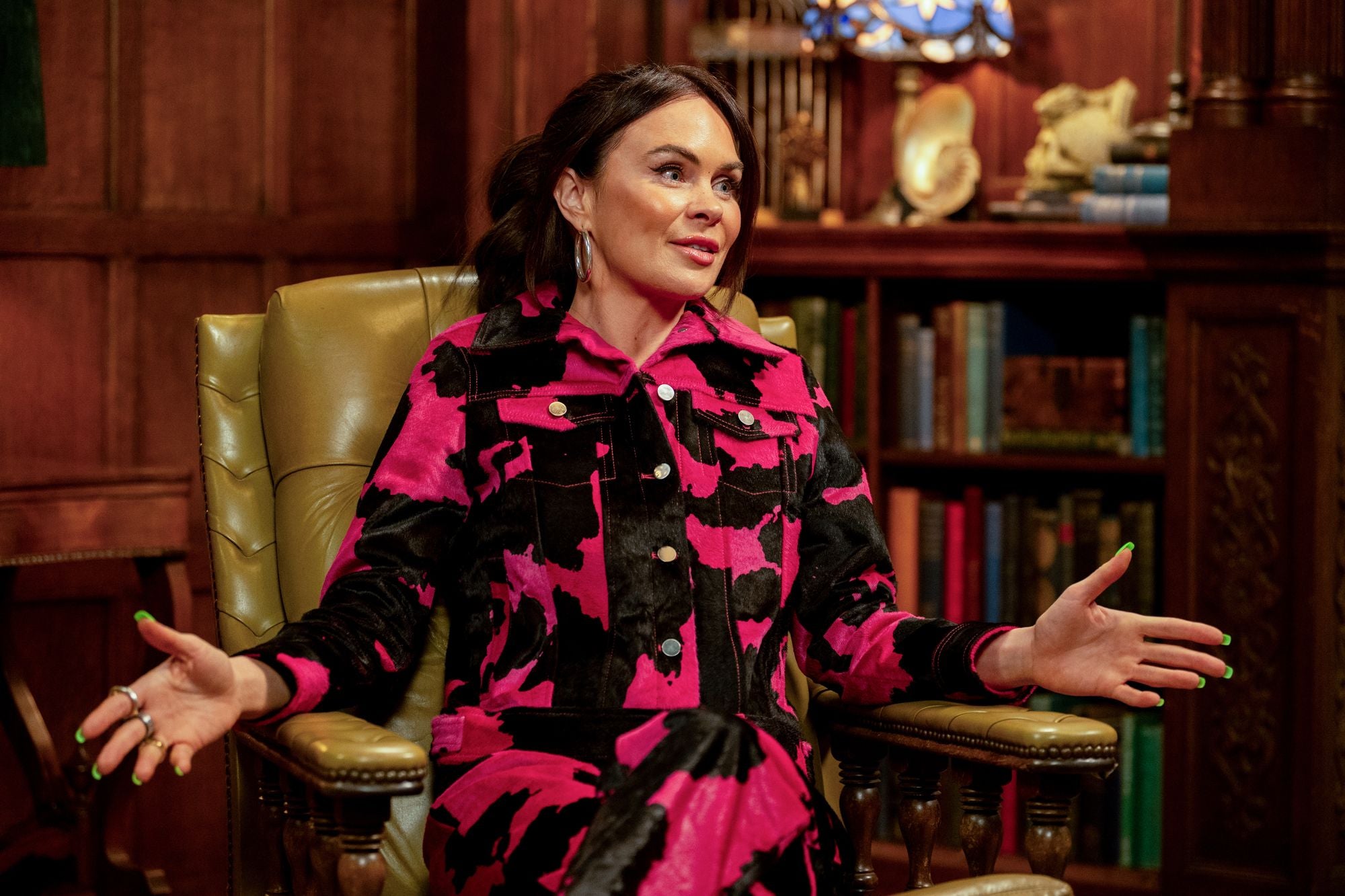
James Blunt Breaks the Mold
In stark contrast to McNally’s radio silence, singer-songwriter James Blunt took to the media circuit shortly after the series wrapped to expose what really happened behind closed doors.
Speaking about the dramatic penultimate episode—where comedian James Acaster seemingly capitulated at the roundtable and confessed to being a Traitor—Blunt revealed that viewers were only getting a sanitized version of the drama.
"Viewers didn’t see the full extent of James Acaster confessing to being a Traitor at a roundtable," Blunt noted, pushing back against the narrative that Acaster simply threw his hands up and surrendered. According to Blunt, the reality was "more dramatic than you saw."
This disparity highlights a fascinating gray area in reality TV enforcement. While explicit, blow-by-blow tell-all podcasts recording hours after a banishment are swiftly intercepted, anecdotal reflections shared in controlled journalistic environments often slip through the net.
The Grand Finale Context
For context, the 2026 edition of The Celebrity Traitors concluded in late October, delivering massive ratings for the BBC. The ultimate victory went to Faithful contestants Romesh Ranganathan and Sebastian Croft, who successfully navigated the minefield of deception to outlast their fellow competitors and split the coveted £83,000 prize pot.
McNally’s journey as a Faithful had captured the public’s imagination, making her near-miss with the final an ideal narrative arc for a celebratory post-mortem. Her inability to deliver that closure leaves a distinct gap in the show’s cultural aftershocks.
Future Outlook: What Does This Mean for Reality TV and Podcasting?
The Joanne McNally incident is unlikely to be an isolated event. As the crossover between podcasting and traditional television deepens, networks and content creators will increasingly grapple with how to monetize post-show hype without compromising the integrity of their intellectual property.
1. Stricter Contractual Pre-Clearances
Going forward, expect production companies to insert hyper-specific clauses into participant contracts regarding companion podcasts and unauthorized audio recordings. Celebrities who host their own media outlets present a unique liability; their instinct is always to create content out of their lived experiences, directly conflicting with the broadcaster’s need for timed, controlled rollouts.
2. The Rise of Sanctioned Companion Content
To combat unauthorized tell-alls, broadcasters are increasingly launching their own official companion podcasts (such as The Traitors: Uncloaked). These official channels allow networks to maintain absolute editorial control over the narrative, ensuring that behind-the-scenes secrets are dropped on their terms, vetted by legal teams, and weaponized for maximum promotional impact.
3. The Myth of the Unfiltered Celebrity
Ultimately, the aborted podcast episode serves as a reminder of the curated nature of modern entertainment. Fans may yearn for the unvarnished truth about how these hyper-stressful television environments operate, but the legal and corporate architecture surrounding major franchises will always step in to protect the illusion.
Joanne McNally may have missed her chance to spill the beans on My Therapist Ghosted Me, but the legend of her banned episode—and the thousands of messages it generated—ensures that the mystery of what really happened in the castle will linger long after the £83,000 prize money has been spent.