Executive Overview
The contemporary cultural landscape is experiencing a vibrant intersection of archival reclamation, artistic reinvention, and historical reassessment. Across the globe, creators, curators, and historians are examining the architecture of human memory—challenging established frameworks of visibility, institutional authority, and storytelling.
This deep dive explores major cultural developments across several distinct domains:
- The anarchic humor and theatrical innovations defining the 2026 Edinburgh Festival Fringe.
- The politics of representation highlighted by photographer Catherine Opie’s retrospective at the Royal Scottish Academy.
- The haunting literary legacy of Donna Tartt and Bret Easton Ellis, brought sharply into focus by the television adaptation of The Shards.
- The archival revelations surrounding Robert Falcon Scott and Ernest Shackleton’s pioneering Discovery Expedition (1901–1904).
- The deeply personal exploration of migration, sanctuary, and identity in Kadir Karababa’s multimedia exhibition One Song at The Art House in Wakefield.
By synthesizing these disparate threads, this report provides an authoritative examination of how contemporary culture engages with marginalized narratives, historical trauma, and the enduring human quest for belonging.
Detailed Chronology
1901–1904: The Dawn of Modern Antarctic Exploration
- August 1901: Robert Falcon Scott and Ernest Shackleton embark on the Discovery Expedition aboard the RRS Discovery, marking the official launch of the British National Antarctic Expedition. Despite an almost entirely inexperienced polar crew, the mission lays the foundational groundwork for modern polar science, charting uncharted coastlines, and collecting critical meteorological, geological, and biological data.
- 1904: The expedition successfully concludes, propelling both Scott and Shackleton into the public eye and establishing the template for subsequent bids on the South Pole.
1990s: Subcultures, Satire, and Elite Academia
- Early 1990s: Photographer Catherine Opie achieves widespread acclaim for her uncompromising documentation of LGBTQ+, transgender, leather, and queer subcultures, challenging heteronormative visual standards and redefining the American photographic canon.
- 1993: Donna Tartt publishes her seminal campus thriller The Secret History, a novel steeped in classical antiquity and elite academic insularity, dedicated to her close contemporary and former Bennington College classmate, Bret Easton Ellis.
The Contemporary Era (2026)
- August 2026: The Edinburgh Festival Fringe hosts a slate of experimental performances, notably Lady Bolognese: Class War and Ratbags Theatre’s How to Art. Concurrently, major exhibitions such as Catherine Opie: To Be Seen at the Royal Scottish Academy and Kadir Karababa’s One Song in Wakefield draw critical acclaim for addressing systemic visibility and displacement.
- August 2026: Historian Edward Armston-Sheret publishes The Grip of the Ice: Scott, Shackleton and Survival in the Frozen Frontier, offering a fresh evaluation of the human dynamics behind the Discovery Expedition.
- Present: The television adaptation of Bret Easton Ellis’s 1980s Los Angeles-set thriller The Shards premieres on Disney+, drawing renewed interest to the author’s real-life campus and social paranoia.
Supporting Context & Metrics
To fully appreciate the scope of these cultural milestones, it is helpful to examine the institutional parameters, demographic contexts, and artistic metrics underpinning each event.
The Edinburgh Fringe and Avant-Garde Performance Metrics
The Edinburgh Festival Fringe remains the world’s largest open-access arts festival. In 2026, the programming reflects a distinct shift toward hyper-localized satire and absurdism.
- Theatrical Crossovers: Shows like Lady Bolognese: Class War—created by Tanika Lay-Meachen and Matt Straker—leverage grotesque imagery and classic British institutional archetypes (the school dinner lady) to deconstruct class boundaries.
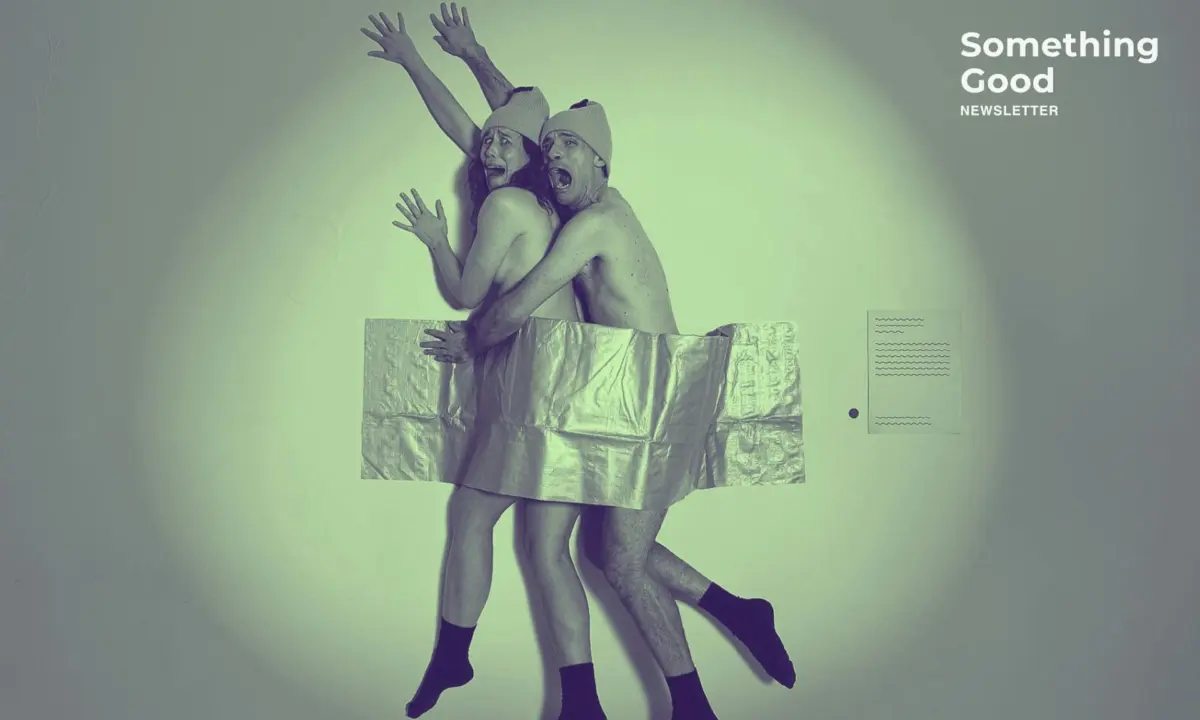
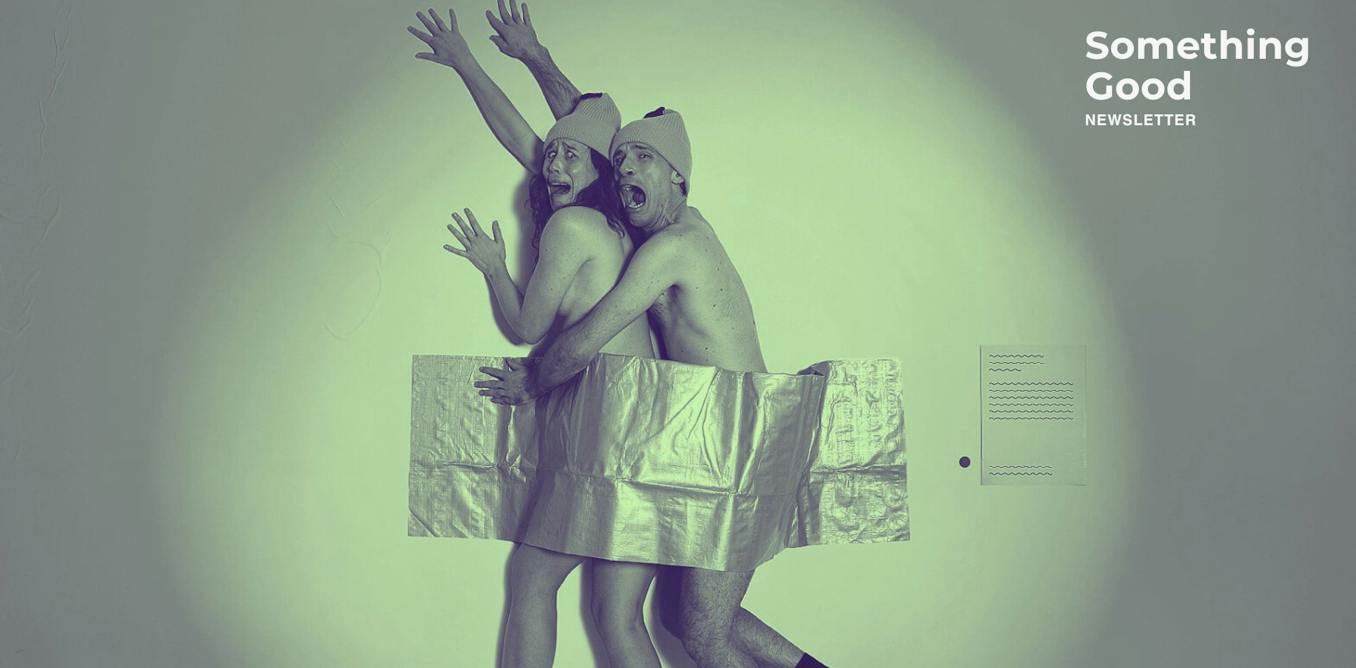
- International Absurdism: New Zealand’s Ratbags Theatre (How to Art) utilizes literal installations (actors duct-taped as bananas) to skewer the commercialization of modern art galleries.
Representation and Institutional Curation: Catherine Opie
At the Royal Scottish Academy, Catherine Opie: To Be Seen brings together nearly 80 portraits spanning three decades.
- Curatorial Strategy: By juxtaposing Opie’s photographs of queer and marginalized communities alongside historical portraits from Scotland’s national collection, the exhibition forces an institutional reckoning. It poses fundamental questions regarding who is deemed worthy of permanent historical preservation.
- Geographical Scope: The exhibition runs at the Royal Scottish Academy in Edinburgh until November 1, serving as a cornerstone for contemporary visual arts discourse in the UK.
Literary Geography: From Bennington to Los Angeles
The connective tissue between Donna Tartt’s The Secret History and Bret Easton Ellis’s The Shards highlights the enduring literary fascination with insulated youth culture, privilege, and latent dread.
- Casting and Meta-Narrative: The Disney+ adaptation of The Shards features performances by Igby Rigney, Homer Gere, and Kaia Gerber. The inclusion of second-generation industry talents adds an unexpected meta-textual layer to a story examining 1980s Los Angeles paranoia, elite wealth, and serial predation.
Historical Re-evaluation: The Discovery Expedition
In The Grip of the Ice, historian Edward Armston-Sheret re-examines the 1901–1904 Discovery Expedition through modern historiographical lenses.
- Personnel Metrics: Fewer than 10% of the crew possessed prior polar experience. Yet, their collective output yielded thousands of biological specimens, extensive meteorological logs, and the mapping of hundreds of miles of uncharted ice shelves.
- Scientific Legacy: The expedition proved that systematic, multi-disciplinary data collection could be successfully executed in extreme environments, forever altering the methodology of polar exploration.
Official Statements and Critical Perspectives
Cultural critics, curators, and academics have offered profound insights into the themes running through these works:
- On Portraiture and Belonging: Visual arts expert Katarzyna Kosmala (University of Edinburgh) notes that Catherine Opie’s work serves as a "compassionate record of how people create meaning, make connections and build their own sense of home," emphasizing the radical empathy inherent in documenting outsider communities.
- On Historical Revisionism in Polar Exploration: In discussing the human element of the Discovery Expedition, Edward Armston-Sheret highlights how the success of Scott and Shackleton was less about infallible leadership and more about the chaotic, adaptive resilience of ordinary men thrust into extraordinary circumstances.
- On Sonic Sanctuary: Reviewing Kadir Karababa’s One Song at The Art House in Wakefield, critics have praised the integration of personal archives—such as mid-20th-century exercise books containing handwritten lullabies—as a vital counter-narrative to nationalist debates on migration. Karababa’s installations effectively transform sound into architectural space, offering displaced women a permanent acoustic footprint.
Future Outlook
As cultural institutions navigate an increasingly digital and polarized world, the trends highlighted across literature, history, and the arts point toward several key trajectories for the future:
- Decentralization of Historical Authority: Exhibitions like Opie’s at the Royal Scottish Academy demonstrate that major galleries are increasingly willing to disrupt traditional permanent collections by inserting marginalized narratives directly into the historical canon. This trend is expected to accelerate, pushing museums toward more fluid, conversation-based curation.
- The Archival Turn in Literature and Television: The fascination with 1980s and 1990s campus subcultures—exemplified by renewed interest in Tartt and the adaptation of The Shards—suggests that audiences remain hungry for narratives that interrogate the dark underbellies of institutional privilege and youth isolation.
- Immersive and Multi-Sensory Storytelling: Projects like One Song indicate a growing demand for empathetic, community-led art that utilizes oral history, music, and tangible artifacts to bridge cultural divides. Future artistic funding and institutional programming will likely prioritize participatory models over passive viewing.
- Re-examining Heroic Narratives: Historical analysis is moving away from hagiography. Works such as Armston-Sheret’s reassessment of Scott and Shackleton pave the way for a more nuanced understanding of exploration—one that acknowledges institutional flaws, systemic pressures, and the contributions of overlooked crew members rather than relying on simplistic myth-making.
Ultimately, whether through the anarchic joy of the Edinburgh Fringe, the stark intimacy of Opie’s lens, or the frozen expanse of Antarctic archives, contemporary culture continues to prove that our collective past and present are best understood through diverse, uncompromising storytelling.