London’s vibrant classical music scene recently played host to a remarkable series of album launch events, highlighting the incredible diversity, historical depth, and collaborative spirit pulsing through the contemporary performance ecosystem. Over the span of a single bustling week, classical music aficionados, critics, and industry professionals were treated to live showcases that spanned centuries of musical innovation, rare archival discoveries, and cross-genre artistry.
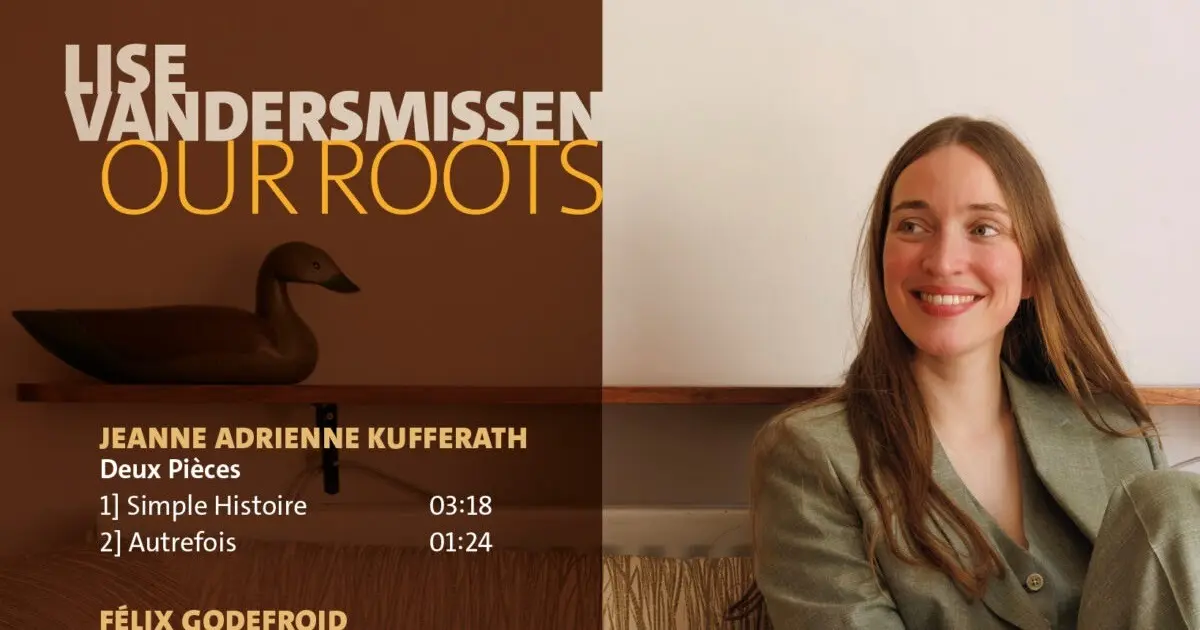
At the St Pancras Clocktower, acclaimed harpists Oliver Wass and Lise Vandermissen joined forces for a dual launch celebrating their respective new recordings: Wass’s sweeping two-disc compendium Musica per arpa on the Tactus label, and Vandermissen’s deeply personal exploration of her heritage, Our Roots, released on Etcetera. Just days later, the historic St Clement Danes church—serving as the Central Church of the Royal Air Force—echoed with the lyrical English art songs of Gerald Finzi. There, tenor Nick Pritchard and pianist Ian Tindale introduced their poignant Signum Classics recording, The Dance Continued, commemorating a significant double anniversary year for the composer.
This flurry of releases is more than a commercial milestone for the artists involved; it represents a triumph of niche curation. Both harpists and the duo of Pritchard and Tindale demonstrated how modern interpreters are breathing new life into forgotten repertoire. By juxtaposing historical artifacts—such as Vandermissen’s performance on a 1911 Erard harp and the presentation of unpublished Finzi juvenilia—with cutting-edge contemporary commissions, these events underscore the health and boundless curiosity of the contemporary classical recording industry.
Detailed Chronology of Events
The Dual Harp Showcase: St Pancras Clocktower
The week’s festivities commenced on Wednesday evening at the atmospheric St Pancras Clocktower. The joint launch event for Oliver Wass and Lise Vandermissen was a masterclass in acoustic programming, bringing together two distinct artistic visions for the modern concert harp while paying homage to historical performance practices.
The evening offered a rare sonic comparison. While both musicians utilized the modern concert harp for much of their respective sets, Vandermissen also stepped back in time to perform select repertoire on a meticulously preserved 1911 Erard harp. The distinct timbral qualities of the Erard—characterized by a silvery, intimate projection and a distinct mechanical action—provided a fascinating bridge to the late-19th and early-20th-century works featured on her album.
Following the solo presentations, the evening culminated in a collaborative glimpse into the future. Wass and Vandermissen took to the stage together to preview a brand-new, double-harp composition written expressly for them by contemporary British composer Oliver Davis. This synergy set the tone for a week defined by creative partnerships and cross-disciplinary exploration.
The Finzi Commemoration: St Clement Danes
Shifting from the plucked strings of the harp to the expressive landscape of the English art song, the week continued on Friday at St Clement Danes. Situated on the Strand, the Christopher Wren-designed church provided a poignant, history-laden backdrop for tenor Nick Pritchard and pianist Ian Tindale.
The duo gathered to celebrate the release of The Dance Continued on Signum Classics, a project deeply tied to this year’s double anniversary observance for Gerald Finzi. The venue choice was far from arbitrary; St Clement Danes functions as the central church of the Royal Air Force, forging an unspoken thematic link to Finzi’s life and times. Notably, Finzi’s close friend and musical executor, composer Howard Ferguson, served in the RAF during the Second World War.
Before an intimate audience of supporters, critics, and members of the Finzi Friends society, Pritchard and Tindale delivered breathtaking live renditions of songs that spanned the composer’s entire creative lifespan—from unpublished juvenilia to the heart-wrenching works completed posthumously by Joy Finzi and Howard Ferguson.
Repertoire Analysis: Unearthing the Past and Forging the Future
Our Roots – Lise Vandermissen (Etcetera Records)
Lise Vandermissen’s Our Roots is an artistic homecoming. As a Belgian artist performing internationally, Vandermissen turned her investigative lens toward the rich, yet frequently overlooked, musical heritage of her homeland. The resulting album is a carefully curated mosaic of Belgian composition, featuring works by Jeanne Adrienne Kufferath (1874–1919), Felix Godefroid (1818–1872), Jacqueline Fontyn (born 1930), alongside Vandermissen’s own original compositions.
Felix Godefroid: Historically celebrated as the "Paganini of the harp" due to his astonishing virtuosity and showmanship, Godefroid’s music on the album showcases the dazzling technical capabilities demanded of 19th-century harpists.
Jeanne Adrienne Kufferath: Providing a stark, elegant contrast, Kufferath’s salon-style pieces introduce a refined melodic charm and intimate harmonic language indicative of late-Romantic domestic music-making.
Jacqueline Fontyn: Representing the modern era, Fontyn’s piece—secured directly from the living composer—serves as a veritable catalog of advanced, extended harp techniques. It challenges performers to coax non-traditional sounds, percussive effects, and complex micro-textures from the instrument.
Vandermissen’s Original Works: Rounding out the project, Vandermissen’s personal compositions demonstrate a modern storyteller’s voice, uniting the historical threads of the album into a cohesive, contemporary statement.
Musica per arpa – Oliver Wass (Tactus Records)
In grand contrast to Vandermissen’s culturally focused project, Oliver Wass’s ambitious two-disc set Musica per arpa is an expansive, wide-ranging exploration of chamber music and solo literature for the instrument. The project spans centuries and aesthetics, brought to life through collaborations with the Pelleas Ensemble (featuring Oliver Wass on harp, Henry Roberts on flute, and Luba Tunnicliffe on viola) and the Ensemble APM, under the baton of conductor Luca Vacchetti.
The album builds a fascinating dialogue between early Italian Baroque masters—including Travaci, Palestrina, Caccini, and the trailblazing female composer Barbara Strozzi—and modern idioms. This historical bridge is anchored by three major contemporary works written specifically for Wass by composer Misha Mullov-Abbado.
During the St Pancras launch, audiences experienced this stylistic juxtaposition firsthand. Wass performed the demanding solo work Red Ruth by Mullov-Abbado, followed by a performance of the composer’s Three Meditation Songs alongside the Pelleas Ensemble—a piece originally written for the trio a decade ago.
Adding an imaginative layer to the evening, violist Luba Tunnicliffe contributed free, highly creative chamber arrangements of two vocal works by Barbara Strozzi. These adaptations transformed historical art songs into idiomatic chamber masterpieces for flute, viola, and harp, proving that early music remains a fertile ground for modern reinvention.
The Dance Continued – Nick Pritchard and Ian Tindale (Signum Classics)
The collaboration between tenor Nick Pritchard and pianist Ian Tindale on Signum Classics represents a monumental contribution to the recorded legacy of Gerald Finzi. The album captures the emotional gravity of Finzi’s vocal writing while offering scholarly insights through the inclusion of rare, unpublished early works.
The program highlights the profound editorial work undertaken after Finzi’s untimely death in 1956. His widow, Joy Finzi, alongside composer Howard Ferguson, meticulously assembled two major posthumous song cycles from manuscript sketches:
Till Earth outwears (Op. 19a): Poignant settings of poetry by Thomas Hardy, echoing themes of mortality, memory, and the enduring power of nature.
Oh fair to see (Op. 13b): A diverse cycle featuring texts by Hardy, Ivor Gurney, Christina Rossetti, Edward Shanks, Robert Bridges, and Finzi’s close friend Edmund Blunden. The cycle culminates in Finzi’s final completed song, a devastatingly beautiful setting of Bridges’ Since we loved.
Alongside these established masterpieces, Pritchard and Tindale’s recording—and their live performance at St Clement Danes—included five unpublished juvenilia. As pianist Ian Tindale observed during discussions surrounding the release, while these early songs remain unpublished for valid structural and stylistic reasons, enough time has passed to evaluate them objectively. They offer listeners an invaluable window into Finzi’s creative evolution, illuminating the formative compositional trials that eventually blossomed into his mature, unmistakable musical voice.
Supporting Context & Metrics
The success of these distinct album launches underscores broader economic and cultural trends within the classical music and independent recording sectors:
The Rise of Niche Curation: As streaming platforms commodify mainstream classical catalog items, independent labels (such as Tactus, Etcetera, and Signum Classics) are increasingly relying on hyper-curated, scholarly, and regionally focused projects to drive physical CD sales and targeted digital streaming.
Archival Discovery Value: Projects like The Dance Continued prove that there is a robust market for musicological discovery. The inclusion of five unpublished Finzi songs positions the album not merely as a performance artifact, but as a primary source for musicologists and ardent admirers alike.
Cross-Generational Commissioning: Both the Wass/Vandermissen harp collaboration and Mullov-Abbado’s ongoing relationship with Oliver Wass highlight the vitality of contemporary composer-performer partnerships. By championing brand-new repertoire written by living composers (such as Oliver Davis and Misha Mullov-Abbado), these young artists ensure that the classical canon remains a living, breathing tradition rather than a museum-bound archive.
Venue Versatility: Utilizing alternative performance spaces—such as the St Pancras Clocktower and the historic RAF church of St Clement Danes—demonstrates an industry-wide shift toward experiential, site-specific event marketing that connects modern audiences with historical architecture.
Official Statements and Artistic Perspectives
While formal corporate press releases often sanitize the artistic process, recent interviews and live introductions by the participating musicians reveal a deep, philosophical commitment to rediscovering forgotten voices:
Reflecting on the inclusion of unpublished material in their Finzi project, pianist Ian Tindale noted:
"These songs are unpublished for a reason, but sufficient time has elapsed that we can explore how these works reflect both Finzi before his style fully developed, along with the moments that look forward to his mature style."
This sentiment of historical excavation runs parallel to Lise Vandermissen‘s mission with Our Roots. By purposefully turning away from standard, over-recorded French and German harp canons, Vandermissen deliberately elevated Belgian composers like Jeanne Adrienne Kufferath and Felix Godefroid, framing them not as historical footnotes, but as vital contributors to European romanticism.
Similarly, composer Misha Mullov-Abbado has consistently emphasized the unique collaborative trust required when writing for specialized performers like Oliver Wass. The longevity of works like the Three Meditation Songs—written a decade ago and still vibrant in performance today—proves that modern collaborations are building the standard repertoire of tomorrow.
Future Outlook
The momentum generated by these high-profile autumn launches signals an exciting trajectory for the classical artists involved and the independent labels supporting them.
For the harp community, the preview of Oliver Davis’s new double-harp work performed by Wass and Vandermissen points toward an upcoming collaborative recording project that will further expand the modern repertoire for two harps. As contemporary composers increasingly recognize the vast sonic and textural possibilities of the harp—moving far beyond traditional orchestral accompaniment—artists like Wass and Vandermissen are well-positioned at the vanguard of this movement.
Meanwhile, the reception of The Dance Continued reinforces the enduring resonance of the English art song tradition. Supported by organizations like the Finzi Friends, Pritchard and Tindale have set a new benchmark for interpretive nuance and scholarly dedication, ensuring that Gerald Finzi’s double anniversary year leaves a permanent, high-water mark in the vocal discography.
Ultimately, these concurrent launches demonstrate that classical music in the UK is thriving not through imitation, but through fearless exploration. Whether unearthing unpublished manuscripts in dusty archives, championing female Belgian harp composers, or reimagining Baroque vocal works through free-spirited chamber arrangements, today’s emerging classical artists are successfully bridging the gap between historical reverence and radical innovation.