Executive Overview
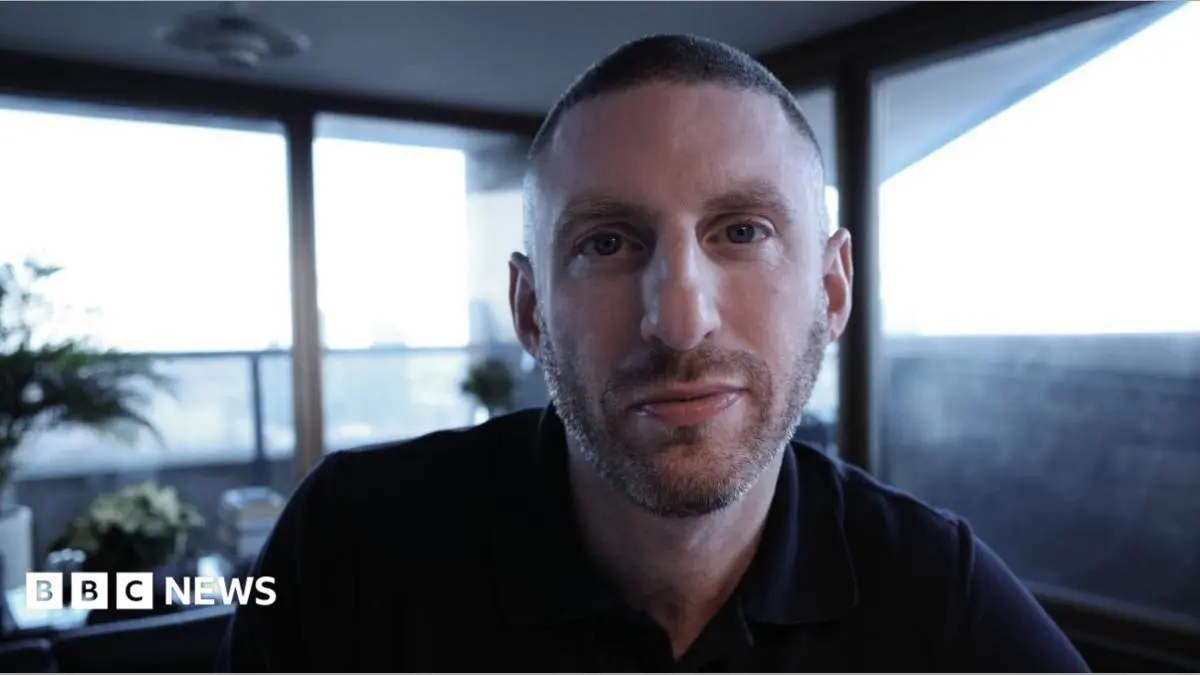
A fierce national controversy has erupted across the United Kingdom following the broadcast of a high-profile Channel 4 documentary questioning the physiological reality of Attention Deficit Hyperactivity Disorder (ADHD). Titled The Great ADHD Myth? and hosted by NHS psychiatrist Dr. Max Pemberton, the programme concluded that the condition is essentially "a social construct, not a disorder of the brain."
The broadcast has drawn swift and severe condemnation from leading medical institutions, mental health advocates, and prominent patient charities. Foremost among them, the national charity ADHD UK has formally lodged an official complaint with the media regulator Ofcom. Concurrently, the Royal College of Psychiatrists has issued strong public warnings, condemning the broadcast for invalidating a recognized neurodevelopmental condition at a time when patients already face unprecedented structural barriers to care.
In contrast, Channel 4 has stoutly defended the broadcast, invoking the network’s remit to provoke public debate and challenge conventional medical orthodoxy. Critical reception has been deeply polarized; while mainstream reviewers in publications such as The Guardian and The Times awarded the programme four stars for tackling a provocative subject, the medical and patient communities argue that the broadcast misrepresents clinical science, ignores empirical evidence, and inflicts profound psychological harm on neurodivergent individuals and their families.
This report examines the chronology of the broadcast, dissects the competing arguments presented by the documentary’s producers and medical critics, contextualizes the unfolding Ofcom complaint, and explores the broader public health implications of rising ADHD diagnosis rates against a backdrop of chronically overburdened National Health Service (NHS) waiting lists.
Detailed Chronology: From Pre-Broadcast Warnings to Ofcom Escalation
The friction surrounding The Great ADHD Myth? began well before the documentary ever reached television screens on Tuesday evening.
Pre-Broadcast Concerns
Recognizing the sensitive and potentially inflammatory nature of the project, independent advocacy organizations attempted to intervene prior to transmission. ADHD Embrace, a prominent charity supporting families navigating neurodivergence, raised formal concerns directly with Channel 4 leadership in advance. The organization issued a stark warning that the documentary’s premise risked "perpetuating misinformation about ADHD as a condition and discrimination against those families whose lives have been severely impacted by the condition." Despite these appeals, the network proceeded with the scheduled broadcast.
The Broadcast and Its Core Experiment
Presented by NHS psychiatrist Dr. Max Pemberton, the 60-minute documentary featured a series of interviews with medical professionals who harbor skepticism regarding current diagnostic thresholds and pharmaceutical intervention strategies for ADHD.
To anchor the programme’s theoretical stance in a narrative format, the production team followed a 10-year-old boy diagnosed with the condition. The documentary documented an explicit behavioral experiment: the child ceased taking his prescribed medication and implemented lifestyle adjustments to observe the direct impact on his day-to-day conduct. The programme concluded its primary narrative arc with the boy’s mother stating that he would remain off his pharmacological regimen for the foreseeable future.
However, a crucial text caption displayed in the closing moments of the broadcast revealed a stark twist: two months after filming concluded, the boy resumed his medication after experiencing a noticeable decline in his academic performance. Furthermore, the caption noted that while his schoolwork improved significantly upon returning to treatment, the child expressed a desire to attempt cessation again in the future.
Immediate Backlash and the Ofcom Complaint
The revelation embedded within the programme’s closing credits catalyzed immediate outrage. ADHD UK seized upon the contradiction, arguing that the documentary’s own empirical evidence actively dismantled its sweeping thesis.
Filing a formal complaint with Ofcom, ADHD UK stated:
"The programme’s own end credits told you what its 60 minutes wouldn’t: the boy at its centre went back on his medication, and his schoolwork improved. Their experiment disproved their conclusion. They aired their version anyway. We have already complained to Ofcom."
The charity reinforced its position with an uncompromising public statement: "ADHD is not a myth. It is not a social construct."
Official Statements and Institutional Rebuttals
The documentary has galvanized the medical establishment, eliciting rare, unified pushback from institutional psychiatry and patient advocacy groups alike.
The Royal College of Psychiatrists
Prof. Subodh Dave, president of the Royal College of Psychiatrists, issued a strongly worded institutional statement condemning the narrative framework of the Channel 4 broadcast. While acknowledging that clinicians and the public can engage in nuanced discussions regarding diagnostic methodologies and therapeutic interventions, Prof. Dave warned against the dangerous implications of casting doubt on the validity of the underlying condition.
"Invalidating the condition does a disservice to people with ADHD and professionals involved in their care," Prof. Dave stated.
He further redirected the national conversation toward systemic healthcare failures, arguing that media resources would be far better spent scrutinizing institutional resource allocation:
"The focus should be on improving access to high-quality assessments and care by addressing waiting lists that leave many people without vital support for years at a time, not questioning the legitimacy of a well-established neurodevelopmental disorder."
Channel 4’s Defense
In response to the mounting wave of criticism and the formal Ofcom regulatory challenge, Channel 4 issued a robust defense of the editorial choices behind The Great ADHD Myth?. The broadcaster maintained that the film operated squarely within the bounds of legitimate public interest broadcasting.
A spokesperson for Channel 4 stated:
"This documentary does not deny the lived experience of those diagnosed with ADHD, but does present the view of an extensive range of senior medical experts—many of whom work or have worked with the NHS or have held presidential roles at professional membership bodies—who seek to question the conventional understanding of ADHD and if it is a neurodevelopmental condition."
The network further argued that the documentary addressed vital contemporary questions regarding modern lifestyle pressures:
"They also ask whether modern living has contributed to a rise in diagnoses, and whether there may be better alternatives for some children than medication. Whilst the film does not seek to provide answers from one family’s experience, their experiences have opened up discussion around whether today’s world is equipped to accommodate ADHD behaviours and the ethics of medicating these, particularly in children and particularly when the long-term effects remain unknown."
Critical Reception in the Press
Mainstream cultural critics were deeply divided, reflecting the broader societal polarization surrounding neurodiversity discourse.
- The Guardian labeled the broadcast "the most controversial show of the year," awarding it four stars. Its review conceded that while the documentary "will incense and offend some of its viewers," Dr. Pemberton "answers his questions convincingly."
- The Times similarly awarded the programme four stars, asserting that much of the documentary "felt convincing, or at least the start of a necessary discussion."
Supporting Context & Metrics: The Reality of ADHD in the UK
To fully understand the gravity of the debate ignited by Channel 4, it is essential to examine the clinical definitions, epidemiological data, and systemic diagnostic pressures currently facing the United Kingdom.
Clinical Definitions and Prevalence
The National Institute for Health and Care Excellence (NICE) formally characterizes ADHD as "a behavioural syndrome characterised by hyperactivity, impulsivity, and inattention." Far from being a casual modern label, it is classified as a persistent neurodevelopmental condition with structural and functional neurological correlates.
Epidemiological estimates underscore how deeply the condition touches the British population:
- The NHS Burden: The NHS estimates that approximately 2.5 million people in England live with ADHD, a figure that encompasses both formally diagnosed individuals and those exhibiting clinical traits without an official medical label.
- Adult Diagnosis Surge: Data compiled by University College London (UCL) revealed a staggering nearly 20-fold increase in the number of UK adults diagnosed with ADHD between the years 2000 and 2018.
The Paradox of Underdiagnosis vs. Surging Waitlists
Paradoxically, even as public discourse focuses heavily on an apparent "boom" in diagnoses, comprehensive clinical research indicates that ADHD may remain fundamentally underdiagnosed, particularly among specific demographics.
In June, research published in The Lancet Regional Health – Europe journal illuminated this discrepancy. The study found that while approximately 1.2% of adults in England held a formal ADHD diagnosis, international prevalence metrics consistently estimate that the condition affects 3% to 5% of the general population. The study’s authors concluded that this substantial gap indicates the condition remains under-recognized, particularly among older age cohorts and marginalized groups.
Compounding this diagnostic gap is an acute administrative crisis within public healthcare. Referral rates and diagnosis requests for both ADHD and autism have soared to unprecedented levels across the UK. Consequently, NHS waiting lists for specialist neurodevelopmental assessments have reached breaking point, with waiting times stretching into years in many regions, and some clinical commissioning groups temporarily closing their waiting lists entirely due to unsustainable demand.
Future Outlook
The controversy surrounding The Great ADHD Myth? is unlikely to subside quickly, as it serves as a proxy battleground for broader tensions within modern medicine, media ethics, and public mental health provision.
- The Ofcom Ruling: The primary regulatory flashpoint will rest upon Ofcom’s formal assessment of ADHD UK’s complaint. The media regulator will be tasked with determining whether Channel 4 breached broadcasting codes regarding due accuracy, fairness, and the responsible handling of sensitive medical topics, particularly when dealing with pediatric health decisions.
- Impact on Clinical Trust: Medical leaders fear that prime-time television programming questioning established neurodevelopmental science may exacerbate the stigma faced by patients, potentially deterring families from seeking vital medical interventions or causing employers and educational institutions to dismiss legitimate accommodation needs.
- The Systemic Imperative: Ultimately, the fierce public debate underscores an urgent systemic reality. As long as millions of British citizens face multi-year waiting lists for clinical evaluations while trying to navigate a society increasingly unsuited to neurodivergent needs, media explorations of ADHD—whether framed as investigative critiques or criticized as dangerous misinformation—will continue to strike a deeply raw nerve across the nation.