Executive Overview
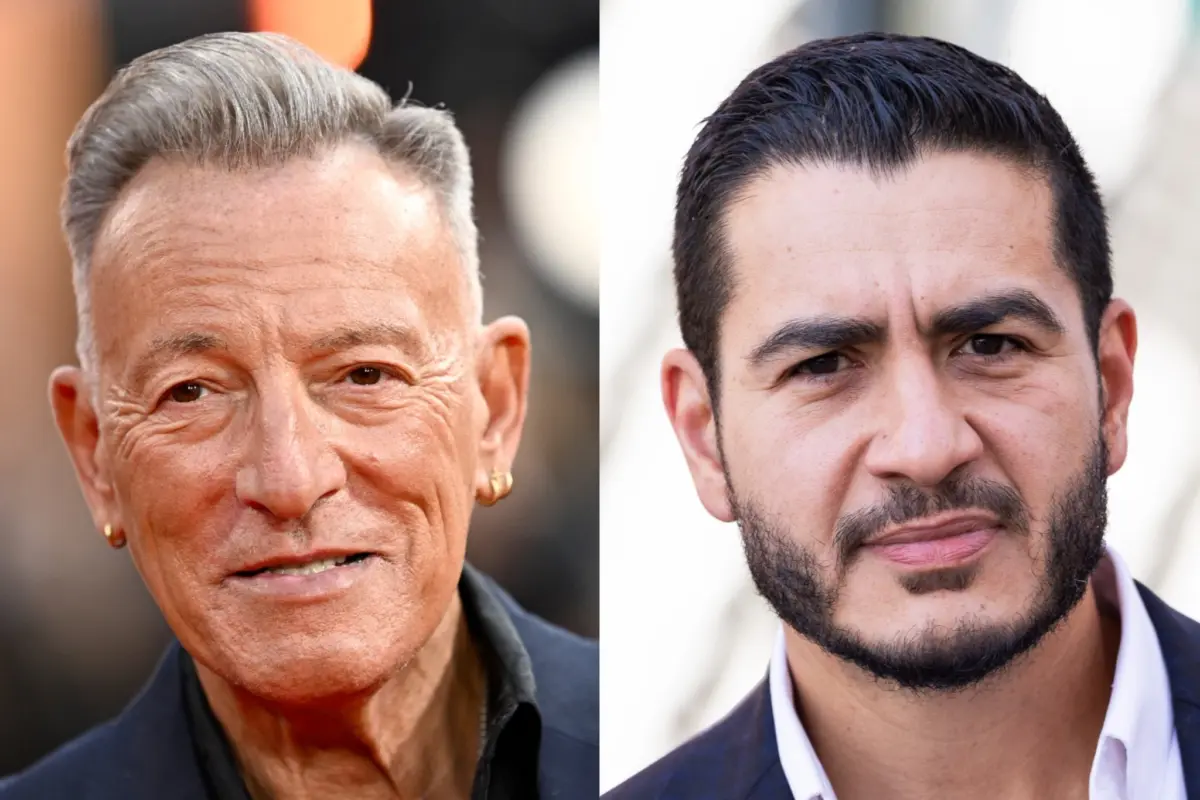
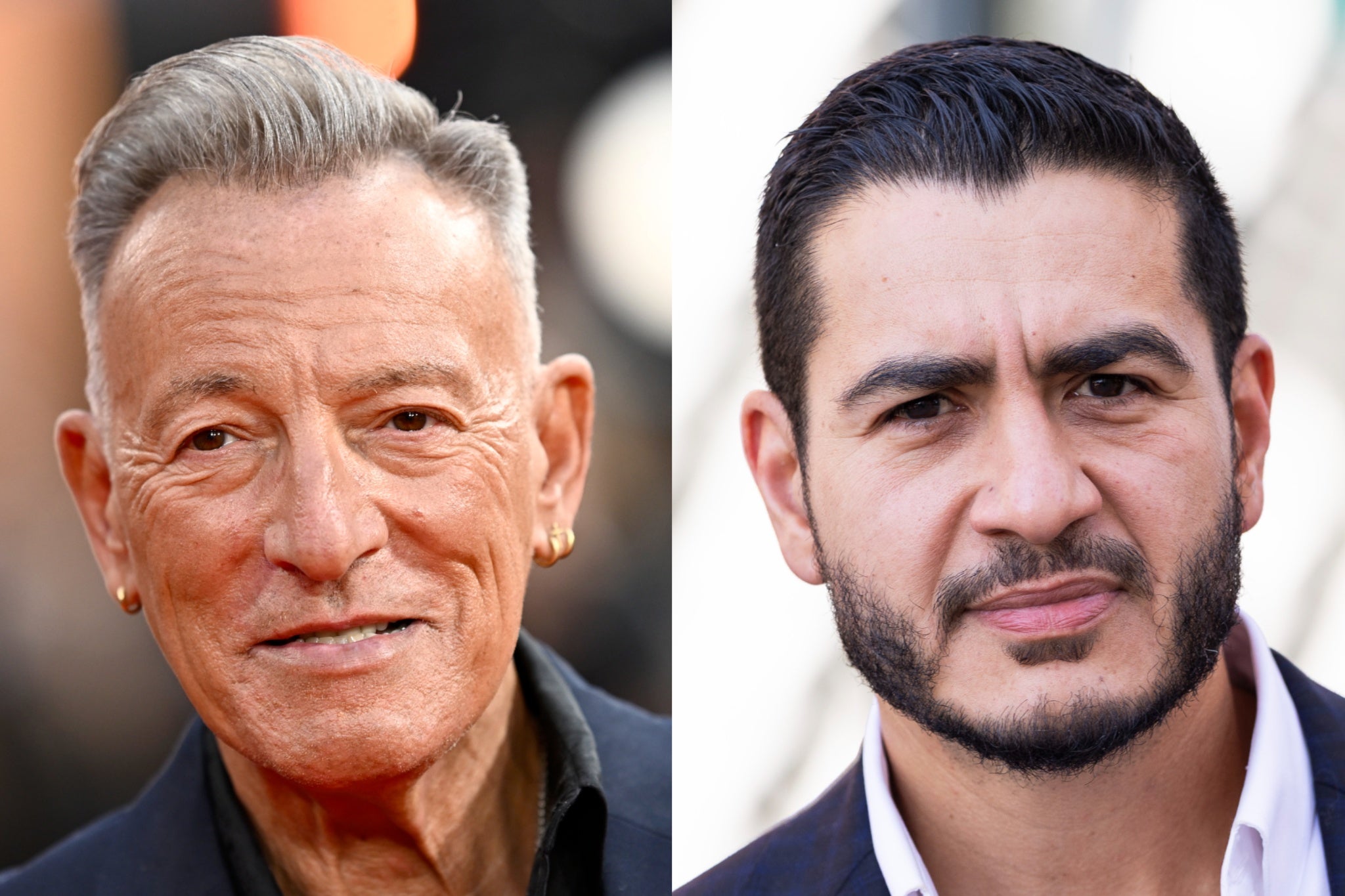
The race for the United States Senate in Michigan has erupted into one of the most volatile, fiercely contested, and nationally polarizing political battles of the electoral cycle. At the center of the storm is progressive Democrat Dr. Abdul El-Sayed, whose campaign has simultaneously secured the high-profile endorsement of legendary rock icon Bruce Springsteen and weathered a stunning, bitter betrayal from within his own party.
The political landscape shifted dramatically over the weekend when centrist Democratic Representative Haley Stevens—whom El-Sayed defeated in a hard-fought primary—announced she was withdrawing her support for the Democratic nominee and crossing party lines to endorse his Republican opponent, former Congressman Mike Rogers. The move has triggered a volcanic eruption of intraparty warfare, drawing furious denunciations from Senate Majority Leader Chuck Schumer and former House Speaker Nancy Pelosi, while eliciting triumphant applause from President Donald Trump.
Compounding the drama, Bruce Springsteen stepped directly into the fray with a scathing Instagram post endorsing El-Sayed and taking sharp aim at the sitting administration. The White House, through Communications Director Steven Cheung, dismissed the rock star’s intervention with a blunt, dismissive retort.
As Michigan hurtles toward Election Day, the race has transcended traditional partisan boundaries, morphing into a referendum on constitutional norms, foreign policy fractures, immigration rhetoric, and the battle for the ideological soul of the Democratic Party.
Detailed Chronology: How the Michigan Senate Race Exploded
The convergence of celebrity endorsement, primary fallout, and cross-party defection did not happen in a vacuum. It is the culmination of months of rising tensions within the Michigan electorate and the national Democratic apparatus.
The Primary Battle and Ideological Fault Lines
Months prior, the Democratic primary for the open U.S. Senate seat in Michigan pitted Dr. Abdul El-Sayed, a progressive physician, epidemiologist, and former executive director of the Detroit Health Department, against Representative Haley Stevens, a stalwart centrist who built her brand on manufacturing advocacy and pragmatic policy. The primary was marked by sharp ideological contrasts. El-Sayed campaigned heavily on economic populism, healthcare expansion, climate action, and progressive governance, galvanizing the party’s left wing. Stevens commanded strong support from moderate blocs, suburban voters, and traditional Democratic establishment donors.
When El-Sayed narrowly clinched the nomination, party unity was immediately flagged as a critical hurdle. In typical electoral cycles, primary rivals quickly mend fences to present a united front against the Republican nominee, Mike Rogers. However, underlying policy differences—particularly regarding foreign policy and the Middle East—began to strain relations between El-Sayed’s campaign and moderate stalwarts like Stevens.
The Breaking Point and Stevens’ Defection
The fracture widened into an open chasm when mutual accusations and tactical disagreements led to a formal rupture. According to statements from both camps, El-Sayed’s campaign informed Stevens that she was no longer welcome on the campaign trail and requested that she keep her distance.
Rather than quietly stepping aside, Stevens executed a political bombshell over the weekend. In a widely circulated video announcement, she weaponized El-Sayed’s rejection to justify an unprecedented cross-party endorsement.
"As you may have seen, our Democratic nominee for U.S. Senate, Abdul, said I was no longer welcome in his campaign and that I should stay away, and he’s right," Stevens stated. "And that’s why I am endorsing Mike Rogers for the U.S. Senate today."
The announcement sent shockwaves through Washington and Lansing alike, offering Republicans a rare and potent talking point highlighting internal Democratic chaos.
Springsteen Steps In
Amid the swirling controversy, 77-year-old New Jersey rocker Bruce Springsteen entered the arena with a forceful endorsement of El-Sayed on Instagram. Known for his working-class anthems and long history of political activism, Springsteen did not mince words regarding the current occupants of the White House.
Springsteen wrote:
"Dr. El-Sayed is a fighter for our American Constitution, he’s a fighter for our American Democracy, and he’s a fighter against the corrupt, lawless, and anti-American leadership currently in the White House. That’s why I’m in his corner 100%."
The endorsement immediately shifted national attention back to the race, elevating El-Sayed’s profile on the national stage while drawing immediate, hostile fire from federal executive leadership.
Supporting Context & Metrics: The Stakes in the Great Lakes State
Michigan remains one of the ultimate battleground states in American politics—a linchpin in the "Blue Wall" that dictates presidential outcomes and Senate majorities alike.
Demographics and the El-Sayed Phenomenon
Dr. Abdul El-Sayed represents a historic figure in Michigan politics. As the Michigan-born son of Egyptian immigrants, his biography is deeply woven into the fabric of the state’s diverse working-class communities. His public health background gained him widespread recognition during his tenure leading the Detroit Health Department, where he focused on health equity and environmental justice.
However, his identity and progressive platform have also made him a lightning rod for intense political attacks. President Trump has repeatedly targeted El-Sayed, launching inflammatory rhetoric at his heritage, baselessly branding him a "violent jihadist" during campaign rallies, and demanding that he be "sent back to where he came from." These xenophobic attacks have drawn sharp rebukes from civil rights organizations and Democratic leaders, while intensifying polarization among the state’s electorate.
The Republican Challenger: Mike Rogers
Mike Rogers, the Republican nominee, is a seasoned political operator who previously served as an FBI special agent, an Army officer, and a U.S. Representative representing Michigan’s 8th congressional district from 2001 to 2015, including a stint as the influential chairman of the House Permanent Select Committee on Intelligence. Rogers has framed his candidacy around national security, economic growth, and conservative governance.
With the endorsement of Donald Trump and now the defection of Haley Stevens, Rogers has positioned himself as a unifying figure capable of bridging traditional Republican conservatism and disaffected moderate Democrats.
Official Statements and Reactions
The fallout from Stevens’ endorsement and Springsteen’s intervention has exposed deep fissures across the American political landscape, drawing rapid responses from top-tier political figures.
The White House Dismissal
Reacting to Springsteen’s high-profile backing of El-Sayed, White House Communications Director Steven Cheung offered a characteristically blunt and dismissive response in a statement to The Independent:
"Nobody cares about his endorsement."
Despite the public dismissal, the administration has closely monitored the Michigan race, recognizing its strategic importance in maintaining executive leverage and countering progressive momentum.
Democratic Outrage: Schumer and Pelosi
The national Democratic leadership moved swiftly and forcefully to condemn Haley Stevens’ crossover endorsement, viewing it as a dangerous betrayal that threatens the party’s fragile Senate majority.
Senate Majority Leader Chuck Schumer took to social media platform X to excoriate the outgoing congresswoman:
"This is a despicable betrayal from Rep. Stevens. Senate Democrats are united in our support for Abdul El-Sayed, because we know he will fight for the economic interests of working families in Michigan, unlike Mike Rogers, who is a tool of Donald Trump and billionaire donors."
Former House Speaker Nancy Pelosi echoed Schumer’s fury, posting a stern rebuke on X:
"Haley Stevens has chosen to dangerously betray Michigan families’ healthcare, freedoms and future with her horrific endorsement of Mike Rogers. Abdul El-Sayed must win – because Michigan and our country deserve better."
Trump’s Exuberant Celebration
Conversely, President Donald Trump seized upon the intraparty conflict with undisguised glee, taking to Truth Social to praise Stevens’ act of political defiance.
"Wow, this is BIG," Trump wrote. "Stevens, a Highly Respected Democrat, who narrowly lost in the Primary to Abdul Mohamed El-Sayed, and who has been breathlessly wined and dined by the Dumocrats to help in their Michigan Campaign for the United States Senate against Mike Rogers, has just ENDORSED Mike Rogers for Senate!"
Trump continued to laud Stevens for her courage:
"Haley said what few people are willing to say. She showed great and almost unprecedented loyalty to the Great People of Michigan with what she did. It’s a thing called bravery, and few people have it like just displayed by Congresswoman Haley Stevens!"
Springsteen’s Longstanding Anti-Trump Activism
Bruce Springsteen’s entry into the Michigan Senate race is the latest chapter in his sustained crusade against the Trump administration. The musician has consistently leveraged his massive cultural footprint to challenge federal policies and executive overreach.
Earlier this year, Springsteen released "Streets of Minneapolis," a politically charged single dedicated to Renee Good and Alex Pretti, two civilians who were shot and killed by Immigration and Customs Enforcement (ICE) agents during high-tension operations in the Minnesota city. The song featured searing lyrical attacks directed at "King Trump" and his "private army," condemning federal immigration enforcement tactics and police actions in urban centers. By backing El-Sayed, Springsteen has reinforced his commitment to supporting progressive candidates who challenge the current administration’s agenda directly.
Future Outlook: The Path to Election Day
As the clock ticks down toward the election, the Michigan Senate race stands as a high-stakes bellwether for the entire nation. The trajectory of the campaign over its final weeks will likely hinge on several critical dynamics:
- Party Unity vs. Factional Rupture: Can the national Democratic machine successfully rally its base behind Dr. Abdul El-Sayed despite the high-profile defection of Haley Stevens? While leadership figures like Schumer and Pelosi have projected a united front, grassroots organizers must work furiously to heal local divisions and prevent voter suppression or apathy among moderate Democrats.
- The Power of Cultural and Political Endorsements: It remains to be seen whether Bruce Springsteen’s working-class appeal and anti-establishment messaging can effectively mobilize younger voters, progressive activists, and independent suburbanites. Conversely, Donald Trump’s enthusiastic backing of Mike Rogers will test the enduring strength of the MAGA base in key Michigan counties.
- Foreign Policy and Domestic Priorities: The underlying tensions that triggered the break between El-Sayed and Stevens—particularly regarding U.S. foreign policy in the Middle East—will continue to be scrutinized by voters and media outlets alike. El-Sayed must balance addressing these complex geopolitical debates with maintaining laser-like focus on domestic economic issues, healthcare access, and working-class prosperity.
- The National Implications for the Senate Balance of Power: With control of the United States Senate hanging in the balance, every seat is a potential tipping point. Michigan’s unique blend of industrial labor, diverse urban populations, and pivotal suburban swing districts ensures that the eyes of the nation will remain fixed on the state until the very last ballot is cast.
Ultimately, the Michigan Senate race has evolved far beyond a standard legislative contest. It is a crucible testing the resilience of party structures, the influence of cultural icons in modern politics, and the fundamental question of which vision for America will capture the heart of the Great Lakes State.