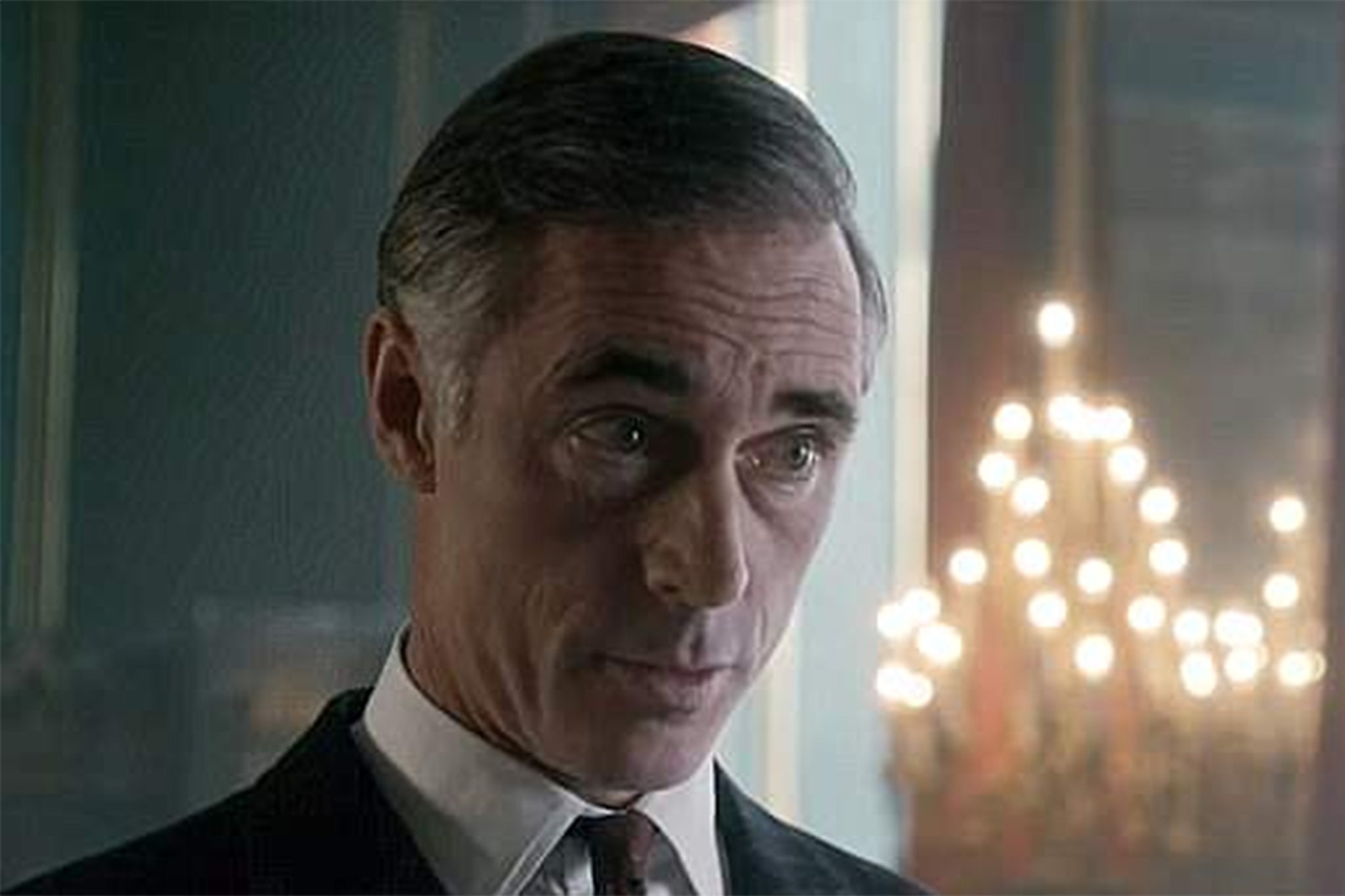
Greg Wise insists, with characteristic humility, that he is no academic, no licensed therapist, and certainly no certified grief counselor. “I only know the stuff that I know, that I have felt,” he says. Yet, despite these disclaimers, the 60-year-old actor—universally recognized for his work in The Crown, The Buccaneers, and his quintessential 1995 portrayal of John Willoughby in Ang Lee’s cinematic adaptation of Jane Austen’s Sense and Sensibility—has found himself occupying a unique cultural space. Today, mortality and bereavement form the bedrock of his daily discourse, eclipsing traditional discussions regarding prospective film and television roles.
Wise’s evolution from period-drama heartthrob to an articulate, fearless narrator of human loss has been forged in the crucible of personal tragedy. From caring for his late sister, Clare, through her terminal breast cancer diagnosis, to navigating the intricate, often isolating grief of fertility struggles with his wife, celebrated actress and writer Emma Thompson, Wise has amassed profound insights into how society handles—and mishandling—the inevitable reality of death.
His new book, Grief Talking (published by Bluebird), serves as both a memoir and a cultural challenge. It confronts head-on the gendered divide in mourning, the vital importance of professional psychological intervention, and the surprising truth that staring squarely into the face of death can unlock a deeper, more resilient capacity for life, joy, and unvarnished empathy. This deep dive examines Wise’s journey, the mechanics of modern grief, and why addressing our mortality is the ultimate prerequisite for living fully.
Detailed Chronology: A Life Shaped by Loss and Creative Exploration
To understand Greg Wise’s current advocacy and literary pursuits, one must trace a trajectory defined by a fluid relationship with his 35-year acting career and a series of seismic personal losses.
The Early Years and Acting Beginnings
Following his studies in drama at the Royal Scottish Academy of Music and Drama, Wise entered the entertainment industry in the 1990s. With his classic good looks, he was frequently cast as the quintessential romantic lead in high-profile period productions, including The Moonstone and The Buccaneers. However, acting was never his exclusive focus. Wise maintained a remarkably eclectic professional life, splitting his time between screenplays, documentary filmmaking, mountaineering in Scotland, cider-making, and mastering an impressive collection of power tools and chainsaws.
The Turning Point: Clare’s Battle and Not That Kind of Love
The pivotal pivot in Wise’s public and private life occurred in the shadow of his sister Clare’s terminal illness. Diagnosed with breast cancer, Clare began a candid, life-affirming blog chronicling her experience. When her condition deteriorated, Wise stepped in as her primary caregiver during the final three months of her life, ultimately taking over the keyboard when she became too weak to type.
The resulting 2018 book, Not That Kind of Love, co-authored by siblings Wise and Clare, laid the groundwork for Wise’s deeper immersion into the "dying, death, and grief world." The process introduced him to end-of-life practitioners, palliative care advocates, and a community of individuals for whom mortality is an open, daily conversation rather than a hushed taboo.
Meeting Emma Thompson and Shared Family Trials
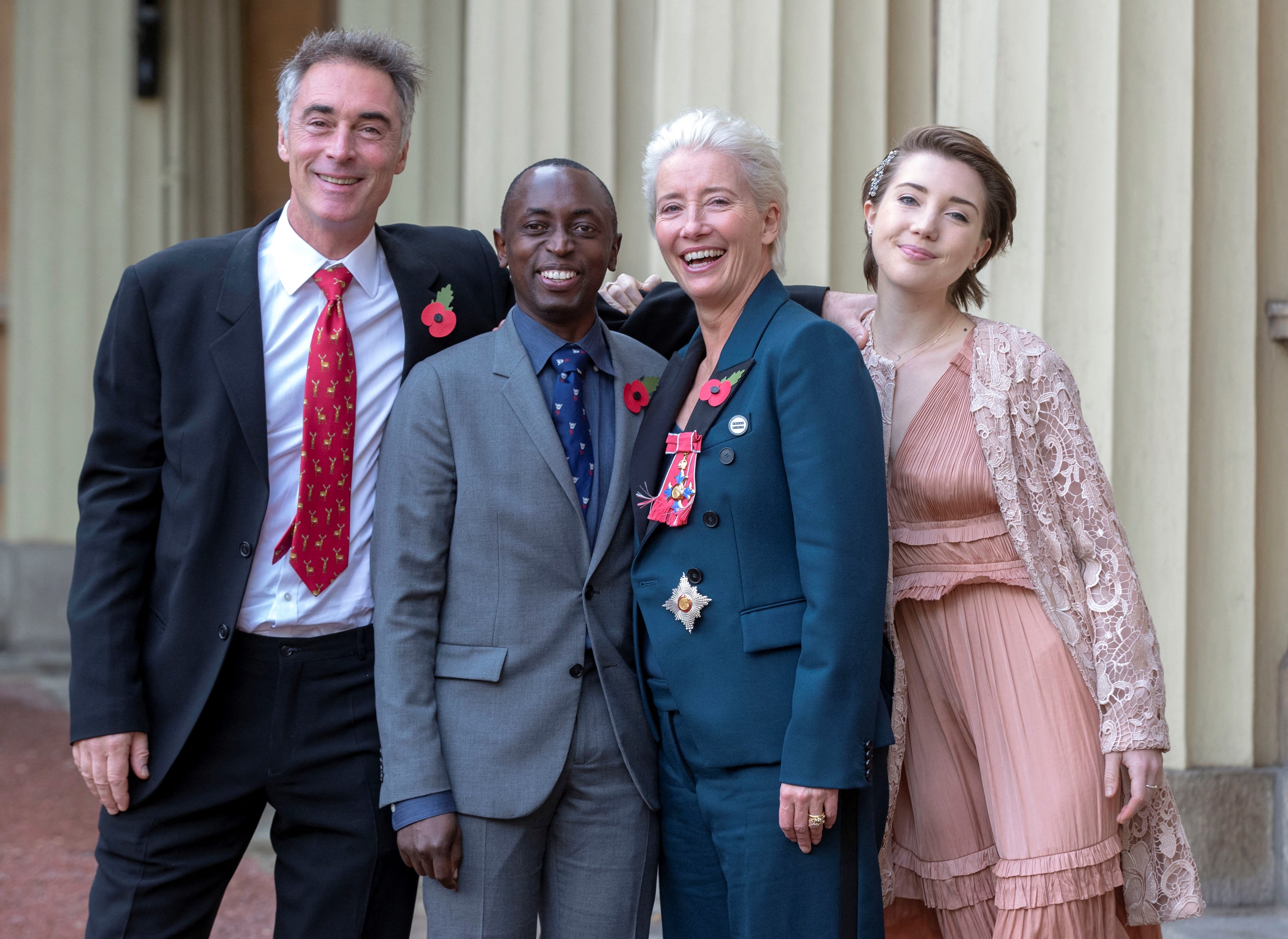
In 1995, on the set of Sense and Sensibility, Wise met Emma Thompson, who was starring as Elinor Dashwood and had penned the acclaimed screenplay. Thompson was navigating the emotional fallout of her separation from Kenneth Branagh, and Wise became, in his own words, a steady, supportive presence. The couple married in 2003.
However, their path to an expanded family was fraught with grief. When natural conception failed, they turned to IVF. Their first round resulted in the birth of their daughter, Gaia, now 26. Subsequent rounds, however, were unsuccessful, plunging the couple into an unexpected, isolating cycle of reproductive grief.
Reflecting on this period, Wise describes the experience as "mesmeric grief." While Thompson bore the direct physical toll, Wise found himself on the periphery—deeply invested yet emotionally sidelined. Their distinct, almost polarized grieving styles created a temporary chasm within the relationship. It was a poignant reminder of how deeply individual processing styles can isolate partners, a lesson that would later inform his advocacy for male mental health. The family ultimately expanded through adoption in 2003, welcoming Tindyebwa Agaba ("Tindy"), a Rwandan orphan and former child soldier.
Stepping Into the Public Eye: Strictly Come Dancing
In 2021, Wise demonstrated his philosophy of radical vulnerability by competing on the BBC’s Strictly Come Dancing. Though eliminated in the fourth week alongside partner Karen Hauer, Wise used the platform to honor his late sister, performing a moving couple’s choice dance dedicated to Clare’s love for disco. Far from fearing the exposure of national television, Wise viewed the experience through the lens of perspective gained from his sister’s passing: “I crashed spectacularly in front of however many million people watching Sunday night live telly. Great! I’m not going to die.”
Supporting Context & Metrics: The Gender Divide in Grieving
Wise’s literary venture with Grief Talking addresses a glaring societal void: the distinct lack of literature and accessible frameworks tailored specifically for men navigating bereavement.
Societal Conditioning and the "Cerebral" Male
Through his research and personal introspection, Wise identified a systemic divergence in how men and women process emotional trauma.
Emotional vs. Cerebral Processing: While societal structures frequently permit—and even encourage—women to lean into emotional expressions of grief, men are overwhelmingly conditioned from boyhood to keep their suffering cerebral.
The "Big Boys Don’t Cry" Legacy: Cultural tropes dictate that men must remain in control, protective, proactive, and stoic. Consequently, men frequently treat grief as an engineering challenge to be solved or an obstacle to be systematically overcome.
Isolation and Resistance to Help: This conditioning drives men to retreat inward, eschewing vulnerability and suffering in silence. Wise emphasizes that overcoming this conditioning is non-negotiable: "Asking for help saved my life."
The Economic and Psychological Cost of Unprocessed Grief
Mental health experts and palliative care organizations have long warned of the downstream effects of suppressed grief. Unprocessed bereavement correlates directly with:
Elevated risks of clinical depression and anxiety disorders.
Strain on familial and marital partnerships due to asynchronous coping mechanisms.
Physical manifestations of stress, including compromised immune function and cardiovascular issues.
Wise’s insistence on professional therapy challenges the antiquated notion that psychological distress can be "walked off" or resolved through casual conversations with well-meaning friends. True psychological excavation, he argues, requires expert guidance.
Official Statements & Insights from the Author
In discussions surrounding the release of Grief Talking, Wise has articulated a clear, unflinching philosophy regarding human mortality. His perspectives dismantle the traditional morbidity associated with death, recasting it as a communal and ultimately life-enhancing experience.
On the Privilege of Bearing Witness
Reflecting on his role at the bedside of his immediate family members during their final moments, Wise offers a striking reframing of end-of-life care:
"There is an exquisite privilege of both the journey and the bearing witness of the end. I would be very happy for more people to have this experience."
On the Intersection of Death and Joy
Despite the heavy subject matter, conversations with Wise are characterized by an absence of gloom, marked instead by vivacity and humor. He notes that profound levity frequently coexists with deep sorrow:
"The most raucous laughter I’ve ever heard was in a hospital. Looking death squarely in the face can be the key to unlocking life’s deep joys."
On Radical Transformation Through Therapy
Wise credits his engagement with grief counseling and therapeutic work for fundamentally altering his worldview, enhancing qualities that he believes enrich both personal and professional interactions:
"I don’t want to get all hippy about it, but I know that by having done my grief work, that by having sat in the pain and listened to it and learned from it and been given help with it, I am more compassionate. I’m more loving. I’ve got more gratitude. I’m more empathic. I’m kinder. I’ve got joy."
Future Outlook: Practical Advocacy and the "Death Box" Movement
As Grief Talking reaches readers globally, Greg Wise shows no signs of slowing his advocacy work. Serving as a Patron for End of Life Doula UK, he is actively championing a cultural shift toward death literacy—encouraging individuals, families, and communities to dismantle the institutionalized fear surrounding mortality.
Practical Steps for a "Good Death"
Wise advocates for proactive, practical preparation long before a crisis strikes. Far from being morbid, these preparations eliminate administrative and emotional burdens for surviving loved ones:
The "Death Box" Initiative: Wise encourages individuals to assemble a physical or digital repository containing essential documents, lasting power of attorney (LPA) designations, advanced healthcare directives, funeral preferences, and access credentials for digital accounts.
Communal Dialogue: Families should normalize discussing end-of-life wishes over dinner tables, treating a "good death" as a communal endeavor rather than an isolated medical event.
The Global Imperative of "Grief Work"
Ultimately, Wise positions grief work not as a niche psychological specialty, but as a universal imperative. By leaning into pain rather than fleeing from it, individuals can achieve a higher degree of emotional resilience, presence, and authenticity.
"I think it’s a world game-changer, grief work," Wise concludes. "I really do." In an era defined by rapid digital distraction and superficial engagement, his message is a resonant call to reclaim our humanity through the honest, unvarnished acceptance of life’s entire arc—beginnings, endings, and everything in between.