The landscape of modern popular music was not constructed in a vacuum; it was forged through a meticulous, often serendipitous accumulation of sonic breakthroughs, cultural shifts, and groundbreaking production techniques across the 1960s and 1970s. For pioneering guitarists and songwriters, the physical format of the 7-inch single and the long-playing (LP) vinyl record served as both an educational masterclass and an inspirational blueprint.
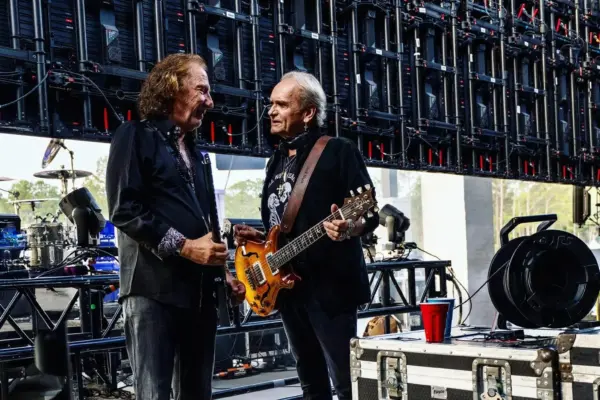
In a recent comprehensive retrospective interview conducted by Michael Heatley—tied to the release of The Roaring Waves by Steve Hackett and Steve Rothery via InsideOutMusic—a profound light is shed on the formative records that built the foundation of progressive and classic rock. This curated collection of ten foundational releases spans the Motown explosion of Detroit, the British Invasion, American folk-protest movements, the birth of orchestral rock, and the arrival of avant-garde pop auteurs.
Valued today by collectors ranging from modest £3 investments to premium £175 first-pressings, these artifacts represent far more than mere plastic and vinyl. They are historical markers of a changing youth culture, technological innovation in multi-track recording, and the relentless pursuit of lyrical and instrumental mastery. This report examines these ten definitive records through a critical, musicological lens, tracing their impact on generations of musicians, including the architects of progressive rock like Genesis.
Detailed Chronology: The Soundtrack of a Generation
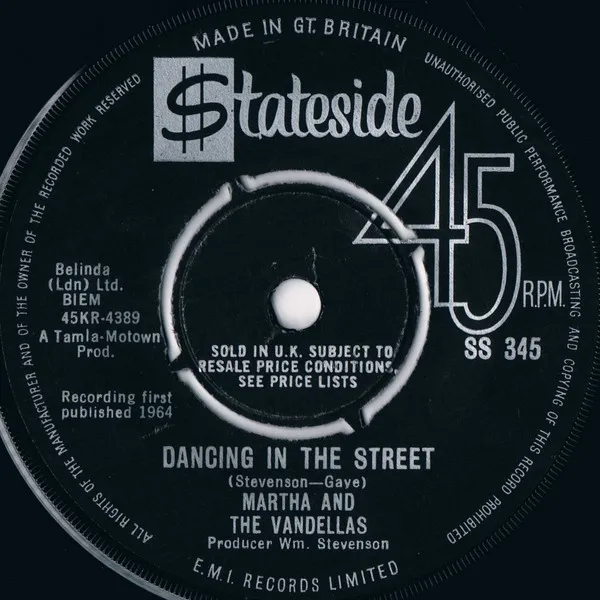
1. Martha & The Vandellas – Dancing In The Street (1964)
Format & Label: 7”, Stateside (SS 345, UK)
Collector Value: £20
Released at the height of the mid-1960s transatlantic beat boom, Martha & The Vandellas’ explosive anthem served as a vital cultural touchstone. Captured vividly in the memories of young listeners standing awkwardly on opposite sides of the floor at venues like the Battersea funfair, the track was paradoxically received. While the song functioned globally as a clarion call for joyous, uninhibited youth movement, the reality for many bashful 14-year-olds was one of adolescent hesitation. Yet, its status as a monumental achievement within the Motown catalog remains undisputed. With its driving rhythm, anchored by the iconic sound of chains beating against wood to simulate thunder, it stands as the ultimate synthesis of rhythm, blues, and pure youth exuberance.
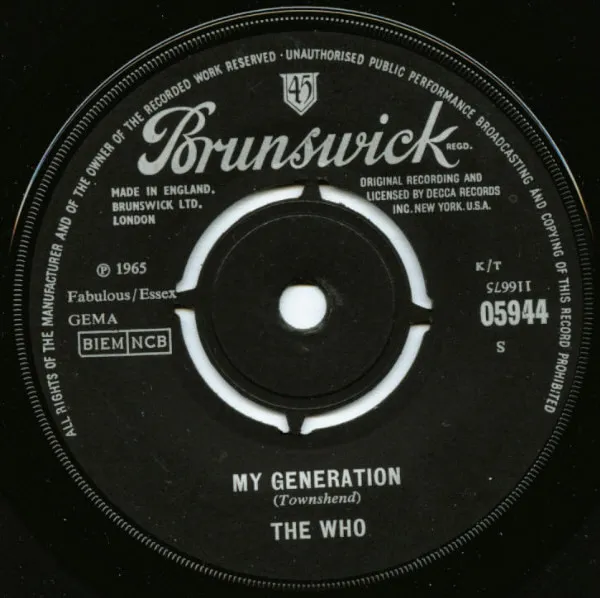
2. The Who – My Generation (1965)
Format & Label: 7”, Brunswick (05944, UK)
Collector Value: £20
An aggressive, snarling call to arms, The Who’s defining statement encapsulated the fierce independence and raw attitude of the mid-1960s British youth. Musically, the track shattered conventional expectations; generation-defining guitarists long assumed the frantic, melodic mid-song solo was executed on a six-string, only to discover it was the revolutionary bass work of John Entwistle. Eschewing strict adherence to ephemeral tribal identities like the Mod or Hippie subcultures—movements viewed by some contemporaries as inherently limiting flags of convenience—The Who prioritized timeless, volatile energy. The resulting recording remains utterly immune to the passage of time.
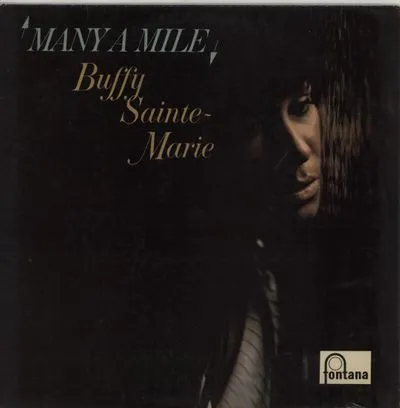
3. Buffy Sainte-Marie – Many A Mile (1965)
Format & Label: LP, Fontana (TFL 6047, UK)
Collector Value: £5
Bridging the gap between traditional folk arrangements and blistering contemporary protest music, indigenous Canadian-American artist Buffy Sainte-Marie captured the hearts of young musicians coming of age in 1965. Her second studio LP featured standout interpretations such as the traditional lyric Must I Go Bound. Sainte-Marie’s vocal delivery—characterized by an arresting, unfiltered emotional sob that sustained itself from the opening phrase to the final decay—offered a masterclass in vulnerability. Broadcast to British households via television programs like Heartsong alongside contemporaries like Marianne Faithfull and Julie Felix, her work proved that acoustic music could carry as much political and emotional weight as electrified rock.
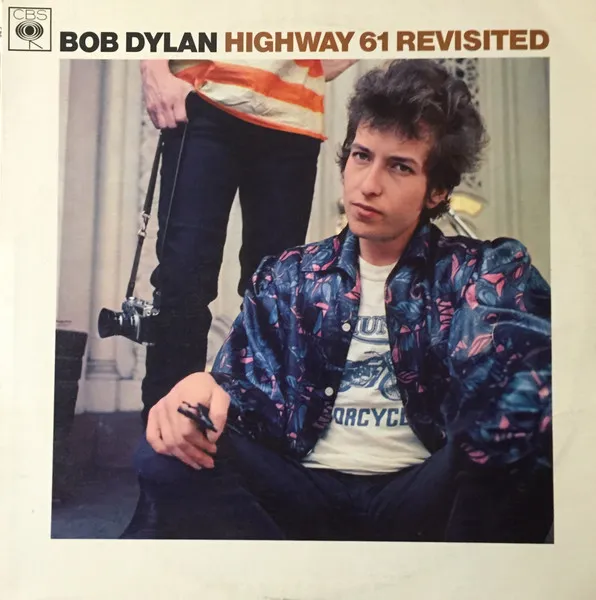
4. Bob Dylan – Highway 61 Revisited (1965)
Format & Label: LP, CBS (BPG 62572, UK)
Collector Value: £80
The electric pivot of Bob Dylan remains one of the most polarizing yet fertile epochs in modern music history. For guitarists steeped in the blues-rock pyrotechnics of Cream or Jeff Beck, appreciating Dylan’s early acoustic output sometimes required a recalibration of priorities. However, upon the release of Highway 61 Revisited, the integration of a powerhouse backing ensemble featuring guitar virtuoso Mike Bloomfield and keyboardist Al Kooper fundamentally bridged the divide. Songs like Like A Rolling Stone married raw, poetic lyrical intensity with a towering, sophisticated sonic architecture, proving that folk-poetry and rock instrumentation were mutually enriching forces.
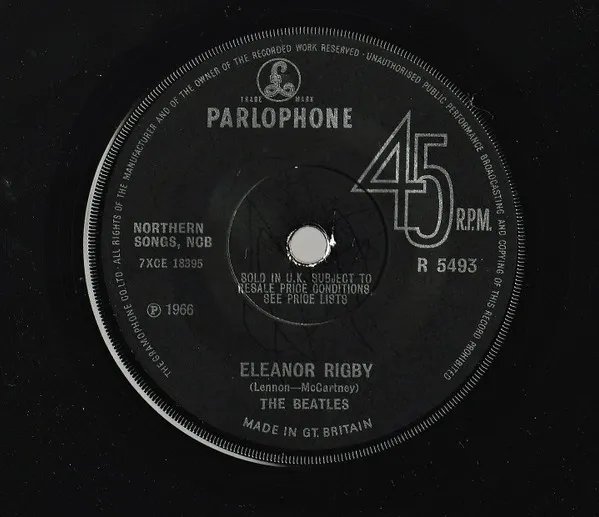
5. The Beatles – Eleanor Rigby (1966)
Format & Label: 7”, Parlophone (R 5493, UK)
Collector Value: £15
For many songwriters who would go on to shape the progressive rock movement, Paul McCartney’s composition for Revolver stands as arguably the finest pop-rock song ever committed to tape. Functioning as a brilliant sonic hybrid, it utilizes a stinging string octet arrangement while eschewing standard rock instrumentation entirely. Lyrically, it operates as a fly-on-the-wall mini-documentary, sketching scenes of urban loneliness with cinematic precision. When musicians like Peter Gabriel first transitioned into professional songwriting partnerships (such as early formations of Genesis), managing a cohesive narrative structure within a pop framework was viewed as the ultimate mountaintop—a peak scaled effortlessly by Eleanor Rigby.
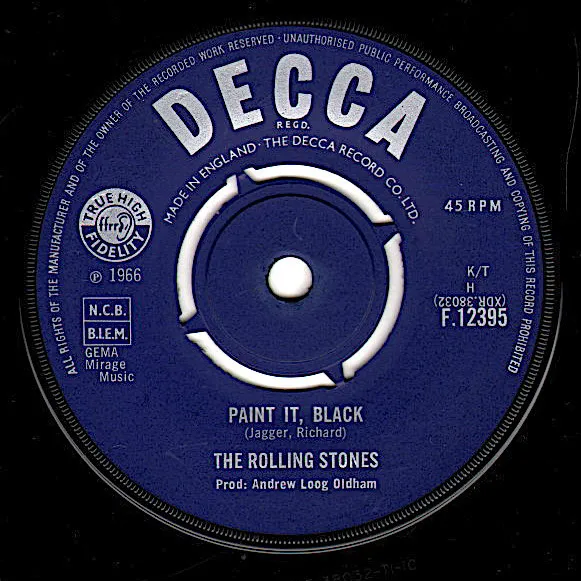
6. The Rolling Stones – Paint It, Black (1966)
Format & Label: 7”, Decca (F 12395, UK)
Collector Value: £15
Fueled by one of Mick Jagger’s most impassioned, dramatic vocal performances, Paint It, Black represents a masterclass in cross-cultural arrangement. Structurally, the track functions as a brilliant two-part invention. It pairs the verses—where Jagger’s vocal line is tightly shadowed and answered by Brian Jones’ hypnotic, brooding sitar melody—with an instrumental extension that functions psychologically as a chorus. For aspiring guitarists, dissecting the intricate interplay between Jones and Keith Richards provided an invaluable education in texture, mood, and rhythmic counterpoint.
7. The Paul Butterfield Blues Band – East-West (1966)
Format & Label: LP, Elektra (EKL 315, UK)
Collector Value: £50
Live performances of the Paul Butterfield Blues Band at intimate venues like Eel Pie Island in 1966 offered a transformative experience for witnessing musicians. From the moment Paul Butterfield struck his opening harmonica notes, traditional boundaries of blues interpretation were shattered. The title track, penned by guitarist Mike Bloomfield, spans an epic duration, seamlessly meandering through Eastern modal scales, Western blues structures, and elements of Indian and Mexican folk music. It stands as an early, monumental blueprint for long-form, improvisational art-rock and world-music integration.
8. The Beatles – Sgt. Pepper’s Lonely Hearts Club Band (1967)
Format & Label: LP, Parlophone (PCS 7207, UK)
Collector Value: £175
As the crown jewel of mid-60s counterculture production, Sgt. Pepper systematically wrong-footed listeners from its very first rotation. Opening with the deliberate, chaotic tuning of an orchestra before suddenly transforming into a high-octane rock band, it established an era of conceptual soundscaping. McCartney’s soaring vocal delivery, peppered with clever instrumental interjections, demonstrated a profound understanding of dynamic restraint—knowing precisely when to stop playing was as vital as what was played. Serving as a thematic bookend to the quiet desperation of Eleanor Rigby, tracks like She’s Leaving Home elevated pop music into the realm of magic realism and high art.
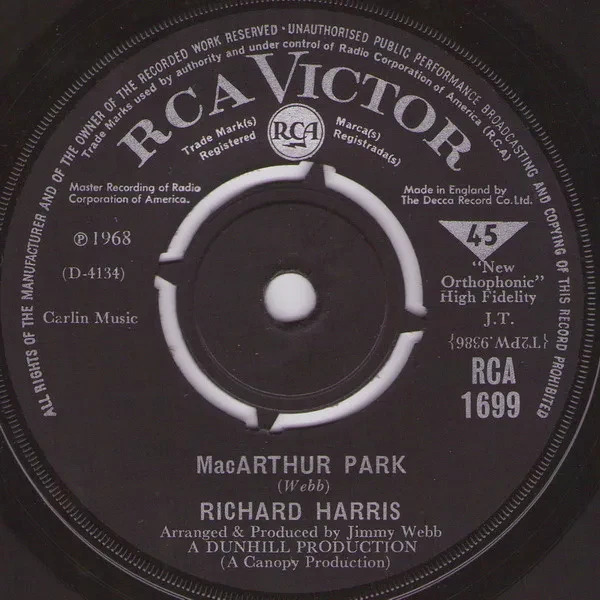
9. Richard Harris – MacArthur Park (1968)
Format & Label: 7”, RCA (1699, UK)
Collector Value: £3
Written by a young Jimmy Webb, MacArthur Park is an extraordinary paean to lost love built upon complex, progressive chord sequences and lush orchestral arrangements. Actor Richard Harris approached the vocal booth with the profound emotional gravity of a theatrical stage performance, injecting the eccentric lyrics with staggering sincerity. Spanning approximately seven minutes, the track’s ambitious scale provided a direct template for the exploratory aspirations of bands like Genesis. The desire to fuse intricate storytelling, unusual harmonic modulation, and an eclectic mix of traditional and modern instrumentation found its spiritual genesis here.
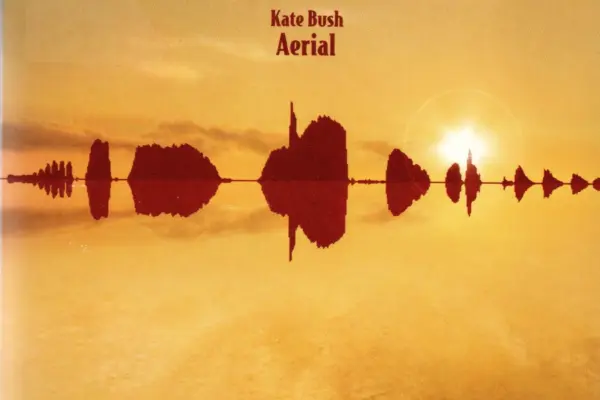
10. Kate Bush – The Man With The Child In His Eyes (1978)
Format & Label: 7”, EMI (2806, UK)
Collector Value: £15
Written when its creator was a mere 13 years old, The Man With The Child In His Eyes demonstrated a staggering maturity that echoed the precocious brilliance of Jimmy Webb. Hailing from her masterpiece debut album, The Kick Inside, the song balances on a knife-edge between youthful fantasy and the initial, disorienting stirrings of romantic awakening. Anchored by sublime, restrained brass arrangements and delivered with otherworldly vocal poise, Kate Bush signaled the arrival of an uncompromising auteur who would redefine the boundaries of British art-pop for decades to come.
Supporting Context & Metrics: The Collector’s Market
The economic valuation of these historical pressings tells a compelling story of supply, demand, and cultural veneration within the record-collecting community. While a mass-marketed 7-inch single by Richard Harris (MacArthur Park) or Buffy Sainte-Marie’s early folk LPs can still be acquired in decent condition for nominal fees (£3 to £5), cornerstone items from British Invasion legends command significant premiums.
Artist
Release Title
Format / Year / Country
Collector Valuation
Buffy Sainte-Marie
Many A Mile
LP, 1965, UK (Fontana)
£5
Richard Harris
MacArthur Park
7”, 1968, UK (RCA)
£3
The Beatles
Eleanor Rigby
7”, 1966, UK (Parlophone)
£15
The Rolling Stones
Paint It, Black
7”, 1966, UK (Decca)
£15
Kate Bush
The Man With The Child In His Eyes
7”, 1978, UK (EMI)
£15
Martha & The Vandellas
Dancing In The Street
7”, 1964, UK (Stateside)
£20
The Who
My Generation
7”, 196
5, UK (Brunswick) | £20 |
| Paul Butterfield Blues Band | East-West | LP, 1966, UK (Elektra) | £50 |
| Bob Dylan | Highway 61 Revisited | LP, 1965, UK (CBS) | £80 |
| The Beatles | Sgt. Pepper’s Lonely Hearts Club Band | LP, 1967, UK (Parlophone) | £175 |
As demonstrated by the data, original UK first-pressings of landmark long-players—specifically stereo and mono variants on the Parlophone label, such as Sgt. Pepper’s Lonely Hearts Club Band at £175—remain among the most sought-after prizes for serious vinyl archivists. This financial appreciation mirrors the enduring critical reassessment of these works as high-art cultural artifacts rather than disposable adolescent commodities.
Official Statements and Industry Reflections
Reflecting on the enduring legacy of these releases, participating artists and contemporary historians emphasize the collaborative, cross-pollinating nature of the 1960s and 70s music scenes.
"It was always about finding that precise intersection where lyrical intensity met instrumental innovation. When you heard what Bloomfield and Kooper were achieving on Dylan records, or how McCartney framed narrative tragedy with a string octet, it permanently rewired how a generation of writers approached composition."
— Retrospective Musicological Analysis via Michael Heatley
Furthermore, modern releases such as Steve Hackett and Steve Rothery’s The Roaring Waves (available via InsideOutMusic) directly trace their lineage back to these foundational experiments. The commitment to long-form instrumental exploration, genre-blending textures, and uncompromising artistic vision remains a direct descendant of the stylistic boundaries broken down by artists like Mike Bloomfield, Paul Butterfield, and The Beatles over half a century ago.
Future Outlook: The Preservation of Analog History
As physical vinyl formats continue to experience a robust commercial renaissance, the lessons embedded within these foundational 1960s and 70s recordings take on renewed significance. Contemporary producers, bedroom beatmakers, and progressive rock revivalists alike continue to mine this golden era for structural blueprints, production warmth, and narrative ambition.
The trajectory from the urgent, three-minute pop singles of Motown and the British Invasion to the expansive, seven-minute orchestral suites of the late sixties established a permanent precedent: popular music could be simultaneously commercially viable and intellectually profound. As archival reissues command increasing collector reverence—with mint-condition first pressings achieving museum-piece status—the imperative to preserve, analyze, and celebrate these sonic milestones becomes ever more critical. The roaring waves of innovation captured in these grooves will undoubtedly continue to inspire future generations of musicians seeking to reshape the boundaries of sound.